Ink Pads

Create clear, professional impressions for all your stamping needs with our comprehensive range of manual ink pads. Designed for reliability and versatility, these high-quality ink pads work perfectly with any rubber stamp, offering excellent ink distribution and consistent results for office documents, creative projects, and professional applications.
Show more...
starting at £6.90
View our products
3  products
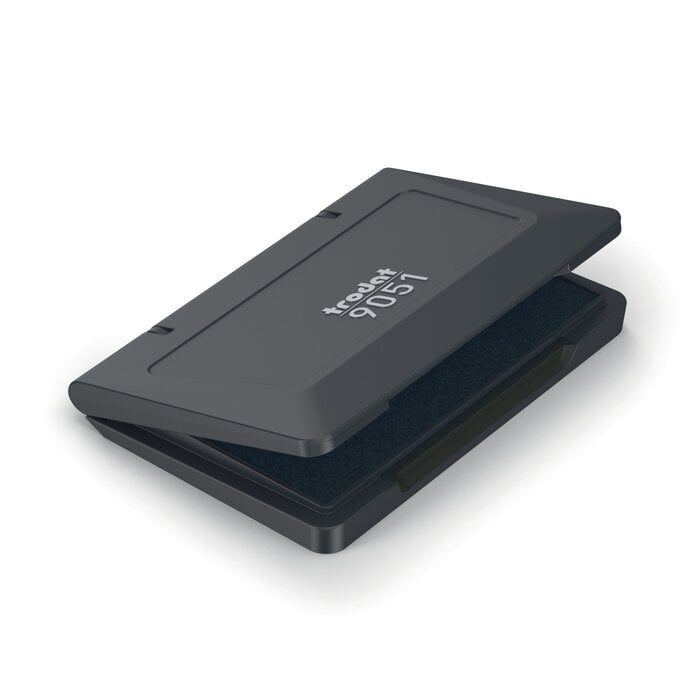
Manual stamp pad Trodat 9051

Manual stamp pad Trodat 9051

90 x 50 mm - 6 colors available
£5.75
view details
Manual Stamp Pad Trodat 9052

Manual Stamp Pad Trodat 9052

110 x 70 mm - 6 colors available
£8.25
view details
Manual Stamp Pad Trodat 9054

Manual Stamp Pad Trodat 9054

210 x 148 mm - 6 colors available
£20.75
view details

What's the difference between water-based and pigment-based ink pads?

Water-based inks are the most versatile option for general stamping applications. They dry quickly on paper surfaces, resist smudging once set, and clean easily from stamp surfaces with simple soap and water. The molecular structure allows excellent penetration into porous materials, creating sharp, well-defined impressions that maintain clarity over time.

Pigment-based inks provide superior opacity and colour saturation, particularly valuable when stamping on darker or non-porous surfaces. The larger pigment particles create rich, vibrant impressions that resist fading under UV exposure. These inks excel in archival applications where document permanence is paramount and demonstrate excellent performance on fabric, wood, and metal surfaces.

How do I choose the right size ink pad for my rubber stamp?

Selecting the correct ink pad size is crucial for achieving optimal stamping results. The key principle involves choosing a pad that extends at least 10mm beyond your stamp's perimeter in all directions, ensuring complete ink coverage without requiring precise positioning.

To measure your stamp correctly:

  • Measure your stamp's longest dimension, then add 20mm to determine the minimum pad width required
  • For rectangular stamps, measure both length and width, applying the same 10mm margin principle to each dimension
  • Circular stamps require pads with diameters exceeding the stamp diameter by at least 20mm

Standard ink pad sizes range from compact 50mm square units suitable for small date stamps, through to expansive 160mm rectangular pads designed for large corporate seals and decorative stamps.

Are manual ink pads safe for children to use in schools?

Yes, modern manual ink pads are designed with safety as a priority, particularly for educational environments. UK safety regulations ensure products meet stringent standards, with specific applications invoking EN 71 standards for products intended for use by children under 14 years.

Key safety features include:

  • Non-toxic formulations that eliminate harmful solvents and heavy metals
  • Food-grade colorants and water-based carriers that pose minimal health risks
  • Compliance with General Product Safety Regulations 2005
  • Clear labelling requirements and safety data provision

These safety improvements particularly benefit educational environments where children may handle stamping materials regularly, providing peace of mind for teachers and administrators whilst maintaining excellent performance standards.

How do I properly re-ink a manual stamp pad?

Many modern ink pads support re-inking, extending their useful life whilst reducing environmental impact and operational costs. Follow these step-by-step procedures for optimal results:

Preparation:

  • Begin with thorough cleaning of the pad surface using appropriate solvents to remove dried ink and debris
  • Ensure the pad is completely dry before proceeding

Re-inking process:

  • Apply fresh ink gradually, allowing complete absorption before adding additional amounts
  • Work from the centre outward, using gentle pressure to encourage ink penetration
  • Avoid over-saturation that could cause messy impressions

Final steps:

  • Allow newly re-inked pads to settle for several hours before use
  • Test impressions on scrap material before returning to important work

Which type of ink pad is best for business document stamping?

For business document stamping, the choice depends on your specific requirements and volume of use. Here are the recommended options:

High-volume office use: Water-based inks offer the perfect balance of performance and practicality. They dry quickly, resist smudging once set, and clean easily from stamp surfaces.

Legal and administrative applications: Pigment-based inks provide superior permanence and are ideal when document authenticity is crucial. These inks resist fading under UV exposure and offer excellent archival properties.

Fast-paced environments: Quick-dry formulations incorporate advanced solvents that evaporate rapidly upon contact with air, dramatically reducing smudging risk where documents must be handled immediately after stamping.

Professional-grade formulations incorporate humectants and stabilisers that maintain quality through hundreds of daily impressions whilst resisting premature drying, making them ideal for demanding business conditions.

When it comes to creating crisp, professional impressions with your rubber stamps, the quality of your ink pad makes all the difference. Whether you're stamping official documents in a busy office, adding personalised touches to craft projects, or marking important paperwork, choosing the right manual ink pad ensures consistent, reliable results every time. Unlike self-inking alternatives, manual ink pads offer complete control over ink saturation and allow you to work with a vast range of stamp sizes and materials.

At Otypo, we understand that every stamping task demands precision and reliability. Our carefully selected range of manual ink pads combines European quality manufacturing with innovative ink formulations, designed to meet the exacting standards of UK businesses, schools, and creative professionals. From quick-dry formulations for high-volume office use to archival-quality inks for permanent documentation, we provide solutions that deliver exceptional performance across diverse applications.

Understanding different types of ink pad formulations

The foundation of excellent stamping lies in selecting the appropriate ink formulation for your specific needs. Modern ink pads utilise sophisticated chemistry to deliver consistent performance, with each type engineered for particular applications and surface materials. Understanding these distinctions empowers you to make informed choices that enhance both the quality and longevity of your stamped impressions.

Water-based versus pigment-based ink systems

Water-based inks represent the most versatile option for general stamping applications. These formulations dry quickly on paper surfaces, resist smudging once set, and clean easily from stamp surfaces with simple soap and water. The molecular structure of water-based inks allows for excellent penetration into porous materials, creating sharp, well-defined impressions that maintain clarity over time. For offices processing high volumes of documents, water-based inks offer the perfect balance of performance and practicality.

Pigment-based inks, conversely, provide superior opacity and colour saturation, particularly valuable when stamping on darker or non-porous surfaces. The larger pigment particles suspend within the ink medium, creating rich, vibrant impressions that resist fading under UV exposure. These inks excel in archival applications where document permanence is paramount, such as legal documentation or historical record keeping. Pigment inks also demonstrate excellent performance on fabric, wood, and metal surfaces, expanding creative possibilities beyond traditional paper applications.

Quick-dry formulations for high-efficiency stamping

Modern quick-dry ink formulations incorporate advanced solvents that evaporate rapidly upon contact with air, dramatically reducing the risk of smudging in fast-paced environments. These inks prove invaluable in settings where documents must be handled immediately after stamping, such as reception desks, postal facilities, or production lines. The rapid-drying properties don't compromise ink quality – properly formulated quick-dry inks maintain excellent adhesion and colour density whilst eliminating the waiting time traditionally associated with wet ink.

Selecting the appropriate size and compatibility factors

Achieving optimal stamping results requires careful consideration of ink pad dimensions relative to your stamp size and intended application. The relationship between pad surface area and stamp coverage directly impacts impression quality, with insufficient pad size leading to uneven ink distribution and compromised image clarity. Professional stamping demands attention to these technical details to ensure consistent, professional-grade results.

Standard ink pad sizes range from compact 50mm square units suitable for small date stamps and signatures, through to expansive 160mm rectangular pads designed for large corporate seals and decorative stamps. The key principle involves selecting a pad that extends at least 10mm beyond your stamp's perimeter in all directions, ensuring complete ink coverage without requiring precise positioning. This margin accommodates natural variations in stamping pressure and angle whilst maintaining consistent ink transfer across the entire stamp surface.

Measuring your stamp for optimal pad selection

Accurate measurement forms the foundation of successful ink pad selection. Begin by measuring your stamp's longest dimension, then add 20mm to determine the minimum pad width required. For rectangular stamps, measure both length and width, applying the same 10mm margin principle to each dimension. Circular stamps require pads with diameters exceeding the stamp diameter by at least 20mm to ensure complete coverage during normal use.

Consider also the stamp's mounting system when selecting pad dimensions. Traditional wooden-handled stamps typically require larger pads due to their fixed positioning, whilst flexible mounting systems allow for more precise pad contact. Self-contained stamp systems may specify particular pad dimensions for optimal performance, making compatibility verification essential before purchase.

Safety standards and regulatory compliance for UK applications

UK safety regulations governing ink pad formulations ensure products meet stringent standards for both occupational and educational use. The General Product Safety Regulations 2005 establish baseline requirements for all consumer products, whilst specific applications may invoke additional standards such as EN 71 for products intended for use by children under 14 years. These regulations address chemical composition, labelling requirements, and safety data provision to protect end users.

Non-toxic formulations have become the industry standard, eliminating harmful solvents and heavy metals previously common in older ink technologies. Modern ink pads utilise food-grade colorants and water-based carriers that pose minimal health risks even with prolonged exposure. This evolution particularly benefits educational environments where children may handle stamping materials regularly, providing peace of mind for teachers and administrators.

Environmental considerations increasingly influence ink pad selection, with eco-friendly formulations gaining popularity across institutional and commercial sectors. Biodegradable inks reduce environmental impact whilst maintaining performance standards, aligning with corporate sustainability initiatives and environmental policies. UK manufacturers now commonly offer recycled plastic housings and refillable designs that extend product lifecycles whilst reducing waste generation.

Professional applications and business requirements

Business environments demand ink pads that deliver consistent performance under demanding conditions. High-volume stamping applications, such as document processing centres or postal facilities, require inks that maintain quality through hundreds of daily impressions whilst resisting premature drying. Professional-grade formulations incorporate humectants and stabilisers that extend working life and maintain ink flow consistency even in challenging environmental conditions.

Legal and administrative applications often specify particular ink characteristics to ensure document authenticity and permanence. Endorsing inks, designed specifically for cheque and document marking, provide tamper-evident properties that resist alteration attempts. These specialised formulations often incorporate security features such as UV-reactive components or chemical indicators that reveal tampering attempts, crucial for financial and legal documentation.

Institutional purchasing considerations and volume requirements

Large-scale procurement requires careful evaluation of total cost of ownership rather than simply initial purchase price. Refillable ink pad systems often provide superior long-term value despite higher upfront costs, particularly in high-volume environments. Calculate cost per impression by dividing total system cost by expected impression count, including replacement ink and maintenance requirements over the product's operational lifetime.

Standardisation across departments simplifies inventory management and staff training whilst often securing volume pricing advantages. Establishing preferred ink pad specifications ensures consistent results across all stamping applications whilst reducing the complexity of procurement and maintenance procedures. Consider also the availability of replacement components and technical support when selecting systems for institutional use.

Creative and craft applications for artistic projects

The crafting community has embraced manual ink pads as essential tools for creative expression, with specialised formulations designed specifically for artistic applications. Craft inks offer expanded colour palettes, unique finishes, and compatibility with diverse materials including fabric, wood, ceramics, and synthetic surfaces. These formulations often prioritise colour vibrancy and blending capabilities over the quick-drying properties favoured in commercial applications.

Fabric stamping requires inks with specific penetration and adhesion characteristics to ensure washability and colour permanence. Textile inks utilise polymer binders that cure through heat setting, creating flexible, durable impressions that withstand repeated washing cycles. The application technique differs significantly from paper stamping, requiring pre-treatment of fabrics and post-stamping heat application to achieve optimal results.

Mixed media compatibility expands creative possibilities, allowing artists to combine stamping with watercolours, markers, and other artistic mediums. Alcohol-proof inks resist bleeding when overworked with spirit-based markers, whilst waterproof formulations maintain integrity under watercolour applications. Understanding these interactions enables artists to plan complex projects with confidence in the final results.

Maintenance procedures and replacement guidance

Proper maintenance significantly extends ink pad lifespan whilst ensuring consistent impression quality throughout the product's operational life. Regular cleaning removes accumulated debris and dried ink that can compromise impression clarity, whilst proper storage prevents premature drying and contamination. Simple maintenance routines, performed weekly in high-use environments, preserve pad performance and reduce replacement frequency.

Recognition of replacement indicators prevents quality degradation that could compromise important documents or projects. Fading impressions, patchy ink distribution, or visible pad wear signal the need for replacement or re-inking. Acting promptly when these signs appear maintains professional standards and prevents the frustration of poor-quality impressions during critical tasks.

Step-by-step re-inking procedures for compatible systems

Many modern ink pads support re-inking, extending their useful life whilst reducing environmental impact and operational costs. The re-inking process begins with thorough cleaning of the pad surface using appropriate solvents to remove dried ink and debris. Apply fresh ink gradually, allowing complete absorption before adding additional amounts to prevent over-saturation that could cause messy impressions.

Even ink distribution requires patience and technique. Work from the centre outward, using gentle pressure to encourage ink penetration without forcing excess ink to the surface. Allow newly re-inked pads to settle for several hours before use, enabling complete ink distribution throughout the pad material. Test impressions on scrap material before returning to important work, ensuring quality meets your standards.

Environmental sustainability and eco-friendly options

Environmental consciousness increasingly influences purchasing decisions across all sectors, driving demand for sustainable ink pad solutions. Manufacturers respond with recycled housing materials, biodegradable inks, and refillable designs that reduce waste generation throughout the product lifecycle. These innovations maintain performance standards whilst addressing environmental concerns that matter to modern consumers and institutions.

Refillable systems represent the most significant environmental advancement in ink pad technology. Rather than discarding entire units when ink depletes, users simply replenish the ink supply, dramatically reducing plastic waste and packaging requirements. The initial investment in refillable systems typically recovers within the first few refill cycles, providing both environmental and economic benefits.

Biodegradable ink formulations utilise plant-based components that break down naturally without releasing harmful chemicals into soil or water systems. These inks maintain excellent performance characteristics whilst addressing disposal concerns, particularly important for organisations with strict environmental policies or sustainability commitments.

Cost analysis and value assessment strategies

Comprehensive cost analysis extends beyond initial purchase price to encompass total ownership costs including replacement inks, maintenance requirements, and productivity impacts. High-quality ink pads often justify premium pricing through extended lifespan, superior impression quality, and reduced maintenance demands. Calculate cost per impression to make informed comparisons between different products and technologies.

Volume purchasing frequently unlocks significant savings, particularly for institutional buyers with predictable consumption patterns. Many suppliers offer tiered pricing structures that reward larger orders with substantial discounts. However, balance these savings against storage requirements and shelf life considerations to avoid waste through expired products.

Consider also the hidden costs associated with poor-quality ink pads, including time lost to re-stamping documents, professional image impacts from unclear impressions, and potential compliance issues in regulated industries. Investing in proven, reliable products often provides superior value despite higher upfront costs.

Selecting the right ink pad for your specific requirements involves balancing performance characteristics, cost considerations, and application demands. Whether you're managing high-volume document processing, creating artistic masterpieces, or maintaining professional standards in business communications, understanding these key factors ensures optimal results. At Otypo, our commitment to European quality and customer satisfaction drives us to provide comprehensive solutions that meet the diverse needs of UK users. With over 60 years of industry experience and innovative online customisation tools, we're perfectly positioned to help you achieve exceptional stamping results that reflect your professional standards and creative vision.

Read more...
Quote on requestCustom quotes available for bulk or special requests
Secure paymentSecure payment via card or PayPal
Free shippingFree delivery from £60
Volume discountsUp to 20% off with volume discounts!
Custom productsCreate your own product easily with our online editor
Quote on requestCustom quotes available for bulk or special requests
Secure paymentSecure payment via card or PayPal
Free shippingFree delivery from £60
Volume discountsUp to 20% off with volume discounts!
Custom productsCreate your own product easily with our online editor