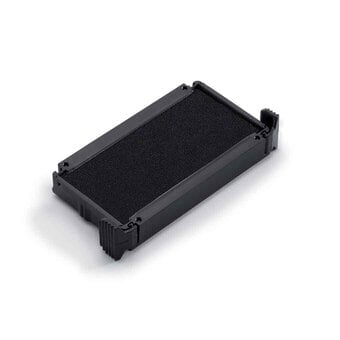
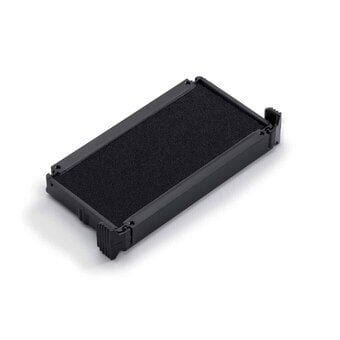
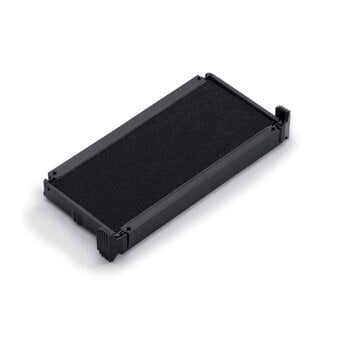
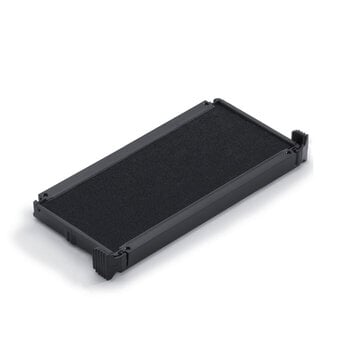
Stamp Ink

Discover the perfect ink stamps for all your professional and personal needs with Otypo's comprehensive collection. From quick-drying water-based formulations to archival-quality permanent inks, our stamp inks deliver consistent, reliable results for offices, legal practices, and creative projects across the UK.
Show more...
starting at £4.30
View our products

87  products
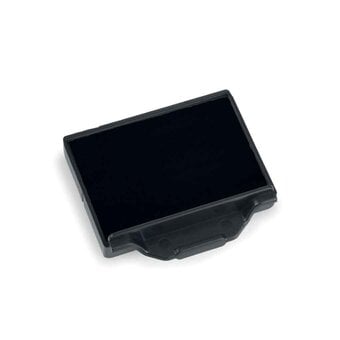
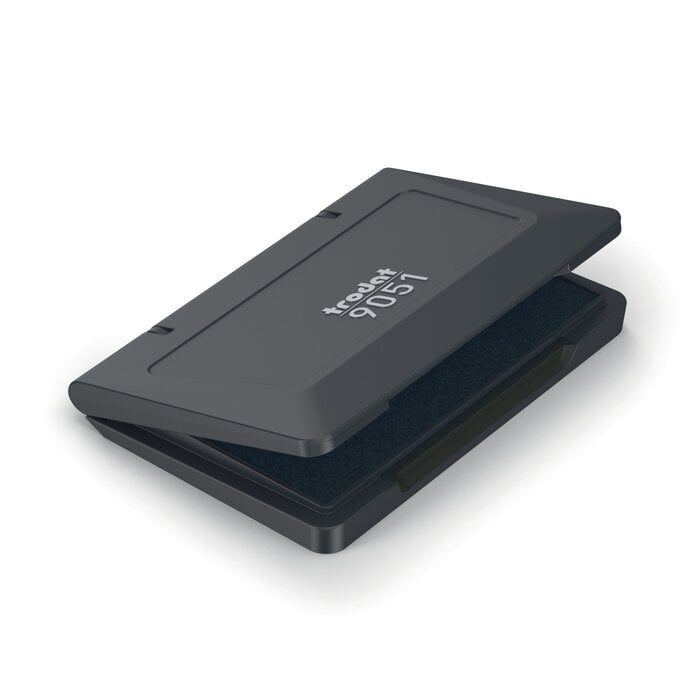
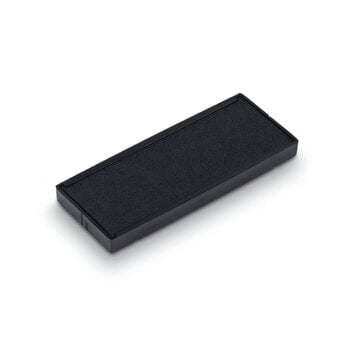
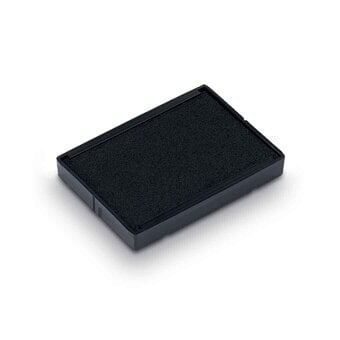
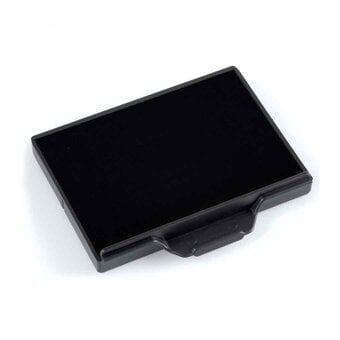
Manual stamp pad Trodat 9051

Manual stamp pad Trodat 9051

90 x 50 mm - 6 colors available
£5.75
view details
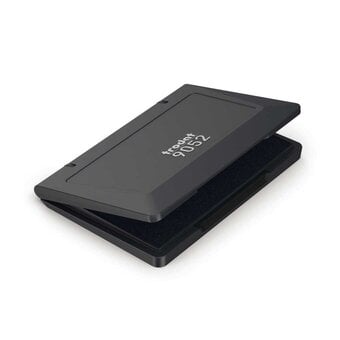
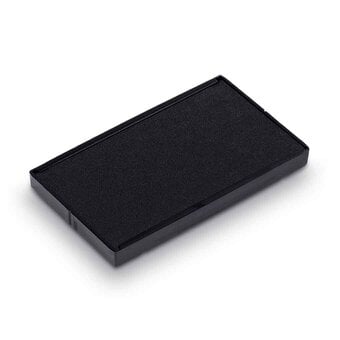
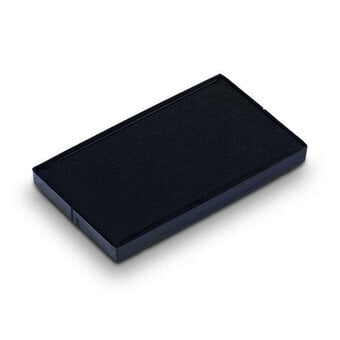
Manual Stamp Pad Trodat 9052

Manual Stamp Pad Trodat 9052

110 x 70 mm - 6 colors available
£8.25
view details
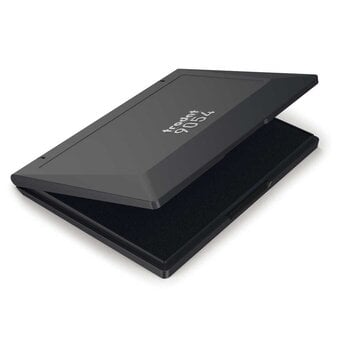
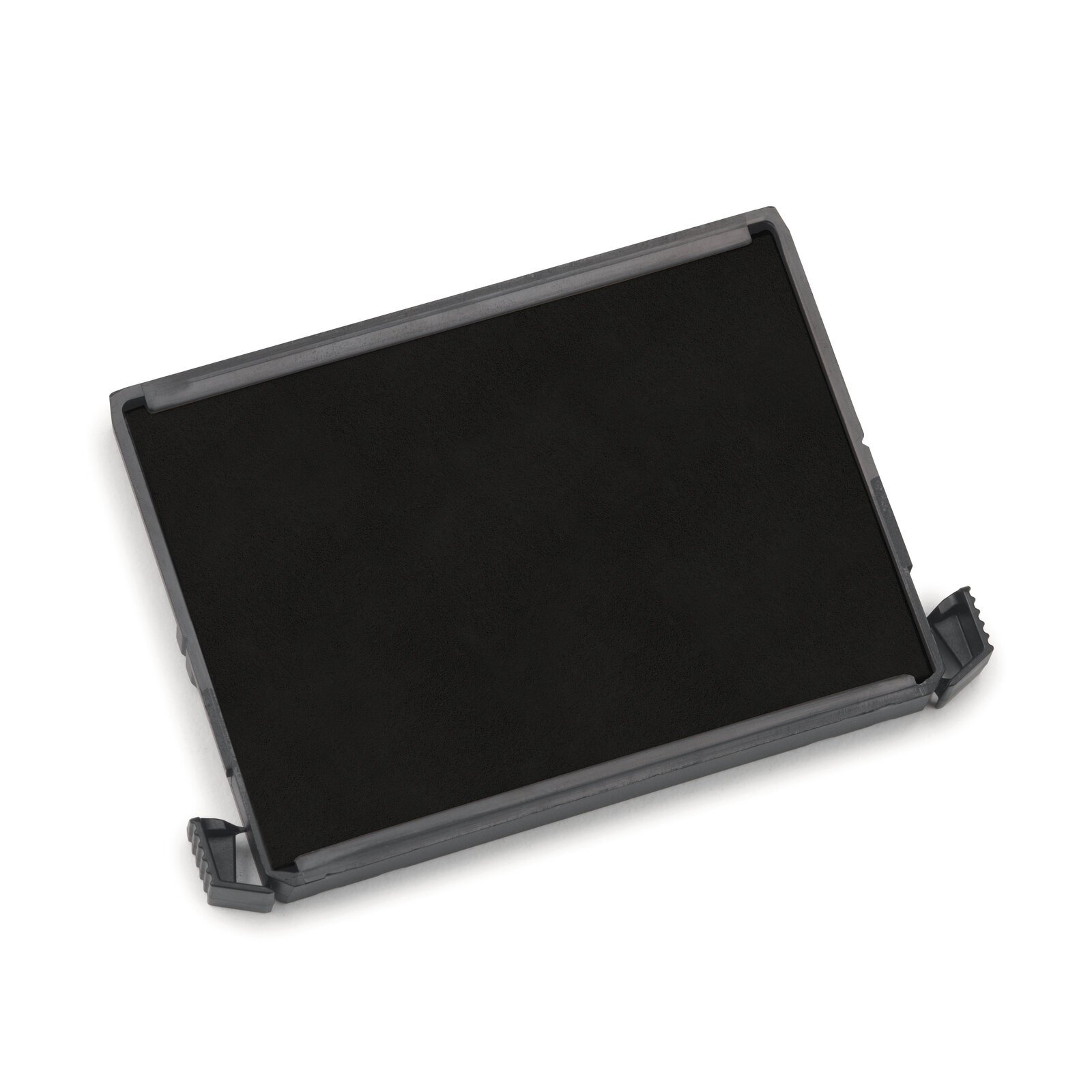
Manual Stamp Pad Trodat 9054

Manual Stamp Pad Trodat 9054

210 x 148 mm - 6 colors available
£20.75
view details
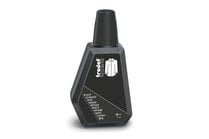
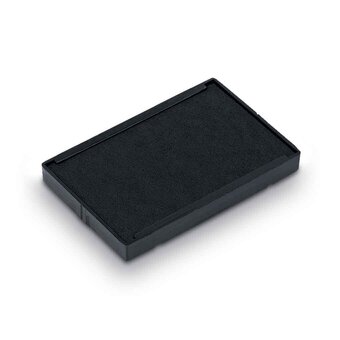
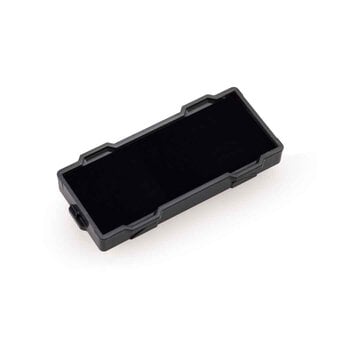
Stamp Ink Trodat 7011 28 ml

Stamp Ink Trodat 7011 28 ml

28 ml - 5 colors available
£5.75
view details
fast shipping
fast shipping
Express 24h or free shipping from £60.00
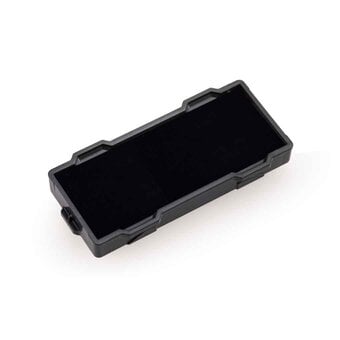
Trodat Printy 7750 stamp ink

Trodat Printy 7750 stamp ink

28 ml - 1 color available
£8.25
view details
Food Labelling 50 ml

Food Labelling 50 ml

50 ml - 1 color available
£13.25
view details
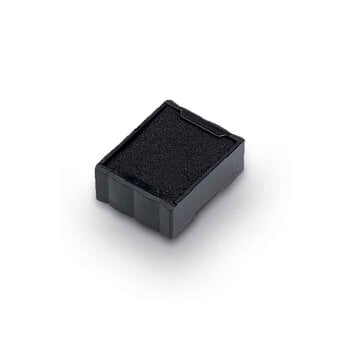
Printy 4907 ink

Printy 4907 ink

5 colors available
£3.58
view details
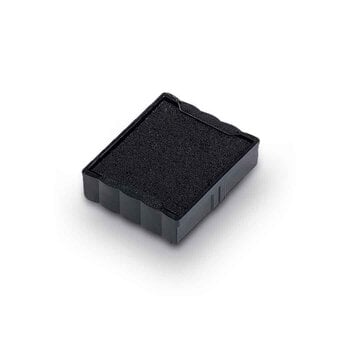
Printy 4910 ink

Printy 4910 ink

5 colors available
£3.58
view details
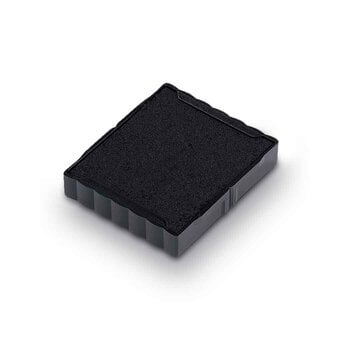
Printy 4911 ink

Printy 4911 ink

6 colors available
£3.58
view details
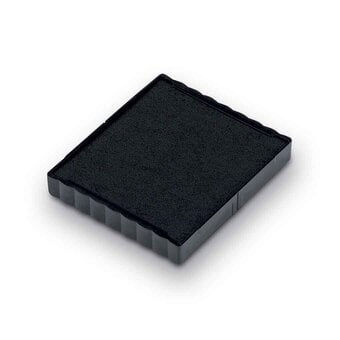
Printy 4912 ink

Printy 4912 ink

5 colors available
£3.58
view details
volume pricing
volume pricing
auto-applied from 2 stamps up to -20%
Show more

What's the difference between water-based and pigment-based stamp inks?

Water-based and pigment-based stamp inks serve different purposes and offer distinct advantages for UK businesses.

Water-based inks are the most versatile option for everyday office use:

  • Quick-drying properties (typically 10-15 seconds)
  • Non-toxic composition ensuring workplace safety compliance
  • Low odour profile for comfortable working conditions
  • Easy cleanup with soap and water
  • Environmentally friendly with biodegradable components

Pigment-based inks are engineered for archival and professional applications:

  • Superior longevity and fade resistance
  • Ideal for legal documents and medical records
  • Resist UV degradation and environmental challenges
  • Maintain integrity for decades
  • Often required for compliance in regulated industries

Choose water-based inks for general office stamping, and pigment-based inks when document permanence and archival quality are essential.

How do I know which ink type is compatible with my self-inking stamp?

Selecting compatible ink for your self-inking stamp is crucial for optimal performance and equipment longevity.

Key compatibility factors to consider:

  • Ink viscosity must allow proper flow from internal pad to die surface
  • Formulation should be fluid enough for transfer but thick enough to prevent bleeding
  • Follow manufacturer-specific ink recommendations when available
  • Consider the stamp's internal pad system design

Best practices for compatibility:

  • Check your stamp manufacturer's guidelines for recommended ink types
  • Ensure the ink maintains consistent flow properties
  • Avoid inks that are too thin (causing smudging) or too thick (preventing proper transfer)
  • Test compatibility with a small amount before full refilling

Most self-inking stamps work best with specially formulated inks designed for their internal mechanisms. When in doubt, consult the stamp manufacturer or choose inks specifically labelled for self-inking systems.

Are there non-toxic stamp ink options suitable for office environments?

Yes, non-toxic stamp inks are widely available and have become the standard for UK office environments, prioritising both safety and performance.

Safety features of non-toxic stamp inks:

  • Eliminate heavy metals and harmful solvents
  • Comply with UK workplace safety standards
  • Suitable for environments with children or sensitive individuals
  • Rarely cause allergic reactions among staff
  • Meet stringent safety requirements for schools and healthcare facilities

Environmental and health benefits:

  • Biodegradable formulations reduce environmental impact
  • Avoid volatile organic compounds (VOCs) that affect indoor air quality
  • Incorporate renewable raw materials in many formulations
  • Carry recognised environmental certifications

Performance characteristics:

  • Maintain professional print quality
  • Quick-drying properties for efficient office use
  • Available in various colours for different applications

Many UK businesses specifically require non-toxic inks as part of their procurement policies, making them an excellent choice for responsible office environments.

How should I store my stamp ink to maintain optimal performance?

Proper storage is essential for maintaining stamp ink quality and extending its useful life, particularly important for UK businesses with varying seasonal temperatures.

Optimal storage conditions:

  • Store at room temperature between 15-25°C
  • Keep away from direct sunlight and heat sources
  • Maintain containers tightly sealed to prevent evaporation
  • Store in climate-controlled environments when possible
  • Avoid extreme temperature fluctuations

Storage best practices:

  • Keep ink containers upright to prevent leakage
  • Label containers with purchase dates for rotation
  • Store different ink types separately to avoid contamination
  • Ensure storage area is clean and dust-free
  • Check seals regularly for proper closure

Signs of improper storage:

  • Changes in ink viscosity or consistency
  • Separation of ink components
  • Unusual odours or discolouration
  • Reduced print quality or coverage

Following these storage guidelines helps ensure consistent performance throughout seasonal temperature variations and maximises the value of your stamp ink investment.

Can I use the same stamp ink for both legal documents and general office use?

While some stamp inks can serve multiple purposes, legal documents often require specific ink formulations that differ from general office applications.

Legal document requirements:

  • Archival-quality inks that resist fading over decades
  • Acid-free formulations preventing yellowing and deterioration
  • Compliance with specific regulatory standards
  • Ability to withstand photocopying and scanning processes
  • Permanent formulations that resist water damage and chemical degradation

General office ink characteristics:

  • Quick-drying for efficient workflow
  • Cost-effective for high-volume applications
  • Easy cleanup and maintenance
  • Versatile colour options for various purposes

Recommended approach:

  • Use archival-quality inks for legal documents, wills, property deeds, and medical records
  • Choose water-based inks for routine office stamping, invoices, and correspondence
  • Consider maintaining separate stamps for different applications
  • Verify regulatory requirements for your specific industry

Many UK legal practices and regulated industries specify particular ink types for compliance, so it's essential to understand your specific requirements before making a selection.

When it comes to professional document authentication, business branding, or creative projects, ink stamps remain an indispensable tool across the UK. Whether you're running a solicitor's office in Manchester, managing a craft workshop in Edinburgh, or operating a busy GP practice in Cardiff, the right stamp ink can make all the difference between crisp, professional impressions and frustrating smudges. At Otypo, we understand that choosing the perfect ink stamp solution isn't just about functionality—it's about reliability, quality, and the confidence that comes with European craftsmanship backed by over 60 years of expertise.

The world of stamp inks has evolved considerably, offering everything from eco-friendly water-based formulations to archival-quality pigment inks that meet the stringent requirements of legal documentation. Today's UK professionals expect more than just basic functionality; they demand inks that deliver consistent performance, comply with safety standards, and align with environmental responsibilities. This comprehensive guide will help you navigate the various options available, understand the technical differences that matter, and make informed decisions that serve your specific needs.

Understanding different types of stamp ink for UK applications

The foundation of any successful stamping operation lies in selecting the appropriate ink formulation for your specific requirements. Modern stamp ink technology offers several distinct categories, each engineered to excel in particular applications and environments. Understanding these differences is crucial for achieving optimal results, whether you're authenticating legal documents or adding personalised touches to craft projects.

Water-based inks represent the most versatile and widely-used category in today's market. These formulations excel in office environments where safety and ease of use are paramount. Their quick-drying properties make them ideal for high-volume applications, whilst their non-toxic composition ensures compliance with workplace safety standards. Many UK businesses prefer water-based options for their environmental credentials and the fact that they rarely cause allergic reactions among staff members.

Pigment-based inks offer superior longevity and fade resistance, making them the preferred choice for archival applications. Legal practices, medical facilities, and government offices often specify pigment inks for documents that must remain legible for decades. These formulations suspend colour particles in a carrier medium, creating impressions that resist UV degradation and maintain their integrity even when exposed to challenging environmental conditions.

Water-based stamp inks for everyday business use

The popularity of water-based stamp inks stems from their remarkable versatility and user-friendly characteristics. These formulations dry rapidly on most paper surfaces, typically within 10-15 seconds, making them perfect for busy office environments where efficiency matters. Their low odour profile ensures comfortable working conditions, whilst their easy cleanup properties mean that accidental spills or smudges can be addressed quickly with simple soap and water.

For businesses concerned about environmental impact, water-based inks offer significant advantages. Many formulations now incorporate biodegradable components and avoid volatile organic compounds (VOCs) that can contribute to indoor air pollution. This makes them particularly suitable for schools, healthcare facilities, and other environments where air quality is a priority concern.

Permanent and archival inks for professional documentation

When document integrity is non-negotiable, permanent and archival inks provide the reliability that UK professionals demand. These specialised formulations are engineered to resist fading, water damage, and chemical degradation over extended periods. Legal documents, medical records, and official certifications often require inks that meet specific archival standards, ensuring that important information remains accessible for future reference.

Archival inks typically feature acid-free formulations that prevent the yellowing and deterioration commonly associated with standard inks over time. This characteristic is particularly important for documents that may be stored for decades, such as wills, property deeds, or medical histories. Many UK regulatory bodies specify archival-quality inks for certain types of official documentation, making them essential for compliance in regulated industries.

Choosing the right ink for your stamp type and mechanism

The compatibility between your stamp mechanism and ink type significantly impacts both performance and longevity. Self-inking stamps, traditional rubber stamps, and pre-inked stamps each have specific requirements that must be considered when selecting appropriate ink formulations. Understanding these relationships helps ensure optimal performance and prevents costly mistakes that could damage equipment or compromise print quality.
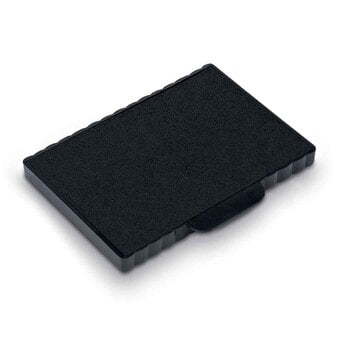
Self-inking stamps utilise an internal ink pad system that automatically re-inks the die with each impression. These mechanisms work best with inks that maintain consistent viscosity and flow properties. The ink must be fluid enough to transfer effectively from the internal pad to the die surface, yet thick enough to prevent excessive bleeding or smudging. Most manufacturers recommend specific ink formulations for their self-inking systems, and following these guidelines typically yields the best results.

Traditional rubber stamps paired with separate ink pads offer greater flexibility in ink selection but require more careful consideration of compatibility factors. The porosity of the stamp material, the absorption characteristics of the ink pad, and the intended application surface all influence the optimal ink choice. Many UK businesses appreciate this flexibility, as it allows them to customise their setup for specific applications whilst maintaining cost-effective operations.

Pre-inked stamps present unique considerations, as the ink is embedded directly within the stamp material during manufacturing. These stamps typically use specialised oil-based inks that penetrate the stamp matrix and provide thousands of clear impressions before requiring re-inking. The re-inking process requires compatible formulations that can properly saturate the stamp material without causing swelling or degradation.

Ink colour options and their professional applications across UK industries

Colour selection in professional stamping extends far beyond aesthetic preferences, often carrying regulatory significance and practical implications. Different UK industries have established conventions and requirements regarding ink colours for specific applications. Understanding these standards helps ensure compliance whilst maximising the effectiveness of your stamping operations.

Black ink remains the most widely specified colour for official documentation, legal papers, and formal business correspondence. Its high contrast against white paper ensures excellent readability, whilst its professional appearance meets the expectations of clients and regulatory bodies. Many UK legal practices exclusively use black ink for document authentication, as it photographs well and maintains clarity when documents are copied or scanned.

Blue ink serves specific purposes in many professional contexts, particularly where original signatures or stamps must be distinguished from photocopies. Banks, insurance companies, and government offices often require blue ink for certain applications, as it provides clear evidence that a document is an original rather than a reproduction. This distinction can be crucial in legal proceedings or audit situations.

Red ink carries particular significance in many UK industries, often used for urgent notices, corrections, or special annotations. Medical facilities frequently use red stamps for allergy warnings or critical patient information, whilst educational institutions may employ red ink for grading or administrative purposes. However, some organisations restrict red ink usage to specific roles or applications, making it important to understand internal policies before selection.

Speciality colours including green, purple, and custom formulations serve niche applications across various sectors. Environmental organisations might choose green ink to reinforce their ecological messaging, whilst creative industries often utilise custom colours for branding purposes. Otypo's extensive colour matching capabilities ensure that organisations can achieve precise colour coordination with their corporate identity requirements.

Stamp ink safety and environmental considerations for UK workplaces

Modern UK workplaces increasingly prioritise safety and environmental responsibility, making ink formulation an important consideration for procurement decisions. Contemporary stamp ink technology has evolved to address these concerns whilst maintaining the performance characteristics that professionals demand. Understanding safety profiles and environmental impacts helps organisations make informed choices that align with their values and regulatory obligations.

Non-toxic formulations have become the standard for most commercial stamp inks, eliminating concerns about workplace exposure and making them suitable for environments where children or sensitive individuals may be present. These formulations avoid heavy metals, harmful solvents, and other substances that could pose health risks. Many UK schools and healthcare facilities specifically require non-toxic inks as part of their procurement policies.

Eco-friendly options extend beyond basic safety considerations to address broader environmental concerns. Biodegradable inks break down naturally after disposal, reducing long-term environmental impact. Some formulations incorporate renewable raw materials or recycled components, appealing to organisations with strong sustainability commitments. These options often carry recognised environmental certifications that help demonstrate corporate responsibility.

Proper storage and handling procedures ensure both safety and performance optimisation. Most stamp inks should be stored at room temperature away from direct sunlight, with containers kept tightly sealed to prevent evaporation. Understanding these requirements helps maintain ink quality whilst ensuring workplace safety standards are met consistently.

Maintenance and storage of stamp ink for optimal performance

Proper maintenance and storage practices significantly extend the lifespan of stamp inks whilst ensuring consistent performance throughout their useful life. UK businesses that implement systematic maintenance procedures often achieve better value from their stamping investments whilst reducing the frequency of replacement purchases. These practices are particularly important in environments where stamps see heavy daily use.

Storage conditions play a crucial role in maintaining ink quality over time. Most formulations perform best when stored at temperatures between 15-25°C, away from direct sunlight and heat sources. Extreme temperatures can alter ink viscosity, affecting flow characteristics and print quality. Many UK offices find that storing inks in climate-controlled environments helps maintain consistent performance throughout seasonal temperature variations.

Regular cleaning procedures prevent ink buildup and contamination that can compromise print quality. Self-inking stamps benefit from periodic cleaning of the die surface using appropriate solvents or cleaning solutions. Traditional rubber stamps should be cleaned after each use session to prevent ink from hardening on the stamp surface. These simple maintenance steps often extend stamp life significantly whilst ensuring consistently clear impressions.

Troubleshooting common ink problems requires understanding the underlying causes and appropriate remedial actions. Fading impressions might indicate low ink levels, requiring refilling or pad replacement. Smudging could result from excessive ink application or incompatible paper surfaces. Uneven coverage often suggests maintenance issues or improper ink distribution. Addressing these problems promptly prevents more serious complications and maintains operational efficiency.

Professional stamp ink applications across UK business sectors

Different UK business sectors have developed specific requirements and preferences regarding stamp ink applications, reflecting the unique demands of their operational environments. Understanding these sector-specific needs helps organisations select appropriate solutions whilst ensuring compliance with industry standards and customer expectations.

Legal practices require inks that meet stringent archival standards whilst providing clear, professional impressions for document authentication. Many UK law firms specify fade-resistant formulations that maintain legibility for decades, ensuring that important documents remain valid throughout their required retention periods. The ability to withstand photocopying and scanning processes is also crucial, as legal documents frequently undergo reproduction for various purposes.

Healthcare facilities prioritise safety and hygiene considerations alongside performance requirements. Non-toxic, antimicrobial inks are increasingly popular in medical environments, where contamination prevention is paramount. Quick-drying formulations help prevent smudging on patient records, whilst water-resistant properties ensure that important information remains legible even if documents are exposed to moisture.

Educational institutions often require versatile inks that can handle high-volume applications whilst maintaining safety standards appropriate for environments where children are present. Cost-effectiveness is typically a key consideration, making refillable systems and economical ink formulations particularly attractive. Many UK schools also prioritise eco-friendly options as part of their environmental education initiatives.

Small businesses across the UK benefit from customisable stamping solutions that enhance their professional image whilst streamlining administrative processes. Return address stamps, invoice authentication, and branding applications all require reliable inks that deliver consistent results. The ability to match corporate colours through custom ink formulations helps maintain brand consistency across all business communications.

When selecting the ideal ink stamps solution for your UK business, the key lies in understanding your specific requirements and matching them with appropriate formulations and mechanisms. Whether you need archival-quality inks for legal documentation, eco-friendly options for environmentally conscious operations, or high-volume solutions for busy administrative environments, the right choice depends on careful consideration of performance characteristics, safety requirements, and long-term value.

Otypo's commitment to European quality and innovation ensures that UK businesses have access to stamp ink solutions that meet the highest standards of performance and reliability. Our extensive experience in customisation and rapid delivery capabilities mean that you can achieve professional results without compromising on convenience or quality. With proper selection, maintenance, and application, quality stamp inks provide years of dependable service whilst enhancing the professional image of your organisation.

Read more...
Quote on requestCustom quotes available for bulk or special requests
Secure paymentSecure payment via card or PayPal
Free shippingFree delivery from £60
Volume discountsUp to 20% off with volume discounts!
Custom productsCreate your own product easily with our online editor
Quote on requestCustom quotes available for bulk or special requests
Secure paymentSecure payment via card or PayPal
Free shippingFree delivery from £60
Volume discountsUp to 20% off with volume discounts!
Custom productsCreate your own product easily with our online editor