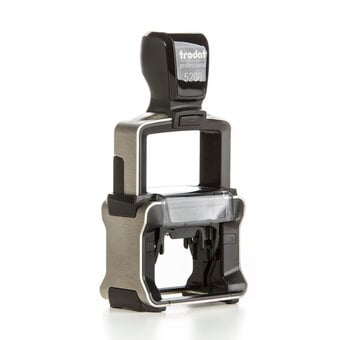
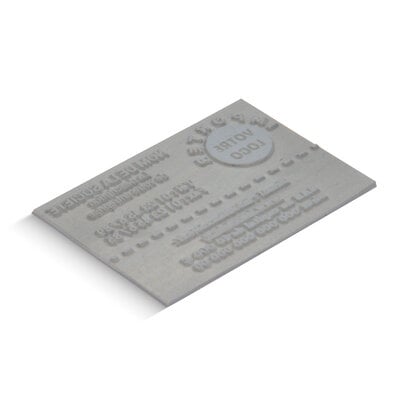
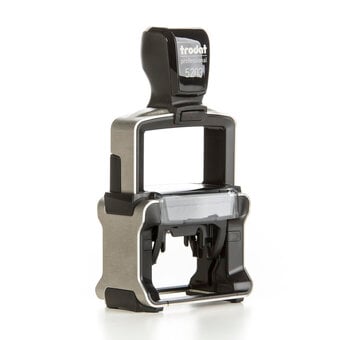
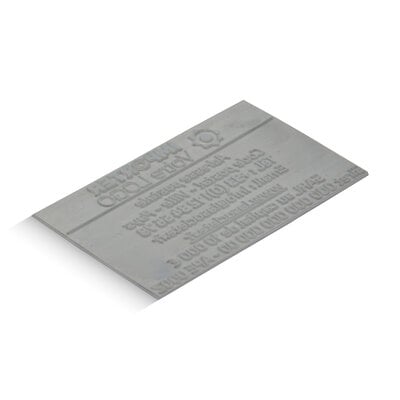
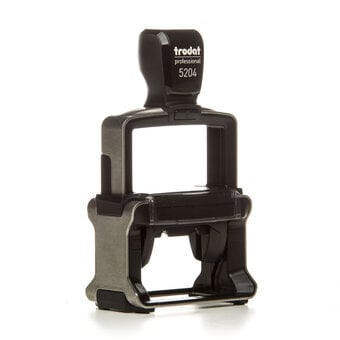
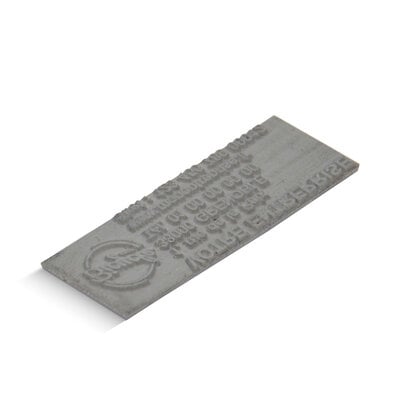
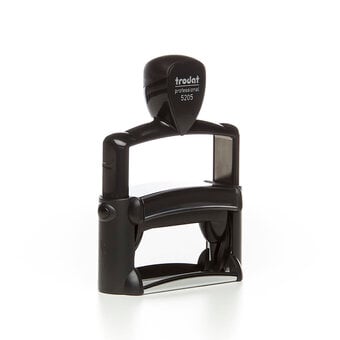
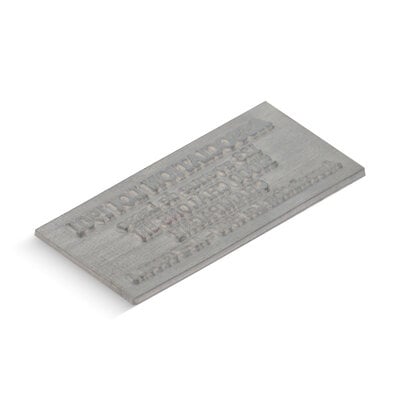
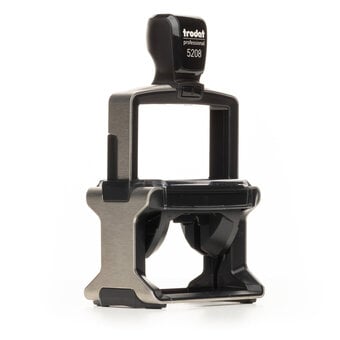
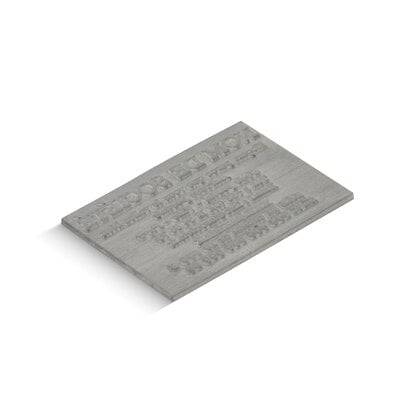
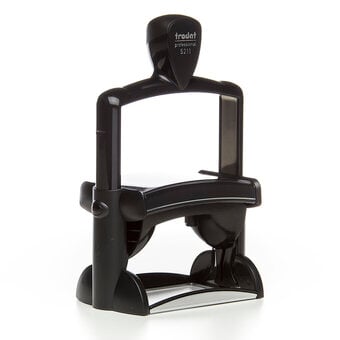
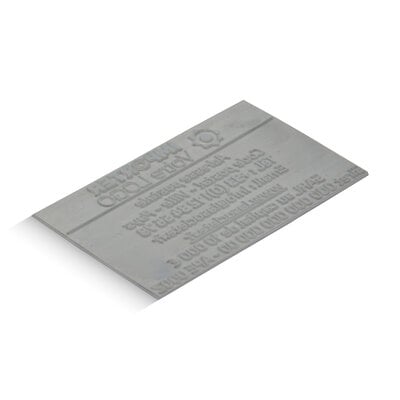
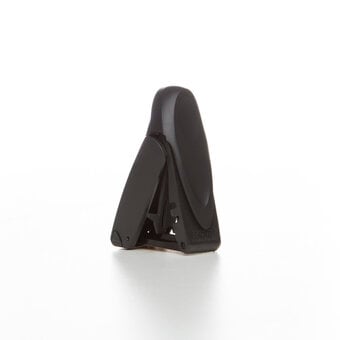
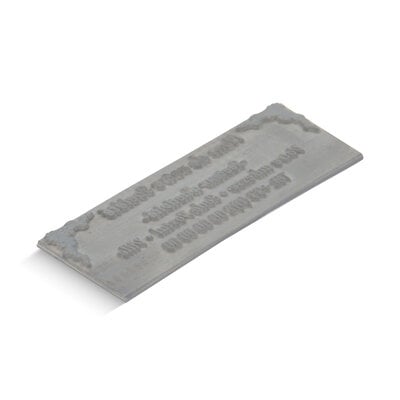
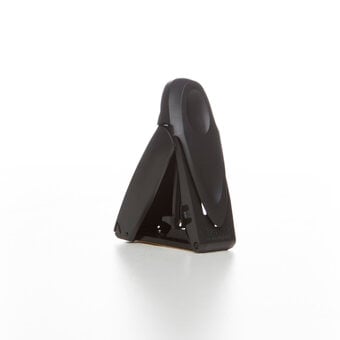
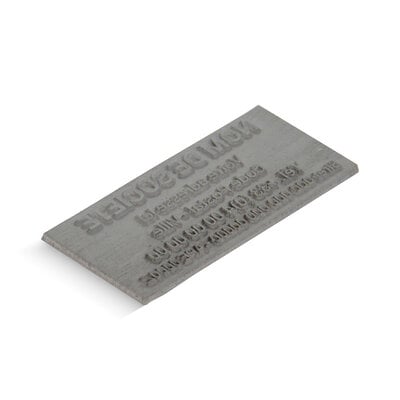
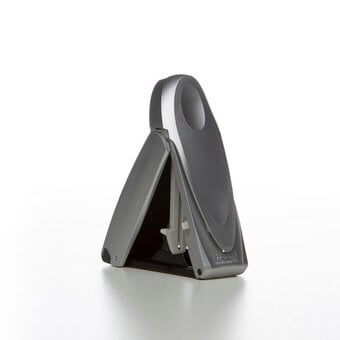
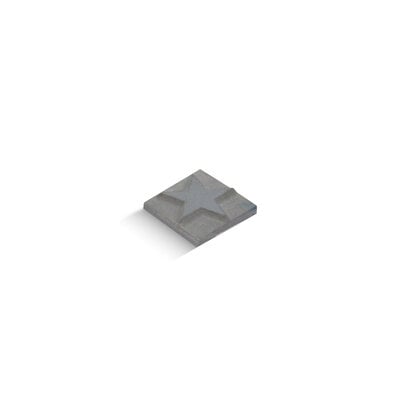
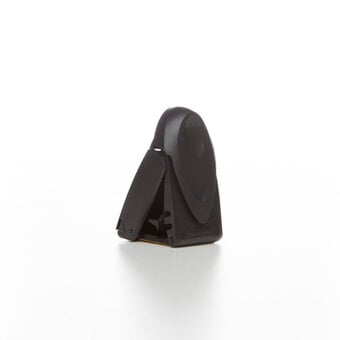
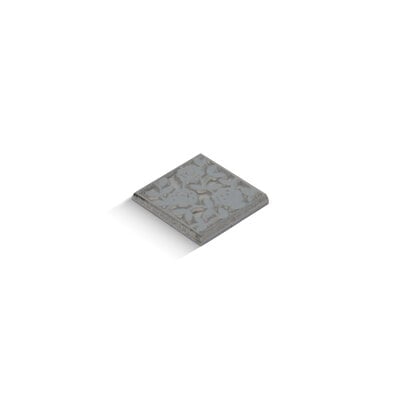
Rubber Stamp Dies

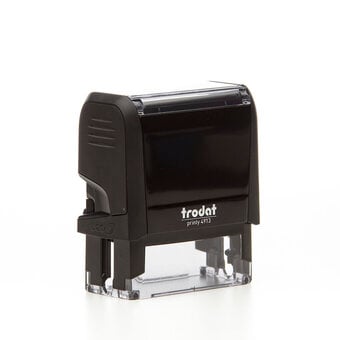
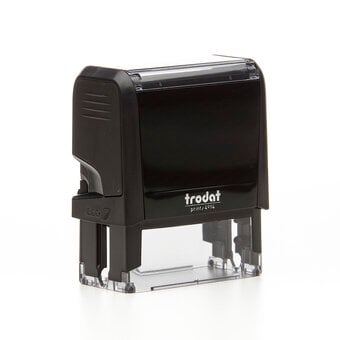
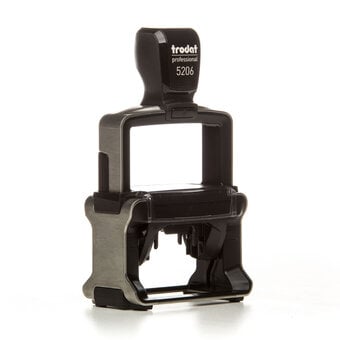
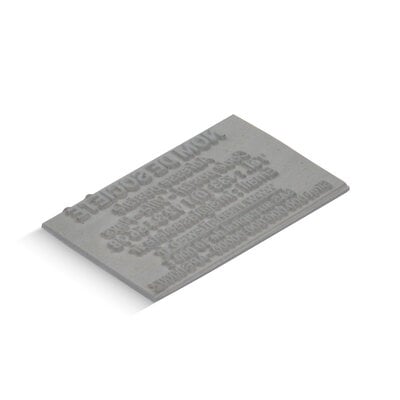
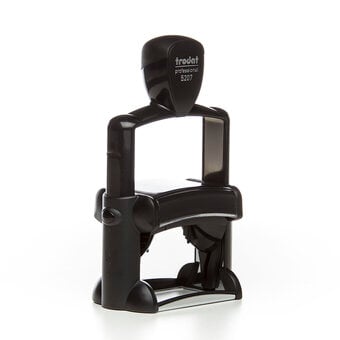
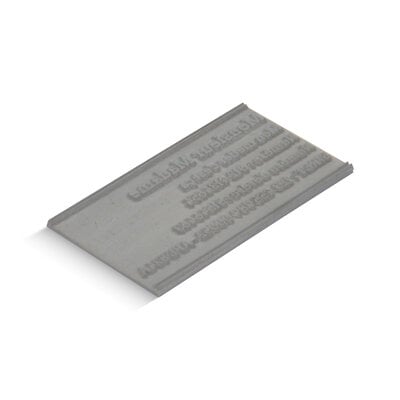
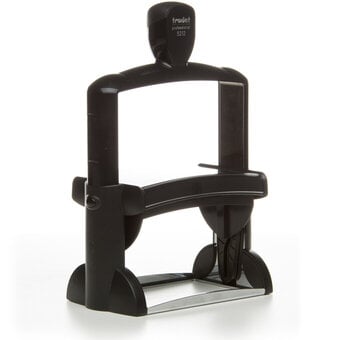
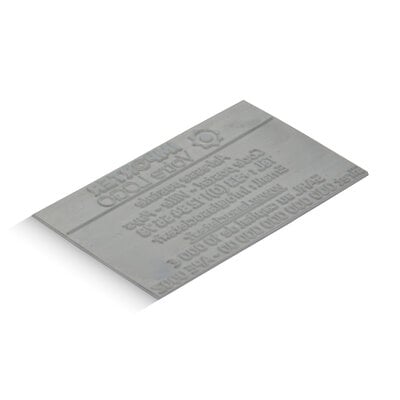
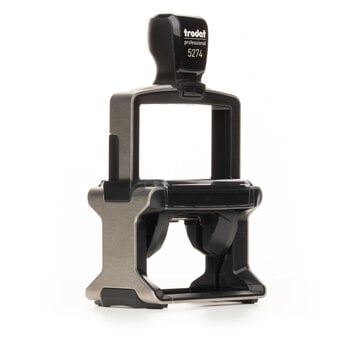
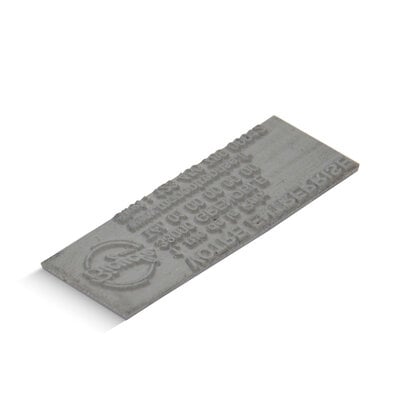
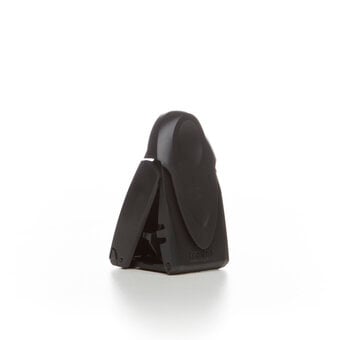
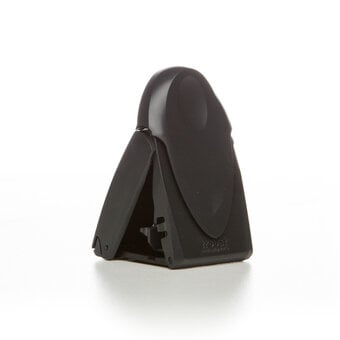
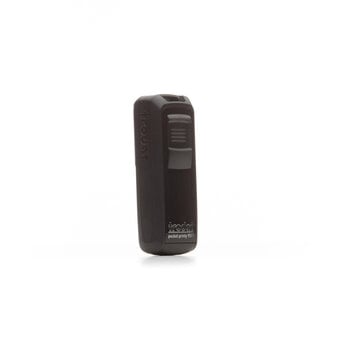
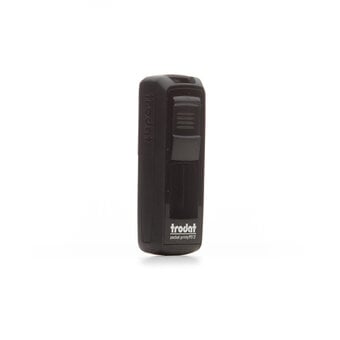
When your business stamp starts producing faded impressions or incomplete text, rubber stamp dies offer the perfect solution for restoring professional quality without replacing your entire stamping system. These precision-engineered replacement components serve as the heart of any stamp, delivering thousands of crisp impressions while maintaining exceptional detail and durability for all your business documentation needs.
Show more...
starting at £9.96
View our products
53  products
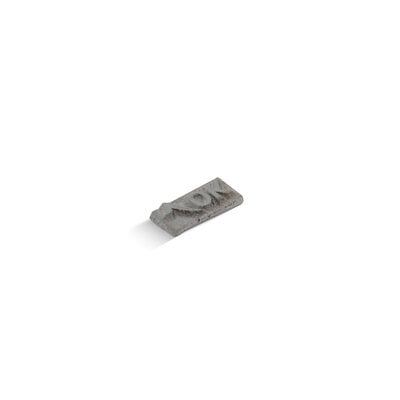
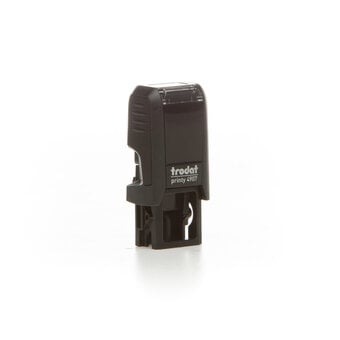
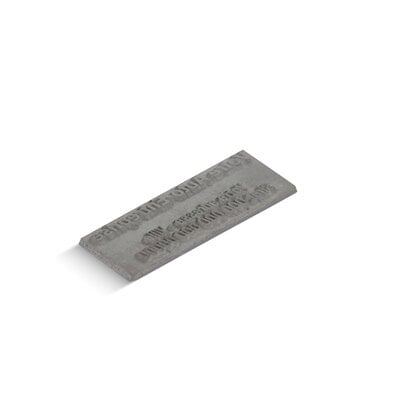
Printy 4907 stamp imprint

Printy 4907 stamp imprint

13 x 6 mm - up to 2 lines
£8.30
view details
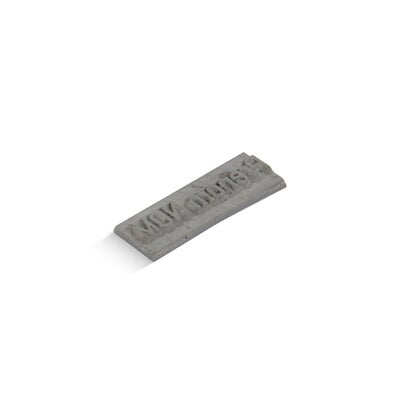
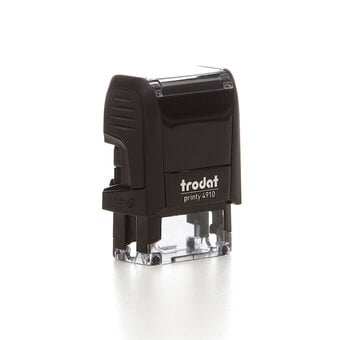
Printy 4910 stamp imprint

Printy 4910 stamp imprint

26 x 9 mm - up to 3 lines
£8.60
view details
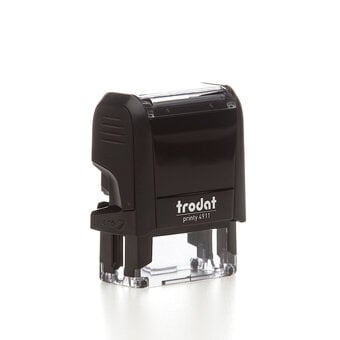
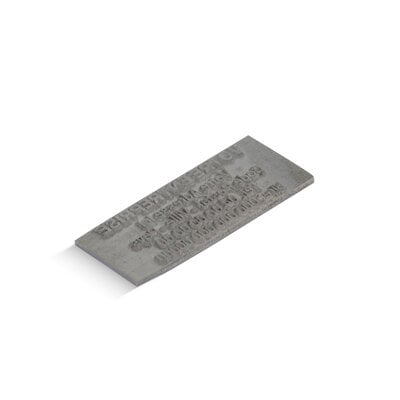
Printy 4911 stamp imprint

Printy 4911 stamp imprint

38 x 14 mm - up to 5 lines
£9.40
view details
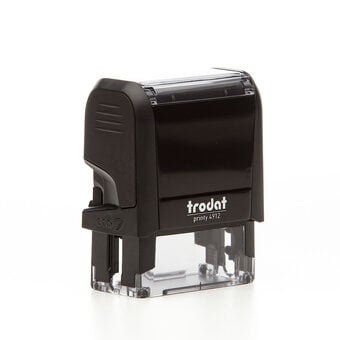
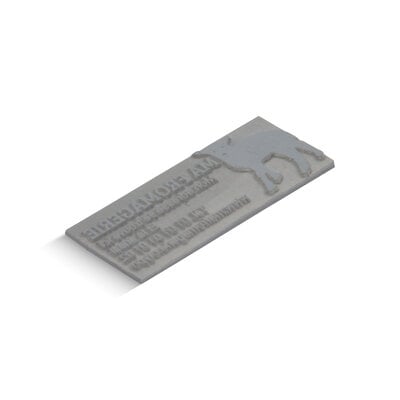
Printy 4912 stamp imprint

Printy 4912 stamp imprint

47 x 18 mm - up to 7 lines
£10.10
view details
fast shipping
fast shipping
Express 24h or free shipping from £60.00
Printy 4913 stamp imprint

Printy 4913 stamp imprint

58 x 22 mm - up to 8 lines
£11.20
view details
Printy 4914 stamp imprint

Printy 4914 stamp imprint

64 x 24 mm - up to 9 lines
£11.80
view details
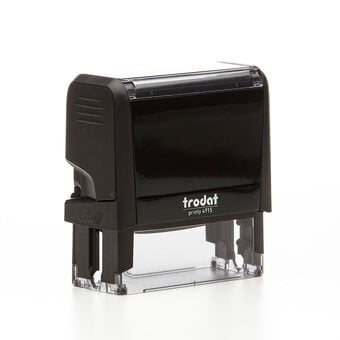
Printy 4915 stamp imprint

Printy 4915 stamp imprint

70 x 25 mm - up to 10 lines
£12.30
view details
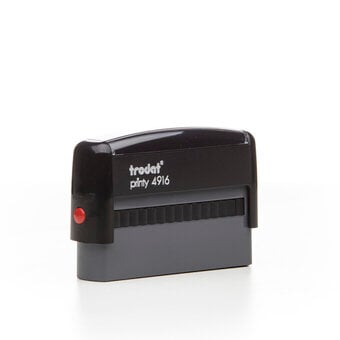
Printy 4916 stamp imprint

Printy 4916 stamp imprint

70 x 10 mm - up to 4 lines
£9.80
view details
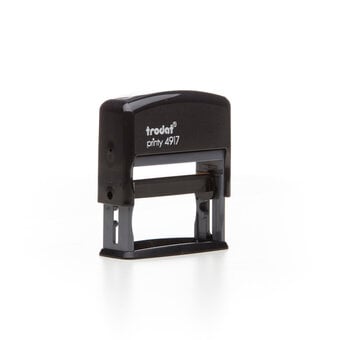
Printy 4917 stamp imprint

Printy 4917 stamp imprint

50 x 10 mm - up to 4 lines
£9.30
view details
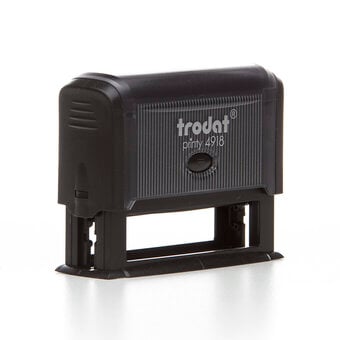
Printy 4918 stamp imprint

Printy 4918 stamp imprint

75 x 15 mm - up to 6 lines
£10.80
view details
volume pricing
volume pricing
auto-applied from 2 stamps up to -20%
Show more

Can I replace just the rubber die instead of buying a completely new stamp?

Yes, you can replace just the rubber stamp die without purchasing an entirely new stamp system. This is one of the most cost-effective solutions when your stamp starts producing faded impressions or incomplete text.

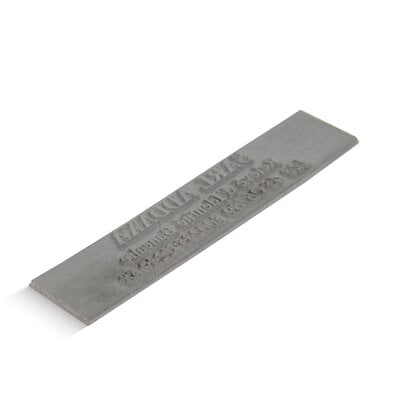
Rubber stamp dies are the engraved rubber plates that create your impressions, and they can be replaced individually while keeping your existing stamp handle, ink system, and mounting hardware. This approach typically costs 40-60% less than buying a complete new stamp.

The modular design of most stamping systems allows you to:

  • Keep your familiar stamp handle and mechanism
  • Maintain the same operational feel you're used to
  • Reduce waste by only replacing the worn component
  • Save money while restoring professional stamping quality

How do I know if my existing stamp system is compatible with replacement dies?

Most rubber stamp dies follow standardised mounting systems that ensure compatibility across different manufacturers and stamp types. However, checking your existing stamp's specifications helps guarantee proper fit and optimal performance.

To ensure compatibility:

  • Measure your current die's length, width, and thickness using a ruler or measuring tape
  • Check if your stamp uses universal mounting systems with adhesive backing or mechanical mounting
  • Note your stamp's manufacturer information, as some brands like Trodat or Colop may have specific requirements
  • Record the impression area dimensions to ensure your design fits within the available space

Universal mounting systems accommodate the majority of standard stamp sizes, from small date stamps to large address blocks. When ordering replacement dies, providing your current stamp's exact dimensions ensures perfect compatibility without trial-and-error fitting.

What file format and resolution do I need for custom logo designs on rubber stamp dies?

For optimal custom rubber stamp die quality, your artwork should meet specific technical requirements to ensure clear, professional results.

Required specifications include:

  • Resolution: Minimum 300 DPI for crisp engraving quality
  • File format: Vector graphics (such as AI, EPS, or PDF) often produce superior results compared to bitmap images
  • Design considerations: High-contrast, simplified versions work best since rubber stamps produce single-colour impressions

Design guidelines for optimal performance:

  • Text should be no smaller than 8-point type for clear legibility
  • Remove unnecessary fine details while preserving essential brand elements
  • Convert complex colour schemes to high-contrast, simplified versions
  • Consider how design elements will appear when physically stamped, as screen appearance may require adjustment

Vector graphics maintain crisp edges at any size and are highly recommended for logo reproduction on rubber stamp dies.

How long do professional-grade rubber stamp dies typically last with regular use?

Professional-grade rubber stamp dies are designed to withstand thousands of impressions while maintaining sharp detail and consistent quality. The lifespan depends on several factors including usage frequency, rubber quality, and maintenance practices.

Typical durability expectations:

  • Professional-grade compounds: Can produce thousands of clear impressions under heavy commercial use
  • Standard-grade rubber: Suitable for occasional use or low-volume applications with good longevity
  • Heavy-use environments: Legal offices, medical practices, and administrative departments may see wear within months of regular operation

Factors affecting die life:

  • Quality of rubber compounds used in manufacturing
  • Frequency and pressure of stamping operations
  • Proper maintenance and cleaning practices
  • Storage conditions and environmental factors

Signs it's time for replacement include faded impressions, incomplete text, or missing design elements. Regular cleaning and proper storage significantly extend die life while maintaining professional impression quality.

What's the difference between dies for self-inking stamps versus traditional wooden stamps?

Different stamp systems require specifically designed dies to ensure optimal performance and compatibility with their unique mechanisms.

Self-inking stamp dies:

  • Integrate seamlessly with built-in ink systems that automatically re-ink between impressions
  • Feature rubber formulation optimised to work with internal ink reservoirs
  • Prevent bleeding or smudging through compatible materials
  • Popular in office environments where speed and convenience matter most

Traditional wooden stamp dies:

  • Mount onto classic wooden handles for manual stamping control
  • Often feature slightly thicker rubber construction for firm impressions
  • Provide tactile satisfaction and precise pressure control
  • Particularly suited to craft applications, artistic projects, or situations requiring manual pressure variation

Pre-inked stamp dies represent a third category, working with stamps containing internal flash technology ink supplies that last for thousands of impressions. These require specific rubber compounds that interact properly with flash technology, ensuring even ink distribution and exceptional clarity for detailed designs.

When your business stamp starts producing faded impressions or incomplete text, the solution isn't always purchasing an entirely new stamp. Rubber stamp dies – the engraved rubber plates that create your impressions – can be replaced individually, offering a cost-effective way to restore professional stamping quality. These precision-engineered components serve as the heart of any stamping system, whether you're using traditional wooden handles, self-inking mechanisms, or pre-inked models.

Understanding rubber stamp dies becomes crucial when you're managing office documentation, legal paperwork, or creative projects that demand consistent, clear impressions. The die itself contains all your custom text, logos, or designs, laser-engraved into high-quality rubber that's designed to withstand thousands of impressions while maintaining sharp detail.
For UK businesses and individuals seeking reliable stamping solutions, replacement dies offer remarkable value compared to complete stamp purchases. Whether you're refreshing corporate branding, updating address details, or simply maintaining equipment that sees daily use, choosing the right die replacement ensures your professional image remains pristine without unnecessary expense.

Understanding rubber stamp dies and their essential role

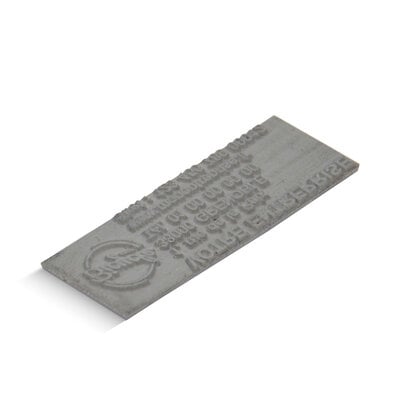
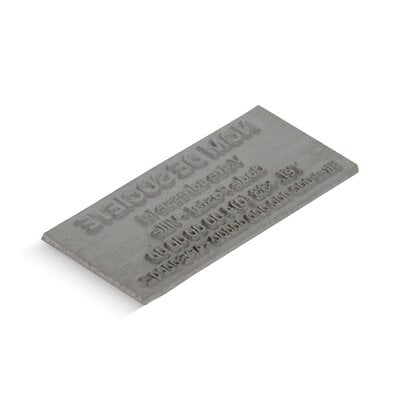
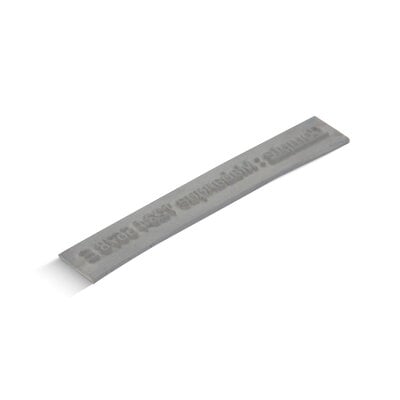
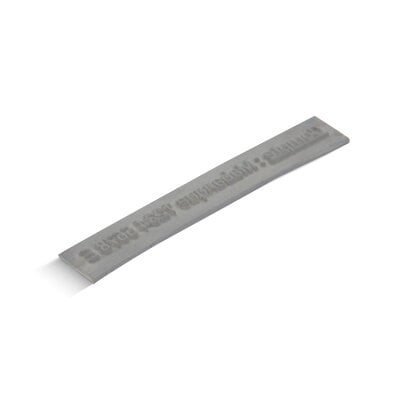
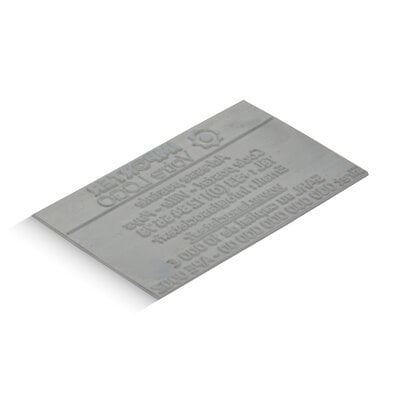
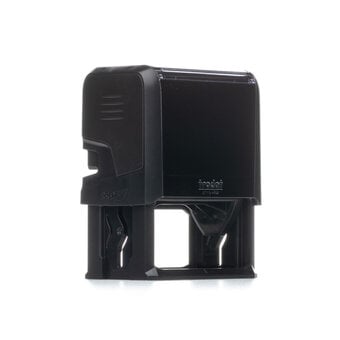
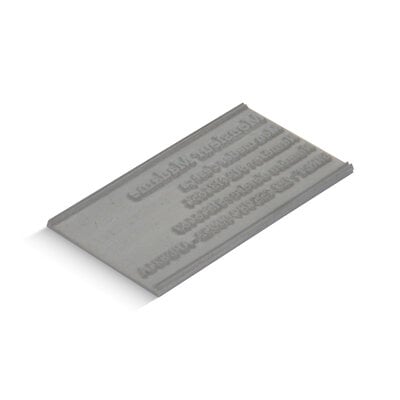
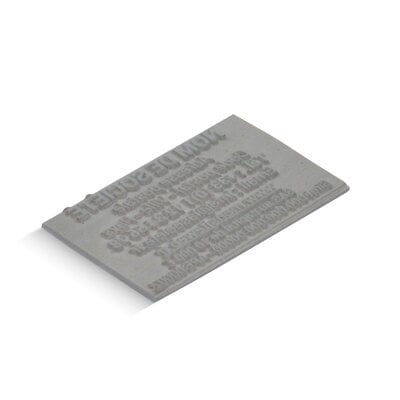
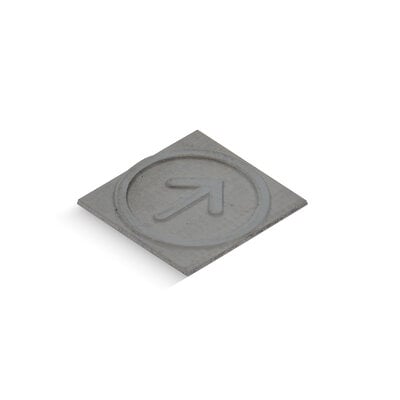
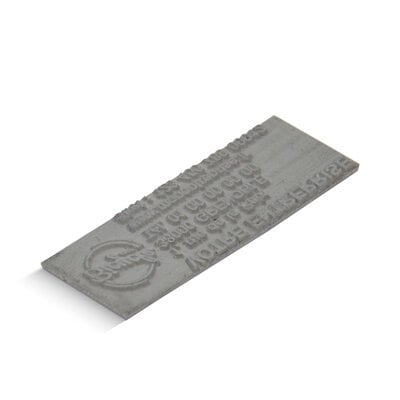
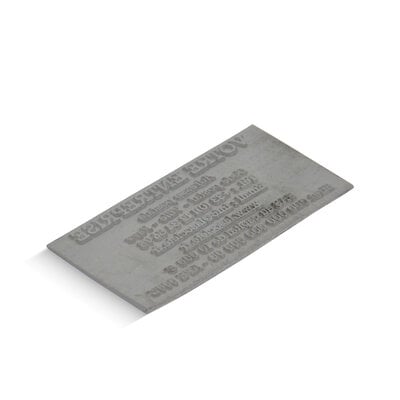
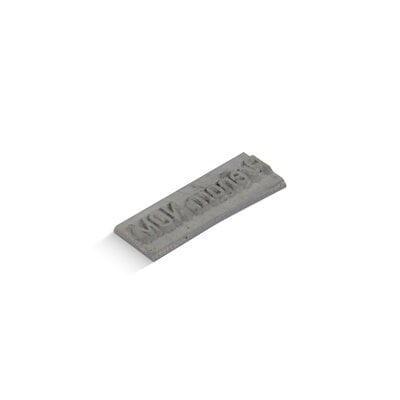
A rubber stamp die functions as the impression-creating component within your stamping system. Unlike complete stamps that include handles, ink systems, and mounting hardware, the die consists purely of the engraved rubber plate that transfers your design onto paper, packaging, or other surfaces. This modular approach allows for economical maintenance and updates without replacing entire stamping equipment.
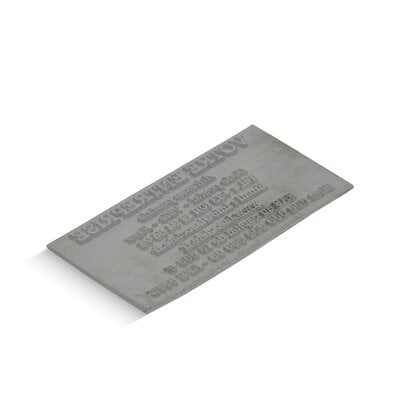
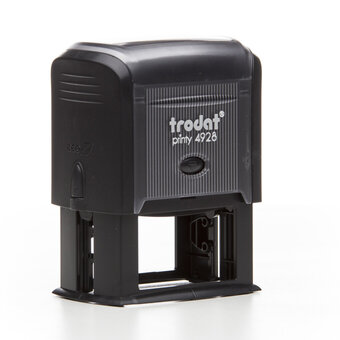
The manufacturing process involves laser engraving your custom design into specially formulated rubber compounds. These materials are selected for durability, flexibility, and ink compatibility, ensuring consistent performance across thousands of impressions. Professional-grade dies maintain their precision even under heavy commercial use, making them ideal for businesses that rely on frequent stamping operations.

Types of stamp dies for different applications

Self-inking stamp dies integrate seamlessly with built-in ink systems, automatically re-inking between impressions for clean, consistent results. These dies are particularly popular in office environments where speed and convenience matter most. The rubber formulation is optimised to work with internal ink reservoirs, preventing bleeding or smudging that can occur with incompatible materials.

Pre-inked stamp dies, sometimes called flash stamp dies, work with stamps containing internal ink supplies that last for thousands of impressions. These dies require specific rubber compounds that interact properly with flash technology, ensuring even ink distribution and preventing premature wear. They're excellent for detailed designs or small text that demands exceptional clarity.

Traditional wooden stamp dies mount onto classic wooden handles, offering the tactile satisfaction and control that many users prefer. These dies often feature slightly thicker rubber construction to provide the firm impression needed when stamping manually. They're particularly suited to craft applications, artistic projects, or situations where precise pressure control is important.

Recognising when stamp die replacement becomes necessary

Professional appearance standards demand crisp, complete impressions that reflect well on your business or organisation. When stamp dies begin showing wear, the quality degradation typically appears gradually, making it easy to overlook until impressions become genuinely problematic. Recognising early warning signs helps maintain consistent quality and prevents embarrassing documentation issues.

Faded impressions often indicate die wear, particularly around fine details or text edges. This occurs as the raised rubber surfaces gradually compress from repeated use, reducing the contact pressure needed for clear transfers. Heavy-use stamps in legal offices, medical practices, or administrative departments may show this wear pattern within months of regular operation.

Incomplete text or missing design elements suggest more serious die deterioration. When portions of your stamp impression consistently fail to appear, the rubber has likely developed permanent deformation or surface damage. This particularly affects stamps used with varying pressure or on different paper types, where inconsistent contact can accelerate wear patterns.

Cost benefits of die replacement versus new stamp purchase

Replacing just the rubber die typically costs 40-60% less than purchasing a complete new stamp system. This economic advantage becomes particularly significant for businesses maintaining multiple stamps or those requiring frequent updates to reflect changing information. The savings multiply when you consider that stamp handles, ink systems, and mounting hardware often remain perfectly functional long after the die requires replacement.

Environmental considerations also favour die replacement over complete stamp disposal. By retaining existing hardware and replacing only the worn component, you reduce waste while maintaining the familiar feel and operation of your established stamping equipment. This approach aligns with sustainable business practices increasingly valued by UK consumers and partners.

Compatibility considerations for existing stamp systems

Most rubber stamp dies follow standardised mounting systems that ensure compatibility across different manufacturers and stamp types. However, understanding your existing stamp's specifications helps guarantee proper fit and optimal performance. Measuring your current die provides the essential dimensions needed for accurate replacement ordering.

Universal mounting systems accommodate the majority of standard stamp sizes, from small date stamps to large address blocks. These systems typically use adhesive backing or mechanical mounting that works across various stamp body types. When ordering replacement dies, providing your current stamp's dimensions ensures perfect compatibility without trial-and-error fitting.

Brand-specific requirements occasionally apply to specialised stamp systems, particularly those from major manufacturers like Trodat or Colop. While most dies interchange freely, some proprietary mounting systems require specific die configurations. Checking your stamp's manufacturer information helps identify any special requirements before ordering.

Measuring existing dies for accurate replacements

Accurate measurement ensures your replacement die fits perfectly within your existing stamp body. Using a ruler or measuring tape, record the length, width, and thickness of your current die. These dimensions should match your replacement die specifications exactly to prevent fitting issues or performance problems.

The impression area – the actual stamping surface – may differ slightly from the overall die dimensions due to mounting borders or safety margins. When specifying your replacement die, focus on the active stamping area to ensure your design fits appropriately within the available space. This prevents unexpected cropping or scaling issues that could affect your stamp's appearance.

Custom rubber stamp dies for professional branding

Modern businesses increasingly recognise custom stamp dies as powerful branding tools that extend corporate identity across all documentation. From invoice stamping to package marking, custom rubber stamp dies provide consistent brand reinforcement at every customer touchpoint. The ability to incorporate logos, specific fonts, and unique design elements makes these dies valuable marketing investments.

Logo integration capabilities have advanced significantly with laser engraving technology. Complex designs that once required simplified versions for rubber stamping can now be reproduced with remarkable detail and clarity. This allows businesses to maintain brand consistency across digital and physical communications, reinforcing professional image through every stamped document.

Text customisation options extend beyond simple company names to include complete contact information, legal disclaimers, or certification marks. Modern die manufacturing accommodates multiple font styles, sizes, and arrangements within single dies, creating comprehensive stamping solutions that replace multiple individual stamps. This consolidation improves efficiency while ensuring consistent presentation.

Design guidelines for optimal stamp die performance

Successful custom die design balances visual impact with practical stamping requirements. Text should be sized appropriately for clear legibility – generally no smaller than 8-point type for standard office stamping. Larger text naturally produces clearer impressions and withstands more stamping cycles before showing wear.

Logo simplification often improves stamping results, particularly for designs with fine details or complex colour schemes. Since rubber stamps produce single-colour impressions, converting logos to high-contrast, simplified versions ensures better reproduction. Removing unnecessary detail while preserving essential brand elements creates dies that stamp clearly and consistently.

Resolution requirements for uploaded artwork typically specify 300 DPI minimum for optimal engraving quality. Vector graphics often produce superior results compared to bitmap images, as they maintain crisp edges at any size. When preparing artwork, consider how design elements will appear when stamped – what looks good on screen may require adjustment for physical reproduction.

Selecting appropriate materials and sizes for your needs

Rubber quality grades significantly impact die performance and longevity. Professional-grade compounds resist deformation, maintain flexibility across temperature ranges, and provide consistent ink transfer properties. These materials justify their higher cost through extended service life and superior impression quality, particularly important for high-volume commercial applications.

Standard-grade rubber serves well for occasional use or applications where ultimate durability isn't critical. These materials offer good performance at lower cost, making them suitable for personal use, craft projects, or low-volume business applications. Understanding your usage patterns helps determine the appropriate quality level for your specific needs.

Size selection depends on your stamping applications and available space on documents or packaging. Larger dies accommodate more information and create more prominent impressions, while smaller dies suit discrete marking or space-constrained applications. Consider both current needs and potential future requirements when selecting die dimensions.

Environmental factors affecting die performance

Temperature extremes can affect rubber die performance, particularly in storage areas or vehicles where stamps might be exposed to heat or cold. Quality rubber compounds maintain flexibility across normal UK temperature ranges, but extreme conditions may cause temporary hardening or softening that affects impression quality.

UV exposure gradually degrades rubber compounds, making storage in direct sunlight inadvisable for long-term die preservation. While normal office lighting poses no concerns, stamps stored in windows or outdoor applications may experience accelerated aging. Proper storage in drawers or cases protects dies from environmental damage.

Humidity levels in typical UK environments rarely affect quality rubber dies, but extreme moisture or dry conditions might influence performance. Maintaining stamps in normal office conditions ensures optimal performance and maximum service life from your investment.

Professional installation and maintenance practices

Installing replacement rubber stamp dies requires minimal tools and expertise, making it accessible for most users. The process typically involves removing the old die, cleaning the mounting surface, and securing the new die according to manufacturer instructions. Taking care during installation ensures proper alignment and optimal performance from your new die.

Cleaning the stamp body before installing a new die removes ink residue and debris that could interfere with proper mounting. A soft cloth and appropriate cleaning solution prepare the surface for optimal adhesion. This simple step prevents installation problems and ensures your new die performs as intended from the first impression.

Proper alignment becomes crucial for stamps containing text or logos that must appear straight and centred. Many stamp bodies include alignment guides or reference marks that help position dies correctly. Taking time to align properly during installation prevents crooked impressions that could affect your professional image.

Maintenance tips for extending die life

Regular cleaning prevents ink buildup that can clog fine details and reduce impression quality. Using appropriate cleaning solutions and soft brushes removes accumulated ink without damaging the rubber surface. This maintenance routine significantly extends die life while maintaining consistent impression quality.

Proper storage protects dies from environmental damage and accidental harm. Keeping stamps in protective cases or drawers prevents UV exposure, dust accumulation, and physical damage. Simple storage practices preserve your investment and ensure reliable performance when needed.

Rotation between multiple dies, when practical, allows each die to rest between heavy use periods. This practice particularly benefits high-volume applications where continuous use might cause premature wear. Having backup dies available ensures continuous operation while extending the service life of your primary stamping equipment.

Advantages of quality European rubber stamp dies

European manufacturing standards ensure consistent quality and performance in rubber stamp dies. These standards encompass material selection, manufacturing processes, and quality control measures that result in superior products. When you choose quality dies, you invest in reliability and performance that supports your professional image.

Advanced laser engraving technology produces exceptionally detailed and precise dies that maintain their quality through thousands of impressions. This technology allows for complex designs and fine text that would be impossible with traditional manufacturing methods. The result is professional-quality stamping that reflects well on your business or organisation.

Customer support and technical expertise accompany quality die purchases, providing guidance on selection, installation, and maintenance. This support proves valuable when you need advice on design optimisation, compatibility questions, or troubleshooting performance issues. Access to knowledgeable assistance ensures you get maximum value from your stamping investment.

At Otypo, we understand that rubber stamp dies represent more than simple office supplies – they're tools that support your professional image and operational efficiency. Our commitment to European quality manufacturing ensures that every die meets exacting standards for precision, durability, and performance. Whether you need a single replacement die or multiple custom designs, our expertise and advanced manufacturing capabilities deliver solutions that exceed expectations while providing exceptional value for UK businesses and individuals seeking reliable stamping solutions.

Read more...
Quote on requestCustom quotes available for bulk or special requests
Secure paymentSecure payment via card or PayPal
Free shippingFree delivery from £60
Volume discountsUp to 20% off with volume discounts!
Custom productsCreate your own product easily with our online editor
Quote on requestCustom quotes available for bulk or special requests
Secure paymentSecure payment via card or PayPal
Free shippingFree delivery from £60
Volume discountsUp to 20% off with volume discounts!
Custom productsCreate your own product easily with our online editor