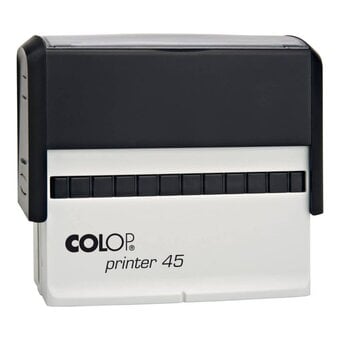
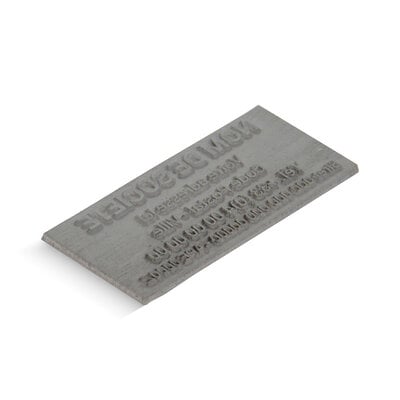
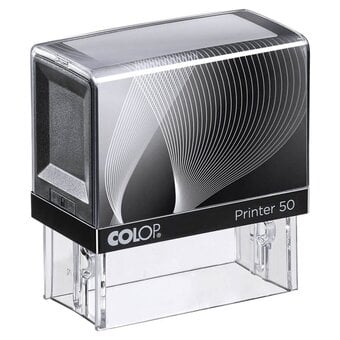
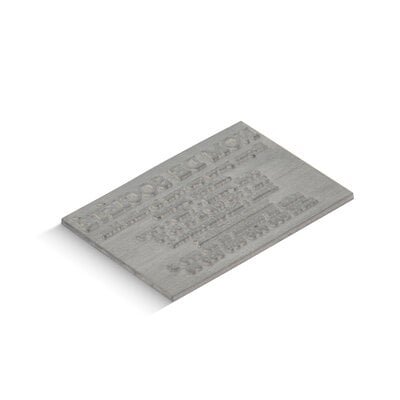
Colop Rubber Stamp Dies

Transform your worn Colop stamps into reliable professional tools with our precision-engineered rubber stamp dies. These genuine replacement components restore crisp, clear impressions whilst offering significant cost savings compared to purchasing entirely new equipment, making them the smart choice for UK businesses seeking dependable stamping solutions.
Show more...
starting at £10.44
View our products
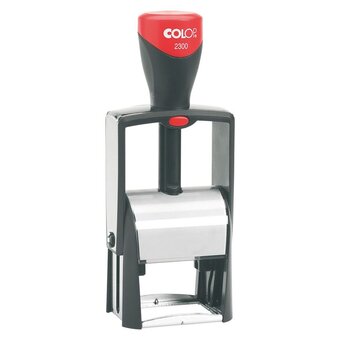
15  products
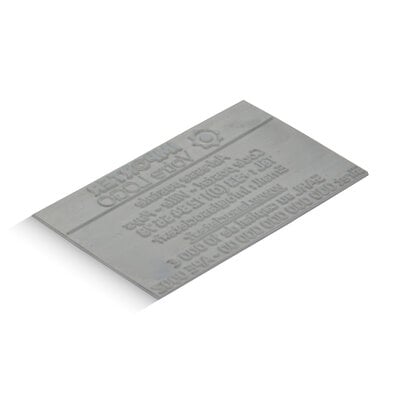
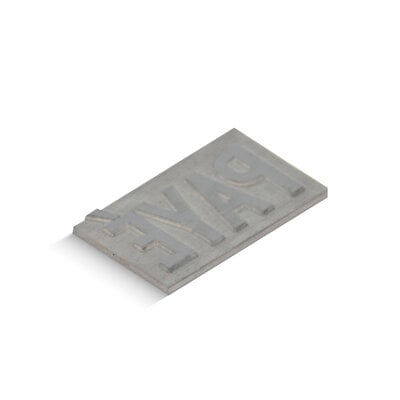
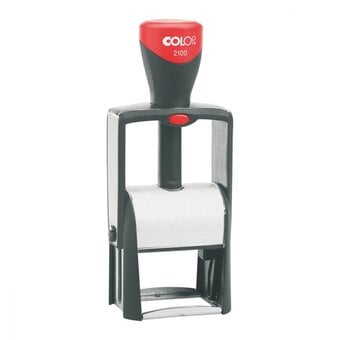
Expert 2100 stamp imprint

Expert 2100 stamp imprint

41 x 24 mm - up to 9 lines
£10.50
view details
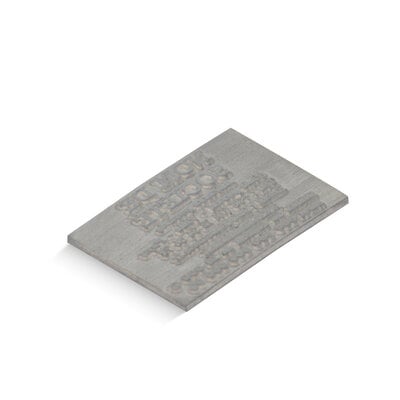
Expert 2300 stamp imprint

Expert 2300 stamp imprint

45 x 30 mm - up to 12 lines
£11.30
view details
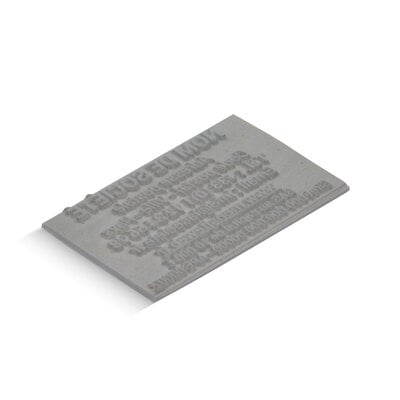
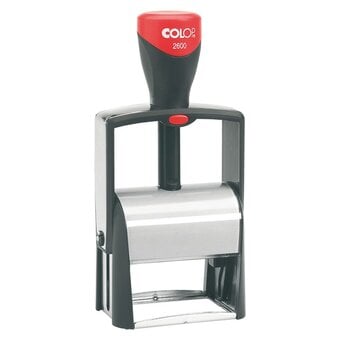
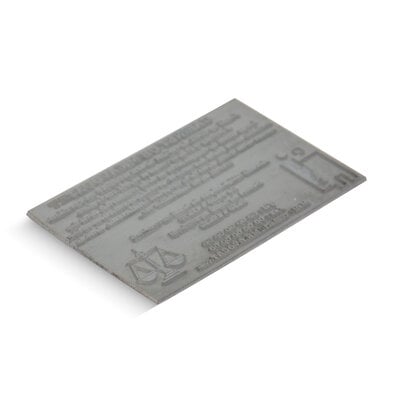
Expert 2600 stamp imprint

Expert 2600 stamp imprint

58 x 37 mm - up to 14 lines
£13.30
view details
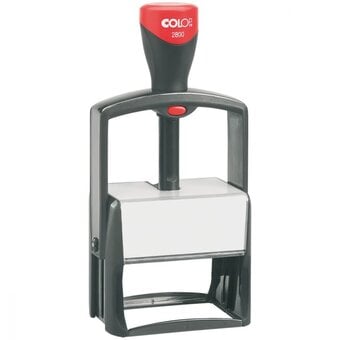
Expert 2800 stamp imprint

Expert 2800 stamp imprint

68 x 49 mm - up to 19 lines
£16.10
view details
fast shipping
fast shipping
Express 24h or free shipping from £60.00
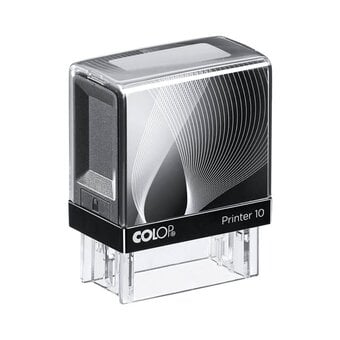
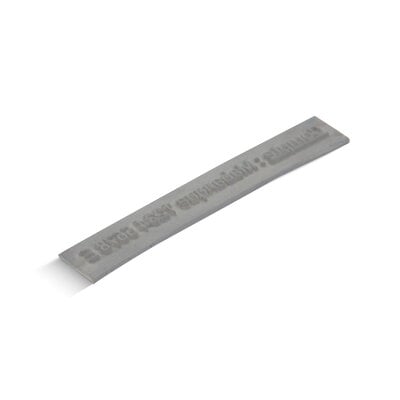
Printer 10 stamp imprint

Printer 10 stamp imprint

27 x 10 mm - up to 4 lines
£8.70
view details
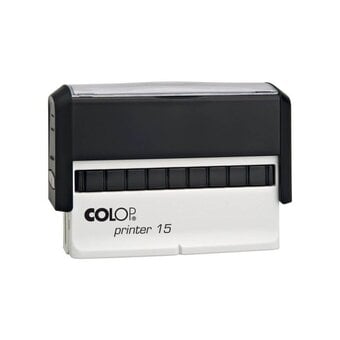
Printer 15 stamp imprint

Printer 15 stamp imprint

69 x 10 mm - up to 4 lines
£9.80
view details
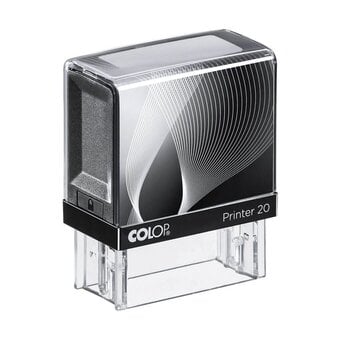
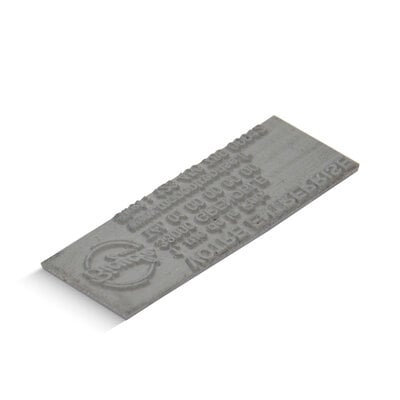
Printer 20 stamp imprint

Printer 20 stamp imprint

38 x 14 mm - up to 5 lines
£9.40
view details
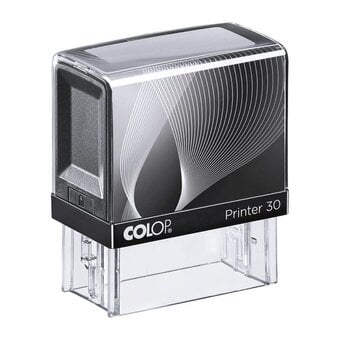
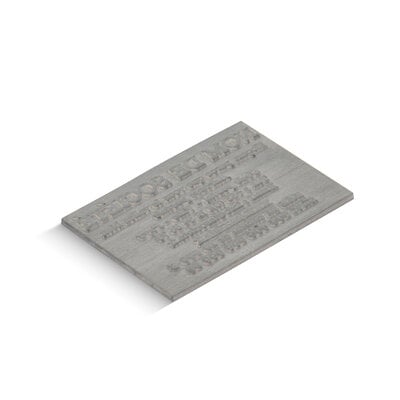
Printer 30 stamp imprint

Printer 30 stamp imprint

47 x 18 mm - up to 7 lines
£10.10
view details
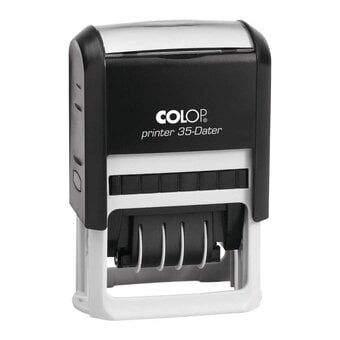
Printer 35 stamp imprint

Printer 35 stamp imprint

50 x 30 mm - up to 12 lines
£11.70
view details
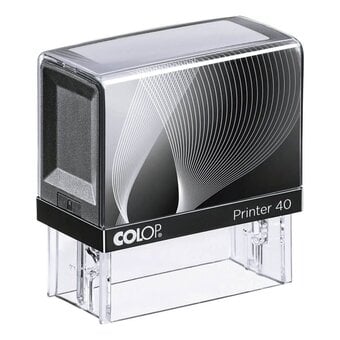
Printer 40 stamp imprint

Printer 40 stamp imprint

59 x 23 mm - up to 9 lines
£11.40
view details
volume pricing
volume pricing
auto-applied from 2 stamps up to -20%
Show more

How do I know when my Colop rubber die needs replacing?

Several clear indicators suggest your Colop rubber die requires replacement. The most common signs include:

  • Faded impressions despite having fresh ink pads, which typically signals worn die surfaces that no longer pick up ink effectively
  • Uneven printing where portions of your text appear lighter than others, indicating localised wear or damage to the rubber surface
  • Blurred edges on previously sharp text or gradual loss of fine detail in logos or graphics
  • Inconsistent ink transfer requiring multiple stamping attempts to achieve clear impressions

These changes often develop gradually, making regular comparison with earlier stamped documents valuable for identifying deterioration before it affects your professional presentation. When you notice any of these issues, replacing just the rubber die proves far more economical than investing in a complete new stamp unit.

Are Colop replacement dies compatible with all Colop stamp models?

Colop replacement dies are model-specific and require precise compatibility matching to ensure optimal performance. Each Colop stamp model uses dies engineered for their particular dimensions and internal mechanisms.

The main Colop Printer series includes:

  • Colop Printer 20: Uses 38 x 14 millimetre dies, suitable for compact text stamps
  • Colop Printer 30: Accommodates 47 x 18 millimetre dies
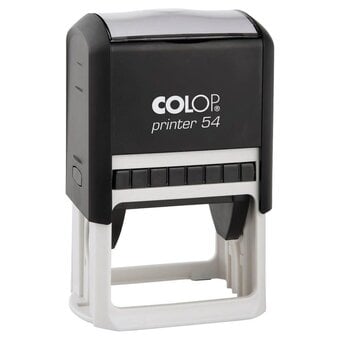
  • Colop Printer 40: Utilises 59 x 23 millimetre dies, ideal for standard business applications
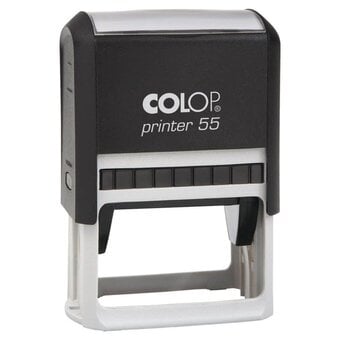
  • Colop Printer 50: Handles dies up to 69 x 30 millimetres
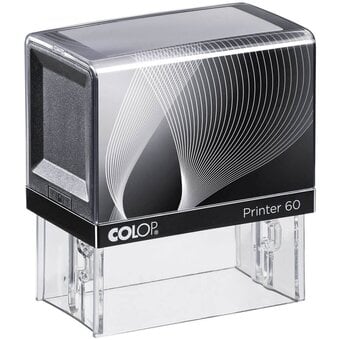
  • Colop Printer 60: Accommodates the largest dies at 76 x 37 millimetres

To ensure compatibility, identify your stamp model through the numerical designation typically printed on the stamp body or base. This information, combined with measurement of your current die, ensures accurate replacement ordering and eliminates compatibility concerns. Using the correct manufacturer-specific die is essential for maintaining the delicate balance of the self-inking system.

Can I get a custom rubber stamp die made with my company logo?

Yes, custom Colop rubber stamp dies offer excellent opportunities to enhance your business applications with personalised designs tailored to your specific requirements. Whether incorporating company logos, creating specialised date formats, or developing unique identification marks, custom dies transform standard stamps into powerful branding and administrative tools.

The customisation process involves several key considerations:

  • Artwork preparation: Clear, high-contrast designs work best, with vector-based graphics providing the cleanest results
  • Text requirements: Fonts should have adequate thickness and spacing to prevent fine details from filling with ink during repeated use
  • Size constraints: Design complexity must match your chosen Colop model size, with smaller dies requiring simplified designs for optimal legibility
  • Single-colour output: Rubber dies produce single-colour impressions regardless of original artwork complexity

Professional guidance during design development helps optimise your artwork for successful die production, ensuring your custom stamp delivers consistent, professional results across thousands of impressions.

How do I properly install a new rubber die in my Colop stamp?

Installing a new Colop rubber die requires careful attention to positioning and alignment to ensure optimal performance. Follow this systematic approach:

Preparation steps:

  • Remove the old die, typically secured by clips or a retaining mechanism specific to your stamp model
  • Clean the die housing thoroughly to remove accumulated ink residue that might interfere with proper seating
  • Inspect the internal guides and ink pad condition

Installation process:

  • Position the new die ensuring perfect alignment with the stamp's internal guides
  • Confirm secure attachment according to your model's specific mechanism
  • Check that the die sits flush and moves freely within the housing
  • Test initial impressions on scrap paper to verify proper ink pickup and alignment

This methodical approach prevents common issues such as uneven printing or premature die wear caused by incorrect installation. The precision engineering of genuine Colop dies ensures perfect integration when properly installed, maintaining the automated ink transfer system that makes self-inking stamps so efficient.

What's the difference between replacing the die and replacing the ink pad?

Understanding the distinction between rubber die and ink pad replacement is crucial for maintaining your Colop stamp's optimal performance, as these components serve different functions within the self-inking mechanism.

Rubber Die Function:

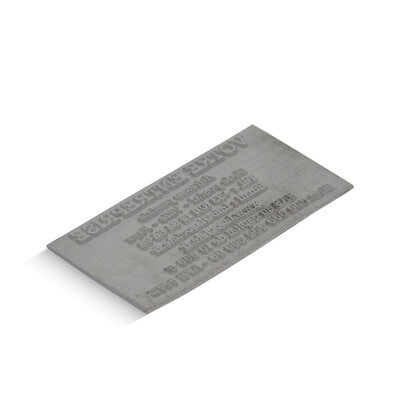
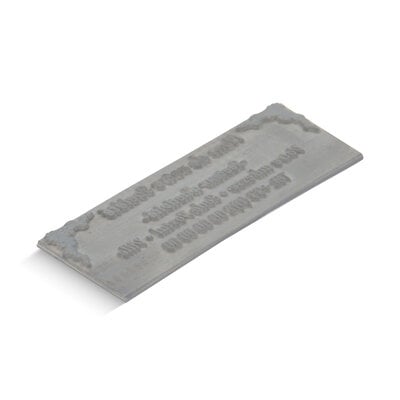
  • Contains the raised text, logo, or design that creates your stamp's impression
  • Serves as the printing surface that transfers ink to documents
  • Requires replacement when worn, damaged, or when changing stamp content
  • Typically lasts thousands of impressions before showing wear

Ink Pad Function:

  • Provides the ink reservoir that feeds the rubber die during stamping
  • Automatically re-inks the die through the self-inking mechanism
  • Requires replacement when ink supply becomes depleted
  • Needs more frequent replacement than the rubber die

When to replace each component:

  • Replace the ink pad when impressions become faded but text edges remain sharp
  • Replace the rubber die when impressions show blurred edges, uneven printing, or loss of fine detail, even with fresh ink

Often, what appears to be a worn die is actually just a depleted ink pad, making proper diagnosis important for cost-effective maintenance.

When your Colop self-inking stamp begins producing faded or unclear impressions, the solution isn't necessarily purchasing an entirely new device. Colop rubber stamp dies offer a cost-effective alternative that restores your stamp's crisp, professional appearance whilst maintaining the familiar feel and functionality you've grown accustomed to. These precision-engineered replacement components represent the heart of your stamping system, transforming worn-out equipment into reliable business tools once again.

Understanding the role of rubber dies within your Colop stamp mechanism helps appreciate their importance in maintaining consistent document processing. The rubber die contains the raised text, logo, or design that creates your stamp's impression, working in harmony with the integrated ink system to deliver thousands of clear marks. When this component deteriorates through regular use, replacing just the die proves far more economical than investing in complete new equipment.

For UK businesses seeking dependable stamping solutions, Otypo provides genuine Colop replacement dies alongside comprehensive customisation services. Our European manufacturing standards ensure each die meets the exacting specifications required for professional applications, whilst our streamlined ordering process delivers replacement components within days rather than weeks.

Understanding Colop rubber stamp dies and their essential function

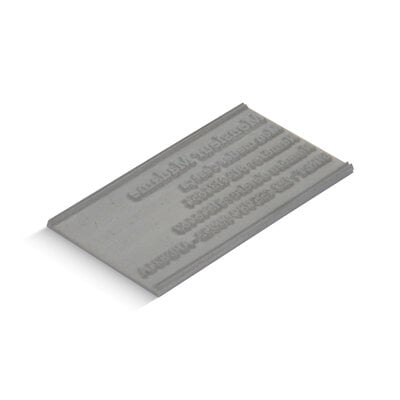
The rubber die serves as the printing surface within your Colop stamp, containing the mirror image of your desired text or design in raised relief. This component works by pressing against the internal ink pad during the stamping motion, collecting precisely the right amount of ink before transferring it to your document. The quality of this transfer depends entirely on the die's condition, making regular assessment and timely replacement crucial for maintaining professional standards.

Modern Colop dies utilise high-grade rubber compounds specifically formulated to resist wear whilst maintaining sharp detail reproduction. The material composition balances flexibility with durability, ensuring consistent ink pickup across the entire surface area. This engineering approach explains why genuine Colop dies consistently outperform generic alternatives in both longevity and print quality.

How rubber dies integrate with self-inking mechanisms

Self-inking stamps revolutionised office efficiency by eliminating the need for separate ink pads, and the rubber die plays a central role in this automated system. During each stamping action, the die rotates through the stamp body, first contacting the internal ink reservoir, then pressing against your document. This cyclical movement requires the die material to maintain its shape and surface texture through thousands of repetitions.

The precision engineering of Colop dies ensures perfect alignment within the stamp mechanism, preventing ink leakage whilst guaranteeing consistent impression depth. This integration explains why using manufacturer-specific dies proves essential rather than attempting universal alternatives that may compromise the delicate balance of the self-inking system.

Recognising when replacement becomes necessary

Several indicators suggest your Colop rubber die requires replacement rather than simple maintenance. Faded impressions despite fresh ink pads typically signal worn die surfaces that no longer pick up ink effectively. Uneven printing, where portions of your text appear lighter than others, indicates localised wear or damage to the rubber surface.

More subtle signs include slightly blurred edges on previously sharp text or gradual loss of fine detail in logos or graphics. These changes often develop gradually, making regular comparison with earlier stamped documents valuable for identifying deterioration before it affects professional presentation.

Replacement options for existing Colop stamp systems

Colop's extensive product range means identifying the correct replacement die requires understanding your specific stamp model and size requirements. The Colop Printer series, encompassing models from the compact Printer 20 through to the substantial Printer 60, each utilises dies engineered for their particular dimensions and ink capacity.

Professional replacement involves more than simply matching size specifications. The die must align perfectly with your stamp's internal mechanisms, maintain proper pressure against the ink pad, and deliver consistent results across its expected lifespan. This precision requirement explains why genuine Colop components prove essential for maintaining optimal performance.

Colop Printer series compatibility guide

The Colop Printer 20, designed for compact text stamps, accommodates dies measuring 38 x 14 millimetres, suitable for addresses, signatures, or brief messages. Moving up the range, the Printer 30 handles 47 x 18 millimetre dies, whilst the popular Printer 40 utilises 59 x 23 millimetre components ideal for standard business applications.

Larger format requirements find solutions in the Printer 50 and 60 models, accommodating dies up to 69 x 30 millimetres and 76 x 37 millimetres respectively. Each size category offers specific advantages, with smaller dies providing portability and larger formats enabling more comprehensive information display.

Identifying your stamp model proves straightforward through the numerical designation typically printed on the stamp body or base. This information, combined with measurement of your current die, ensures accurate replacement ordering and eliminates compatibility concerns.

Professional installation and maintenance practices

Replacing a Colop rubber die requires careful attention to positioning and alignment to ensure optimal performance. The process begins with removing the old die, typically secured by clips or a retaining mechanism specific to your stamp model. Cleaning the die housing removes accumulated ink residue that might interfere with proper seating of the replacement component.

Installing the new die involves ensuring perfect alignment with the stamp's internal guides, confirming secure attachment, and testing initial impressions to verify proper ink pickup. This methodical approach prevents common issues such as uneven printing or premature die wear caused by incorrect installation.

Custom rubber stamp dies for enhanced business applications

Beyond standard replacement, custom Colop rubber stamp dies offer opportunities to enhance business efficiency through personalised designs tailored to specific operational requirements. Whether incorporating company logos, creating specialised date formats, or developing unique identification marks, custom dies transform standard stamps into powerful branding and administrative tools.

The customisation process begins with artwork preparation, requiring clear, high-contrast designs that translate effectively to rubber die format. Text elements must consider minimum size requirements for legibility, whilst graphic components need sufficient detail separation to ensure clean reproduction. Professional guidance during design development helps optimise artwork for successful die production.

Design specifications and artwork requirements

Successful custom die creation depends on artwork meeting specific technical criteria that ensure optimal reproduction quality. Vector-based graphics provide the cleanest results, though high-resolution bitmap images can work when properly prepared. Text should utilise fonts with adequate thickness and spacing to prevent fine details from filling with ink during repeated use.

Colour considerations prove crucial since rubber dies produce single-colour impressions regardless of original artwork complexity. Converting multi-colour designs requires careful attention to contrast and detail hierarchy, ensuring essential information remains clearly visible in the final stamped result.

Size constraints vary according to your chosen Colop model, with smaller dies requiring simplified designs to maintain legibility. Larger formats accommodate more complex layouts but must balance information density with practical stamping requirements.

Business applications and sector-specific solutions

Professional services benefit significantly from custom rubber dies incorporating practice names, professional designations, and contact information in formats optimised for document authentication. Legal offices utilise dies for witness stamps, document dating, and case reference marking, whilst medical practices employ them for prescription validation and patient record organisation.

Retail applications include inventory marking, quality control stamps, and customer service annotations that streamline operational processes. Manufacturing environments utilise custom dies for batch identification, quality assurance marking, and compliance documentation, demonstrating the versatility of well-designed stamping solutions.

Educational institutions find value in custom dies for document processing, student work marking, and administrative efficiency. The consistent, professional appearance of properly designed stamps enhances institutional credibility whilst reducing processing time for routine documentation tasks.

Technical specifications and ordering considerations

Colop rubber dies utilise premium rubber compounds engineered for longevity and consistent performance across diverse operating conditions. The material formulation balances hardness for sharp impressions with flexibility for reliable ink pickup, ensuring thousands of clear stamps before replacement becomes necessary.

Manufacturing precision ensures dimensional accuracy within tight tolerances, guaranteeing proper fit within your stamp mechanism. This attention to detail extends to surface finish quality, with carefully controlled texture that optimises ink transfer whilst resisting premature wear.

Size options and capacity guidelines

Available die sizes span from the compact 20-millimetre formats suitable for signatures and brief annotations through to substantial 60-millimetre options accommodating comprehensive business information. Each size category offers specific text capacity guidelines, with smaller dies handling 3-4 lines of standard text whilst larger formats accommodate 6-8 lines plus graphic elements.

Choosing appropriate die size involves balancing information requirements with practical considerations such as document space availability and stamping frequency. Smaller dies offer portability advantages and reduced fatigue during extended use, whilst larger formats provide enhanced visibility and information capacity.

Professional consultation helps determine optimal size selection based on specific application requirements, ensuring your investment delivers maximum utility across its operational lifespan.

Production standards and quality assurance

European manufacturing standards govern every aspect of Colop die production, from raw material selection through final quality inspection. Each die undergoes rigorous testing to verify dimensional accuracy, surface quality, and performance characteristics before packaging and distribution.

Quality control procedures include impression testing under various conditions, durability assessment through accelerated wear protocols, and compatibility verification with standard Colop stamp mechanisms. This comprehensive approach ensures consistent performance regardless of operating environment or application intensity.

Traceability systems maintain detailed records of materials, production parameters, and quality test results, enabling rapid response to any performance concerns whilst supporting continuous improvement initiatives.

Professional applications and business benefits

Investing in quality Colop replacement rubber dies delivers measurable returns through extended equipment life, maintained professional appearance, and operational efficiency improvements. Rather than replacing entire stamp units when dies wear out, targeted component replacement reduces costs whilst preserving familiar operational procedures.

The economic advantages extend beyond initial purchase savings to include reduced inventory requirements, simplified procurement processes, and minimised operational disruption. Maintaining consistent stamping quality supports professional credibility whilst streamlining document processing workflows.

Cost-effectiveness compared to complete stamp replacement

Replacing worn dies rather than entire stamp units typically costs 30-40% less whilst delivering identical performance improvements. This economic advantage becomes particularly significant for businesses operating multiple stamps or requiring frequent replacement due to high-volume applications.

Additional savings emerge from reduced training requirements, since staff continue using familiar equipment with restored performance rather than adapting to new stamp designs or operating procedures. This continuity maintains productivity whilst eliminating adaptation periods associated with equipment changes.

Environmental considerations also favour die replacement over complete unit disposal, supporting sustainability initiatives whilst reducing waste streams. The smaller packaging and reduced material consumption of replacement dies align with corporate environmental responsibility objectives.

Operational efficiency and consistency benefits

Fresh rubber dies restore stamping consistency that supports professional document presentation and operational efficiency. Clear, uniform impressions reduce document processing delays caused by illegible stamps, whilst consistent ink transfer eliminates the need for multiple stamping attempts.

Workplace productivity improves through reduced stamping effort, faster document processing, and enhanced professional appearance of stamped materials. These benefits compound over time, delivering measurable improvements in operational efficiency and staff satisfaction.

Quality stamping also supports compliance requirements in regulated industries where document authentication and traceability prove essential. Maintaining clear, consistent stamps helps satisfy audit requirements whilst demonstrating attention to procedural detail.

For UK businesses seeking reliable stamping solutions, Colop rubber stamp dies represent an intelligent investment in operational efficiency and professional presentation. Whether replacing worn components or developing custom solutions for specific applications, quality dies deliver consistent performance that supports business objectives whilst maintaining cost-effectiveness. Otypo's commitment to European quality standards ensures every replacement die meets the exacting requirements of professional applications, backed by responsive customer service and efficient delivery throughout the UK. Consider evaluating your current stamping equipment to identify opportunities for performance improvement through strategic die replacement or customisation.

Read more...
Quote on requestCustom quotes available for bulk or special requests
Secure paymentSecure payment via card or PayPal
Free shippingFree delivery from £60
Volume discountsUp to 20% off with volume discounts!
Custom productsCreate your own product easily with our online editor
Quote on requestCustom quotes available for bulk or special requests
Secure paymentSecure payment via card or PayPal
Free shippingFree delivery from £60
Volume discountsUp to 20% off with volume discounts!
Custom productsCreate your own product easily with our online editor