Get a quote
express 4h


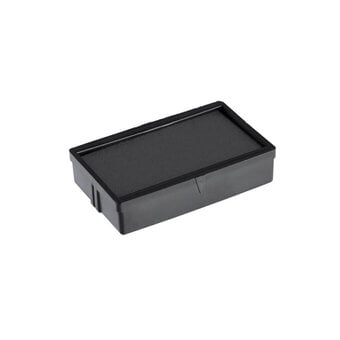
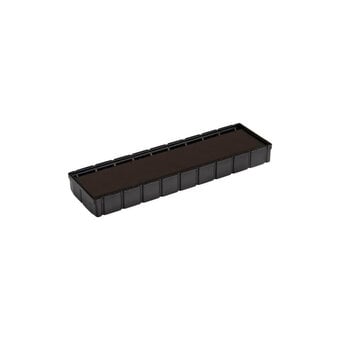
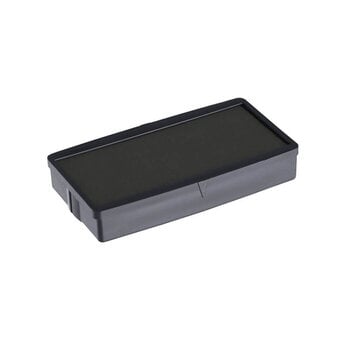
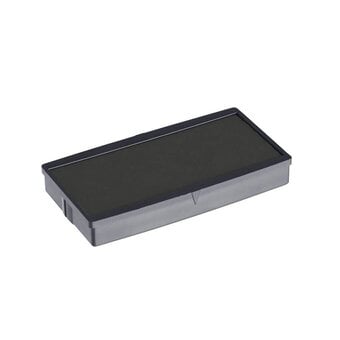

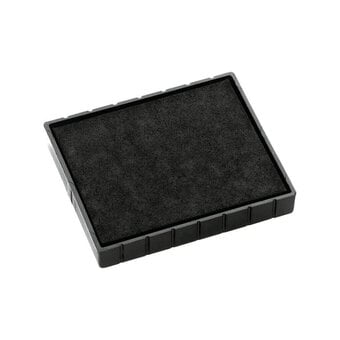
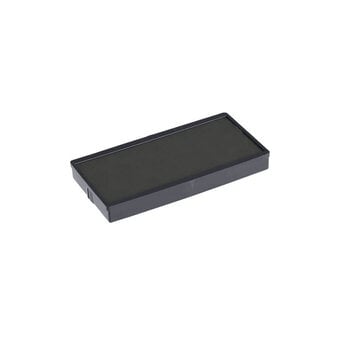
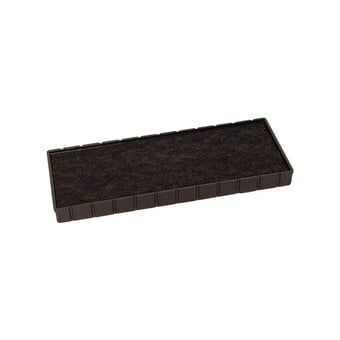
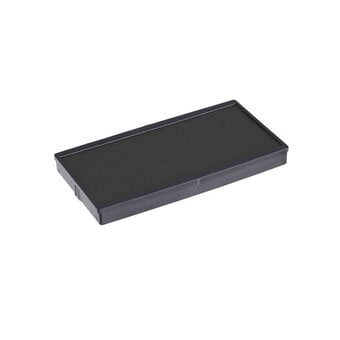
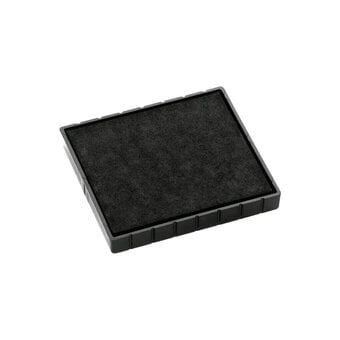
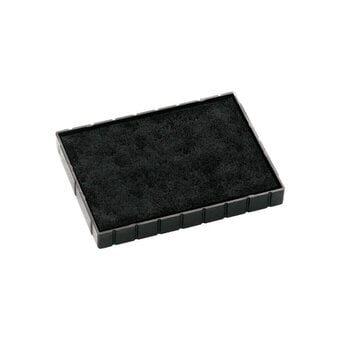

Water-based and solvent-based Colop stamp inks serve different purposes depending on your stamping requirements. Water-based inks excel on porous materials like paper, card, and untreated wood, offering quick-drying properties that minimise smudging risks whilst maintaining an odourless formulation perfect for office environments.
Key advantages of water-based inks include:
Solvent-based alternatives penetrate non-porous surfaces including plastics, metals, and coated materials. These formulations are ideal when you need to stamp on diverse surface types that water-based inks cannot effectively mark.
Colop uses a systematic numbering system that simplifies ink selection and ensures compatibility between ink types and stamp mechanisms. Each ink series corresponds to particular stamp types and applications, removing guesswork from your purchasing decision.
For self-inking stamps specifically:
If you're unsure about compatibility, the stamp model information is typically printed on the stamp base or in the original packaging documentation.
Yes, Colop stamp inks meet stringent UK regulatory compliance standards and are safe for use in educational and office environments. All Colop inks comply with REACH standards, ensuring safe workplace use whilst maintaining environmental responsibility.
Safety features include:
The non-toxic nature of water-based formulations particularly addresses health and safety concerns in shared workspaces, unlike some traditional inks that emit volatile compounds. Documentation supporting these safety certifications remains readily available for compliance auditing purposes.
Proper storage significantly impacts ink performance and longevity. Storage requirements vary between ink formulations, with temperature and light exposure being critical factors affecting ink quality over time.
Best storage practices include:
These simple storage protocols preserve ink quality whilst ensuring consistent performance throughout the product's useful life. Proper storage becomes particularly important for organisations maintaining emergency supplies or those with seasonal usage patterns.
Yes, Colop produces specialised UV-reactive inks specifically designed for security applications on sensitive documents. These inks provide covert marking capabilities, becoming visible only under ultraviolet light, making them ideal for authentication and anti-forgery purposes.
Security ink applications include:
Government agencies and financial institutions rely on these security features for document authentication, with the ability to verify stamp authenticity months or years after application. However, these specialised applications often require specific storage and handling procedures to maintain ink integrity, and proper ink selection becomes essential for maintaining security standards whilst ensuring day-to-day operational efficiency.
When it comes to maintaining the crisp, professional appearance of your stamps, Colop stamp ink stands as the gold standard for UK businesses and organisations. Whether you're running a busy office, managing legal documentation, or operating an educational institution, the quality of your stamp impressions directly reflects your professional standards. Colop's comprehensive range of stamp inks delivers consistent, document-proof results that meet the exacting demands of British workplaces.
The choice of stamp ink might seem straightforward, but the reality is far more nuanced. Different applications require specific formulations, from water-based solutions for standard paperwork to specialised UV inks for security applications. Understanding these distinctions ensures your stamps perform reliably day after day, maintaining the clarity and professionalism your organisation demands.
At Otypo, we recognise that selecting the right stamp ink involves more than simply matching colours. Our expertise in European-quality printing solutions, combined with over 60 years of industry experience, positions us to guide you through the technical considerations that matter most to UK users. From compatibility concerns to environmental requirements, every aspect of your stamp ink choice deserves careful consideration.
Colop's reputation in the stamp industry stems from their meticulous approach to ink chemistry. Each formulation serves specific purposes, with water-based and solvent-based variants addressing different surface requirements. Water-based inks excel on porous materials like paper, card, and untreated wood, whilst solvent-based alternatives penetrate non-porous surfaces including plastics, metals, and coated materials.
The document-proof characteristics of Colop inks deserve particular attention in professional environments. These formulations resist bleeding and maintain their integrity on various paper types, ensuring that stamped documents retain their legal validity and visual clarity. This reliability proves essential for contracts, certificates, and official correspondence where permanence matters.
Water-based Colop inks offer several compelling benefits for office environments. Their quick-drying properties minimise smudging risks, whilst the odourless formulation creates a more pleasant working atmosphere. These inks also demonstrate superior performance on recycled papers and eco-friendly materials, aligning with modern sustainability initiatives.
The non-toxic nature of water-based formulations addresses health and safety concerns in shared workspaces. Unlike some traditional inks that emit volatile compounds, Colop's water-based range maintains air quality standards whilst delivering professional results. This consideration becomes particularly important in educational settings where children might encounter stamped materials.
Beyond standard office applications, Colop produces specialised inks for unique requirements. UV-reactive inks provide security features for sensitive documents, becoming visible only under ultraviolet light. Archive-quality permanent inks ensure long-term document preservation, meeting the stringent requirements of legal and historical archives.
Multi-surface inks expand application possibilities, allowing single stamps to work across diverse materials. This versatility proves valuable for packaging operations, inventory management, and quality control processes where consistent marking across different surfaces streamlines operations.
Compatibility represents the cornerstone of successful stamp maintenance. Colop's systematic approach to ink designation ensures straightforward matching between ink types and stamp mechanisms. Self-inking stamps require specific viscosity levels to function properly, whilst traditional stamp pads accommodate a broader range of ink consistencies.
The numbering system used by Colop simplifies selection processes. Each ink series corresponds to particular stamp types and applications, removing guesswork from the purchasing decision. Understanding these designations prevents compatibility issues that could damage stamp mechanisms or compromise print quality.
Self-inking stamps operate through precise mechanical systems that depend on ink viscosity and flow characteristics. Using incorrect ink formulations can lead to clogged mechanisms, inconsistent impressions, or premature wear. Colop's dedicated self-inking inks maintain optimal flow rates whilst preserving the delicate balance required for smooth operation.
Regular maintenance schedules become more manageable with proper ink selection. Compatible inks reduce cleaning requirements and extend the operational life of stamp mechanisms. This reliability translates into cost savings through reduced replacement needs and minimised downtime.
Traditional stamp pads offer greater flexibility in ink selection, accommodating various Colop formulations depending on intended applications. The re-inking process becomes straightforward with proper ink choice, ensuring consistent coverage and impression quality. Storage considerations also favour traditional systems, as ink bottles provide better long-term stability than cartridge systems.
Cost-effectiveness often favours traditional stamp pad systems for high-volume applications. Bulk ink purchases reduce per-impression costs whilst providing greater control over ink distribution and pad saturation levels. This approach suits organisations with predictable stamping requirements and dedicated maintenance personnel.
Legal professionals rely heavily on Colop stamp ink for document authentication and case management. The permanent, document-proof characteristics ensure that stamped endorsements maintain their validity throughout lengthy legal processes. Barristers' chambers and solicitors' offices particularly value the consistency that quality ink provides across thousands of documents.
Educational institutions present unique challenges for stamp ink selection. From library books to examination papers, stamps must perform reliably across diverse materials whilst meeting safety standards for student environments. Colop's non-toxic formulations address these concerns without compromising performance or durability.
Modern businesses demand efficiency and reliability from their administrative tools. Quality control departments use stamps for batch tracking and approval processes, requiring inks that maintain clarity under various lighting conditions. Accounting departments rely on date stamps for transaction records, where fading or smudging could create compliance issues.
Reception areas and mailrooms process hundreds of documents daily, placing significant demands on stamp performance. Consistent ink quality ensures professional appearance whilst reducing the time spent on stamp maintenance. This reliability becomes particularly valuable during peak business periods when equipment failures could disrupt operations.
Security applications demand specialised ink formulations that resist tampering and forgery attempts. UV-reactive inks provide covert marking capabilities for sensitive documents, whilst archive-quality formulations ensure long-term verification possibilities. These applications often require specific storage and handling procedures to maintain ink integrity.
Government agencies and financial institutions rely on these security features for document authentication. The ability to verify stamp authenticity months or years after application provides crucial audit trail capabilities. Proper ink selection becomes essential for maintaining these security standards whilst ensuring day-to-day operational efficiency.
UK regulatory compliance shapes every aspect of stamp ink formulation and distribution. Colop inks meet stringent REACH standards, ensuring safe use in workplace environments whilst maintaining environmental responsibility. These standards address both immediate health concerns and long-term environmental impact considerations.
The non-toxic certification of Colop inks provides peace of mind for organisations with diverse user groups. From schools to healthcare facilities, these safety standards ensure that stamp use doesn't create health risks for staff or visitors. Documentation supporting these certifications remains readily available for compliance auditing purposes.
Sustainability initiatives increasingly influence purchasing decisions across UK organisations. Colop's commitment to environmentally responsible formulations addresses these concerns without compromising performance. Water-based inks reduce volatile compound emissions whilst maintaining the durability required for professional applications.
Packaging considerations also reflect environmental awareness, with recyclable containers and minimal packaging waste. These factors contribute to corporate sustainability goals whilst reducing disposal costs and environmental impact. The longevity of quality inks further supports sustainability by reducing replacement frequency.
Consistent quality relies on rigorous manufacturing standards and testing procedures. Colop's quality control systems ensure that each batch meets specified performance criteria before reaching end users. This consistency proves essential for organisations requiring predictable results across large volumes of stamped materials.
Batch tracking systems provide traceability for quality issues, enabling rapid resolution of any performance concerns. This systematic approach builds confidence in product reliability whilst providing clear channels for addressing any concerns that might arise during use.
Effective procurement strategies balance immediate needs with long-term cost considerations. Bulk purchasing often provides significant savings for organisations with predictable stamp usage patterns. However, ink shelf life considerations must factor into quantity decisions to prevent waste through deterioration.
Storage requirements vary between ink formulations, with temperature and light exposure affecting longevity. Proper storage extends usable life whilst maintaining consistent performance characteristics. These considerations become particularly important for organisations maintaining emergency supplies or seasonal usage patterns.
Proper handling techniques significantly impact ink performance and longevity. Temperature extremes can alter viscosity and flow characteristics, whilst exposure to direct sunlight may cause premature deterioration. Simple storage protocols preserve ink quality whilst ensuring consistent performance throughout the product's useful life.
Regular maintenance schedules prevent common issues that could compromise stamp performance. Cleaning procedures remove accumulated debris whilst ensuring proper ink flow. These preventive measures extend equipment life whilst maintaining the professional appearance that quality stamps provide.
Training staff in proper stamp handling and maintenance procedures creates consistency across the organisation. Understanding proper techniques prevents damage whilst ensuring optimal performance from both stamps and inks. This knowledge becomes particularly valuable in high-volume environments where multiple users share equipment.
Even quality inks occasionally present challenges that require systematic troubleshooting approaches. Fading impressions might indicate insufficient ink saturation, incompatible paper types, or storage issues affecting ink quality. Identifying root causes enables targeted solutions that restore proper performance.
Smudging problems often relate to ink formulation mismatches or environmental factors affecting drying times. High humidity environments may require quick-dry formulations, whilst rough paper surfaces might need different ink viscosities. Understanding these relationships enables proactive problem prevention.
Systematic maintenance schedules prevent most common stamp and ink problems. Regular cleaning removes accumulated debris whilst ensuring proper ink distribution. Scheduled inspections identify potential issues before they affect performance, maintaining consistent results throughout the stamp's operational life.
Documentation of maintenance activities provides valuable insights into usage patterns and replacement scheduling. This information supports budget planning whilst identifying opportunities for process improvements. Tracking also helps identify any quality issues that might require supplier attention.
Choosing the right Colop stamp ink involves balancing performance requirements with practical considerations including cost, safety, and environmental impact. Quality inks provide consistent results whilst supporting the professional image that UK organisations strive to maintain. Whether you're managing a small office or a large institution, understanding these technical considerations ensures optimal stamp performance whilst maximising value from your investment.
At Otypo, our commitment to European quality and customer satisfaction extends to helping you select the most appropriate ink solutions for your specific requirements. Our extensive experience in the printing and stamping industry, combined with our understanding of UK market needs, positions us to provide expert guidance throughout your selection process. From initial consultation through ongoing support, we're dedicated to ensuring your stamp systems deliver the reliable, professional results your organisation deserves.