Get a quote
express 4h


Create an affordable stamp in just 2 minutes.
Ink pad included with every automatic stamp
Stamps engraved on site, shipped within 24h
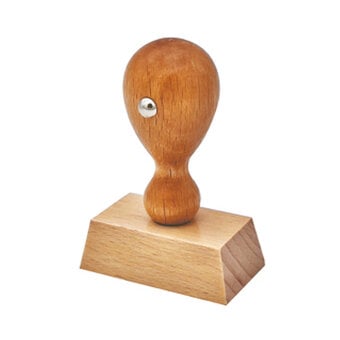
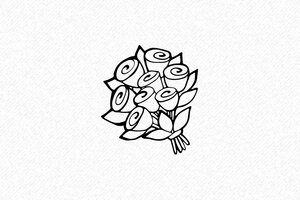
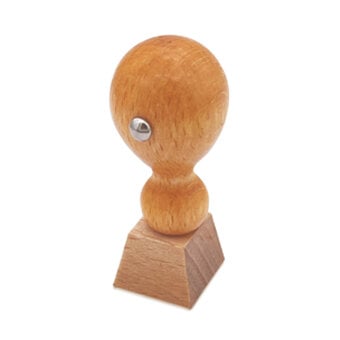



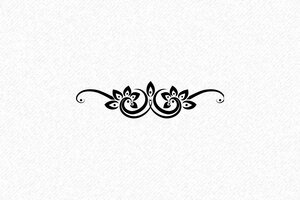






Clear stamps and rubber stamps each offer distinct advantages for scrapbooking projects. Clear stamps are manufactured from high-quality photopolymer materials and provide exceptional precision due to their transparent nature, allowing crafters to see exactly where the impression will land.
Key differences include:
Rubber stamps mounted on wooden blocks offer unmatched durability and are uniquely suitable for heat embossing techniques that create raised, glossy effects. The substantial wooden base provides exceptional stability during use, with natural resistance to rocking or shifting during impression.
Achieving perfect impressions requires understanding the relationship between ink application, pressure, and paper characteristics. Smudged or uneven impressions typically result from common issues that can be easily corrected.
To prevent smudging:
For even impressions:
The optimal ink coverage provides complete image transfer without excess that compromises detail clarity. This balance requires practice and attention to the specific characteristics of different ink and stamp combinations.
Yes, modern technology has made custom stamp creation accessible to individual crafters, enabling the incorporation of family names, significant dates, personal mottos, and unique imagery that reflects individual stories and preferences.
Custom stamp creation options include:
Otypo's custom stamp services combine traditional craftsmanship with contemporary design capabilities. Their online configurator enables customers to upload personal designs, incorporate text elements, and preview results before production, ensuring custom stamps meet the same quality standards as commercial designs.
For effective custom stamps, consider design limitations such as fine details that may not translate effectively to physical stamps, particularly at smaller sizes. Sans-serif fonts generally stamp more clearly than serif alternatives, whilst adequate spacing between letters prevents ink bleeding that can make text unreadable.
For long-lasting scrapbook pages, pigment-based inks offer superior lightfastness and archival properties compared to dye-based alternatives. The choice of ink significantly impacts both the immediate quality and long-term preservation of your stamped memories.
Recommended ink types for archival scrapbooking:
Ink compatibility considerations:
Whilst dye-based inks provide vibrant colours and smooth application, they may fade over time when exposed to light and air, making them less suitable for important memory preservation projects. The investment in archival-quality inks proves worthwhile for scrapbooks intended to endure for generations.
Proper cleaning and storage significantly extend stamp life whilst maintaining impression quality throughout their useful life. Different stamp materials and ink types require specific care approaches for optimal longevity.
Cleaning guidelines:
Storage recommendations:
Regular inspection of your stamp collection enables early identification of wear patterns and potential problems before they affect project results. This proactive approach allows for timely replacement whilst identifying techniques or materials that may be causing premature wear, ensuring consistent results and maximising your investment in quality stamping tools.
Craft stamps for scrapbooking have transformed the way UK enthusiasts preserve precious memories and express their creativity. These versatile tools offer endless possibilities for personalising photo albums, journals, and handmade cards with professional-quality results. Whether you're documenting family milestones or creating bespoke gifts, craft stamps for scrapbooking provide the perfect blend of artistic expression and practical functionality that today's crafters demand.
The UK scrapbooking community has embraced stamping as an essential technique, with over 3 million crafters regularly incorporating stamps into their projects. From delicate floral motifs to bold sentiment messages, these tools enable creators to add depth, texture, and personality to every page. Modern craft stamps combine traditional craftsmanship with innovative materials, ensuring crisp impressions that stand the test of time whilst offering the customisation options that make each project uniquely yours.
What sets quality craft stamps apart is their ability to deliver consistent, professional results regardless of your skill level. With proper technique and the right materials, even beginners can achieve stunning effects that rival commercial designs. The investment in premium stamping supplies pays dividends through years of reliable use, making them an essential addition to any serious scrapbooker's toolkit.
Craft stamps represent a fundamental shift from traditional scrapbooking techniques, offering precision and repeatability that hand-drawing simply cannot match. These specialised tools consist of raised designs carved into various materials, allowing crafters to transfer intricate patterns, text, and images onto paper, fabric, and other surfaces with remarkable consistency. The evolution from simple rubber stamps to today's sophisticated photopolymer and clear stamp technologies has revolutionised what's possible in memory preservation.
The beauty of craft stamping lies in its versatility. A single stamp can create countless variations depending on the ink colour, paper texture, and application technique employed. This flexibility makes stamps particularly valuable for scrapbookers who want to maintain visual cohesion across multiple pages whilst introducing subtle variations that keep layouts interesting. The ability to layer stamps, combine different designs, and incorporate embossing techniques opens up a world of creative possibilities that would be impossible to achieve through other methods.
Modern scrapbooking stamps cater to every aesthetic preference, from vintage-inspired florals to contemporary geometric patterns. Sentiment stamps have become particularly popular, offering pre-designed phrases that capture emotions perfectly without the inconsistency of hand lettering. Background stamps provide texture and depth, whilst detailed focal stamps serve as stunning centrepieces for special layouts. This diversity ensures that every crafter can find stamps that align with their personal style and project requirements.
Research into memory preservation reveals that the tactile process of stamping creates stronger emotional connections to our documented experiences. The physical act of pressing a stamp, feeling the resistance, and revealing the impression engages multiple senses simultaneously. This multi-sensory experience enhances the memory-making process, making stamped scrapbook pages more meaningful and emotionally resonant than digitally created alternatives.
The repetitive nature of stamping also provides therapeutic benefits, with many crafters reporting reduced stress and increased mindfulness during stamping sessions. This meditative quality transforms scrapbooking from a simple documentation exercise into a form of active self-care. The satisfaction of creating something beautiful with your hands whilst preserving precious memories creates a powerful positive feedback loop that keeps crafters returning to their stamps time and again.
The modern stamping market offers an impressive array of options, each designed to meet specific creative needs and skill levels. Understanding the characteristics and applications of different stamp types enables crafters to make informed decisions that enhance their projects whilst maximising their investment. From traditional mounted rubber stamps to cutting-edge photopolymer designs, each category brings unique advantages to the scrapbooking process.
Clear stamps, manufactured from high-quality photopolymer materials, have revolutionised precision stamping in scrapbooking applications. Their transparent nature allows crafters to see exactly where the impression will land, eliminating guesswork and reducing waste from misaligned stamps. This visibility proves invaluable when creating complex layouts or working with expensive specialty papers where mistakes carry significant cost implications.
The manufacturing process for quality clear stamps involves multiple stages of refinement to ensure optimal ink adhesion and image clarity. Premium photopolymer formulations resist distortion even after hundreds of uses, maintaining crisp edges and fine detail reproduction that lesser materials cannot match. This durability makes clear stamps an excellent long-term investment for serious scrapbookers who demand consistent results across multiple projects.
Clear stamps require mounting on acrylic blocks for use, which initially appears as a disadvantage but actually offers significant benefits. The ability to remove stamps from blocks enables efficient storage in compact cases, whilst the reusable blocks accommodate stamps of various sizes. This modular system proves particularly valuable for crafters with extensive stamp collections, as it eliminates the need for dedicated storage space for each individual stamp.
Traditional rubber stamps mounted on wooden blocks represent the heritage of craft stamping, offering unmatched durability and heat resistance that makes them ideal for advanced techniques. The dense rubber compound used in quality stamps provides superior ink transfer and maintains sharp detail even under the high pressures required for embossing applications. This robust construction ensures that well-made rubber stamps can provide decades of reliable service with proper care.
The thermal properties of rubber stamps make them uniquely suitable for heat embossing techniques that create raised, glossy effects on scrapbook pages. Unlike photopolymer alternatives, rubber stamps can withstand the temperatures generated during embossing without degradation or distortion. This heat compatibility opens up creative possibilities that simply aren't available with other stamp types, making rubber stamps essential for crafters who enjoy experimenting with advanced techniques.
Wooden-mounted rubber stamps offer exceptional stability during use, with the substantial base providing natural resistance to rocking or shifting during impression. This stability proves particularly valuable when working with large stamps or applying significant pressure for deep impressions. The tactile feedback from wooden handles also enhances the stamping experience, providing clear indication of proper pressure application and impression completion.
The scrapbooking market has spawned numerous specialty stamp categories designed to address specific creative challenges and aesthetic preferences. Alphabet stamps enable custom text creation with consistent letterforms, whilst number stamps facilitate date marking and milestone documentation. Background texture stamps create subtle patterns that add visual interest without overwhelming focal elements, and border stamps provide elegant frames for photos and journaling sections.
Layering stamps represent an innovative approach to complex image creation, with multiple stamps designed to work together in creating sophisticated scenes. These coordinated sets typically include base images, overlay details, and accent elements that combine to produce results rivalling professional illustrations. The ability to vary colours and positioning between layers creates infinite customisation possibilities whilst maintaining design coherence.
Seasonal and themed stamp collections cater to specific occasions and interests, from holiday celebrations to hobby-specific motifs. These specialised designs often feature intricate details and cultural references that would be difficult to achieve through generic stamps. The investment in themed stamps pays dividends for crafters who regularly document specific types of events or maintain themed scrapbooks focused on particular interests or family traditions.
Choosing appropriate stamps requires careful consideration of your personal aesthetic preferences, typical project types, and long-term creative goals. The most successful stamp collections evolve organically, with each addition serving a specific purpose whilst complementing existing tools. Rather than purchasing stamps impulsively, experienced crafters recommend developing a strategic approach that ensures every stamp earns its place through regular use and creative contribution.
Project analysis forms the foundation of smart stamp selection. Consider the types of layouts you create most frequently, the colour palettes you prefer, and the level of detail that appeals to your aesthetic sensibilities. Crafters who favour clean, minimalist designs will benefit from different stamp types than those who enjoy layered, heavily embellished pages. Understanding your natural creative tendencies helps narrow the overwhelming array of available options to those most likely to see regular use.
Size considerations play a crucial role in stamp utility and storage efficiency. Large focal stamps create dramatic impact but require significant space on layouts and in storage systems. Smaller accent stamps offer greater versatility but may lack the visual weight needed for centrepiece applications. The most functional collections include a range of sizes that can work together harmoniously whilst addressing different layout requirements.
Premium craft stamps exhibit specific characteristics that distinguish them from budget alternatives. Deep, consistent carving ensures complete ink transfer and prevents incomplete impressions that can ruin carefully planned layouts. Quality rubber maintains flexibility without becoming sticky or degrading over time, whilst superior photopolymer formulations resist clouding and maintain transparency for precise positioning.
The mounting quality significantly impacts stamp performance and longevity. Well-constructed wooden mounts feature smooth, flat surfaces that provide even pressure distribution, whilst quality foam cushioning ensures complete contact between stamp and paper. Poorly mounted stamps create uneven impressions and may separate from their mounts with repeated use, making initial quality assessment crucial for long-term satisfaction.
Ink compatibility varies between stamp materials, with some formulations working better with specific ink types. Water-based inks generally work well with all stamp materials, whilst solvent-based and alcohol inks may cause swelling or degradation in certain rubber compounds. Understanding these compatibility issues prevents damage to valuable stamps whilst ensuring optimal impression quality across different ink types.
Mastering fundamental stamping techniques transforms average crafters into skilled artisans capable of producing professional-quality results. These core skills form the foundation for more advanced applications whilst ensuring consistent success with basic stamping projects. The investment in proper technique development pays immediate dividends through improved results and reduced material waste from failed attempts.
Achieving perfect impressions requires understanding the relationship between ink application, pressure, and paper characteristics. Over-inking creates blurry images with ink bleeding beyond intended boundaries, whilst under-inking results in patchy, incomplete impressions. The optimal ink coverage provides complete image transfer without excess that compromises detail clarity. This balance requires practice and attention to the specific characteristics of different ink and stamp combinations.
Pressure application follows similar principles, with too much force causing image distortion and too little resulting in incomplete transfer. The goal involves applying firm, even pressure across the entire stamp surface without rocking or shifting that creates double impressions. Quality stamping platforms help achieve consistent pressure distribution, whilst proper hand positioning ensures control throughout the impression process.
Paper selection significantly influences stamping success, with smooth, non-absorbent surfaces generally producing the cleanest results. Textured papers can create interesting effects but require adjusted techniques to ensure complete ink transfer into paper valleys. Understanding how different papers interact with various ink types enables crafters to predict and control results rather than relying on trial and error.
Heat embossing represents one of the most dramatic advanced stamping techniques, creating raised, glossy effects that add luxury and dimension to scrapbook pages. This process involves stamping with slow-drying embossing ink, applying embossing powder while the ink remains wet, then heating the powder until it melts and sets. The resulting raised image provides tactile interest and visual impact that flat stamping cannot achieve.
Masking techniques enable complex scene creation by selectively covering portions of previously stamped images during subsequent stamping. This approach allows for realistic layering effects where foreground elements appear to pass in front of background features. Successful masking requires careful planning and precise execution but produces results that rival hand-drawn illustrations in complexity and visual appeal.
Colour blending and shading techniques add depth and dimension to stamped images through strategic ink application. These methods range from simple two-colour blending to complex multi-colour gradations that create realistic lighting effects. The key involves understanding colour theory and practising smooth transitions between different hues whilst maintaining clean edges and avoiding muddy colour mixing.
The relationship between stamps and inks determines the quality and longevity of stamped impressions, making ink selection a critical component of successful scrapbooking. Different ink formulations offer varying characteristics in terms of drying time, permanence, colour saturation, and compatibility with subsequent techniques. Understanding these properties enables crafters to choose inks that complement their intended applications whilst ensuring archival quality for memory preservation.
Dye-based inks provide vibrant colours and smooth application but may fade over time when exposed to light and air. These inks work well for projects intended for immediate enjoyment but may not meet archival standards required for long-term memory preservation. Pigment-based inks offer superior lightfastness and archival properties but may require longer drying times and show different colour characteristics compared to dye alternatives.
Waterproof and fade-resistant formulations address the specific needs of scrapbookers who want their creations to endure for generations. These specialised inks undergo rigorous testing to ensure colour stability under various environmental conditions. The investment in archival-quality inks proves worthwhile for important memory preservation projects, even though the initial cost may exceed standard alternatives.
Metallic inks add glamour and sophistication to scrapbook pages through their reflective properties and rich colour depth. These formulations typically contain actual metal particles that create authentic metallic lustre rather than the flat appearance of metallic-coloured standard inks. The application technique for metallic inks often differs from standard inks, requiring lighter pressure and allowing for longer drying times to achieve optimal results.
Embossing inks serve the specific purpose of providing a tacky surface for embossing powder adhesion whilst remaining workable for extended periods. These slow-drying formulations enable crafters to stamp multiple images before applying embossing powder, increasing efficiency for projects requiring numerous embossed elements. The clear or lightly tinted nature of embossing inks ensures that the final colour comes entirely from the embossing powder rather than the underlying ink.
Distress inks and similar aging formulations create vintage effects that complement heritage scrapbooking themes. These inks typically feature muted colour palettes and application characteristics that simulate natural aging and wear. The ability to create authentic-looking vintage effects enables crafters to maintain period-appropriate aesthetics when documenting historical family materials or creating themed layouts.
The demand for unique, personalised elements in scrapbooking has driven innovation in custom stamp creation, with modern technology making bespoke designs accessible to individual crafters. Custom stamps enable the incorporation of family names, significant dates, personal mottos, and unique imagery that reflects individual stories and preferences. This personalisation transforms generic scrapbook pages into truly individual expressions of family history and personal style.
Digital design tools have democratised custom stamp creation, allowing crafters with basic computer skills to develop professional-quality designs. Vector-based graphics programs enable the creation of clean, scalable designs that translate well to stamp format, whilst online design platforms provide templates and tools specifically optimised for stamp creation. The ability to preview designs digitally before committing to physical production reduces waste and ensures satisfaction with final results.
Otypo's custom stamp services exemplify the modern approach to personalised crafting tools, combining traditional craftsmanship with contemporary design capabilities. Their online configurator enables customers to upload personal designs, incorporate text elements, and preview results before production. This integration of technology with skilled manufacturing ensures that custom stamps meet the same quality standards as commercial designs whilst reflecting individual creative visions.
Successful custom stamp designs require understanding the limitations and opportunities inherent in the stamping process. Fine details that appear clear on screen may not translate effectively to physical stamps, particularly at smaller sizes. The optimal custom stamp design balances detail complexity with practical reproduction requirements, ensuring that finished stamps produce clean, recognisable impressions under normal use conditions.
Text elements in custom stamps require careful consideration of font selection, sizing, and spacing to ensure legibility in stamped format. Sans-serif fonts generally stamp more clearly than serif alternatives, whilst adequate spacing between letters prevents ink bleeding that can make text unreadable. The relationship between text size and stamp size affects both legibility and visual impact, requiring balance between readability and proportional aesthetics.
Negative space utilisation plays a crucial role in custom stamp effectiveness, with well-designed stamps using empty areas to enhance rather than detract from primary design elements. The strategic use of negative space can create visual breathing room, improve clarity, and enable effective layering with other design elements. Understanding how negative space functions in stamp design separates amateur efforts from professional-quality results.
Environmental consciousness has become increasingly important to UK crafters, driving demand for sustainable stamping supplies that minimise ecological impact without compromising quality. This shift reflects broader societal awareness of environmental issues and the desire to align personal activities with ecological values. The crafting industry has responded with innovative materials and production methods that address these concerns whilst maintaining the performance standards crafters expect.
FSC-certified wooden components ensure that stamp mounts come from responsibly managed forests that maintain biodiversity and support local communities. This certification provides transparency about material origins whilst guaranteeing that purchasing decisions support sustainable forestry practices. The premium associated with certified materials reflects the true cost of responsible resource management and represents an investment in long-term environmental health.
Biodegradable packaging and reduced plastic content address the waste stream concerns associated with craft supply consumption. Many manufacturers now offer stamps in recyclable cardboard packaging or reusable storage containers that eliminate single-use plastic waste. These initiatives reduce the environmental footprint of stamping whilst often providing superior protection and organisation compared to traditional packaging methods.
Water-based ink formulations eliminate the volatile organic compounds found in solvent-based alternatives, improving indoor air quality whilst reducing environmental impact. These inks typically offer easier cleanup with soap and water, reducing the need for harsh chemical solvents that can harm both users and the environment. The performance characteristics of modern water-based inks rival traditional formulations whilst providing peace of mind for environmentally conscious crafters.
Plant-based dye sources represent an emerging trend in eco-friendly ink development, with manufacturers exploring natural alternatives to synthetic colorants. These formulations often provide unique colour characteristics whilst reducing dependence on petroleum-derived materials. The challenge involves achieving colour consistency and stability whilst maintaining the environmental benefits that make natural dyes attractive to conscious consumers.
Refillable ink systems reduce packaging waste whilst providing economic benefits for frequent stampers. These systems typically feature concentrated ink formulations that users dilute to working strength, significantly reducing shipping weight and packaging requirements. The initial investment in refillable systems pays dividends through reduced ongoing costs and environmental impact, making them attractive to both budget-conscious and environmentally aware crafters.
Even experienced crafters occasionally encounter stamping problems that can frustrate and waste materials if not addressed properly. Understanding the root causes of common issues enables quick diagnosis and resolution, maintaining project momentum whilst preventing repeated failures. The systematic approach to troubleshooting saves time, materials, and frustration whilst building confidence in stamping abilities.
Uneven impressions typically result from inadequate pressure distribution, worn stamp surfaces, or incompatible paper textures. The solution often involves adjusting pressure application technique, replacing worn stamps, or selecting more suitable paper for the intended application. Quality stamping platforms can eliminate many pressure-related issues by ensuring even force distribution across the entire stamp surface.
Ink bleeding and smudging usually indicate excessive ink application, inappropriate ink selection for the chosen paper, or insufficient drying time between applications. The remedy involves reducing ink coverage, selecting inks formulated for specific paper types, or allowing adequate drying time before handling stamped materials. Understanding the interaction between different materials prevents these issues whilst improving overall results.
Proper cleaning immediately after use prevents ink buildup that can compromise future impressions and damage stamp surfaces. Different ink types require specific cleaning approaches, with water-based inks typically responding to soap and water whilst permanent inks may require specialised solvents. The investment in appropriate cleaning supplies and techniques extends stamp life whilst maintaining impression quality throughout the stamp's useful life.
Storage conditions significantly impact stamp longevity, with temperature extremes and direct sunlight potentially causing rubber degradation and photopolymer clouding. Optimal storage involves cool, dry conditions away from direct light, with stamps organised to prevent pressure damage from stacking. Quality storage solutions protect investments whilst maintaining easy access for regular use.
Regular inspection of stamp collections enables early identification of wear patterns and potential problems before they affect project results. This proactive approach allows for timely replacement of worn stamps whilst identifying techniques or materials that may be causing premature wear. The systematic maintenance of stamp collections ensures consistent results whilst maximising the return on investment in quality tools.
The world of craft stamps for scrapbooking continues to evolve, offering UK crafters unprecedented opportunities for creative expression and memory preservation. From traditional rubber stamps to innovative photopolymer designs, these versatile tools enable the creation of truly personalised scrapbooks that capture the essence of precious memories whilst reflecting individual artistic vision. The investment in quality stamps, proper techniques, and compatible materials pays dividends through years of reliable performance and stunning results that will be treasured for generations to come.