Get a quote
express 4h


Create an affordable stamp in just 2 minutes.
Ink pad included with every automatic stamp
Stamps engraved on site, shipped within 24h


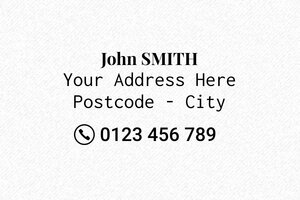
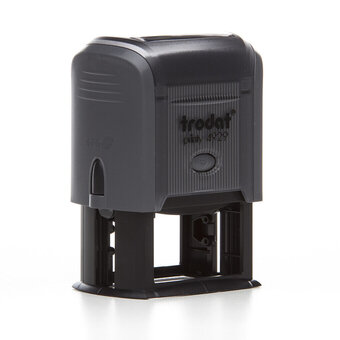
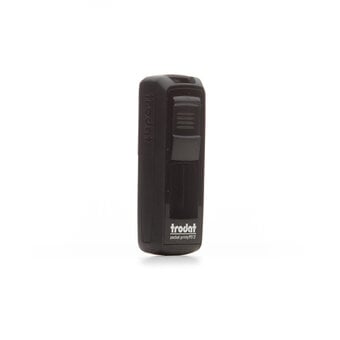

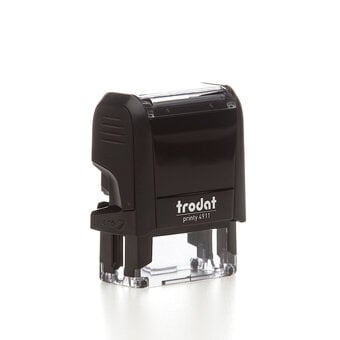



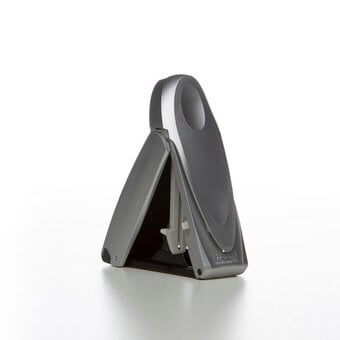
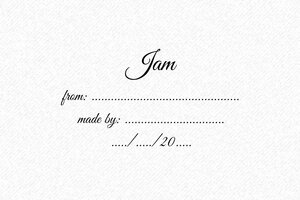
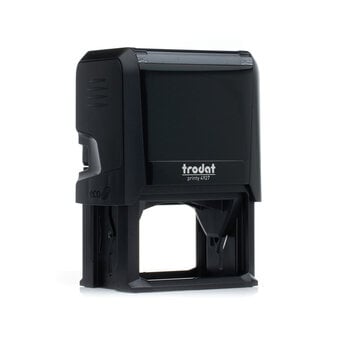

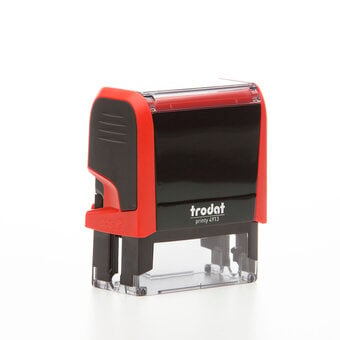


Self-inking and pre-inked address stamps differ significantly in their print quality and technology. Self-inking stamps use a spring-loaded mechanism that flips the rubber die into an internal ink pad, providing convenient automatic re-inking with each impression. They typically deliver between 5,000 and 10,000 clear impressions and offer excellent convenience for high-volume users.
Pre-inked stamps utilise advanced flash technology that embeds ink directly into the stamp material itself, producing exceptionally crisp, detailed impressions that rival professional printing quality. Key differences include:
While pre-inked stamps command higher initial prices, their extended lifespan and superior quality often justify the investment for users prioritising exceptional print quality.
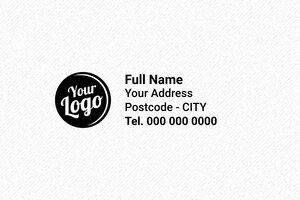
Yes, you can absolutely include your company logo alongside your address on a business stamp. Modern address stamp customisation extends far beyond basic text, offering sophisticated design options that accommodate both textual information and visual elements.
Logo integration represents a significant customisation opportunity for business users, allowing you to create distinctive, professional-looking stamps that reinforce your corporate branding with every piece of correspondence. Here's what you need to know:
Business address stamps with integrated logos prove particularly valuable for small businesses seeking to project professional images without investing in expensive pre-printed stationery. The consistent branding across all outgoing correspondence helps reinforce company identity and enhances professional presentation.
The number of impressions you can expect from your address stamp depends on the type of stamp technology you choose. Different stamp mechanisms offer varying capacities and maintenance requirements.
Self-inking address stamps typically deliver between 5,000 and 10,000 clear impressions before requiring ink refills. These stamps feature refillable ink systems, making them exceptionally cost-effective for high-volume users. The enclosed ink system prevents contamination and drying, ensuring consistent print quality over extended periods.
Pre-inked address stamps offer superior longevity, with ink reservoirs that typically last considerably longer than self-inking alternatives. These premium stamps often deliver up to 25,000 impressions before requiring replacement rather than refilling.
Traditional rubber stamps with separate ink pads offer different considerations:
For businesses processing substantial amounts of mail or individuals who frequently send correspondence, self-inking and pre-inked stamps prove invaluable time-savers with their extended operational capacity and consistent performance.
Address stamps are designed to work effectively with the vast majority of envelopes and paper types commonly used in the UK, though some considerations can help ensure optimal results across different materials.
Standard compatibility includes:
Considerations for optimal performance:
Modern stamp inks are formulated to work effectively across diverse paper types while maintaining Royal Mail compatibility standards. Water-based inks, in particular, offer excellent performance on most UK postal materials while providing faster drying times and improved safety profiles for office environments.
When you need to change your address details, the solution depends on your stamp type and the extent of the changes required. Understanding your options helps you make the most cost-effective decision for your circumstances.
For self-inking and pre-inked stamps:
For traditional rubber stamps:
Planning considerations:
Otypo's efficient production processes ensure that replacement stamps can be created quickly, typically within 24 hours, minimising disruption to your correspondence needs during address changes.
An address stamp represents one of the most practical investments for anyone who regularly handles correspondence, whether for business or personal use. These ingenious devices transform the tedious task of handwriting addresses into a swift, professional process that saves valuable time whilst ensuring consistently clear, legible results. From busy offices processing dozens of letters daily to individuals preparing wedding invitations, address stamps have become indispensable tools that combine efficiency with a polished presentation.
The beauty of modern address stamps lies in their versatility and customisation options. Unlike the basic rubber stamps of yesteryear, today's address stamps offer sophisticated features including self-inking mechanisms, premium materials, and extensive personalisation possibilities. Whether you require a simple return address stamp for personal correspondence or a comprehensive business stamp incorporating your company logo, the right address stamp can significantly streamline your mailing processes whilst maintaining the professional standards your recipients expect.
Otypo's expertise in creating custom stamps draws upon decades of European craftsmanship, ensuring that every address stamp delivers exceptional quality and longevity. Our intuitive online design tools make it remarkably simple to create the perfect stamp for your specific needs, with production typically completed within 24 hours and swift delivery throughout the UK.
The world of address stamps encompasses several distinct categories, each designed to meet specific requirements and usage patterns. Understanding these differences proves crucial when selecting the ideal stamp for your particular circumstances, as the wrong choice can lead to frustration, poor print quality, or premature wear.
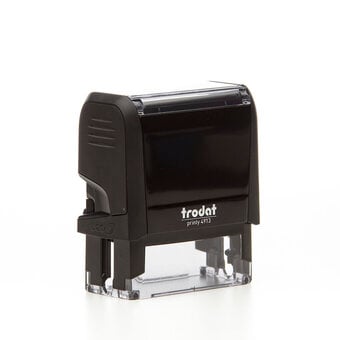
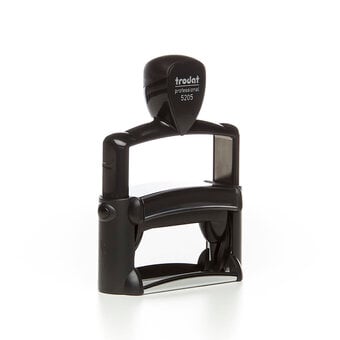
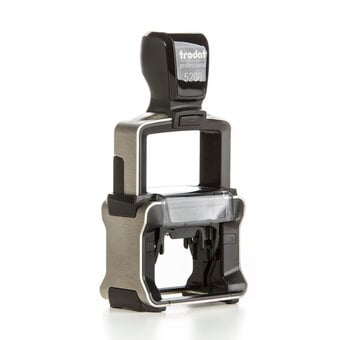
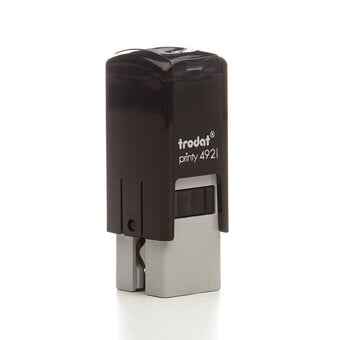
Self-inking stamps represent the pinnacle of convenience in address stamping technology. These sophisticated devices incorporate a built-in ink reservoir that automatically re-inks the rubber die with each impression, eliminating the need for separate ink pads and reducing the mess traditionally associated with stamping. The mechanism works through a spring-loaded system that flips the die into the ink pad housed within the stamp body, then presents it ready for the next impression.
The advantages of self-inking address stamps extend far beyond mere convenience. These stamps typically deliver between 5,000 and 10,000 clear impressions before requiring ink refills, making them exceptionally cost-effective for high-volume users. The enclosed ink system prevents contamination and drying, ensuring consistent print quality over extended periods. For businesses processing substantial amounts of mail or individuals who frequently send correspondence, self-inking stamps prove invaluable time-savers.
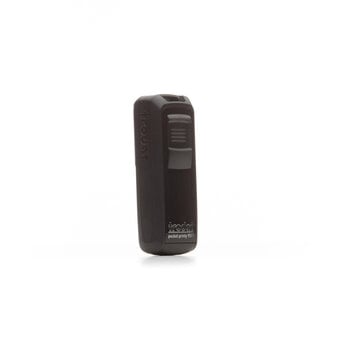
Pre-inked address stamps occupy the premium segment of the market, utilising advanced flash technology to embed ink directly into the stamp material itself. This sophisticated manufacturing process creates stamps capable of producing exceptionally crisp, detailed impressions that rival professional printing quality. The ink reservoir within pre-inked stamps typically lasts considerably longer than self-inking alternatives, often delivering up to 25,000 impressions before requiring replacement.
The superior print quality of pre-inked stamps makes them particularly suitable for businesses requiring professional presentation or individuals seeking the finest possible results. The flash technology enables reproduction of intricate details, fine text, and even simple logos with remarkable clarity. Whilst pre-inked stamps command higher initial prices, their extended lifespan and exceptional quality often justify the investment for discerning users.
Traditional rubber address stamps, requiring separate ink pads, continue to serve important roles despite the convenience of modern alternatives. These stamps offer unparalleled flexibility in ink colour selection, as users can switch between different coloured ink pads to match specific requirements or preferences. The ability to use various ink types, from quick-drying formulations to permanent inks, provides versatility that integrated systems cannot match.
For occasional users or those requiring multiple colour options, traditional rubber stamps present cost-effective solutions. The stamps themselves typically cost less than self-inking or pre-inked alternatives, and replacement ink pads prove considerably cheaper than refilling integrated systems. Additionally, traditional stamps often accommodate larger impression areas, making them suitable for comprehensive address layouts or decorative elements.
Modern address stamp customisation extends far beyond simply adding your name and address. Today's sophisticated design tools enable creation of truly personalised stamps that reflect individual style, corporate branding, or specific functional requirements. The customisation process begins with selecting the appropriate size to accommodate your address layout whilst ensuring clear, legible impressions.
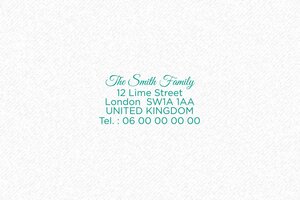
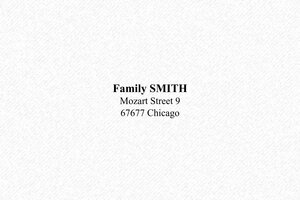
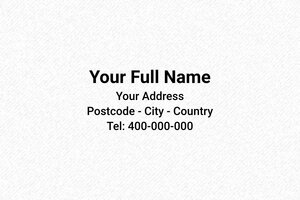
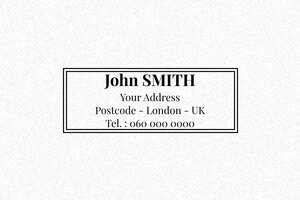
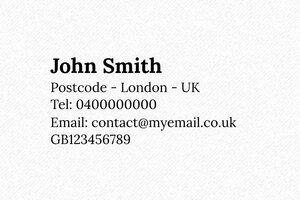
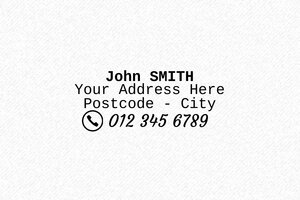
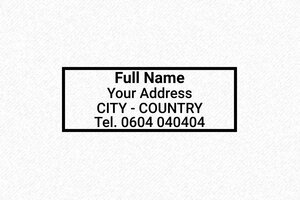
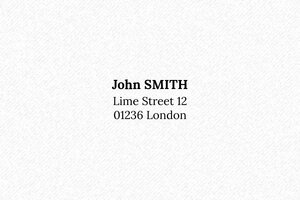
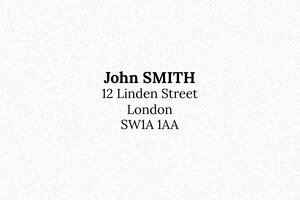
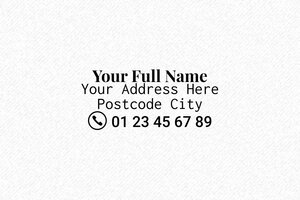
Text customisation encompasses multiple elements including font selection, text size, and layout arrangement. Most custom address stamps accommodate between three and six lines of text, allowing inclusion of names, street addresses, cities, postal codes, and additional information such as telephone numbers or email addresses. Font choices range from classic serif styles for traditional elegance to modern sans-serif options for contemporary appeal.
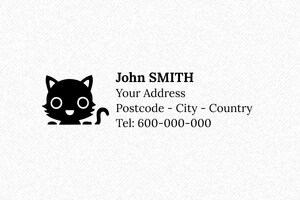
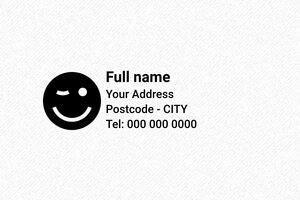
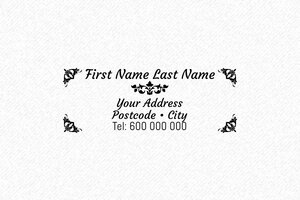
Logo integration represents another significant customisation opportunity, particularly for business users. Simple logos, monograms, or decorative elements can be incorporated alongside text to create distinctive, professional-looking stamps. The key to successful logo integration lies in maintaining appropriate proportions and ensuring sufficient contrast for clear reproduction. Vector graphics typically produce the best results, though high-resolution bitmap images can also work effectively when properly prepared.
Ink colour selection adds another dimension to customisation, with options extending well beyond traditional black. Blue, red, green, and purple inks prove popular choices, each offering different visual impacts and practical considerations. Some users prefer blue ink for its professional appearance and excellent contrast on white paper, whilst others choose red for attention-grabbing results or green for eco-conscious messaging.
The versatility of address stamps extends across numerous personal and professional applications, each benefiting from the efficiency and consistency these tools provide. Understanding these applications helps identify the most suitable stamp type and configuration for specific needs.
In professional environments, address stamps serve multiple crucial functions beyond simple address marking. Return address stamps ensure consistent branding across all outgoing correspondence, reinforcing company identity with every piece of mail. This consistency proves particularly valuable for small businesses seeking to project professional images without investing in expensive pre-printed stationery.
Invoice processing represents another significant business application, where address stamps expedite billing procedures whilst maintaining accuracy. Rather than handwriting or printing individual address labels, businesses can quickly stamp invoices, statements, and other financial documents with consistent, professional-looking addresses. The time savings accumulate substantially over hundreds or thousands of documents annually.
Legal and accounting firms particularly benefit from address stamps due to their high-volume correspondence requirements and strict professional presentation standards. These businesses often require multiple stamp configurations for different purposes, such as return addresses, client addresses, and court filing addresses. The ability to quickly switch between different stamps whilst maintaining consistent quality proves invaluable in fast-paced professional environments.
Personal use of address stamps extends well beyond routine correspondence, encompassing special events, seasonal activities, and creative projects. Wedding invitation addressing represents one of the most popular personal applications, where couples can create elegant, consistent addressing that complements their wedding stationery. Custom fonts and decorative elements can be incorporated to match wedding themes whilst ensuring every invitation maintains professional presentation standards.
Holiday card preparation benefits enormously from address stamp efficiency, particularly for families maintaining extensive mailing lists. Rather than spending hours handwriting addresses, families can quickly stamp dozens or hundreds of cards whilst maintaining neat, legible addressing. The consistency proves especially valuable when addressing cards to business associates or distant relatives where handwriting might appear too casual.
Moving house scenarios present another compelling use case for address stamps. New residents can immediately begin using stamps with their new addresses, ensuring consistent presentation across all correspondence whilst avoiding the confusion that often accompanies address changes. Temporary stamps can even be created for short-term situations, such as holiday rentals or temporary relocations.
Choosing the perfect address stamp requires careful consideration of several key factors, each influencing both immediate usability and long-term satisfaction. The decision process should begin with honest assessment of anticipated usage patterns, as this fundamentally determines which stamp type will provide optimal value and performance.
Volume considerations prove crucial in stamp selection, as different technologies excel in different usage scenarios. Occasional users sending fewer than ten pieces of mail monthly may find traditional rubber stamps perfectly adequate and cost-effective. However, users processing dozens of items weekly will likely benefit from the convenience and consistency of self-inking mechanisms, despite higher initial costs.
Size requirements depend on address complexity and available space on envelopes or packages. Standard UK addresses typically require stamps measuring approximately 50mm by 20mm, though longer addresses or additional information may necessitate larger formats. Conversely, users with simple addresses might prefer compact stamps that take up minimal space and cost less to produce.
Durability expectations should align with intended usage environments and frequency. Office environments with multiple users require robust construction capable of withstanding frequent use and occasional mishandling. Home users might prioritise different features, such as compact storage or easy refilling procedures, over maximum durability.
The choice between self-inking and pre-inked address stamps often determines user satisfaction and long-term value. Self-inking stamps excel in high-frequency applications where convenience outweighs print quality considerations. Their robust mechanisms handle repeated use effectively, whilst refillable ink systems provide ongoing cost advantages for heavy users.
Pre-inked stamps justify their premium pricing through superior print quality and extended operational life. The flash technology produces remarkably crisp impressions that maintain clarity even after thousands of uses. For businesses requiring professional presentation or individuals seeking the finest possible results, pre-inked stamps often prove worthwhile investments despite higher initial costs.
Maintenance requirements differ significantly between these technologies. Self-inking stamps require periodic ink refills and occasional cleaning to maintain optimal performance. Pre-inked stamps typically require less maintenance but eventual replacement when ink supplies become exhausted. Understanding these ongoing requirements helps inform purchasing decisions and budget planning.
Modern address stamp manufacturing increasingly emphasises environmental responsibility alongside performance and durability. Eco-friendly materials and production processes appeal to environmentally conscious consumers whilst often providing superior performance characteristics compared to traditional alternatives.
Sustainable rubber compounds derived from renewable sources offer excellent durability whilst reducing environmental impact. These materials often exhibit superior resistance to wear and chemical degradation, extending stamp life and reducing replacement frequency. The manufacturing processes for eco-friendly rubbers typically generate fewer harmful emissions and consume less energy than conventional alternatives.
Recycled plastic components in stamp bodies demonstrate commitment to circular economy principles whilst maintaining structural integrity and aesthetic appeal. High-quality recycled plastics often prove indistinguishable from virgin materials in terms of performance, whilst contributing to waste reduction and resource conservation. Some manufacturers even offer take-back programmes for worn-out stamps, ensuring responsible disposal and material recovery.
Water-based inks represent another significant environmental advancement, eliminating harmful solvents whilst maintaining excellent print quality and longevity. These formulations often dry faster than solvent-based alternatives whilst producing less odour and reducing health concerns in office environments. The improved safety profiles make water-based inks particularly suitable for environments with sensitive individuals or strict health regulations.
Proper maintenance significantly extends address stamp life whilst ensuring consistent print quality throughout their operational period. Understanding basic care procedures helps users maximise their investments whilst avoiding common problems that can compromise performance or necessitate premature replacement.
Storage considerations prove fundamental to stamp longevity, particularly for ink-integrated systems. Self-inking and pre-inked stamps should be stored horizontally to prevent ink migration and ensure even distribution throughout the reservoir. Extreme temperatures can affect ink viscosity and rubber flexibility, making climate-controlled storage preferable for valuable stamps or those used infrequently.
Cleaning procedures vary depending on stamp type and ink formulation, but regular maintenance prevents buildup of paper fibres, dust, and dried ink that can compromise print quality. Gentle cleaning with appropriate solvents removes accumulated debris without damaging rubber surfaces or affecting ink systems. Some stamps feature removable components that facilitate thorough cleaning and inspection.
Ink refilling procedures for self-inking stamps require careful attention to manufacturer specifications and proper techniques. Using incorrect ink types can damage internal mechanisms or produce poor print quality. Quality replacement inks ensure optimal performance whilst maintaining warranty coverage and extending operational life.
Address stamps designed for UK use must accommodate specific postal requirements and formatting conventions to ensure reliable mail delivery. Royal Mail guidelines specify preferred address formats that maximise automated sorting efficiency whilst reducing delivery delays and errors.
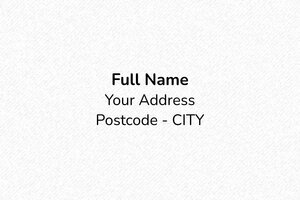
UK address formatting typically follows established conventions placing recipient names first, followed by building numbers or names, street names, localities, towns or cities, counties (where applicable), and postal codes. Proper formatting ensures compatibility with Royal Mail's automated sorting systems whilst maintaining human readability for manual processing when necessary.
Postal code positioning proves particularly important, as these alphanumeric codes enable precise geographic sorting and delivery routing. Personalised address stamps should position postal codes prominently, typically on separate lines with clear spacing from other address elements. Proper postal code formatting significantly improves delivery reliability whilst reducing processing time.
International mail considerations become relevant for businesses or individuals frequently sending overseas correspondence. Address stamps for international use may require different formatting or additional information such as country names or international postal codes. Some users maintain separate stamps for domestic and international correspondence to ensure optimal compatibility with different postal systems.
Quality address stamps contribute to professional presentation whilst ensuring reliable mail delivery throughout the UK and beyond. Otypo's commitment to excellence ensures every address stamp meets the highest standards for clarity, durability, and performance. Our comprehensive customisation options enable creation of stamps perfectly suited to individual requirements, whilst our efficient production and delivery processes ensure you can begin enjoying the benefits of professional address stamping without delay. Whether you require a simple personal stamp or comprehensive business solution, our expertise and attention to detail guarantee results that exceed expectations whilst providing years of reliable service.