Bank Stamps
Create an affordable stamp in just 2 minutes.
Ink pad included with every automatic stamp
Stamps engraved in France shipped within 24h
starting at £22.50


Create an affordable stamp in just 2 minutes.
Ink pad included with every automatic stamp
Stamps engraved in France shipped within 24h
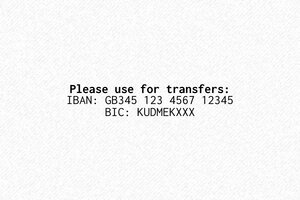
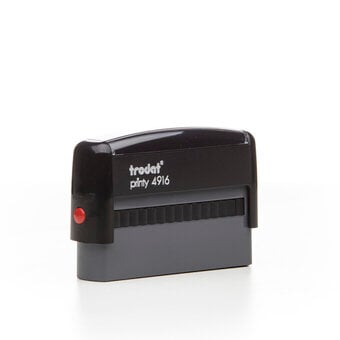
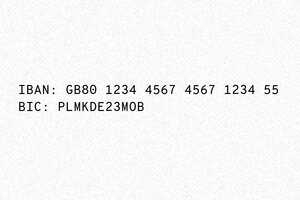
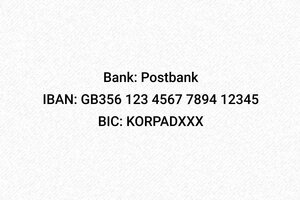
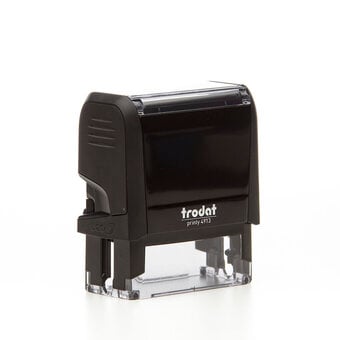
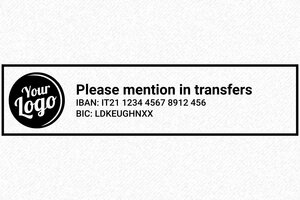
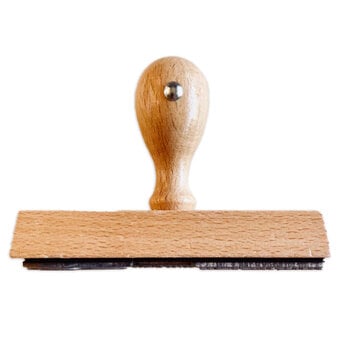

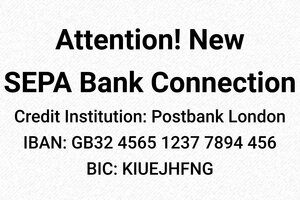
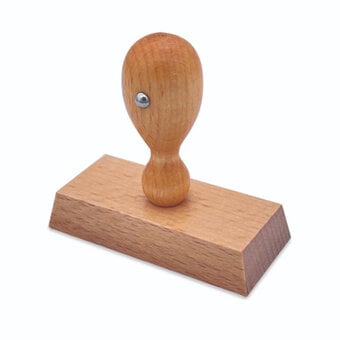
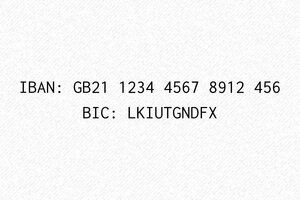
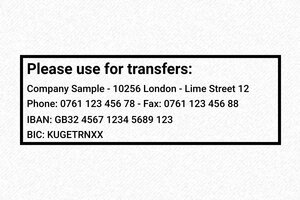
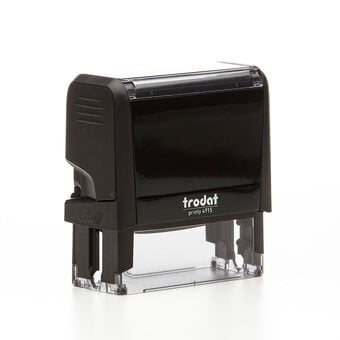

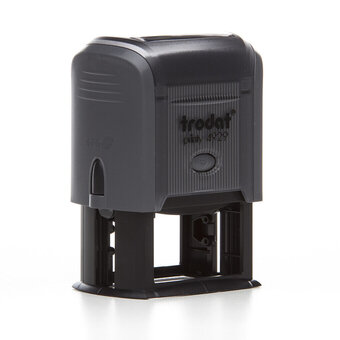
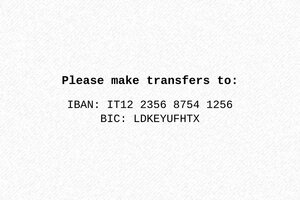
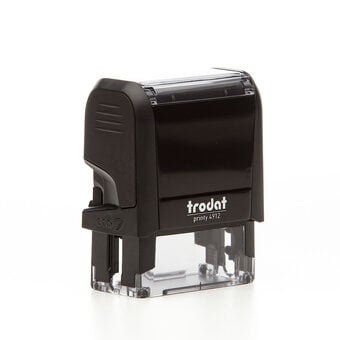
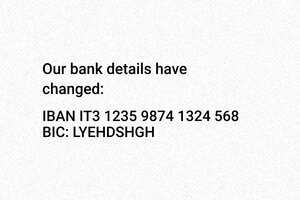

A custom bank stamp for UK cheque endorsements should include essential banking information to ensure proper processing through the clearing system. The core elements must include:
Additional information such as your company registration number or VAT number may be included depending on your banking arrangements. The key principle is prioritising information that directly facilitates cheque processing whilst maintaining overall clarity and legibility. Otypo's custom bank stamps can be designed to accommodate all required information in a professional, compliant format that meets UK banking standards.
High-quality self-inking bank stamps typically provide between 5,000 to 10,000 clear impressions per ink cartridge, depending on the stamp size and usage conditions. This impressive capacity makes them extremely cost-effective for regular business use.
The longevity of your self-inking bank stamp depends on several factors:
When impressions begin to fade, the ink cartridge replacement process is straightforward and requires no special tools or technical expertise. Self-inking stamps eliminate the mess and inconsistency associated with separate ink pads, making them ideal for busy office environments where multiple staff members may use the stamp throughout the day.
Yes, bank stamps are legally compliant for cheque processing in the UK banking system when they meet specific formatting and information requirements. UK banking standards require precise information elements on cheque endorsements to ensure proper processing through the clearing system.
Legal compliance requirements include:
The Cheque and Credit Clearing Company guidelines specify formatting requirements that ensure electronic processing compatibility. Bank stamps designed to these specifications help businesses maintain compliance whilst reducing administrative burden. However, businesses must ensure appropriate controls over stamp usage and storage to prevent unauthorised access, with many companies implementing security policies for stamp handling.
Self-inking and traditional rubber bank stamps offer distinct advantages depending on your business usage volume and operational requirements.
Self-inking bank stamps:
Traditional rubber stamps:
For businesses processing multiple cheques daily, self-inking stamps provide superior convenience and professional results, whilst traditional stamps offer cost-effectiveness for lower-volume applications.
Proper maintenance of your bank stamp ensures consistent performance and extends its operational lifespan whilst maintaining the professional quality required for banking documents.
For self-inking bank stamps:
For traditional rubber stamps:
General maintenance tips:
Professional bank stamps from Otypo are designed for durability and consistent performance, requiring minimal maintenance to deliver thousands of clear, compliant impressions.
Bank stamps represent an essential tool for UK businesses handling cheques and banking documentation, offering a professional and efficient solution for endorsing financial paperwork. These specialised stamps ensure consistent, clear imprinting of crucial banking details including sort codes, account numbers, and company information onto cheques and deposit slips. With the continued use of cheques in many UK business sectors, particularly for supplier payments and client transactions, having a reliable bank stamp streamlines administrative processes whilst maintaining the professional appearance that clients and financial institutions expect.
The importance of bank stamps extends beyond mere convenience, touching on compliance requirements and business credibility. UK banking standards require specific information formatting for cheque processing, and a well-designed bank stamp ensures this information appears consistently and legibly on every document. Modern self-inking mechanisms have revolutionised the traditional rubber stamp approach, offering mess-free operation and thousands of clear impressions without the need for separate ink pads.
Otypo's expertise in customised business solutions extends to creating bank stamps that meet the exacting standards of UK financial documentation. With over six decades of experience in precision stamping solutions, our European quality manufacturing ensures each bank stamp delivers the reliability and professional presentation that UK businesses demand for their banking operations.
A bank stamp serves as a standardised method for imprinting essential banking information onto cheques, deposit slips, and other financial documents. Unlike general office stamps, bank stamps are specifically designed to accommodate the precise formatting requirements of UK banking systems, ensuring compatibility with cheque imaging technology and automated processing systems used by major banks.
The primary function of a cheque stamp UK involves endorsing cheques with the payee's banking details, eliminating the need for handwritten information that can be illegible or inconsistent. This standardisation proves particularly valuable for businesses processing multiple cheques daily, where manual writing would be time-consuming and prone to errors. The stamp typically includes the company name, bank sort code, account number, and sometimes additional details such as the business address or reference numbers.
UK banking regulations emphasise the importance of clear, accurate information on financial documents. The Cheque and Credit Clearing Company guidelines specify formatting requirements that ensure electronic processing compatibility. Bank stamps designed to these specifications help businesses maintain compliance whilst reducing the administrative burden on staff members who would otherwise need to write banking details repeatedly throughout the day.
UK banking standards require specific information elements on cheque endorsements to ensure proper processing through the clearing system. The essential components include the correct six-digit sort code format, the complete account number, and the registered business name as it appears on banking records. Additional elements such as the business registration number or VAT number may be included depending on the company's requirements and banking arrangements.
Compliance with cheque imaging standards has become increasingly important as UK banks transition to digital processing systems. Bank stamps must produce clear, high-contrast impressions that remain legible when scanned and processed electronically. This requirement influences both the design of the stamp text and the choice of ink colours, with black ink typically preferred for optimal scanning results.
The legal framework surrounding cheque endorsement also addresses security considerations. Whilst bank stamps provide convenience and consistency, businesses must ensure appropriate controls over stamp usage and storage to prevent unauthorised access. Many companies implement policies requiring stamps to be secured when not in use and limiting access to authorised personnel only.
Modern bank stamps fall into two primary categories, each offering distinct advantages depending on usage volume and operational requirements. Self-inking stamps have gained popularity in UK offices due to their convenience and professional results, whilst traditional rubber stamps remain a cost-effective option for businesses with lower stamping volumes.
Self-inking bank stamps incorporate an internal ink reservoir that automatically re-inks the stamp surface with each impression. This mechanism eliminates the mess and inconsistency associated with separate ink pads, making them ideal for busy office environments where multiple staff members may use the stamp throughout the day. The internal ink supply typically provides several thousand clear impressions before requiring replacement, making them highly economical for regular use.
The self-inking bank stamp design ensures consistent ink distribution across the entire impression area, resulting in uniformly clear text that meets banking standards for legibility. Modern self-inking mechanisms also feature adjustable impression pressure, allowing users to achieve optimal results on different paper types and thicknesses commonly encountered in banking documentation.
Businesses processing numerous cheques daily benefit significantly from self-inking bank stamp technology. The convenience factor cannot be overstated – staff members can quickly and efficiently endorse multiple documents without the interruption of re-inking or the potential mess of traditional ink pads. This efficiency translates directly into time savings and improved workflow in busy accounting departments.
Maintenance requirements for self-inking stamps are minimal, typically involving only periodic ink cartridge replacement when the impressions begin to fade. The replacement process is straightforward, requiring no special tools or technical expertise. High-quality self-inking stamps can produce up to 10,000 impressions per ink cartridge, making them extremely cost-effective for regular business use.
The professional appearance of self-inking stamp impressions contributes to the overall credibility of business documentation. Consistent, clear stamping reflects attention to detail and professional standards that clients and banking partners appreciate. The crisp, uniform impressions also ensure compatibility with electronic document processing systems used throughout the UK banking sector.
Traditional rubber stamps paired with separate ink pads remain a viable option for businesses with lower stamping volumes or those requiring maximum flexibility in ink colour choices. These stamps offer the advantage of being able to switch between different ink colours for various purposes, such as using red ink for urgent items or blue ink for specific document types.
The initial cost of traditional rubber stamps is typically lower than self-inking alternatives, making them attractive for small businesses or those just beginning to implement stamping procedures. The modular nature of the system also means that ink pads can be replaced independently of the stamp itself, potentially extending the overall lifespan of the stamping solution.
Flexibility in ink selection extends beyond colour choices to include specialty inks for specific applications. Waterproof inks may be preferred for documents that might be exposed to moisture, whilst quick-drying formulations help prevent smudging on glossy paper surfaces sometimes used for premium business cheques.
The customisation process for bank stamps requires careful consideration of information layout, text size, and formatting to ensure optimal functionality and professional appearance. UK businesses must balance the need to include all required banking details with the practical constraints of stamp size and legibility requirements.
Essential information elements typically include the company's registered business name, complete bank sort code, full account number, and often the business address. Some companies also incorporate their company registration number, VAT number, or specific reference codes that facilitate internal tracking and reconciliation processes. The challenge lies in arranging this information in a clear, logical format that remains legible when stamped.
Modern custom bank stamp design utilises computer-aided layout tools to optimise text arrangement and sizing. Professional stamp manufacturers can provide digital previews showing exactly how the finished stamp will appear, allowing businesses to make adjustments before production. This preview capability ensures the final product meets expectations and functions effectively in real-world applications.
The core elements of any UK business bank stamp must include the six-digit sort code in the standard XX-XX-XX format recognised by all UK banks. This formatting ensures compatibility with automated processing systems and reduces the risk of processing delays or errors. The sort code should be prominently positioned and clearly separated from other text elements to prevent confusion.
Account number formatting requires equal attention to detail, with the complete number displayed without spaces or hyphens that might cause processing confusion. Many businesses choose to include both the standard account number and the IBAN format to accommodate international transactions and comply with European banking standards. This dual approach provides flexibility for various transaction types whilst maintaining domestic compatibility.
Company name presentation should match the exact legal name registered with the bank to avoid discrepancies that might delay cheque processing. Additional elements such as contact telephone numbers or email addresses can be included if space permits, though these should be secondary to the essential banking information. The key principle involves prioritising information that directly facilitates cheque processing whilst maintaining overall clarity and legibility.
Bank stamp sizing represents a critical decision that affects both functionality and professional presentation. UK cheques typically provide limited space for endorsement stamps, requiring careful consideration of stamp dimensions to ensure adequate information inclusion without overwhelming the document layout.
Standard bank stamp sizes range from compact 25mm x 60mm formats suitable for basic information to larger 40mm x 80mm options that accommodate comprehensive details including logos and extended contact information. The choice depends on the amount of information required, the available space on typical cheques used by the business, and personal preferences regarding visual impact.
Rectangular formats generally prove most practical for bank stamps as they efficiently accommodate the linear nature of banking information such as sort codes and account numbers. However, some businesses prefer square formats for their visual balance, particularly when incorporating company logos or when the stamp will be used on various document types beyond cheques.
The quality of stamp impressions directly impacts the professional image projected by business documentation. Clear, crisp stamping reflects attention to detail and operational competence, whilst faded or smudged impressions can create negative impressions about business standards and reliability.
Impression quality depends on several factors including stamp design, ink quality, paper surface, and application technique. High-quality stamps feature precision-cut text and graphics that produce sharp, well-defined impressions even after thousands of uses. The choice of ink formulation also affects impression quality, with premium inks providing better coverage and longer-lasting clarity.
Consistent impression pressure ensures uniform results across all stamping applications. Self-inking stamps typically provide more consistent pressure than traditional stamps, as the internal mechanism standardises the force applied with each use. This consistency proves particularly valuable in busy offices where multiple staff members use the same stamp throughout the day.
Proper maintenance extends the lifespan of bank stamps whilst ensuring consistent performance throughout their operational life. Regular cleaning prevents ink buildup that can compromise impression quality, whilst appropriate storage protects the stamp mechanism and text clarity.
Cleaning procedures vary between stamp types, with self-inking stamps requiring minimal maintenance beyond periodic ink cartridge replacement. Traditional rubber stamps benefit from gentle cleaning with a soft brush and mild detergent to remove accumulated ink and debris. The cleaning frequency depends on usage volume, with daily-use stamps requiring weekly cleaning to maintain optimal performance.
Storage considerations include protecting stamps from extreme temperatures, direct sunlight, and excessive humidity that can affect ink consistency and rubber durability. Many businesses invest in dedicated stamp storage solutions that provide protection whilst ensuring easy access for authorised users. Proper storage also supports security requirements by limiting unauthorised access to company banking stamps.
The implementation of professional bank stamps delivers multiple operational benefits that extend beyond simple convenience. Time savings represent perhaps the most immediate advantage, with stamping requiring seconds compared to the minutes needed for handwritten endorsements. This efficiency gain compounds significantly for businesses processing multiple cheques daily.
Consistency in presentation enhances professional credibility and reduces the risk of processing errors caused by illegible handwriting. Banking institutions appreciate clear, standardised information that facilitates automated processing and reduces manual intervention requirements. This reliability can contribute to faster cheque clearing times and improved banking relationships.
Error reduction represents another significant benefit, as stamped information eliminates transcription mistakes that commonly occur with handwritten details. Incorrect sort codes or account numbers can cause processing delays and additional administrative burden, making the accuracy provided by professional stamps particularly valuable for maintaining smooth financial operations.
Enhanced security features available in modern bank stamps include tamper-evident inks and unique design elements that help prevent unauthorised duplication. These security measures provide additional protection against fraud whilst maintaining the convenience and efficiency that make bank stamps attractive for legitimate business use.
Professional bank stamps represent an essential investment for UK businesses seeking to streamline their financial documentation processes whilst maintaining the highest standards of accuracy and presentation. The combination of efficiency, consistency, and professional appearance makes these tools indispensable for modern business operations. Whether choosing self-inking convenience or traditional flexibility, the right bank stamp solution enhances operational efficiency whilst supporting compliance with UK banking standards. Otypo's commitment to precision manufacturing and customer satisfaction ensures that every bank stamp delivers the reliability and professional quality that UK businesses demand for their critical financial documentation needs.
 Custom quotes available for bulk or special requests
'%3e%3cpath%20d='M20.5563%202.67834H1.42533C0.639422%202.67834%200%203.31772%200%204.10363V15.5822C0%2016.3682%200.639422%2017.0076%201.42533%2017.0076H15.3578C15.6167%2017.0076%2015.8265%2016.7977%2015.8265%2016.5388C15.8265%2016.2799%2015.6167%2016.0701%2015.3578%2016.0701H1.42533C1.15636%2016.0701%200.9375%2015.8512%200.9375%2015.5822V8.87691H21.0442V11.2778C21.0442%2011.5367%2021.254%2011.7465%2021.5129%2011.7465C21.7718%2011.7465%2021.9817%2011.5367%2021.9817%2011.2778V4.10363C21.9817%203.31772%2021.3423%202.67834%2020.5563%202.67834ZM1.42533%203.61584H20.5563C20.8253%203.61584%2021.0442%203.83466%2021.0442%204.10363V5.54799H0.9375V4.10363C0.9375%203.83466%201.15631%203.61584%201.42533%203.61584ZM0.9375%207.93941V6.48549H21.0442V7.93941H0.9375Z'%20fill='%230C4D5A'/%3e%3cpath%20d='M20.5563%202.67834H1.42533C0.639422%202.67834%200%203.31772%200%204.10363V15.5822C0%2016.3682%200.639422%2017.0076%201.42533%2017.0076H15.3578C15.6167%2017.0076%2015.8265%2016.7977%2015.8265%2016.5388C15.8265%2016.2799%2015.6167%2016.0701%2015.3578%2016.0701H1.42533C1.15636%2016.0701%200.9375%2015.8512%200.9375%2015.5822V8.87691H21.0442V11.2778C21.0442%2011.5367%2021.254%2011.7465%2021.5129%2011.7465C21.7718%2011.7465%2021.9817%2011.5367%2021.9817%2011.2778V4.10363C21.9817%203.31772%2021.3423%202.67834%2020.5563%202.67834ZM1.42533%203.61584H20.5563C20.8253%203.61584%2021.0442%203.83466%2021.0442%204.10363V5.54799H0.9375V4.10363C0.9375%203.83466%201.15631%203.61584%201.42533%203.61584ZM0.9375%207.93941V6.48549H21.0442V7.93941H0.9375Z'%20fill='black'%20fill-opacity='0.5'/%3e%3cpath%20d='M6.92061%2013.6835H2.61612C1.9962%2013.7059%201.99409%2014.5977%202.61612%2014.621H6.92061C7.54054%2014.5986%207.54265%2013.7067%206.92061%2013.6835Z'%20fill='%230C4D5A'/%3e%3cpath%20d='M6.92061%2013.6835H2.61612C1.9962%2013.7059%201.99409%2014.5977%202.61612%2014.621H6.92061C7.54054%2014.5986%207.54265%2013.7067%206.92061%2013.6835Z'%20fill='black'%20fill-opacity='0.5'/%3e%3cpath%20d='M6.92061%2011.7704H2.61612C1.9962%2011.7928%201.99409%2012.6846%202.61612%2012.7079H6.92061C7.54054%2012.6855%207.54265%2011.7936%206.92061%2011.7704Z'%20fill='%230C4D5A'/%3e%3cpath%20d='M6.92061%2011.7704H2.61612C1.9962%2011.7928%201.99409%2012.6846%202.61612%2012.7079H6.92061C7.54054%2012.6855%207.54265%2011.7936%206.92061%2011.7704Z'%20fill='black'%20fill-opacity='0.5'/%3e%3cpath%20fill-rule='evenodd'%20clip-rule='evenodd'%20d='M16.9424%2010.7995L14.5898%2013.152C14.5898%2016.752%2015.1919%2020.2222%2019.2948%2021.3216C23.3978%2020.2222%2023.9998%2016.752%2023.9998%2013.152L21.6473%2010.7995H16.9424Z'%20fill='%23FDF300'/%3e%3cpath%20d='M19.2949%2019.7875C16.7214%2019.0081%2016.1647%2016.8451%2016.0451%2013.9479C16.0413%2013.8187%2016.0909%2013.6937%2016.1822%2013.6023L17.4034%2012.3812C17.4913%2012.2933%2017.6105%2012.2439%2017.7348%2012.2439H20.8549C20.9792%2012.2439%2021.0985%2012.2933%2021.1864%2012.3812L22.4075%2013.6023C22.4989%2013.6937%2022.5485%2013.8187%2022.5446%2013.9478C22.4255%2016.8443%2021.8681%2019.0084%2019.2949%2019.7875ZM16.9894%2014.121C17.1385%2016.4295%2017.4228%2018.0275%2019.2949%2018.8167C21.1665%2018.0277%2021.4513%2016.4301%2021.6004%2014.121L20.6608%2013.1814H17.929L16.9894%2014.121Z'%20fill='%230C4D5A'/%3e%3cpath%20d='M19.2949%2019.7875C16.7214%2019.0081%2016.1647%2016.8451%2016.0451%2013.9479C16.0413%2013.8187%2016.0909%2013.6937%2016.1822%2013.6023L17.4034%2012.3812C17.4913%2012.2933%2017.6105%2012.2439%2017.7348%2012.2439H20.8549C20.9792%2012.2439%2021.0985%2012.2933%2021.1864%2012.3812L22.4075%2013.6023C22.4989%2013.6937%2022.5485%2013.8187%2022.5446%2013.9478C22.4255%2016.8443%2021.8681%2019.0084%2019.2949%2019.7875ZM16.9894%2014.121C17.1385%2016.4295%2017.4228%2018.0275%2019.2949%2018.8167C21.1665%2018.0277%2021.4513%2016.4301%2021.6004%2014.121L20.6608%2013.1814H17.929L16.9894%2014.121Z'%20fill='black'%20fill-opacity='0.5'/%3e%3c/g%3e%3cdefs%3e%3cclipPath%20id='clip0'%3e%3crect%20width='24'%20height='24'%20fill='white'/%3e%3c/clipPath%3e%3c/defs%3e%3c/svg%3e) Secure payment via card or PayPal
Secure payment via card or PayPal Free delivery from £60
 Up to 20% off with volume discounts!
 Create your own product easily with our online editorCustom quotes available for bulk or special requestsSecure payment via card or PayPalFree delivery from £60Up to 20% off with volume discounts!Create your own product easily with our online editor