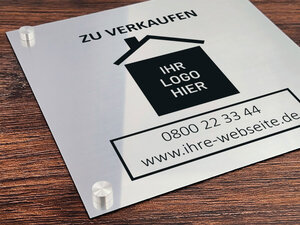
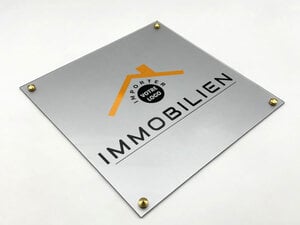
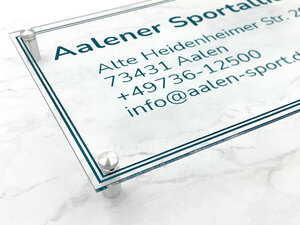
Custom signs
- Your sign in 2 minutes
- Full editor: 27 materials, 219 colors, 12 fixing options.
- Custom dimensions available

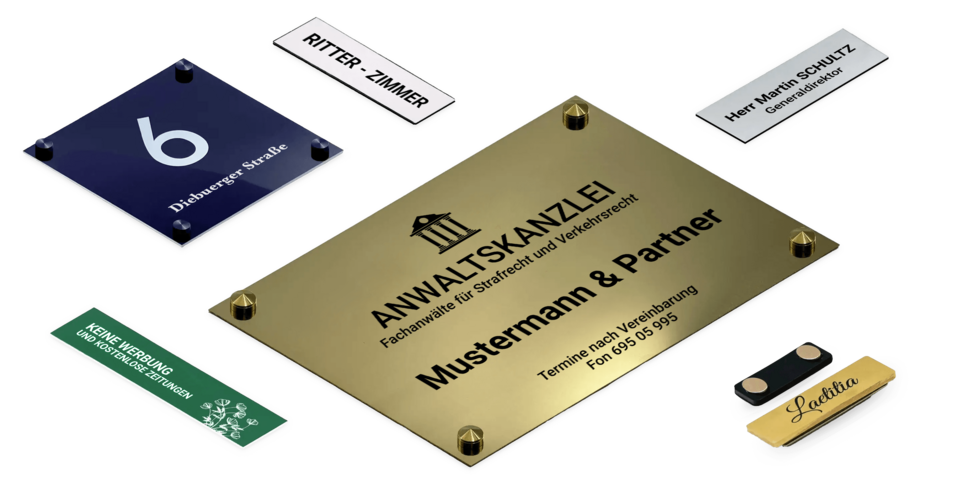
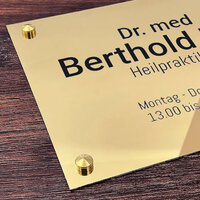
Professional business signs inspire trust and convey a credible image.
Our signs are produced quickly and shipped fast. Design your custom business sign now!
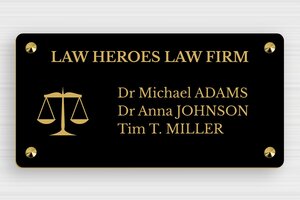

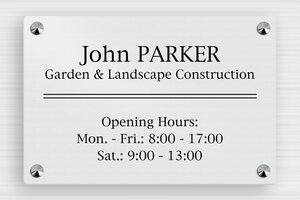

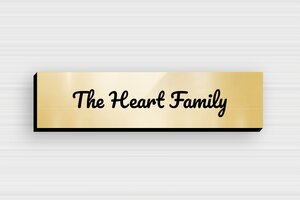
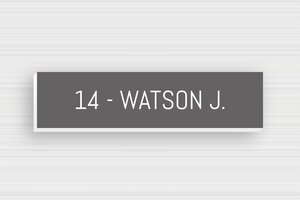



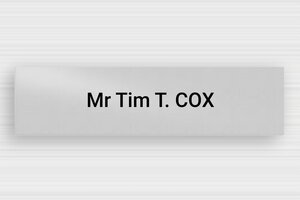
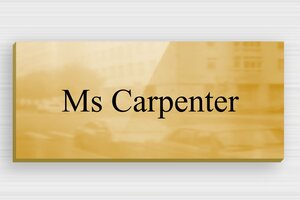
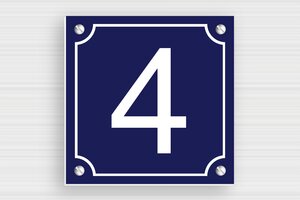
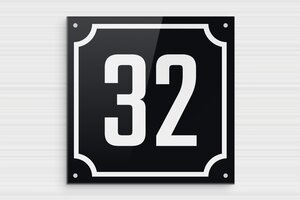
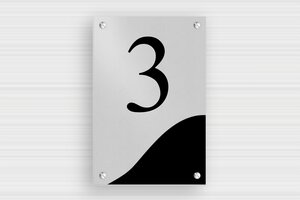
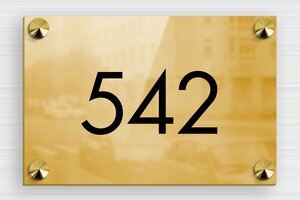
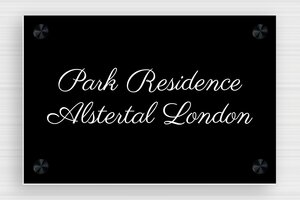
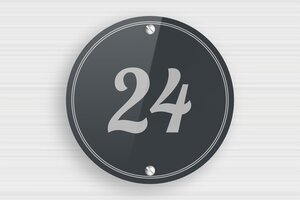
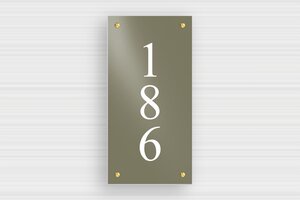
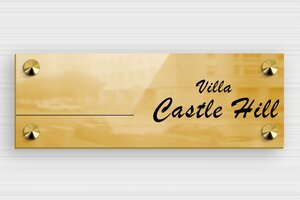
Give your shop or business more visibility and boost your sales with our personalized advertising signs. Design your custom advertising sign today!
 Volume discounts
'%3e%3cpath%20d='M20.5563%202.67834H1.42533C0.639422%202.67834%200%203.31772%200%204.10363V15.5822C0%2016.3682%200.639422%2017.0076%201.42533%2017.0076H15.3578C15.6167%2017.0076%2015.8265%2016.7977%2015.8265%2016.5388C15.8265%2016.2799%2015.6167%2016.0701%2015.3578%2016.0701H1.42533C1.15636%2016.0701%200.9375%2015.8512%200.9375%2015.5822V8.87691H21.0442V11.2778C21.0442%2011.5367%2021.254%2011.7465%2021.5129%2011.7465C21.7718%2011.7465%2021.9817%2011.5367%2021.9817%2011.2778V4.10363C21.9817%203.31772%2021.3423%202.67834%2020.5563%202.67834ZM1.42533%203.61584H20.5563C20.8253%203.61584%2021.0442%203.83466%2021.0442%204.10363V5.54799H0.9375V4.10363C0.9375%203.83466%201.15631%203.61584%201.42533%203.61584ZM0.9375%207.93941V6.48549H21.0442V7.93941H0.9375Z'%20fill='%230C4D5A'/%3e%3cpath%20d='M20.5563%202.67834H1.42533C0.639422%202.67834%200%203.31772%200%204.10363V15.5822C0%2016.3682%200.639422%2017.0076%201.42533%2017.0076H15.3578C15.6167%2017.0076%2015.8265%2016.7977%2015.8265%2016.5388C15.8265%2016.2799%2015.6167%2016.0701%2015.3578%2016.0701H1.42533C1.15636%2016.0701%200.9375%2015.8512%200.9375%2015.5822V8.87691H21.0442V11.2778C21.0442%2011.5367%2021.254%2011.7465%2021.5129%2011.7465C21.7718%2011.7465%2021.9817%2011.5367%2021.9817%2011.2778V4.10363C21.9817%203.31772%2021.3423%202.67834%2020.5563%202.67834ZM1.42533%203.61584H20.5563C20.8253%203.61584%2021.0442%203.83466%2021.0442%204.10363V5.54799H0.9375V4.10363C0.9375%203.83466%201.15631%203.61584%201.42533%203.61584ZM0.9375%207.93941V6.48549H21.0442V7.93941H0.9375Z'%20fill='black'%20fill-opacity='0.5'/%3e%3cpath%20d='M6.92061%2013.6835H2.61612C1.9962%2013.7059%201.99409%2014.5977%202.61612%2014.621H6.92061C7.54054%2014.5986%207.54265%2013.7067%206.92061%2013.6835Z'%20fill='%230C4D5A'/%3e%3cpath%20d='M6.92061%2013.6835H2.61612C1.9962%2013.7059%201.99409%2014.5977%202.61612%2014.621H6.92061C7.54054%2014.5986%207.54265%2013.7067%206.92061%2013.6835Z'%20fill='black'%20fill-opacity='0.5'/%3e%3cpath%20d='M6.92061%2011.7704H2.61612C1.9962%2011.7928%201.99409%2012.6846%202.61612%2012.7079H6.92061C7.54054%2012.6855%207.54265%2011.7936%206.92061%2011.7704Z'%20fill='%230C4D5A'/%3e%3cpath%20d='M6.92061%2011.7704H2.61612C1.9962%2011.7928%201.99409%2012.6846%202.61612%2012.7079H6.92061C7.54054%2012.6855%207.54265%2011.7936%206.92061%2011.7704Z'%20fill='black'%20fill-opacity='0.5'/%3e%3cpath%20fill-rule='evenodd'%20clip-rule='evenodd'%20d='M16.9424%2010.7995L14.5898%2013.152C14.5898%2016.752%2015.1919%2020.2222%2019.2948%2021.3216C23.3978%2020.2222%2023.9998%2016.752%2023.9998%2013.152L21.6473%2010.7995H16.9424Z'%20fill='%23FDF300'/%3e%3cpath%20d='M19.2949%2019.7875C16.7214%2019.0081%2016.1647%2016.8451%2016.0451%2013.9479C16.0413%2013.8187%2016.0909%2013.6937%2016.1822%2013.6023L17.4034%2012.3812C17.4913%2012.2933%2017.6105%2012.2439%2017.7348%2012.2439H20.8549C20.9792%2012.2439%2021.0985%2012.2933%2021.1864%2012.3812L22.4075%2013.6023C22.4989%2013.6937%2022.5485%2013.8187%2022.5446%2013.9478C22.4255%2016.8443%2021.8681%2019.0084%2019.2949%2019.7875ZM16.9894%2014.121C17.1385%2016.4295%2017.4228%2018.0275%2019.2949%2018.8167C21.1665%2018.0277%2021.4513%2016.4301%2021.6004%2014.121L20.6608%2013.1814H17.929L16.9894%2014.121Z'%20fill='%230C4D5A'/%3e%3cpath%20d='M19.2949%2019.7875C16.7214%2019.0081%2016.1647%2016.8451%2016.0451%2013.9479C16.0413%2013.8187%2016.0909%2013.6937%2016.1822%2013.6023L17.4034%2012.3812C17.4913%2012.2933%2017.6105%2012.2439%2017.7348%2012.2439H20.8549C20.9792%2012.2439%2021.0985%2012.2933%2021.1864%2012.3812L22.4075%2013.6023C22.4989%2013.6937%2022.5485%2013.8187%2022.5446%2013.9478C22.4255%2016.8443%2021.8681%2019.0084%2019.2949%2019.7875ZM16.9894%2014.121C17.1385%2016.4295%2017.4228%2018.0275%2019.2949%2018.8167C21.1665%2018.0277%2021.4513%2016.4301%2021.6004%2014.121L20.6608%2013.1814H17.929L16.9894%2014.121Z'%20fill='black'%20fill-opacity='0.5'/%3e%3c/g%3e%3cdefs%3e%3cclipPath%20id='clip0'%3e%3crect%20width='24'%20height='24'%20fill='white'/%3e%3c/clipPath%3e%3c/defs%3e%3c/svg%3e "paiement") Secure payment
Secure payment Ships Within 24h
 Quote on request


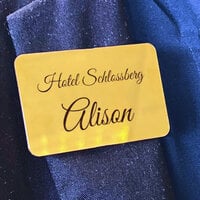
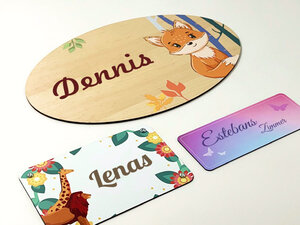
Make communication easier with custom Name Badges. Professional and personal – for a lasting impression. Order your name badges today!
Otypo is a family business with over 60 years of experience, specialising in high-quality stamps and personalised signs.
Since 1960, we have been combining traditional craftsmanship with the latest technologies.
Our highly motivated team of 20 offers bespoke solutions at the best value for money:
Whether personalised signs for special occasions or professional Trodat stamps - we deliver precisely and quickly.
Our core values are customer satisfaction, innovation and sustainability.
We focus on environmentally friendly practices and local products to offer high-quality printing and signage solutions.
Our ultimate goal is to turn new customers into long-term loyal customers.
That's why consistently high quality and your satisfaction are our absolute priority.
Trust Otypo - your reliable partner for creative and responsible communication tools.


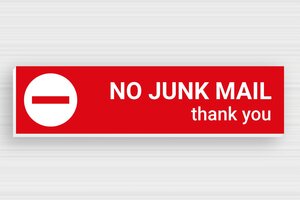
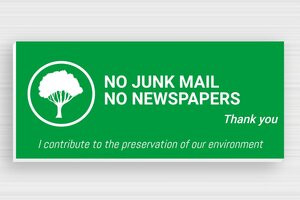

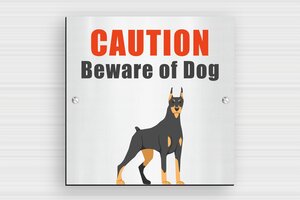
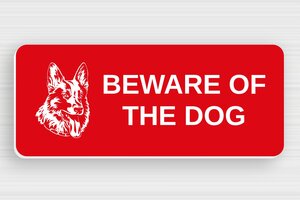
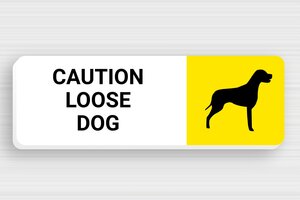
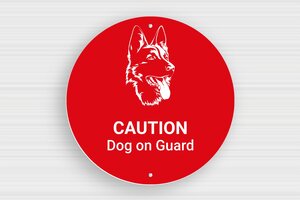
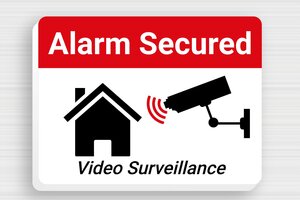
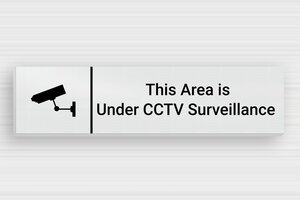
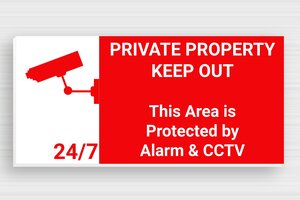
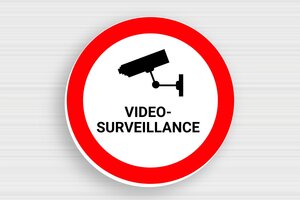

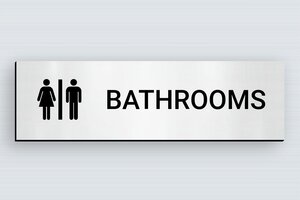
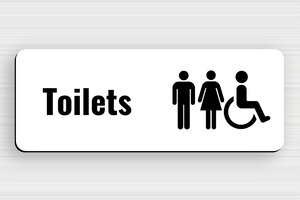
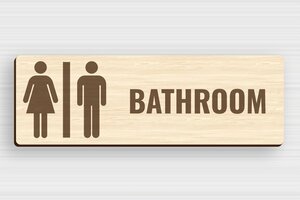

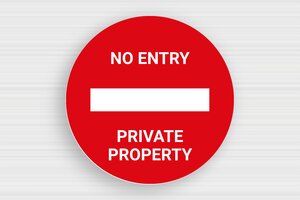
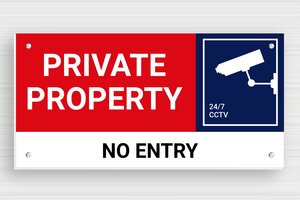


Professional signs serve as the silent guardians of workplace safety, business communication, and regulatory compliance across the UK. From the bustling construction sites of Manchester to the corporate offices of London, signs represent far more than simple displays—they're essential infrastructure that protects lives, guides navigation, and reinforces brand identity. Whether you're a facility manager ensuring HSE compliance, a business owner establishing professional presence, or a safety officer implementing new regulations, understanding the comprehensive world of signage solutions becomes crucial for operational success.
The UK signage landscape has evolved dramatically, particularly following recent legislative changes including the Simpler Recycling requirements and updated Health and Safety regulations. Modern businesses require signage that not only meets stringent British standards but also adapts to changing operational needs whilst maintaining aesthetic appeal. This comprehensive guide explores every aspect of professional signage, from regulatory compliance to material selection, helping you make informed decisions that protect your business and enhance your professional environment.
Professional signage extends far beyond decorative elements, serving as critical communication tools that ensure safety, compliance, and operational efficiency. In the UK context, signs must fulfill multiple functions simultaneously: meeting legal obligations under the Health and Safety (Safety Signs and Signals) Regulations 1996, providing clear navigation and information, and supporting brand representation without compromising regulatory requirements.
The distinction between functional and decorative signage becomes particularly important when considering compliance obligations. Functional signs—including safety warnings, mandatory instructions, and emergency information—must adhere to specific design standards, colour schemes, and placement requirements. These signs literally save lives by providing instant recognition of hazards, escape routes, and safety procedures. Decorative or promotional signage, whilst important for business identity, operates under different regulatory frameworks and planning permissions.
The Health and Safety (Safety Signs and Signals) Regulations 1996 form the cornerstone of UK signage law, mandating that employers install appropriate signage where risks cannot be eliminated through other control measures. This legislation works in conjunction with BS EN ISO 7010, the British Standard that ensures consistent pictogram design and colour coding across all safety signage. The standardisation means that a prohibition sign in Birmingham displays identical visual elements to one in Edinburgh, creating universal recognition that transcends language barriers.
Fire safety signage operates under additional requirements through the Regulatory Reform (Fire Safety) Order 2005, which demands clear marking of all escape routes, fire equipment locations, and assembly points. These signs must remain visible during power failures, often requiring photoluminescent materials or emergency lighting integration. The recent introduction of Simpler Recycling legislation adds another layer, requiring businesses with more than ten employees to display clear waste segregation signage by March 2025.
Different sectors face unique signage challenges that require tailored solutions. Construction and industrial environments demand robust, weather-resistant signs capable of withstanding harsh conditions whilst maintaining visibility in dusty, noisy, or chemically aggressive atmospheres. These environments typically require larger sign formats, high-contrast colours, and materials that resist impact damage and chemical exposure.
Healthcare and education sectors prioritise accessibility and multilingual considerations, often requiring Braille integration, clear sight lines for wheelchair users, and pictogram-heavy designs that communicate effectively with diverse populations. Retail and hospitality applications focus on balancing regulatory compliance with brand aesthetics, creating signs that fulfill safety obligations whilst reinforcing corporate identity and customer experience.
The UK signage ecosystem encompasses five primary categories, each serving distinct communication purposes and regulatory requirements. Understanding these categories enables businesses to select appropriate signage that meets both legal obligations and operational needs whilst optimising visibility and comprehension.
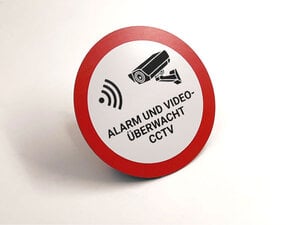
Prohibition signs utilise the universally recognised red circular format with diagonal bars, clearly indicating actions that must not be performed. These signs prove essential in areas where specific behaviours could create immediate danger—smoking near flammable materials, unauthorised access to restricted zones, or mobile phone use in sensitive electronic environments. The red colour psychology creates instant recognition of forbidden activities, whilst the standardised pictograms ensure understanding regardless of literacy levels or language barriers.
Mandatory signs employ blue circular backgrounds with white pictograms to indicate required actions or protective equipment. These signs become particularly crucial in industrial settings where personal protective equipment (PPE) requirements change between different work zones. Hard hat areas, safety goggle requirements, and hand washing stations all utilise this format to ensure compliance with health and safety protocols.
Warning signs adopt the distinctive yellow triangular format that immediately signals potential hazards. From electrical dangers to chemical storage areas, these signs provide advance notice of risks that require heightened awareness or specific precautions. The triangular shape creates visual urgency whilst the yellow background ensures high visibility even in challenging lighting conditions.
Wayfinding systems represent sophisticated signage networks designed to guide people efficiently through complex premises. Modern wayfinding goes beyond simple directional arrows, incorporating hierarchical information systems that provide overview maps, zone identification, and destination-specific routing. Effective wayfinding reduces confusion, improves traffic flow, and enhances user experience whilst reducing demands on reception staff.
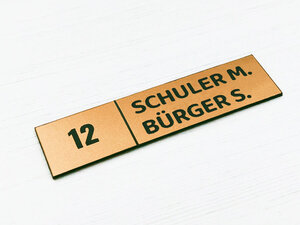
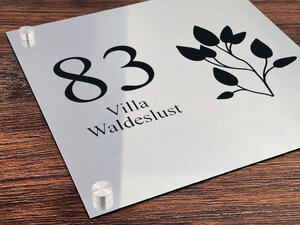
Room identification and numbering systems require careful consideration of visibility, durability, and accessibility requirements. These signs must remain legible from appropriate distances whilst withstanding daily wear from cleaning, impact, and environmental factors. Consistent typography, colour schemes, and mounting heights create professional appearance whilst supporting navigation efficiency.
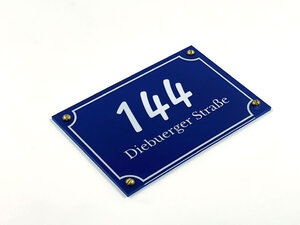
Building identification and branding signage operate under planning permission requirements that vary significantly across UK local authorities. Fully illuminated signs always require planning permission, whilst non-illuminated signs attached to buildings may qualify for permitted development rights subject to size and placement restrictions. Understanding these regulations prevents costly compliance issues and potential removal orders.
Parking and access control signage requires particular attention to enforceability and legal compliance. Private parking enforcement has become increasingly regulated, requiring specific wording, contact information, and appeals processes to ensure legal validity. Similarly, access control signs must clearly communicate restrictions whilst providing appropriate contact information for legitimate access requests.
Material selection directly impacts signage longevity, maintenance requirements, and total cost of ownership. The UK's challenging weather conditions—from coastal salt exposure to urban pollution and temperature fluctuations—demand materials that maintain appearance and functionality across extended service lives.
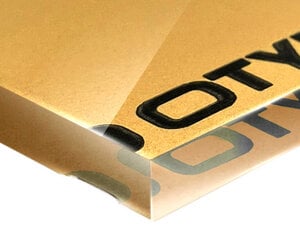
Acrylic (plexiglass) materials offer exceptional clarity and professional appearance for indoor applications, particularly where lighting effects or transparency enhance visual impact. High-grade acrylic resists yellowing, maintains colour stability, and accepts various printing and engraving techniques. The material's lightweight properties simplify installation whilst its durability ensures extended service life in controlled environments.
PVC materials provide cost-effective solutions for temporary or frequently updated signage, offering excellent printability and moderate durability for indoor applications. Modern PVC formulations resist fading and cracking whilst accepting adhesive graphics and direct printing techniques. The material's flexibility allows for curved installations and complex shapes whilst maintaining structural integrity.
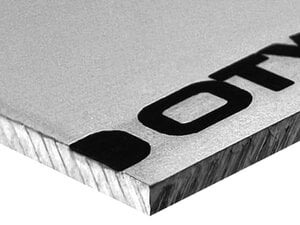
Aluminium substrates deliver premium durability and professional appearance for high-traffic indoor environments. Powder-coated aluminium surfaces resist scratching, maintain colour consistency, and accept various graphic application methods. The material's fire resistance and chemical stability make it particularly suitable for industrial and healthcare environments where safety requirements are paramount.
Marine-grade aluminium represents the gold standard for coastal and harsh outdoor environments, offering exceptional corrosion resistance and structural stability. The material's ability to withstand salt spray, temperature cycling, and UV exposure makes it ideal for long-term outdoor installations where replacement costs are significant. Specialised coatings and anodising treatments further enhance durability whilst maintaining aesthetic appeal.
UV-stable plastics incorporate advanced stabiliser packages that prevent colour degradation and material breakdown under continuous sun exposure. These materials prove particularly valuable for large-format signage where weight considerations and installation complexity favour plastic substrates over metal alternatives. Modern formulations maintain flexibility and impact resistance throughout extended outdoor service.
Laminated composite materials combine multiple layers to achieve specific performance characteristics—weather resistance, impact protection, and graphic quality. These engineered materials allow designers to optimise each layer for its specific function whilst achieving overall performance that exceeds single-material solutions. The lamination process also enables integration of security features and anti-tampering measures.
Effective signage design balances regulatory compliance, brand consistency, and functional performance to create solutions that serve multiple stakeholder requirements. Modern customisation capabilities enable businesses to achieve regulatory compliance whilst maintaining distinctive brand identity and operational efficiency.
Corporate colour matching within safety signage requires careful navigation of regulatory requirements that mandate specific colour schemes for different sign categories. However, opportunities exist to incorporate brand elements through typography selection, layout design, and supplementary information panels that complement mandatory safety elements. Successful brand integration maintains regulatory compliance whilst reinforcing corporate identity and professional appearance.
Logo incorporation must respect regulatory constraints whilst maximising brand visibility within permitted parameters. Safety signs typically restrict logo placement and sizing to ensure pictogram prominence, but informational and directional signage offer greater flexibility for brand expression. Strategic logo placement can enhance brand recognition without compromising sign functionality or regulatory compliance.
Viewing distance calculations determine appropriate sign sizing, typography selection, and contrast ratios to ensure legibility under various lighting conditions and viewing angles. Professional signage design considers both optimal and worst-case viewing scenarios, incorporating safety margins that maintain legibility even when environmental conditions are challenging.
Contrast requirements extend beyond simple colour selection to encompass lighting conditions, background environments, and accessibility needs. High-contrast designs benefit all users whilst proving essential for individuals with visual impairments. Modern design software enables precise contrast measurement and optimisation to ensure compliance with accessibility standards whilst maintaining aesthetic appeal.
Lighting considerations for 24/7 visibility require integration of illumination systems, reflective materials, or photoluminescent technologies that maintain sign visibility during power failures or low-light conditions. Emergency signage particularly benefits from photoluminescent materials that charge during normal lighting and provide extended visibility during evacuations.
Professional installation ensures signage performs as designed whilst meeting regulatory requirements and aesthetic expectations. Installation planning must consider structural requirements, accessibility needs, maintenance access, and potential future modifications or updates.
Wall-mounted systems with concealed fixings create clean, professional appearance whilst providing secure attachment that withstands environmental stresses and potential tampering. Modern mounting systems incorporate adjustability features that accommodate building tolerances and enable precise alignment during installation. Concealed fixings also reduce maintenance requirements by eliminating exposed hardware that could corrode or loosen over time.
Post-mounted outdoor installations require careful consideration of ground conditions, wind loading, and accessibility requirements. Professional installations incorporate appropriate foundation systems, corrosion protection, and structural redundancy to ensure long-term stability. The mounting height and angle optimisation ensures visibility whilst preventing obstruction of pedestrian or vehicle traffic.
Adhesive mounting systems offer convenient installation for lightweight signs in controlled environments, eliminating the need for drilling or structural modifications. Modern adhesive technologies provide reliable bonding whilst enabling clean removal when signage updates are required. However, adhesive mounting requires careful surface preparation and environmental consideration to ensure reliable performance.
Magnetic mounting systems enable quick installation and easy updating for changeable displays, particularly valuable in environments where information frequently changes or temporary signage is required. High-strength magnetic systems provide secure mounting whilst enabling tool-free installation and removal. The flexibility proves particularly valuable for seasonal displays or evolving regulatory requirements.
Proactive maintenance extends signage service life whilst ensuring continued compliance and professional appearance. Maintenance planning should consider environmental factors, usage patterns, and regulatory requirements that may necessitate periodic updates or replacements.
Cleaning procedures vary significantly between materials and environmental conditions, requiring tailored approaches that maintain appearance without damaging surfaces or graphics. Harsh cleaning chemicals can degrade certain materials or graphic applications, whilst inadequate cleaning allows contamination buildup that reduces visibility and professional appearance. Regular cleaning schedules prevent minor issues from developing into costly replacement requirements.
Weather damage prevention focuses on proactive measures that protect signage from environmental stresses before damage occurs. This includes drainage considerations that prevent water accumulation, wind load assessments that ensure structural adequacy, and UV protection measures that prevent premature fading or material degradation.
Information updating capabilities become increasingly important as businesses evolve and regulations change. Modular signage systems that enable content updates without complete replacement offer significant cost advantages whilst maintaining professional appearance. Digital integration also enables real-time updates for dynamic information whilst preserving static regulatory content.
Cost-effective maintenance scheduling balances proactive care with replacement planning to optimise total cost of ownership. Regular inspections identify developing issues before they require emergency repairs, whilst planned replacement schedules enable budget planning and bulk purchasing advantages. Maintenance records also support compliance documentation and warranty claims.
Professional signs represent essential business infrastructure that protects lives, ensures compliance, and reinforces brand identity across diverse UK environments. From regulatory compliance through material selection to installation and maintenance, every aspect of signage planning contributes to long-term success and operational efficiency. The investment in quality signage systems pays dividends through reduced liability, enhanced professional appearance, and improved operational efficiency. Whether you're updating existing signage to meet new regulations or implementing comprehensive signage systems for new facilities, partnering with experienced professionals ensures solutions that meet your specific requirements whilst delivering exceptional value and performance.
Custom quotes available for bulk or special requestsSecure payment via card or PayPalFree delivery from £60Up to 20% off with volume discounts! Create your own product easily with our online editorCustom quotes available for bulk or special requestsSecure payment via card or PayPalFree delivery from £60Up to 20% off with volume discounts!Create your own product easily with our online editor