Get a quote
express 4h


Your sign in just 2 minutes.
Full editor: 27 materials, 219 colors, 12 mounting options
Marking: laser engraving, mechanical or printed
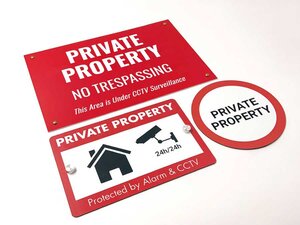


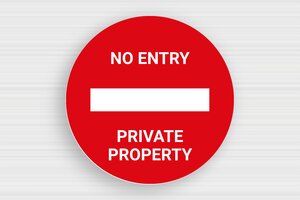
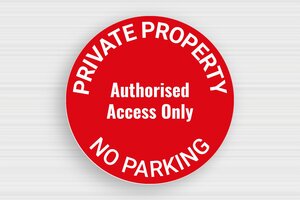
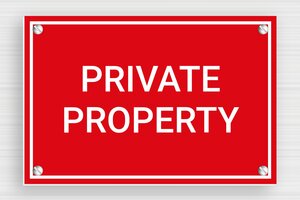
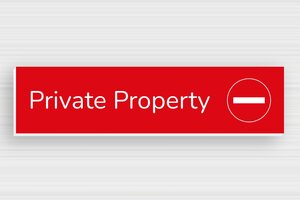

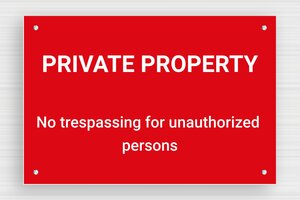
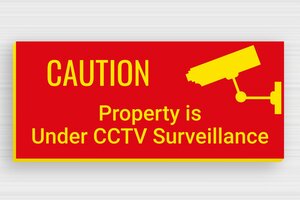
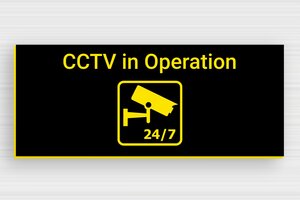
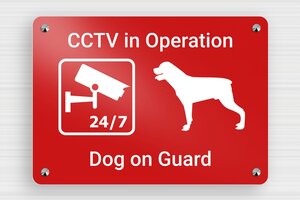
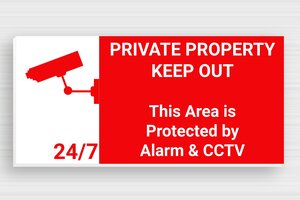
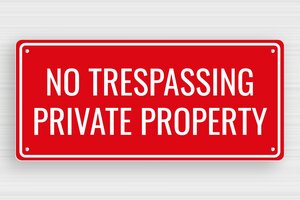

Private property signs are not legally required in the UK, but they serve important purposes for property owners. Under the Occupiers' Liability Acts of 1957 and 1984, property owners have specific duties of care towards visitors and trespassers.
While these acts don't mandate signage, clear boundary markers demonstrate that reasonable steps have been taken to warn potential trespassers. This documentation can prove valuable should legal issues arise, showing that property owners have made efforts to prevent unauthorised access.
Private property signs also help establish intent regarding access permissions, making it difficult for trespassers to claim they were unaware of property limits or access restrictions.
Effective private property sign wording should balance firmness with professionalism, clearly communicating boundaries without appearing threatening or aggressive. The most successful signs use direct, unambiguous language that leaves no doubt about access restrictions.
Recommended wording includes:
Important considerations:
The UK's variable climate demands signage materials that withstand rain, wind, temperature fluctuations, and UV exposure. Premium materials ensure your investment maintains its appearance and functionality across seasons.
Aluminium composite stands out as the premier choice for outdoor private property signs, offering:
Additional weather-resistant features include:
Quality materials typically provide 7-10 years of reliable service in British weather conditions.
Strategic placement requires careful consideration of visibility, legal requirements, and practical installation factors. The most visible location isn't always the most effective.
Primary placement locations:
For larger properties, consider:
Special considerations:
Quality private property signs manufactured from premium materials typically provide 7-10 years of reliable service when properly installed and maintained. The lifespan depends on several factors:
Factors affecting longevity:
Maintenance requirements:
Signs manufactured with weather-resistant materials and professional printing technology maintain their appearance and functionality throughout their lifespan, providing excellent long-term value for property owners.
Private property signs serve as essential boundary markers for UK homeowners, providing clear visual communication about property limits while deterring unwanted visitors. These customisable signage solutions have become increasingly important as privacy concerns grow and property boundaries require clearer definition. Whether you're protecting a rural estate, marking a residential driveway, or securing commercial premises, private property signs offer both practical security benefits and legal positioning advantages. With weather-resistant materials and professional customisation options, these signs represent a long-term investment in property protection and peace of mind.
The effectiveness of private property signage extends beyond simple boundary marking. Modern signs combine durability with aesthetic appeal, ensuring your message remains visible and professional for years to come. Quality materials like aluminium composite and UV-resistant printing technology guarantee that your investment withstands the British climate whilst maintaining clear, legible messaging that serves its intended purpose effectively.
Property owners across the UK face increasing challenges with unwanted visitors, from casual trespassers to more persistent intruders. Private property signs provide the first line of defence, establishing clear boundaries and communicating expectations to anyone approaching your premises. These signs serve multiple functions beyond simple deterrence, contributing to your overall security strategy whilst potentially reducing liability concerns.
The psychological impact of well-placed signage cannot be understated. Most individuals respect clearly marked boundaries, and professional-looking signs convey that the property owner takes security seriously. This visual deterrent often proves more effective than physical barriers alone, as it provides clear warning before any transgression occurs.
Under the Occupiers' Liability Acts of 1957 and 1984, property owners have specific duties of care towards visitors and trespassers. Whilst these acts don't mandate signage, clear boundary markers demonstrate that reasonable steps have been taken to warn potential trespassers. This documentation can prove valuable should legal issues arise, showing that property owners have made efforts to prevent unauthorised access.
Private property signs also help establish intent regarding access permissions. When boundaries are clearly marked, it becomes difficult for trespassers to claim they were unaware of property limits or access restrictions. This clarity benefits both property owners and visitors, reducing misunderstandings and potential conflicts.
The UK's variable climate demands signage materials that withstand rain, wind, temperature fluctuations, and UV exposure. Premium materials ensure your investment maintains its appearance and functionality across seasons, providing reliable service for years rather than requiring frequent replacement.
Aluminium composite stands out as the premier choice for outdoor private property signs. This material combines lightweight properties with exceptional durability, resisting corrosion, fading, and impact damage. The smooth surface accepts high-quality printing that remains vibrant despite weather exposure, whilst the material itself won't warp, crack, or deteriorate under normal conditions.
Modern UV-stabilised inks ensure that text and graphics remain sharp and legible throughout the sign's lifespan. This technology prevents the fading and colour degradation that affects inferior printing methods, maintaining professional appearance even after years of exposure to British weather conditions.
Protective coatings and laminates provide additional weather resistance, creating barriers against moisture, dirt, and atmospheric pollutants. These treatments extend sign life whilst making maintenance easier, as surfaces can be cleaned without damaging the underlying graphics or text.
Effective signage placement requires careful consideration of visibility, legal requirements, and practical installation factors. The most visible location isn't always the most effective, as signs must balance prominence with aesthetic considerations and potential planning restrictions.
Primary access points represent the most critical placement locations. Driveways, gates, and main pathways should feature clear signage that visitors encounter before entering the property proper. This positioning provides maximum deterrent effect whilst ensuring that legitimate visitors understand access protocols.
Sign height affects both visibility and security. Positioning signs at eye level ensures maximum readability, typically between 1.5 and 2 metres from ground level. However, security considerations may favour higher placement to prevent tampering or removal, particularly in areas with previous vandalism issues.
Multiple sign strategies work well for larger properties, with smaller signs marking specific areas and larger primary signs establishing overall property boundaries. This layered approach ensures comprehensive coverage whilst avoiding visual clutter that might detract from property aesthetics.
Rural properties often require different signage approaches compared to urban residential settings. Farmland and countryside estates benefit from larger, more robust signs that remain visible across greater distances. These signs might incorporate additional messaging about livestock, machinery, or specific hazards present on rural properties.
Urban residential properties typically favour more discrete signage that maintains neighbourhood aesthetics whilst providing clear boundary definition. Customisation options include incorporating house numbers, family names, or decorative elements that complement existing property features.
Properties within conservation areas or heritage designations may face restrictions on signage design, materials, or placement. Traditional materials like slate or wood-effect finishes can provide compliant solutions that respect historical contexts whilst delivering modern functionality and durability.
Working with experienced signage providers ensures compliance with local planning requirements whilst achieving effective boundary marking. Professional guidance helps navigate potential restrictions and identify solutions that satisfy both regulatory requirements and practical needs.
Effective private property sign wording balances firmness with professionalism, clearly communicating boundaries without appearing threatening or aggressive. The most successful signs use direct, unambiguous language that leaves no doubt about access restrictions whilst maintaining a respectful tone.
Standard phrases like "Private Property" and "No Unauthorised Entry" provide clear, legally recognised messaging that most people understand and respect. Additional elements might include contact information for legitimate visitors or specific warnings about security measures like CCTV monitoring.
Sign wording must avoid threatening language or misleading claims about legal consequences. Phrases suggesting prosecution or legal action should reflect actual intentions and capabilities, as false threats could create legal complications for property owners. Professional wording focuses on access restrictions rather than punitive measures.
GDPR compliance becomes relevant when signs mention CCTV or data collection activities. Clear, honest messaging about monitoring helps ensure compliance with data protection requirements whilst maintaining the deterrent effect of security measures.
Proper installation ensures sign longevity and effectiveness whilst avoiding potential safety hazards or property damage. Professional mounting systems distribute weight evenly and accommodate thermal expansion, preventing stress points that could lead to failure over time.
Post-mounted solutions offer flexibility for properties without suitable existing structures. Quality posts resist ground movement and weather exposure, providing stable platforms for signage whilst allowing for future adjustments or relocations as needs change.
Quality private property signs require minimal maintenance when properly installed and manufactured from premium materials. Regular cleaning with mild detergents maintains appearance, whilst periodic inspections ensure mounting systems remain secure and effective.
Planning for eventual replacement helps maintain consistent property presentation and security effectiveness. Quality signs typically provide 7-10 years of reliable service, with replacement timing depending on exposure conditions and aesthetic preferences.
Selecting the right signage provider significantly impacts both immediate results and long-term satisfaction. Experienced providers understand UK market requirements, regulatory considerations, and climate challenges, ensuring solutions that perform effectively in British conditions.
Otypo brings over 60 years of European signage expertise to the UK market, combining traditional craftsmanship with modern manufacturing techniques. Our online customisation tools allow you to design and preview your private property signs before ordering, ensuring complete satisfaction with the final product. Quality materials, professional printing, and efficient delivery services make the entire process straightforward and reliable.
Comprehensive customer support throughout the design, ordering, and installation process ensures successful outcomes and customer satisfaction. Professional providers offer guidance on material selection, wording options, and installation requirements, helping customers make informed decisions that meet their specific needs.
After-sales support, including warranties and replacement services, provides additional value and peace of mind. Quality providers stand behind their products with meaningful guarantees that protect customer investments and demonstrate confidence in their manufacturing standards.
Investing in quality private property signs represents a practical approach to property security and boundary definition. With proper material selection, professional design, and strategic placement, these signs provide years of reliable service whilst enhancing property presentation and security effectiveness. Whether protecting a family home, commercial premises, or rural estate, customised signage solutions offer the perfect balance of functionality, durability, and aesthetic appeal that UK property owners demand.