Signs by Area
Your sign in just 2 minutes.
Full editor: 27 materials, 219 colors, 12 mounting options
Marking: laser engraving, mechanical or printed
starting at £2.90

Your sign in just 2 minutes.
Full editor: 27 materials, 219 colors, 12 mounting options
Marking: laser engraving, mechanical or printed




Planning permission requirements for business signage vary significantly depending on sign size, location, and illumination. The Town and Country Planning Act governs external signage, with different rules applying to conservation areas, listed buildings, and standard commercial zones.
Key factors that determine planning permission requirements include:
For most standard business signs under certain size thresholds, planning permission may not be required. However, it's always advisable to check with your local planning authority before installation to avoid costly mistakes and ensure full legal compliance.
Healthcare and retail signage serve vastly different purposes and face distinct regulatory frameworks that directly impact their design and functionality requirements.
Healthcare signage requirements include:
Retail signage focuses on:
Material choices also differ significantly, with healthcare requiring hospital-grade cleanable surfaces, whilst retail prioritises visual impact and weather resistance.
UK health and safety regulations mandate specific signage requirements in all workplaces under the Health and Safety (Safety Signs and Signals) Regulations 1996. Compliance isn't optional – it's a legal requirement with significant penalties for non-compliance.
Essential compliance requirements include:
Sector-specific additions may include:
Professional signage providers understand these complex requirements and can ensure your signage meets all applicable regulations whilst maintaining professional appearance standards.
Material selection significantly impacts signage performance, longevity, and compliance with sector-specific requirements. Different industries demand materials that can withstand their unique environmental challenges.
Acrylic is ideal for:
Aluminium composite materials suit:
Traditional materials like brass and bronze work well for:
Industrial environments may require specialised materials that withstand temperature extremes, chemical exposure, and physical impact, whilst maintaining visibility of critical safety information.
Legal signage requirements vary significantly depending on your business sector, with each industry facing unique regulatory obligations that must be met to ensure compliance and safety.
Universal requirements for all UK businesses include:
Sector-specific legal requirements include:
Planning permission may also be required for external signage depending on size, location, and illumination. It's essential to consult with regulatory bodies specific to your sector and local planning authorities to ensure full compliance.
Sector-specific signage plays a crucial role in creating environments that work seamlessly for your specific business operations, directly impacting customer satisfaction and operational efficiency.
Customer experience improvements include:
Sector-specific benefits include:
Effective signage transforms how people navigate, understand, and interact with your business environment, creating positive impressions that support customer loyalty and business success.
Acrylic and aluminium composite materials each offer distinct advantages for business signage, with the choice depending on your specific environmental requirements and aesthetic preferences.
Acrylic advantages include:
Aluminium composite material benefits:
Application recommendations:
Both materials support digital printing and laser engraving, allowing full customisation whilst meeting sector-specific performance requirements.
Maintaining brand consistency across multiple business locations while adapting to sector-specific requirements presents unique challenges that require strategic planning and professional expertise.
Key strategies for brand consistency include:
Sector adaptation considerations:
Professional signage providers like Otypo excel in this area, offering customisation capabilities that ensure brand coherence across diverse operational environments. This includes maintaining consistent typography, colour schemes, and design elements whilst adapting materials and compliance features for each sector's specific requirements.
Every business sector has unique signage requirements that go beyond simple identification. From healthcare facilities needing clear wayfinding systems to industrial sites requiring comprehensive safety markers, sector-specific business signage plays a crucial role in operational efficiency, regulatory compliance, and customer experience. Understanding these distinct needs ensures your signage investment delivers maximum value whilst meeting all legal obligations.
Professional signage tailored to your industry sector isn't just about displaying your company name – it's about creating an environment that works seamlessly for your specific business operations. Whether you're managing a bustling retail space, a complex healthcare facility, or a safety-critical industrial site, the right signage solutions can transform how people navigate, understand, and interact with your business environment.
Different industries face vastly different regulatory frameworks, customer expectations, and operational challenges that directly impact their signage requirements. A restaurant's needs differ dramatically from those of a manufacturing facility, not just in aesthetic terms but in fundamental compliance and functionality requirements.
Regulatory compliance varies significantly across sectors. Healthcare facilities must adhere to NHS guidelines and Care Quality Commission standards, whilst industrial sites must comply with Health and Safety Executive requirements and ISO 7010 pictogram standards. Retail environments face planning permission considerations for external signage, and hospitality venues must display licensing information and allergen warnings under current UK legislation.
Customer experience expectations also differ markedly between sectors. Hospital patients require clear, reassuring wayfinding that reduces anxiety during stressful visits. Retail customers need engaging displays that guide purchasing decisions. Office visitors expect professional, understated signage that reflects corporate values. Each sector demands a different approach to visual communication.
Brand consistency becomes particularly challenging for multi-site operations across different sectors. A facilities management company serving both healthcare and retail clients needs signage solutions that maintain professional standards whilst adapting to sector-specific requirements. This is where specialised signage providers like Otypo excel, offering customisation capabilities that ensure brand coherence across diverse operational environments.
Healthcare environments present unique challenges requiring signage that combines regulatory compliance with patient-centred design. Wayfinding becomes critical in large hospital complexes where confused patients and visitors can create bottlenecks and increase stress levels. Clear directional signage using colour-coded systems helps people navigate efficiently to departments, wards, and essential services.
Accessibility compliance is non-negotiable in healthcare settings. Braille and tactile signage must accompany visual displays to ensure equal access for visually impaired users. High-contrast colour schemes and appropriate font sizes support patients with varying visual capabilities. Door signs, room identification, and department markers must meet Disability Discrimination Act requirements whilst maintaining the professional appearance expected in medical environments.
Infection control considerations influence material choices and mounting systems. Smooth, non-porous surfaces that can withstand regular cleaning with hospital-grade disinfectants are essential. Traditional materials like wood or fabric-covered boards are unsuitable, whilst acrylic and aluminium composite materials provide the durability and hygiene standards required in clinical settings.
Retail signage serves multiple functions beyond brand identification. Storefront displays must attract attention whilst complying with local planning regulations. Window graphics and promotional signage require materials that maintain clarity and colour vibrancy under constant UV exposure. Internal wayfinding helps customers locate specific departments or services, directly impacting sales conversion rates.
Point-of-sale signage plays a crucial role in purchasing decisions. Clear pricing displays, product information, and promotional materials must be easily updatable to reflect changing offers and stock levels. Digital menu boards in food retail allow dynamic content updates, whilst traditional printed materials offer cost-effective solutions for stable product ranges.
Regulatory displays in retail environments include opening hours, licensing information, and increasingly important allergen warnings. These mandatory signs must be clearly visible and professionally presented to maintain brand image whilst ensuring legal compliance. The challenge lies in integrating required information seamlessly with overall store design aesthetics.
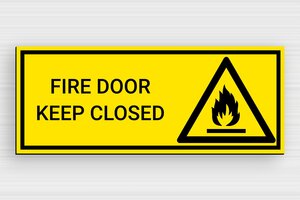
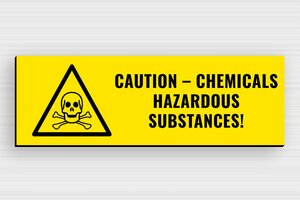
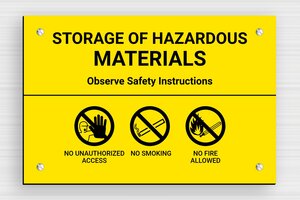
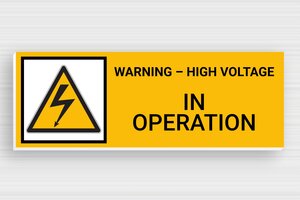
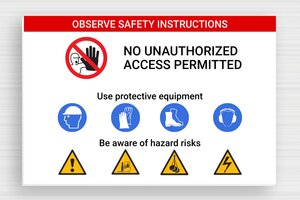
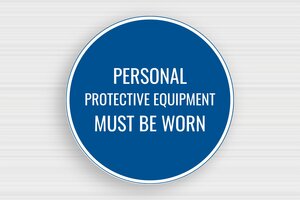
Industrial environments demand signage that prioritises safety whilst supporting operational efficiency. Health and safety compliance signage isn't optional – it's a legal requirement that can prevent accidents and save lives. Warning signs, mandatory instruction displays, and emergency procedure information must be clearly visible and instantly recognisable using standardised pictograms.
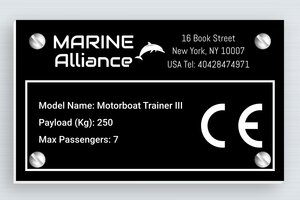
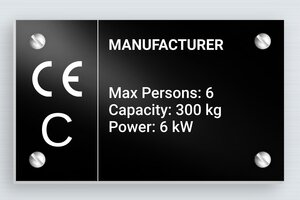
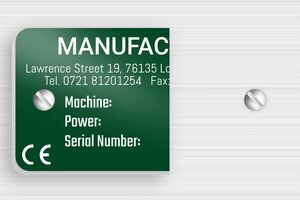
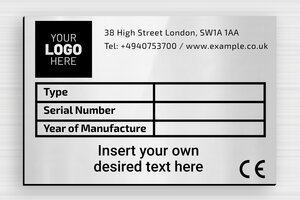
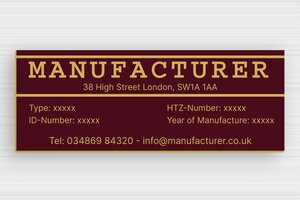
Equipment identification and operational signage help maintain workflow efficiency and support maintenance schedules. Machine labels, process instruction displays, and quality control checkpoints require durable materials that withstand harsh industrial conditions including temperature extremes, chemical exposure, and physical impact.
Emergency evacuation procedures require special attention in industrial settings. Fire exit routes, assembly point locations, and emergency contact information must remain visible even during power failures. Photoluminescent materials provide visibility in low-light conditions, whilst weather-resistant construction ensures outdoor emergency signage remains functional year-round.
Hotels, restaurants, and leisure facilities require signage that balances functionality with brand experience. Wayfinding in large hotel complexes helps guests navigate confidently to rooms, facilities, and services. Room numbering systems must be clear and logical, whilst directional signage should complement interior design themes without compromising visibility.
Restaurant signage extends beyond simple identification to include menu displays, table numbering, and service information. Outdoor dining areas require weather-resistant materials that maintain appearance throughout seasonal changes. Allergen information displays have become mandatory under Natasha's Law, requiring clear, accessible presentation of potentially life-saving information.
Event and conference signage in hospitality venues must be flexible and easily changeable. Modular systems allow quick reconfiguration for different events, whilst maintaining professional appearance standards. Digital displays offer dynamic content capabilities, though traditional printed solutions remain cost-effective for many applications.
Understanding UK signage regulations prevents costly mistakes and ensures legal compliance across all business sectors. Planning permission requirements vary significantly depending on sign size, location, and illumination. The Town and Country Planning Act governs external signage, with different rules applying to conservation areas, listed buildings, and standard commercial zones.
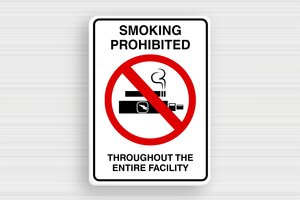
Health and Safety regulations mandate specific signage in all UK workplaces. The Health and Safety (Safety Signs and Signals) Regulations 1996 require standardised pictograms for hazard warnings, mandatory instructions, and emergency information. These aren't suggestions – they're legal requirements that carry significant penalties for non-compliance.
Fire safety signage falls under the Regulatory Reform (Fire Safety) Order 2005, requiring clear marking of escape routes, fire equipment locations, and assembly points. The familiar green "running man" exit sign isn't just good practice – it's a legal requirement that could save lives during emergencies.
Accessibility legislation requires consideration of users with visual impairments, mobility restrictions, and cognitive differences. The Equality Act 2010 influences signage design, requiring reasonable adjustments to ensure equal access. This includes appropriate contrast ratios, font sizes, and the provision of tactile alternatives where necessary.
Sector-specific regulations add additional layers of compliance. Food businesses must display allergen information clearly and accessibly. Licensed premises require specific licensing displays. Healthcare facilities must meet Care Quality Commission standards. Each sector brings unique regulatory challenges that professional signage providers must understand and address.
Material selection significantly impacts signage performance, longevity, and compliance with sector-specific requirements. Acrylic offers excellent clarity and weather resistance, making it ideal for both internal and external applications. Its smooth surface supports easy cleaning – crucial in healthcare environments – whilst maintaining professional appearance over extended periods.
Aluminium composite materials provide exceptional durability for demanding environments. The lightweight yet robust construction resists impact damage whilst offering excellent weather resistance for external installations. The smooth, non-porous surface prevents dirt accumulation and supports regular cleaning with industrial-strength disinfectants required in healthcare and food service environments.
Traditional materials like brass and bronze suit heritage environments and professional services where established, authoritative appearance is valued. These materials develop attractive patina over time whilst maintaining structural integrity for decades. However, they require different maintenance approaches and may not suit all regulatory environments.
Customisation capabilities ensure signage meets specific sector requirements whilst maintaining brand consistency. Digital printing allows full-colour graphics, photographs, and complex designs that traditional engraving cannot achieve. Laser engraving provides permanent, tamper-resistant text and graphics ideal for safety-critical applications where information must remain legible throughout the sign's operational life.
Size flexibility accommodates diverse installation requirements from small door plates to large directional displays. Custom sizing ensures optimal visibility whilst respecting architectural constraints and planning regulations. Colour matching capabilities maintain brand consistency across different materials and applications.
Effective signage design balances visibility, legibility, and aesthetic appeal whilst meeting sector-specific functional requirements. Typography choices significantly impact readability, particularly important in healthcare environments where clear communication can be life-critical. Sans-serif fonts generally provide better legibility at distance and in poor lighting conditions common in industrial environments.
Colour psychology plays different roles across sectors. Healthcare environments benefit from calming blues and greens that reduce patient anxiety, whilst industrial settings require high-contrast combinations that ensure safety information remains visible in challenging lighting conditions. Retail environments can use bold, attention-grabbing colours to drive customer engagement, provided they don't conflict with regulatory requirements.
Information hierarchy becomes crucial in complex environments like hospitals or large retail spaces. Primary wayfinding information must be immediately apparent, with secondary details available without overwhelming the main message. This requires careful consideration of text sizes, spacing, and visual emphasis techniques.
Environmental integration ensures signage complements existing architecture whilst maintaining functional effectiveness. Listed buildings and conservation areas may restrict colour choices and mounting methods, requiring creative solutions that satisfy both aesthetic and practical requirements. Modern office environments often favour minimalist approaches that support contemporary design themes.
Maintenance considerations influence design decisions, particularly in high-traffic environments. Smooth surfaces resist dirt accumulation and support easy cleaning. Modular designs allow individual component replacement without complete sign renewal. These factors significantly impact long-term operational costs and appearance maintenance.
Professional installation ensures signage performs optimally throughout its operational life whilst meeting all safety and regulatory requirements. Mounting systems must suit both the sign material and the installation surface, considering factors like wind loading, thermal expansion, and potential vandalism. Incorrect installation can compromise sign performance and create safety hazards.
Weather resistance becomes critical for external signage exposed to UK climate conditions. Proper sealing prevents water ingress that can cause delamination, discolouration, or structural failure. UV-resistant materials and finishes maintain appearance and legibility despite constant sun exposure. Quality installation techniques ensure these protective features function effectively.
Maintenance requirements vary significantly between materials and environments. Acrylic signage requires different cleaning approaches than aluminium composite materials. Healthcare environments demand more frequent cleaning with stronger disinfectants than typical office applications. Understanding these requirements during the design phase prevents performance issues and extends operational life.
Replacement and updating procedures should be considered during initial installation. Modular systems allow content updates without complete sign replacement, particularly valuable for information that changes regularly like staff directories or department locations. Quick-change systems support promotional updates in retail environments whilst maintaining professional appearance standards.
Regular inspection schedules help identify potential issues before they compromise sign performance or safety. Loose fixings, weather damage, or vandalism require prompt attention to maintain professional appearance and ensure continued compliance with safety regulations. Professional maintenance services can provide systematic inspection and remedial work, ensuring signage continues performing effectively throughout its operational life.
Choosing the right sector-specific business signage requires understanding your industry's unique requirements, regulatory obligations, and operational challenges. From healthcare facilities requiring accessible wayfinding systems to industrial sites needing comprehensive safety displays, each sector demands specialised approaches that balance functionality, compliance, and professional appearance. With over 60 years of experience in creating customised signage solutions, Otypo understands these diverse requirements and provides the expertise, materials, and customisation capabilities needed to deliver signage that truly serves your business objectives. Whether you're upgrading existing signage or planning new installations, professional guidance ensures your investment delivers lasting value whilst meeting all regulatory requirements and operational needs.
 Custom quotes available for bulk or special requests
'%3e%3cpath%20d='M20.5563%202.67834H1.42533C0.639422%202.67834%200%203.31772%200%204.10363V15.5822C0%2016.3682%200.639422%2017.0076%201.42533%2017.0076H15.3578C15.6167%2017.0076%2015.8265%2016.7977%2015.8265%2016.5388C15.8265%2016.2799%2015.6167%2016.0701%2015.3578%2016.0701H1.42533C1.15636%2016.0701%200.9375%2015.8512%200.9375%2015.5822V8.87691H21.0442V11.2778C21.0442%2011.5367%2021.254%2011.7465%2021.5129%2011.7465C21.7718%2011.7465%2021.9817%2011.5367%2021.9817%2011.2778V4.10363C21.9817%203.31772%2021.3423%202.67834%2020.5563%202.67834ZM1.42533%203.61584H20.5563C20.8253%203.61584%2021.0442%203.83466%2021.0442%204.10363V5.54799H0.9375V4.10363C0.9375%203.83466%201.15631%203.61584%201.42533%203.61584ZM0.9375%207.93941V6.48549H21.0442V7.93941H0.9375Z'%20fill='%230C4D5A'/%3e%3cpath%20d='M20.5563%202.67834H1.42533C0.639422%202.67834%200%203.31772%200%204.10363V15.5822C0%2016.3682%200.639422%2017.0076%201.42533%2017.0076H15.3578C15.6167%2017.0076%2015.8265%2016.7977%2015.8265%2016.5388C15.8265%2016.2799%2015.6167%2016.0701%2015.3578%2016.0701H1.42533C1.15636%2016.0701%200.9375%2015.8512%200.9375%2015.5822V8.87691H21.0442V11.2778C21.0442%2011.5367%2021.254%2011.7465%2021.5129%2011.7465C21.7718%2011.7465%2021.9817%2011.5367%2021.9817%2011.2778V4.10363C21.9817%203.31772%2021.3423%202.67834%2020.5563%202.67834ZM1.42533%203.61584H20.5563C20.8253%203.61584%2021.0442%203.83466%2021.0442%204.10363V5.54799H0.9375V4.10363C0.9375%203.83466%201.15631%203.61584%201.42533%203.61584ZM0.9375%207.93941V6.48549H21.0442V7.93941H0.9375Z'%20fill='black'%20fill-opacity='0.5'/%3e%3cpath%20d='M6.92061%2013.6835H2.61612C1.9962%2013.7059%201.99409%2014.5977%202.61612%2014.621H6.92061C7.54054%2014.5986%207.54265%2013.7067%206.92061%2013.6835Z'%20fill='%230C4D5A'/%3e%3cpath%20d='M6.92061%2013.6835H2.61612C1.9962%2013.7059%201.99409%2014.5977%202.61612%2014.621H6.92061C7.54054%2014.5986%207.54265%2013.7067%206.92061%2013.6835Z'%20fill='black'%20fill-opacity='0.5'/%3e%3cpath%20d='M6.92061%2011.7704H2.61612C1.9962%2011.7928%201.99409%2012.6846%202.61612%2012.7079H6.92061C7.54054%2012.6855%207.54265%2011.7936%206.92061%2011.7704Z'%20fill='%230C4D5A'/%3e%3cpath%20d='M6.92061%2011.7704H2.61612C1.9962%2011.7928%201.99409%2012.6846%202.61612%2012.7079H6.92061C7.54054%2012.6855%207.54265%2011.7936%206.92061%2011.7704Z'%20fill='black'%20fill-opacity='0.5'/%3e%3cpath%20fill-rule='evenodd'%20clip-rule='evenodd'%20d='M16.9424%2010.7995L14.5898%2013.152C14.5898%2016.752%2015.1919%2020.2222%2019.2948%2021.3216C23.3978%2020.2222%2023.9998%2016.752%2023.9998%2013.152L21.6473%2010.7995H16.9424Z'%20fill='%23FDF300'/%3e%3cpath%20d='M19.2949%2019.7875C16.7214%2019.0081%2016.1647%2016.8451%2016.0451%2013.9479C16.0413%2013.8187%2016.0909%2013.6937%2016.1822%2013.6023L17.4034%2012.3812C17.4913%2012.2933%2017.6105%2012.2439%2017.7348%2012.2439H20.8549C20.9792%2012.2439%2021.0985%2012.2933%2021.1864%2012.3812L22.4075%2013.6023C22.4989%2013.6937%2022.5485%2013.8187%2022.5446%2013.9478C22.4255%2016.8443%2021.8681%2019.0084%2019.2949%2019.7875ZM16.9894%2014.121C17.1385%2016.4295%2017.4228%2018.0275%2019.2949%2018.8167C21.1665%2018.0277%2021.4513%2016.4301%2021.6004%2014.121L20.6608%2013.1814H17.929L16.9894%2014.121Z'%20fill='%230C4D5A'/%3e%3cpath%20d='M19.2949%2019.7875C16.7214%2019.0081%2016.1647%2016.8451%2016.0451%2013.9479C16.0413%2013.8187%2016.0909%2013.6937%2016.1822%2013.6023L17.4034%2012.3812C17.4913%2012.2933%2017.6105%2012.2439%2017.7348%2012.2439H20.8549C20.9792%2012.2439%2021.0985%2012.2933%2021.1864%2012.3812L22.4075%2013.6023C22.4989%2013.6937%2022.5485%2013.8187%2022.5446%2013.9478C22.4255%2016.8443%2021.8681%2019.0084%2019.2949%2019.7875ZM16.9894%2014.121C17.1385%2016.4295%2017.4228%2018.0275%2019.2949%2018.8167C21.1665%2018.0277%2021.4513%2016.4301%2021.6004%2014.121L20.6608%2013.1814H17.929L16.9894%2014.121Z'%20fill='black'%20fill-opacity='0.5'/%3e%3c/g%3e%3cdefs%3e%3cclipPath%20id='clip0'%3e%3crect%20width='24'%20height='24'%20fill='white'/%3e%3c/clipPath%3e%3c/defs%3e%3c/svg%3e) Secure payment via card or PayPal
Secure payment via card or PayPal Free delivery from £60
 Up to 20% off with volume discounts!
 Create your own product easily with our online editorCustom quotes available for bulk or special requestsSecure payment via card or PayPalFree delivery from £60Up to 20% off with volume discounts!Create your own product easily with our online editor