Get a quote
express 4h


Your sign in just 2 minutes.
Full editor: 27 materials, 219 colors, 12 mounting options
Marking: laser engraving, mechanical or printed


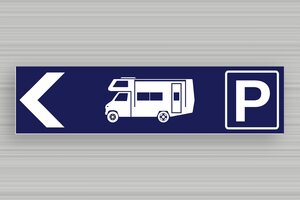


UK campsites and caravan parks must display several types of legally required signage to ensure safety and compliance. The essential signs include:
Planning permission is typically required for signs exceeding 0.3 square metres, particularly entrance signs and large directional markers. Fire safety regulations mandate specific signage requirements that vary depending on site capacity, accommodation types, and local fire authority requirements. Accessibility legislation also requires signage to accommodate visitors with visual impairments and mobility limitations, including appropriate contrast ratios and font sizes.
British weather presents unique challenges for outdoor signage, requiring materials that can withstand everything from Highland gales to coastal salt spray. The most effective materials include:
Manufacturing techniques also impact longevity. Engraved signage provides superior durability compared to printed alternatives, with text physically cut into the material surface. Digital printing with UV-cured inks and protective lamination offers weather resistance for full-colour designs. Professional edge sealing and mounting systems prevent water ingress and ensure signs remain securely attached through thermal expansion and contraction.
Yes, camping signs can be fully customised to reflect your site's unique brand identity and character. Customisation options include:
Professional design services ensure creative elements integrate effectively with practical information requirements whilst maintaining legibility and functionality. The key is maintaining consistency across all signage throughout your facility to reinforce brand recognition and create a professional appearance that distinguishes your site from competitors.
Brown tourist signs provide official highway recognition and direction for qualifying camping facilities, offering valuable marketing benefits alongside practical wayfinding assistance. The application process involves several key steps:
Successful applications result in professional highway signage that attracts visitors whilst enhancing your facility's credibility and perceived quality. Once approved, maintenance responsibilities typically fall to the facility operator, requiring ongoing attention to ensure signs remain clean, legible, and structurally sound. Regular inspection and prompt repair maintain the professional appearance that justifies the investment whilst preserving the marketing benefits these signs provide.
Motorhome and caravan facilities have distinct signage requirements due to their different operational needs and infrastructure:
Motorhome-specific signage includes:
Vehicle restriction signage for both types:
The key difference is that motorhomes require more comprehensive service point signage due to their self-contained nature, whilst caravans typically need clearer facility identification for shared amenities like toilet blocks and dishwashing areas. Both require clear directional signage and safety notices, but motorhome areas need additional technical service information.
Effective camping signs serve as the silent guardians of UK campsites, caravan parks, and motorhome facilities, ensuring safety, compliance, and positive visitor experiences across the country's diverse outdoor hospitality sector. From the windswept moors of Yorkshire to the coastal campsites of Cornwall, properly designed signage communicates essential information whilst maintaining the welcoming atmosphere that defines British camping culture. Whether you're managing a family-run caravan park, operating a glamping retreat, or overseeing a large holiday park, the right signage investment protects both your business and your guests.
The UK camping industry has evolved significantly, with modern facilities requiring sophisticated signage solutions that balance regulatory compliance with aesthetic appeal. Today's camping signs must withstand Britain's unpredictable weather patterns whilst delivering clear, accessible information to an increasingly diverse visitor base. European quality manufacturing ensures these essential communication tools maintain their effectiveness season after season, providing reliable service that justifies the investment for discerning site operators.
Understanding the specific requirements of camping signage helps operators make informed decisions that enhance both safety standards and guest satisfaction. From mandatory fire safety notices to custom directional markers, each sign plays a crucial role in creating well-organised, professionally managed outdoor accommodation facilities that meet contemporary expectations whilst preserving the charm of traditional British camping.
Modern UK campsites require a comprehensive range of signage to function effectively and safely. The foundation of any well-managed facility begins with clear directional signage that guides visitors seamlessly from arrival to departure. Reception areas need prominent identification, whilst internal road systems require speed limit reminders and directional arrows pointing towards key facilities. These wayfinding elements prevent confusion and reduce the burden on staff who would otherwise spend considerable time providing directions.
Safety signage forms the regulatory backbone of campsite operations, with fire assembly points, emergency contact information, and hazard warnings legally required across most UK facilities. Speed restriction signs, typically displaying 5mph limits, help maintain the peaceful atmosphere essential to camping whilst protecting children and pets who frequently roam freely within site boundaries. Water safety notices near ponds, streams, or coastal areas provide crucial warnings that could prevent accidents and potential liability issues.
Facility identification signs ensure guests can locate essential amenities quickly and efficiently. Toilet and shower blocks require clear marking, often incorporating universal symbols that transcend language barriers for international visitors. Dishwashing areas, laundry facilities, and chemical disposal points need specific identification to prevent misuse and maintain hygiene standards. These practical markers contribute significantly to operational efficiency and guest satisfaction.
Motorhome facilities demand specialised signage that addresses the unique needs of self-contained vehicles. Chemical disposal points, commonly known as elsan points, require clear identification with appropriate symbols and instructions for proper use. These signs must communicate both location and operating procedures, often including reminders about acceptable waste types and disposal methods that protect site infrastructure.
Service point signage for motorhomes encompasses fresh water taps, grey water disposal, and electrical hook-up connections. Each service requires distinct identification, with many operators choosing colour-coded systems that simplify the process for users. Hook-up point numbering systems help guests locate their designated connections whilst enabling site staff to manage electrical loads effectively across different pitch areas.
Vehicle restriction signs prove essential for protecting site infrastructure and ensuring appropriate pitch allocation. Height barriers, weight limits, and turning restrictions prevent damage to roads, landscaping, and underground services. These protective measures, when clearly communicated through professional signage, reduce maintenance costs whilst maintaining site accessibility for appropriate vehicles.
British weather presents unique challenges for outdoor signage, demanding materials that withstand everything from Highland gales to coastal salt spray. Aluminium composite panels offer exceptional durability, combining lightweight construction with superior weather resistance. These materials maintain their appearance and structural integrity through multiple seasons, making them ideal for permanent installations where replacement costs and maintenance disruption must be minimised.
UV-resistant plastics provide cost-effective solutions for temporary or seasonal signage requirements. Modern formulations resist fading, cracking, and brittleness even under prolonged exposure to British sunlight and temperature fluctuations. These materials work particularly well for information boards, temporary notices, and seasonal camping areas where flexibility and easy replacement are priorities.
Powder-coated steel offers unmatched durability for high-traffic areas and permanent installations. The coating process creates a protective barrier that resists corrosion, scratching, and impact damage whilst maintaining colour vibrancy for years. This premium option suits entrance signs, major directional markers, and safety notices where longevity and professional appearance are paramount considerations.
Engraved signage provides superior longevity compared to printed alternatives, with text and graphics physically cut into the material surface. This manufacturing approach ensures information remains legible even after years of weather exposure, making it ideal for safety-critical applications where clarity cannot be compromised. The engraving process creates permanent markings that resist fading, peeling, or wearing away under normal use conditions.
Digital printing technology enables full-colour graphics and complex designs whilst maintaining weather resistance through protective lamination. Modern UV-cured inks resist fading and colour shift, ensuring brand colours and safety warnings remain vibrant throughout their service life. This manufacturing method suits applications requiring detailed graphics, photographic elements, or multiple colours that would be impractical with traditional engraving techniques.
Edge sealing and mounting systems play crucial roles in sign longevity, preventing water ingress that could cause delamination or structural failure. Professional installation techniques ensure signs remain securely attached whilst allowing for thermal expansion and contraction. These technical considerations, whilst invisible to users, determine whether signage provides years of reliable service or requires premature replacement.
Planning permission requirements vary significantly across UK jurisdictions, with signs exceeding 0.3 square metres typically requiring local authority approval. This regulation affects entrance signs, large directional markers, and promotional displays that could impact visual amenity or highway safety. Understanding these requirements prevents costly enforcement action whilst ensuring signage projects proceed smoothly through the approval process.
Fire safety regulations mandate specific signage requirements for camping facilities, including assembly point identification, emergency contact information, and evacuation route markers. These legal obligations vary depending on site capacity, accommodation types, and local fire authority requirements. Compliance ensures both legal protection and genuine safety benefits for guests and staff during emergency situations.
Accessibility legislation requires signage to accommodate visitors with visual impairments, mobility limitations, and other disabilities. This includes appropriate contrast ratios, font sizes, and positioning heights that ensure information remains accessible to all users. Modern facilities increasingly incorporate tactile elements and multilingual information that welcomes diverse visitor groups whilst meeting legal obligations.
Brown tourist signs provide official recognition and highway direction for qualifying camping facilities, offering valuable marketing benefits alongside practical wayfinding assistance. The application process requires demonstration of tourist significance, appropriate facilities, and compliance with specific design standards. Successful applications result in professional highway signage that attracts visitors whilst enhancing the facility's credibility and perceived quality.
Design standards for brown signs specify exact colours, fonts, and symbol usage that maintain consistency across the UK highway network. These requirements ensure signs integrate seamlessly with existing infrastructure whilst providing clear, recognisable information to travellers. Professional design services help navigate these technical requirements whilst maximising the marketing impact of approved signage.
Maintenance responsibilities for brown tourist signs typically fall to the facility operator, requiring ongoing attention to ensure signs remain clean, legible, and structurally sound. Regular inspection and prompt repair maintain the professional appearance that justifies the initial investment whilst preserving the marketing benefits these signs provide to participating businesses.
Brand identity integration transforms functional signage into powerful marketing tools that reinforce site character and quality positioning. Custom colour schemes, typography choices, and graphic elements create cohesive visual identity that distinguishes facilities from competitors whilst building guest recognition and loyalty. These design elements work particularly effectively when consistently applied across all signage throughout the facility.
Logo incorporation and bespoke graphics enable sites to communicate their unique personality and values through visual design. Family-friendly facilities might choose playful, colourful approaches, whilst luxury glamping sites could opt for sophisticated, minimalist aesthetics. Professional design services ensure these creative elements integrate effectively with practical information requirements whilst maintaining legibility and functionality.
Size customisation allows signage to suit specific installation locations and viewing distances. Entrance signs require larger formats for highway visibility, whilst internal directional markers can use more modest dimensions appropriate to pedestrian traffic. This flexibility ensures optimal communication effectiveness whilst managing costs and visual impact across different applications.
International visitor accommodation requires careful consideration of language requirements, particularly for safety-critical information and facility directions. Symbol-based communication often provides the most effective solution, transcending language barriers whilst maintaining clear, immediate understanding. Professional symbol libraries ensure consistency with international standards that visitors recognise regardless of their native language.
Welsh language requirements apply to facilities in Wales, with specific obligations depending on location and facility type. Bilingual signage design requires careful planning to ensure both languages receive appropriate prominence whilst maintaining overall clarity and visual appeal. Professional translation services ensure accuracy and cultural appropriateness that reflects positively on facility management.
Seasonal signage flexibility allows facilities to adapt their communication approach based on visitor demographics and specific requirements. Temporary multilingual notices can address particular events or seasonal visitor patterns without requiring permanent signage modifications. This adaptability helps facilities respond effectively to changing market conditions whilst maintaining cost-effective signage solutions.
Site surveys form the foundation of successful signage installation, identifying optimal locations that balance visibility, accessibility, and practical constraints. Professional assessment considers viewing angles, lighting conditions, and potential obstructions that could compromise sign effectiveness. These preparatory steps prevent costly repositioning whilst ensuring signage achieves its intended communication objectives from the outset.
Ground conditions and mounting systems require careful matching to ensure long-term stability and safety. Coastal locations demand corrosion-resistant fixings, whilst areas with high winds need robust anchoring systems that prevent structural failure. Professional installation services understand these technical requirements whilst ensuring compliance with relevant safety standards and building regulations.
Maintenance scheduling extends signage lifespan whilst preserving professional appearance that reflects positively on facility management. Regular cleaning removes dirt, algae, and other deposits that could obscure information or create unprofessional impressions. Prompt repair of minor damage prevents deterioration that could require complete replacement, making maintenance a cost-effective investment in long-term signage performance.
Temporary signage systems provide flexibility for seasonal operations, special events, and changing facility requirements. Portable mounting systems enable quick installation and removal whilst maintaining professional appearance during use. These solutions suit facilities that operate seasonally or need to adapt their signage for different activities throughout the year.
Winter storage requirements protect seasonal signage from unnecessary weather exposure whilst ensuring availability for the following season. Proper storage techniques prevent damage from moisture, temperature fluctuations, and physical impacts that could compromise sign integrity. Investment in appropriate storage facilities pays dividends through extended signage lifespan and reduced replacement costs.
Weather monitoring helps facility operators make informed decisions about temporary signage deployment during adverse conditions. High winds, heavy snow, or extreme temperatures can damage inadequately secured signs whilst creating safety hazards for guests and staff. Proactive management prevents these issues whilst maintaining operational effectiveness throughout challenging weather periods.
Professional camping signs represent essential infrastructure investments that enhance safety, compliance, and guest satisfaction across UK outdoor accommodation facilities. Quality materials, thoughtful design, and proper installation ensure these communication tools provide years of reliable service whilst contributing to positive visitor experiences that encourage repeat bookings and positive recommendations. The combination of regulatory compliance, weather resistance, and aesthetic appeal creates signage solutions that protect both business interests and guest welfare.
Otypo's comprehensive signage solutions address the diverse requirements of modern camping facilities through European quality manufacturing and extensive customisation options. Our online design tools enable facility operators to create distinctive signage that reflects their unique brand identity whilst meeting all practical and regulatory requirements. With rapid production capabilities and reliable delivery throughout the UK, professional signage solutions remain accessible to operators of all sizes seeking to enhance their facilities' effectiveness and appeal.