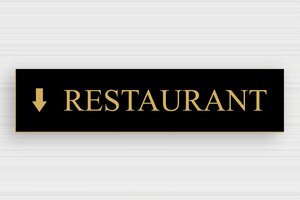
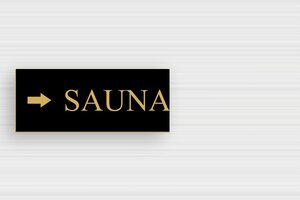
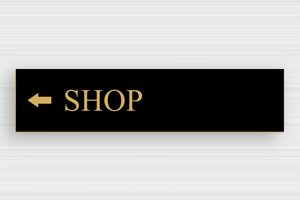
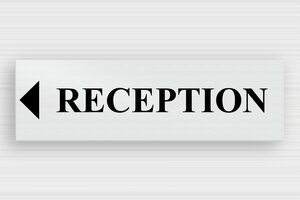
Hotel Signs
Your sign in just 2 minutes.
Full editor: 27 materials, 219 colors, 12 mounting options
Marking: laser engraving, mechanical or printed
starting at £6.62

Your sign in just 2 minutes.
Full editor: 27 materials, 219 colors, 12 mounting options
Marking: laser engraving, mechanical or printed
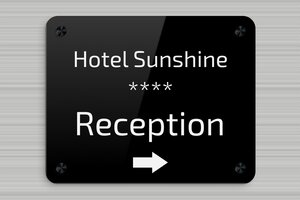
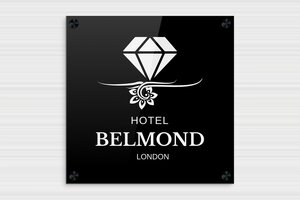
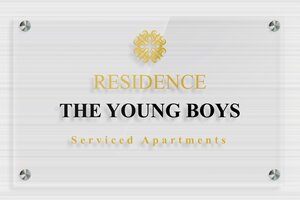

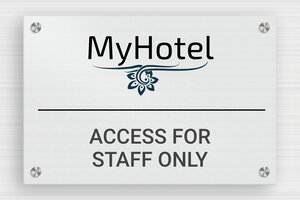
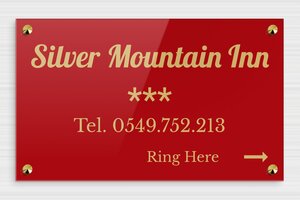
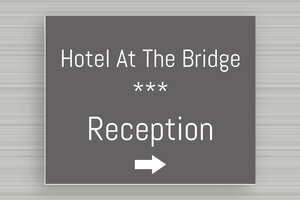
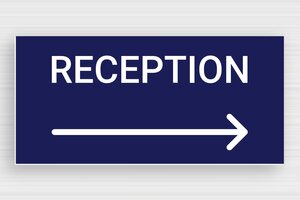
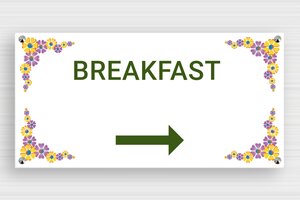
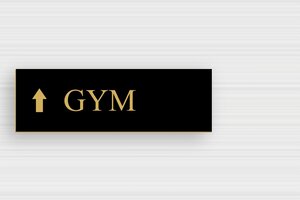

UK hotels require several essential signage types to ensure compliance and enhance guest experience. The most critical categories include:
All signage must meet UK regulatory standards whilst maintaining aesthetic appeal. Emergency signage requires photoluminescent materials or emergency lighting integration, whilst accessibility signage must provide tactile elements and appropriate contrast ratios for visually impaired guests.
Hotel environments demand materials that withstand constant exposure to cleaning chemicals, temperature variations, and heavy usage. The most durable options include:
Material selection significantly impacts both initial investment and long-term maintenance costs. Acrylic maintains colour stability throughout extended service periods, whilst aluminium's lightweight nature simplifies installation. For environmentally conscious hotels, recycled aluminium and eco-friendly acrylic formulations provide sustainable alternatives without compromising performance.
Custom hotel signage successfully balances brand identity with accessibility compliance through strategic design approaches:
The key is early collaboration between signage specialists and designers to ensure cohesive visual language. Finish options extend beyond colour to encompass texture and tactile qualities - matte finishes reduce glare whilst textured surfaces improve grip for accessible elements. This comprehensive approach creates inclusive environments that enhance brand perception whilst meeting UK Equality Act obligations.
Whilst often used interchangeably, wayfinding and directional signage serve distinct purposes in hotel environments:
Effective hotel wayfinding begins with understanding the complete guest journey from arrival to departure, creating seamless experiences that feel natural and welcoming. Wayfinding systems employ strategic placement at natural sight lines and decision points where guests pause to orient themselves.
Directional signage forms part of the broader wayfinding system but focuses on immediate navigation needs. Both must consider factors such as luggage handling, group dynamics, and cultural differences that influence how guests navigate unfamiliar environments. The most successful implementations integrate both approaches to reduce staff workload whilst enhancing guest satisfaction.
Hotel signage installation in the UK involves several regulatory considerations and practical requirements:
Installation solutions vary by environment and substrate characteristics. Screw and cap fixings provide permanent installation for high-value signage, whilst self-adhesive systems offer versatility for temporary applications. Standoff mounting creates sophisticated floating effects whilst providing cleaning access benefits.
Regular maintenance protocols ensure continued compliance throughout the signage system's operational life, particularly important for emergency evacuation route signage and accessibility elements.
Professional hotel signs serve as the silent ambassadors of your hospitality business, guiding guests seamlessly through their journey whilst reinforcing your brand identity at every touchpoint. From the moment visitors approach your entrance to their final departure, thoughtfully designed hotel signage creates an atmosphere of confidence and sophistication that distinguishes exceptional establishments from the ordinary. The hospitality industry demands signage solutions that balance aesthetic appeal with practical functionality, meeting stringent accessibility requirements whilst delivering the durability needed for high-traffic environments.
Creating an effective hotel wayfinding system requires understanding both the guest experience and operational efficiency. Modern hotel operators recognise that clear, attractive signage reduces staff workload by answering common guest queries before they're asked, whilst simultaneously enhancing the perceived value of the accommodation. Whether you're managing a boutique property or a large chain hotel, the right signage investment pays dividends through improved guest satisfaction scores and reduced operational friction.
Otypo specialises in crafting bespoke hotel signage solutions that combine European manufacturing excellence with intuitive online customisation tools, enabling hospitality professionals to create cohesive branding experiences that reflect their unique character and meet UK regulatory standards with confidence.
Effective hotel wayfinding begins with understanding the guest journey from arrival to departure. Each signage element serves a specific purpose in creating an intuitive navigation experience that reduces confusion and enhances satisfaction. The most successful hotel signage systems anticipate guest needs rather than simply responding to them, creating a seamless flow that feels natural and welcoming.
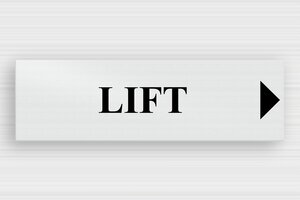
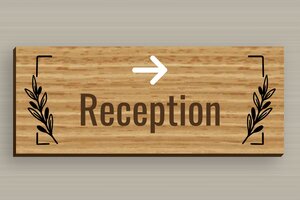
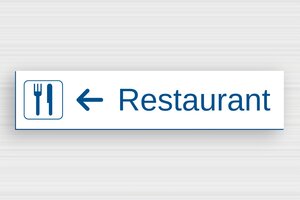
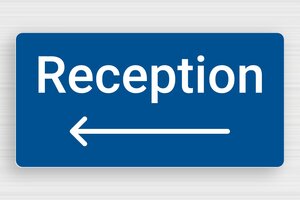
Reception and lobby areas require particular attention, as these spaces set the tone for the entire guest experience. Clear directional signage towards lifts, restaurants, conference facilities, and guest services eliminates the hesitation that can create negative first impressions. Digital information boards in lobbies have become increasingly popular for displaying dynamic content such as event schedules, weather updates, and local attractions, though traditional static signage remains essential for core wayfinding functions.
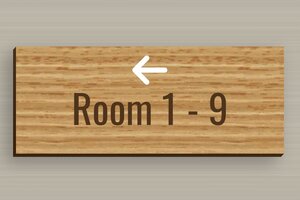
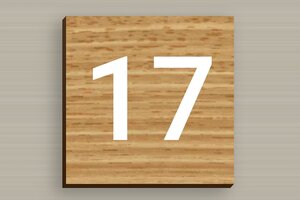
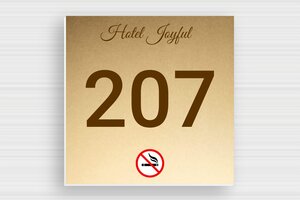
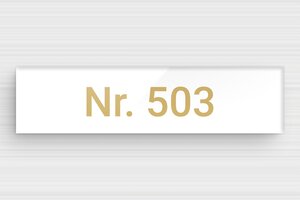
Hotel room signs represent one of the most critical signage applications, requiring durability to withstand constant handling whilst maintaining aesthetic appeal throughout their service life. Modern room identification systems extend beyond simple number displays to include accessibility features such as Braille elements and high-contrast colour schemes that comply with UK Equality Act requirements. The positioning of room numbers must consider viewing angles from multiple directions, ensuring guests can identify their accommodation from both corridor approaches.
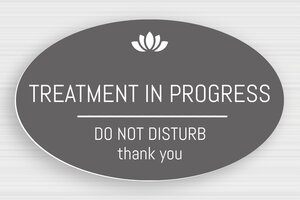
Privacy considerations have evolved significantly, with many hotels now incorporating sophisticated 'do not disturb' and 'service requested' indicators that integrate seamlessly with room door designs. These systems often utilise magnetic or sliding mechanisms that allow guests to communicate their preferences without compromising the door's aesthetic integrity. The materials selected for room signage must withstand frequent cleaning with commercial-grade disinfectants, particularly important in post-pandemic hospitality environments.
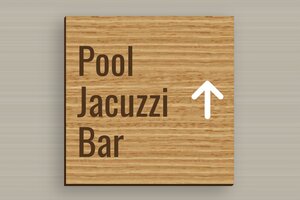
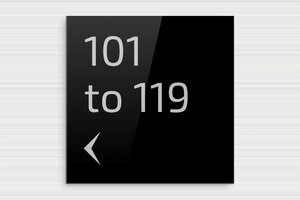
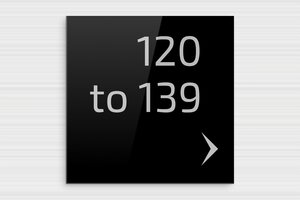
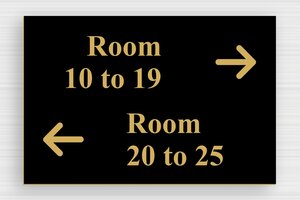
Large hotels and resort properties benefit enormously from comprehensive wayfinding systems that guide guests through complex layouts without creating visual clutter. Effective directional signage employs consistent iconography and colour coding that guests can quickly learn and follow throughout their stay. The placement of these signs requires careful consideration of natural sight lines and decision points where guests typically pause to orient themselves.
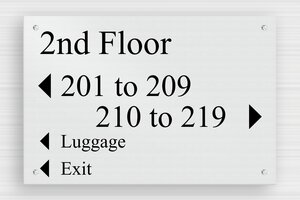
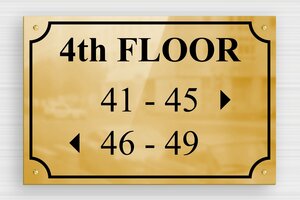
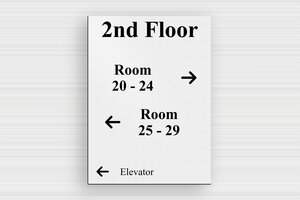
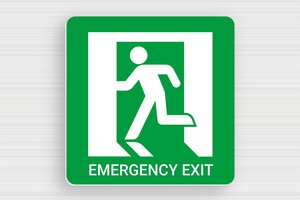
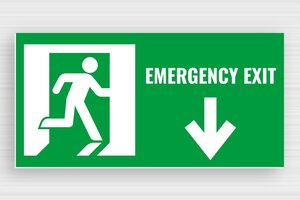
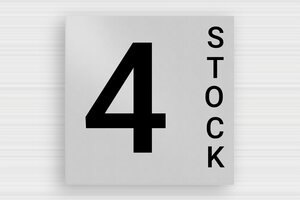
Stairwell and lift area signage serves dual purposes of wayfinding and emergency communication. Floor identification signs must be clearly visible and consistently positioned, whilst emergency exit routes require specific regulatory compliance in terms of illumination, positioning, and pictogram usage. The integration of these mandatory safety elements with the hotel's aesthetic design requires skilled planning to maintain visual harmony without compromising functionality.
The demanding environment of hotel operations requires signage materials that maintain their appearance and functionality despite constant exposure to cleaning chemicals, temperature variations, and heavy usage. Material selection significantly impacts both the initial investment and long-term maintenance costs, making informed choices crucial for sustainable signage programmes.
Acrylic signage offers exceptional versatility for hotel applications, providing crystal-clear transparency for backlit displays whilst offering excellent durability against impact and weathering. The material's ability to be precisely cut and engraved allows for intricate designs that incorporate hotel logos and decorative elements without compromising legibility. Acrylic's resistance to UV degradation makes it particularly suitable for areas with natural light exposure, maintaining colour stability throughout extended service periods.
Brushed aluminium has become increasingly popular for contemporary hotel designs, offering a sophisticated metallic finish that complements modern architectural elements. The material's natural antimicrobial properties provide additional hygiene benefits in high-touch applications such as door signs and directional panels. Aluminium's lightweight nature simplifies installation whilst its corrosion resistance ensures longevity even in coastal environments or areas with high humidity.
Brass signage continues to represent the pinnacle of luxury hotel applications, offering timeless elegance that enhances prestigious establishments. The material's natural patina development can be controlled through various finishing techniques, allowing hotels to achieve either consistent brightness or deliberately aged appearances that complement heritage properties. Brass requires more maintenance than modern alternatives but delivers unmatched visual impact for discerning clientele.
Sustainable material options have gained prominence as hotels seek to demonstrate environmental responsibility. Recycled aluminium and eco-friendly acrylic formulations provide environmentally conscious alternatives without compromising performance or aesthetics. These materials often carry relevant certifications that support hotel sustainability accreditation programmes, adding value beyond their functional benefits.
Brand consistency across all guest touchpoints creates the cohesive experience that distinguishes memorable hotels from forgettable accommodations. Custom hotel signs serve as powerful branding tools that reinforce identity whilst providing essential information, making every signage element an opportunity to strengthen brand recognition and guest loyalty.
Logo integration requires careful consideration of scale, positioning, and reproduction techniques to ensure consistent brand representation across diverse signage applications. Digital printing technologies enable full-colour logo reproduction on various substrates, whilst laser engraving provides permanent marking that won't fade or peel over time. The choice between these techniques depends on the desired aesthetic effect, durability requirements, and substrate characteristics.
Typography selection significantly influences both legibility and brand perception, with font choices communicating personality traits such as modernity, tradition, luxury, or approachability. Successful hotel signage programmes establish clear typography hierarchies that guide information consumption whilst maintaining visual consistency. Custom font development or careful selection from commercial libraries ensures unique brand expression that differentiates properties from competitors.
Colour psychology plays a crucial role in hotel signage design, with different hues evoking specific emotional responses that can enhance or detract from the intended guest experience. Warm colours create welcoming atmospheres suitable for leisure properties, whilst cooler tones project professionalism appropriate for business hotels. The challenge lies in balancing brand colours with practical considerations such as visibility, accessibility compliance, and maintenance requirements.
Finish options extend far beyond simple colour application, encompassing texture, reflectivity, and tactile qualities that contribute to the overall sensory experience. Matte finishes reduce glare and fingerprint visibility, making them ideal for high-touch applications, whilst glossy surfaces provide vibrant colour reproduction that commands attention in marketing applications. Textured finishes can add visual interest and improve grip for accessible signage elements.
UK hotels must comply with comprehensive accessibility legislation that extends beyond basic requirements to encompass inclusive design principles benefiting all guests. The Equality Act 2010 establishes clear obligations for reasonable adjustments, whilst British Standards provide detailed guidance on accessible signage implementation that goes beyond mere legal compliance to create genuinely inclusive environments.
Tactile signage elements, including Braille translations and raised character applications, require precise manufacturing to ensure consistent readability for visually impaired guests. The positioning of these elements follows specific guidelines regarding height, approach angles, and clear floor space that accommodate wheelchair users and mobility aids. Integration of tactile elements with visual design requires careful planning to maintain aesthetic coherence whilst meeting functional requirements.
Contrast ratios between text and background colours must meet specific standards to ensure legibility for guests with various visual impairments. These requirements influence both colour selection and lighting design, as ambient illumination affects perceived contrast throughout different times of day. Digital tools can verify contrast compliance during the design phase, preventing costly modifications after installation.
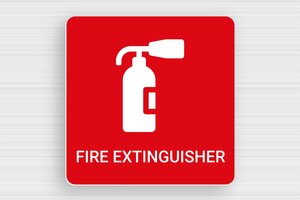
Fire safety signage represents a critical compliance area with specific requirements for illumination, positioning, and pictogram usage that cannot be compromised for aesthetic considerations. These signs must remain visible during power failures, requiring either photoluminescent materials or emergency lighting integration. The challenge for hotel designers lies in incorporating these mandatory elements without disrupting the overall design scheme.
Evacuation route signage must provide clear guidance from every guest room and public area to designated assembly points, with specific requirements for sign spacing, visibility distances, and multilingual considerations in international hotels. Regular maintenance and testing protocols ensure continued compliance and guest safety throughout the signage system's operational life.
Professional installation ensures signage performs as intended throughout its service life, with mounting methods selected to suit both substrate characteristics and environmental conditions. The variety of surfaces encountered in hotel environments, from historic masonry to modern curtain walling, requires diverse fixing solutions that provide security without compromising structural integrity.
Screw and cap fixings offer permanent installation suitable for high-value signage in secure locations, providing excellent resistance to tampering whilst maintaining clean aesthetic lines. The selection of appropriate fasteners considers both immediate holding strength and long-term corrosion resistance, particularly important in coastal locations or areas with aggressive cleaning regimes.
Self-adhesive mounting systems provide versatile solutions for temporary installations or situations where mechanical fixings are impractical. Modern structural adhesives offer impressive holding power whilst allowing clean removal when signage updates are required. These systems work particularly well for lightweight materials and smooth substrates, though surface preparation remains critical for reliable adhesion.
Standoff fixings create sophisticated floating effects that enhance perceived value whilst providing practical benefits such as improved cleaning access and reduced contact damage. The dimensional separation between signage and mounting surface creates subtle shadow effects that add visual interest and improve legibility in various lighting conditions. Material selection for standoff hardware should complement the signage design whilst providing adequate structural support.
Cable suspension systems offer elegant solutions for larger format signage in areas with high ceilings or where wall mounting is impractical. These systems require careful engineering to ensure stability whilst maintaining the clean aesthetic lines that characterise professional installations. Regular inspection protocols ensure continued safety and appearance throughout the system's operational life.
Understanding guest behaviour patterns enables strategic signage placement that anticipates information needs at critical decision points throughout the hotel journey. Successful hotel wayfinding signs consider factors such as luggage handling, group dynamics, and cultural differences that influence how guests navigate unfamiliar environments.
Lighting integration significantly impacts signage effectiveness, with considerations extending beyond basic visibility to encompass mood creation and energy efficiency. LED backlighting has revolutionised illuminated signage applications, offering precise colour control, reduced energy consumption, and extended service life compared to traditional fluorescent systems. The ability to dim or colour-change LED systems provides operational flexibility for different times of day or special events.
Information hierarchy guides guest attention through complex signage arrays, ensuring critical information receives appropriate prominence whilst supporting details remain accessible when needed. This principle applies both to individual sign layouts and comprehensive wayfinding systems, where consistent information ordering reduces cognitive load and improves navigation efficiency.
Successful hotel signage feels integral to the overall design concept rather than appearing as an afterthought or necessary evil. This integration requires early collaboration between signage specialists, interior designers, and architects to ensure cohesive visual language throughout all guest areas. The most effective solutions often incorporate architectural elements or material palettes that echo other design features within the space.
Seasonal adaptability allows hotels to refresh their visual presentation without complete signage replacement, particularly valuable for properties that cater to different market segments throughout the year. Modular signage systems with interchangeable elements provide this flexibility whilst maintaining consistent core branding and wayfinding functionality.
Professional hotel signs represent far more than functional necessities; they embody your commitment to guest experience excellence whilst demonstrating attention to detail that distinguishes exceptional hospitality providers. The investment in quality signage systems delivers measurable returns through improved guest satisfaction, reduced operational inefficiencies, and enhanced brand perception that supports premium positioning strategies. Otypo's comprehensive customisation capabilities, combined with deep understanding of hospitality sector requirements, ensure your signage solution perfectly balances aesthetic appeal with practical functionality. Our European manufacturing excellence and rapid delivery commitment mean your hotel can benefit from professional signage solutions that meet the demanding standards of modern hospitality operations whilst reflecting your unique brand personality.
 Custom quotes available for bulk or special requests
'%3e%3cpath%20d='M20.5563%202.67834H1.42533C0.639422%202.67834%200%203.31772%200%204.10363V15.5822C0%2016.3682%200.639422%2017.0076%201.42533%2017.0076H15.3578C15.6167%2017.0076%2015.8265%2016.7977%2015.8265%2016.5388C15.8265%2016.2799%2015.6167%2016.0701%2015.3578%2016.0701H1.42533C1.15636%2016.0701%200.9375%2015.8512%200.9375%2015.5822V8.87691H21.0442V11.2778C21.0442%2011.5367%2021.254%2011.7465%2021.5129%2011.7465C21.7718%2011.7465%2021.9817%2011.5367%2021.9817%2011.2778V4.10363C21.9817%203.31772%2021.3423%202.67834%2020.5563%202.67834ZM1.42533%203.61584H20.5563C20.8253%203.61584%2021.0442%203.83466%2021.0442%204.10363V5.54799H0.9375V4.10363C0.9375%203.83466%201.15631%203.61584%201.42533%203.61584ZM0.9375%207.93941V6.48549H21.0442V7.93941H0.9375Z'%20fill='%230C4D5A'/%3e%3cpath%20d='M20.5563%202.67834H1.42533C0.639422%202.67834%200%203.31772%200%204.10363V15.5822C0%2016.3682%200.639422%2017.0076%201.42533%2017.0076H15.3578C15.6167%2017.0076%2015.8265%2016.7977%2015.8265%2016.5388C15.8265%2016.2799%2015.6167%2016.0701%2015.3578%2016.0701H1.42533C1.15636%2016.0701%200.9375%2015.8512%200.9375%2015.5822V8.87691H21.0442V11.2778C21.0442%2011.5367%2021.254%2011.7465%2021.5129%2011.7465C21.7718%2011.7465%2021.9817%2011.5367%2021.9817%2011.2778V4.10363C21.9817%203.31772%2021.3423%202.67834%2020.5563%202.67834ZM1.42533%203.61584H20.5563C20.8253%203.61584%2021.0442%203.83466%2021.0442%204.10363V5.54799H0.9375V4.10363C0.9375%203.83466%201.15631%203.61584%201.42533%203.61584ZM0.9375%207.93941V6.48549H21.0442V7.93941H0.9375Z'%20fill='black'%20fill-opacity='0.5'/%3e%3cpath%20d='M6.92061%2013.6835H2.61612C1.9962%2013.7059%201.99409%2014.5977%202.61612%2014.621H6.92061C7.54054%2014.5986%207.54265%2013.7067%206.92061%2013.6835Z'%20fill='%230C4D5A'/%3e%3cpath%20d='M6.92061%2013.6835H2.61612C1.9962%2013.7059%201.99409%2014.5977%202.61612%2014.621H6.92061C7.54054%2014.5986%207.54265%2013.7067%206.92061%2013.6835Z'%20fill='black'%20fill-opacity='0.5'/%3e%3cpath%20d='M6.92061%2011.7704H2.61612C1.9962%2011.7928%201.99409%2012.6846%202.61612%2012.7079H6.92061C7.54054%2012.6855%207.54265%2011.7936%206.92061%2011.7704Z'%20fill='%230C4D5A'/%3e%3cpath%20d='M6.92061%2011.7704H2.61612C1.9962%2011.7928%201.99409%2012.6846%202.61612%2012.7079H6.92061C7.54054%2012.6855%207.54265%2011.7936%206.92061%2011.7704Z'%20fill='black'%20fill-opacity='0.5'/%3e%3cpath%20fill-rule='evenodd'%20clip-rule='evenodd'%20d='M16.9424%2010.7995L14.5898%2013.152C14.5898%2016.752%2015.1919%2020.2222%2019.2948%2021.3216C23.3978%2020.2222%2023.9998%2016.752%2023.9998%2013.152L21.6473%2010.7995H16.9424Z'%20fill='%23FDF300'/%3e%3cpath%20d='M19.2949%2019.7875C16.7214%2019.0081%2016.1647%2016.8451%2016.0451%2013.9479C16.0413%2013.8187%2016.0909%2013.6937%2016.1822%2013.6023L17.4034%2012.3812C17.4913%2012.2933%2017.6105%2012.2439%2017.7348%2012.2439H20.8549C20.9792%2012.2439%2021.0985%2012.2933%2021.1864%2012.3812L22.4075%2013.6023C22.4989%2013.6937%2022.5485%2013.8187%2022.5446%2013.9478C22.4255%2016.8443%2021.8681%2019.0084%2019.2949%2019.7875ZM16.9894%2014.121C17.1385%2016.4295%2017.4228%2018.0275%2019.2949%2018.8167C21.1665%2018.0277%2021.4513%2016.4301%2021.6004%2014.121L20.6608%2013.1814H17.929L16.9894%2014.121Z'%20fill='%230C4D5A'/%3e%3cpath%20d='M19.2949%2019.7875C16.7214%2019.0081%2016.1647%2016.8451%2016.0451%2013.9479C16.0413%2013.8187%2016.0909%2013.6937%2016.1822%2013.6023L17.4034%2012.3812C17.4913%2012.2933%2017.6105%2012.2439%2017.7348%2012.2439H20.8549C20.9792%2012.2439%2021.0985%2012.2933%2021.1864%2012.3812L22.4075%2013.6023C22.4989%2013.6937%2022.5485%2013.8187%2022.5446%2013.9478C22.4255%2016.8443%2021.8681%2019.0084%2019.2949%2019.7875ZM16.9894%2014.121C17.1385%2016.4295%2017.4228%2018.0275%2019.2949%2018.8167C21.1665%2018.0277%2021.4513%2016.4301%2021.6004%2014.121L20.6608%2013.1814H17.929L16.9894%2014.121Z'%20fill='black'%20fill-opacity='0.5'/%3e%3c/g%3e%3cdefs%3e%3cclipPath%20id='clip0'%3e%3crect%20width='24'%20height='24'%20fill='white'/%3e%3c/clipPath%3e%3c/defs%3e%3c/svg%3e) Secure payment via card or PayPal
Secure payment via card or PayPal Free delivery from £60
 Up to 20% off with volume discounts!
 Create your own product easily with our online editorCustom quotes available for bulk or special requestsSecure payment via card or PayPalFree delivery from £60Up to 20% off with volume discounts!Create your own product easily with our online editor