Get a quote
express 4h


Your sign in just 2 minutes.
Full editor: 27 materials, 219 colors, 12 mounting options
Marking: laser engraving, mechanical or printed



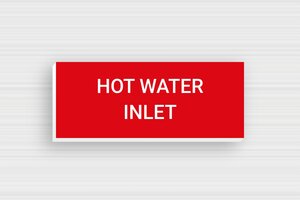
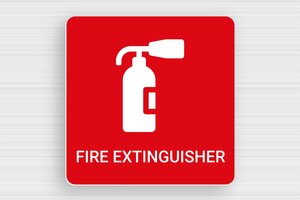

UK workplaces must display four primary categories of industrial safety signs to ensure compliance with Health and Safety regulations:
These categories follow BS EN ISO 7010 standards and are legally mandated under the Health and Safety (Safety Signs and Signals) Regulations 1996.
Selecting the right material for industrial signage depends on your specific environmental conditions and application requirements:
Aluminium signage offers exceptional durability and weather resistance, making it ideal for outdoor applications and harsh industrial environments. Its natural corrosion resistance and lightweight properties provide years of reliable service.
Stainless steel signage represents the premium choice for environments involving chemical exposure, extreme temperatures, or frequent cleaning requirements. It's particularly suitable for food processing, pharmaceutical manufacturing, and chemical plants.
High-impact plastics provide cost-effective solutions where weight reduction is important or frequent replacement might be necessary. Modern rigid plastics incorporate UV stabilisers for long-term outdoor performance.
Photoluminescent materials are essential for emergency signage applications, absorbing ambient light and emitting a visible glow during power failures or smoke conditions.
Consider factors such as temperature fluctuations, chemical exposure, mechanical impacts, and weather extremes when making your selection.
Yes, you can integrate company branding with industrial signage while maintaining full regulatory compliance, but careful balance is required:
Text customisation is particularly valuable for addressing unique workplace hazards or providing multilingual communication. While BS EN ISO 7010 standardises symbols and colours, supplementary text can clarify specific risks or provide additional context.
Corporate branding integration can enhance sign recognition and reinforce safety culture. Company logos and colour schemes can be incorporated in sign borders or backgrounds, but they must never compromise the clarity or standardisation of safety symbols.
Size customisation allows signs to match specific visibility requirements and installation constraints. Larger signs improve visibility in expansive industrial spaces, whilst smaller formats suit confined areas.
Multi-language signage addresses diverse workforce needs. Standardised symbols provide universal communication, but supplementary text in multiple languages can enhance understanding and compliance.
The key is ensuring that customisation enhances safety communication without compromising legal compliance requirements.
Regular inspection and maintenance schedules are essential for preserving sign effectiveness and ensuring continued compliance:
Inspection frequency should account for environmental exposure conditions. Outdoor signs require more frequent attention than indoor installations due to weather exposure, UV radiation, and temperature cycling.
Common maintenance tasks include:
Replacement indicators: Signs should be replaced when they show significant fading, physical damage, mounting failure, or when regulatory standards change. Environmental factors such as vibration from industrial equipment, chemical exposure, and high-humidity conditions can accelerate deterioration.
Documentation: Maintain inspection records to demonstrate compliance with health and safety requirements and to track sign performance over time.
A proactive maintenance approach ensures your signage system continues to provide reliable safety communication throughout its service life.
BS EN ISO 7010 represents the current international standard for safety signs, offering significant improvements over older systems:
Standardisation benefits: BS EN ISO 7010 ensures consistency across industries and countries, meaning a prohibition sign in a Manchester factory conveys the same message as one in a Birmingham warehouse. This standardisation proves particularly valuable in today's diverse workforce, where visual communication transcends language barriers.
Symbol clarity: The newer standard features more intuitive pictographic symbols that are easier to understand regardless of literacy level or native language. This universal approach improves safety communication effectiveness.
Colour specifications: BS EN ISO 7010 provides precise colour requirements and specifications that ensure optimal visibility and recognition under various lighting conditions.
Legal compliance: UK legislation, specifically the Health and Safety (Safety Signs and Signals) Regulations 1996, requires compliance with current standards. Using outdated signage formats may not meet legal requirements.
International recognition: The standard facilitates consistency for multinational companies and ensures signs meet requirements across different jurisdictions.
Upgrading to BS EN ISO 7010 compliant signage ensures both legal compliance and improved safety communication effectiveness.
Yes, mounting system selection should be tailored to specific environmental conditions and installation requirements:
Indoor mounting considerations:
Outdoor mounting requirements:
Environmental factors affecting choice:
Installation surfaces: Different mounting systems suit various surfaces - concrete, metal, wood, or composite materials each require specific fastener types and installation techniques.
Selecting appropriate mounting systems for specific environmental conditions ensures reliable long-term performance and maintains sign effectiveness.
Photoluminescent signs are not universally mandatory for all emergency exits, but UK regulations increasingly recognise their value, particularly in complex industrial facilities:
Current requirements: Emergency signs must remain visible during power failures, leading many facilities to invest in photoluminescent signage that glows in darkness. These signs absorb ambient light during normal conditions and emit a visible glow when darkness falls.
Industry-specific considerations:
Regulatory framework: While not explicitly mandated in all cases, the Health and Safety (Safety Signs and Signals) Regulations 1996 require that emergency signage remains effective during crisis situations. Photoluminescent signs often represent the most reliable solution for meeting this requirement.
Best practice recommendations: Many safety professionals recommend photoluminescent emergency signage as a best practice, particularly for industrial environments where reliable emergency guidance is critical for worker safety.
Consult with safety professionals to determine the most appropriate emergency signage solution for your specific industrial facility and risk profile.
Ensuring regulatory compliance requires understanding both general safety requirements and industry-specific standards:
Key legislation to follow:
Compliance checklist:
Industry-specific requirements: Different industries may impose additional requirements based on specific risk profiles. Manufacturing, construction, and warehouse operations each have unique signage considerations.
Professional guidance: Consider consulting with safety professionals or signage suppliers who demonstrate knowledge of relevant regulations and standards to ensure your signage system provides both legal compliance and effective safety communication.
Industrial signs serve as the backbone of workplace safety across the UK, protecting employees and visitors whilst ensuring compliance with stringent health and safety regulations. These essential safety tools encompass everything from prohibition notices and warning alerts to mandatory instruction signs and emergency guidance systems. In today's competitive business environment, choosing the right industrial signs isn't just about meeting legal requirements – it's about creating a culture of safety that protects your most valuable assets: your people.
Modern industrial environments present unique challenges that demand robust, clearly visible signage solutions. Whether you're managing a bustling manufacturing facility, overseeing construction operations, or maintaining warehouse logistics, the right signage can mean the difference between a safe workplace and a costly accident. With over six decades of experience in crafting premium signage solutions, Otypo understands the critical importance of combining European quality manufacturing with intuitive customisation tools, ensuring every sign meets both regulatory standards and your specific operational needs.
Industrial signs represent far more than simple wall decorations – they're legally mandated safety devices that communicate critical information instantly and universally. Under the Health and Safety (Safety Signs and Signals) Regulations 1996, UK employers must provide appropriate signage wherever workplace risks cannot be eliminated through other means. This legislation, enforced by the Health and Safety Executive (HSE), ensures that every worker, regardless of their native language or literacy level, can understand potential hazards and required actions through standardised symbols and colours.
The regulatory framework governing industrial signage in the UK centres on BS EN ISO 7010 standards, which specify the design, colour schemes, and placement requirements for safety signs. These standards ensure consistency across industries, meaning a prohibition sign in a Manchester factory conveys the same message as one in a Birmingham warehouse. This standardisation proves particularly valuable in today's diverse workforce, where visual communication transcends language barriers.
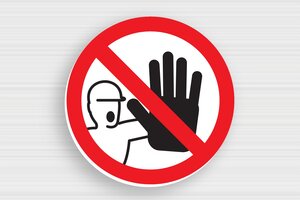
Industrial safety signs fall into four primary categories, each serving distinct communication purposes. Prohibition signs, distinguished by their red circular format with diagonal lines, clearly indicate forbidden actions or areas. Common examples include "No Smoking" signs in chemical storage areas or "Unauthorised Personnel Prohibited" notices in restricted zones. These signs carry significant legal weight, as violations can result in serious safety incidents and regulatory penalties.
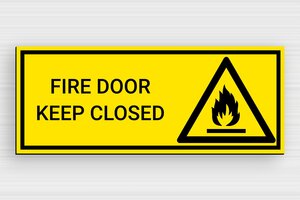
Warning signs utilise yellow triangular formats to alert workers to potential hazards. From "High Voltage" warnings near electrical equipment to "Forklift Operating Area" alerts in busy warehouses, these signs serve as crucial first lines of defence against workplace accidents. The bright yellow colouring ensures visibility even in challenging lighting conditions, whilst the triangular shape provides instant recognition of caution requirements.
Mandatory signs, featuring blue circular backgrounds with white symbols, communicate required actions or protective equipment usage. "Hard Hat Area" signs, "Safety Boots Required" notices, and "Eye Protection Must Be Worn" instructions fall into this category. These signs don't merely suggest best practices – they indicate legal requirements that employers must enforce and employees must follow.
Emergency signs represent perhaps the most critical category of industrial signage, literally guiding people to safety during crisis situations. Fire exit signs, assembly point markers, and emergency equipment locations must remain visible even during power failures, leading many facilities to invest in photoluminescent signage that glows in darkness. These signs require strategic placement based on building layouts, occupancy levels, and evacuation procedures.
Information signs provide general guidance and facility identification without the urgency of safety warnings. Company identification plaques, directional signage, and operational instructions help maintain organised, efficient workplaces. Whilst not always legally mandated, these signs contribute significantly to overall workplace safety by reducing confusion and improving navigation.
Industrial environments subject signage to extreme conditions that would quickly destroy conventional materials. Temperature fluctuations, chemical exposure, mechanical impacts, and weather extremes demand signage solutions engineered for longevity and reliability. Understanding material properties and their suitability for specific applications ensures your investment in safety signage provides years of dependable service.
Aluminium signage offers exceptional durability and weather resistance, making it ideal for outdoor applications and harsh industrial environments. The material's natural corrosion resistance, enhanced through anodising processes, ensures signs maintain their appearance and legibility even after years of exposure to rain, UV radiation, and temperature cycling. Aluminium's lightweight properties also simplify installation whilst providing sufficient rigidity to resist wind loading and mechanical damage.
Stainless steel signage represents the premium choice for environments involving chemical exposure, extreme temperatures, or frequent cleaning requirements. Food processing facilities, pharmaceutical manufacturing, and chemical plants often specify stainless steel signs due to their resistance to corrosion, ease of sanitisation, and ability to withstand aggressive cleaning agents. The material's inherent strength also provides excellent resistance to vandalism and accidental damage.
High-impact plastics offer cost-effective solutions for many industrial applications, particularly where weight reduction is important or where frequent replacement might be necessary. Modern rigid plastics incorporate UV stabilisers and impact modifiers that provide years of reliable service whilst maintaining vibrant colours and sharp text definition. These materials prove particularly valuable for temporary signage or applications where magnetic mounting systems are preferred.
Photoluminescent materials deserve special consideration for emergency signage applications. These specialised compounds absorb ambient light during normal conditions and emit a visible glow when darkness falls, ensuring critical safety information remains visible during power failures or smoke conditions. UK regulations increasingly recognise the value of photoluminescent signage, particularly in complex industrial facilities where traditional emergency lighting might prove insufficient.
Modern industrial operations require signage solutions that balance regulatory compliance with operational efficiency and brand identity. Customisation capabilities allow businesses to address site-specific hazards, incorporate company branding within regulatory constraints, and create signage systems that integrate seamlessly with existing safety management protocols. The key lies in understanding where customisation enhances safety communication without compromising legal compliance.
Text customisation proves particularly valuable for addressing unique workplace hazards or providing multilingual communication in diverse workforces. Whilst BS EN ISO 7010 standardises symbols and colours, supplementary text can clarify specific risks or provide additional guidance. For example, a standard "Danger" symbol might be enhanced with text specifying "Confined Space - Permit Required" or "Chemical Storage - Authorised Personnel Only" to provide context-specific information.
Corporate branding integration requires careful balance between visual identity and safety communication. Company logos and colour schemes can enhance sign recognition and reinforce safety culture, but they must never compromise the clarity or standardisation of safety symbols. Successful integration typically involves incorporating company colours in sign borders or backgrounds whilst maintaining standard symbol colours and formats.
Size customisation allows signs to match specific visibility requirements and installation constraints. Larger signs improve visibility in expansive industrial spaces, whilst smaller formats suit confined areas or equipment-mounted applications. Calculating appropriate sign sizes involves considering viewing distances, ambient lighting conditions, and potential visual obstructions to ensure critical safety information remains clearly visible to all personnel.
Multi-language signage addresses the reality of today's diverse industrial workforce. Whilst standardised symbols provide universal communication, supplementary text in multiple languages can enhance understanding and compliance. This approach proves particularly valuable for complex procedures or site-specific hazards that require detailed explanation beyond simple pictographic communication.
Proper installation and ongoing maintenance determine whether industrial signs fulfil their safety mission or become ineffective wall decorations. Strategic placement, secure mounting, and regular inspection ensure signage systems provide reliable safety communication throughout their service lives. Understanding installation best practices and maintenance requirements helps maximise the return on safety signage investments.
Sign placement requires careful consideration of sight lines, lighting conditions, and traffic patterns. Safety signs must be positioned where they're most likely to be seen by personnel who need the information, taking into account normal work activities, equipment placement, and potential visual obstructions. Height considerations prove particularly important, as signs mounted too high may be missed whilst those placed too low risk damage from industrial activities.
Mounting system selection depends on installation surfaces, environmental conditions, and maintenance requirements. Mechanical fasteners provide maximum security for permanent installations, whilst adhesive mounting offers quick installation and removal for temporary applications. Magnetic mounting systems suit metal surfaces where frequent repositioning might be necessary, such as mobile equipment or changing work areas.
Environmental factors significantly influence mounting system performance and sign longevity. Vibration from industrial equipment can loosen mechanical fasteners over time, whilst temperature cycling affects adhesive performance. Chemical exposure may degrade certain mounting materials, and high-humidity environments can promote corrosion of metal fasteners. Selecting appropriate mounting systems for specific environmental conditions ensures reliable long-term performance.
Regular inspection and maintenance preserve sign effectiveness and extend service life. Inspection schedules should account for environmental exposure, with outdoor signs requiring more frequent attention than indoor installations. Common maintenance tasks include cleaning to maintain visibility, checking mounting security, and replacing signs showing wear, damage, or fading that could compromise safety communication.
Navigating the complex landscape of industrial signage regulations requires understanding both general safety requirements and industry-specific standards. UK legislation provides the framework, but individual industries often impose additional requirements based on specific risk profiles and operational characteristics. Staying current with regulatory changes and industry best practices ensures signage systems provide both legal compliance and effective safety communication.
The Health and Safety (Safety Signs and Signals) Regulations 1996 establish the foundation for UK signage requirements, mandating the use of standardised signs wherever workplace risks cannot be eliminated through other means. These regulations specify when signs must be used, what formats they must follow, and how they should be maintained. Compliance isn't optional – it's a legal requirement that carries significant penalties for violations.
Construction sites face unique signage challenges due to changing work areas, temporary structures, and diverse contractor workforces. The Construction (Design and Management) Regulations 2015 impose specific signage requirements for construction activities, including site identification, hazard warnings, and emergency procedures. Temporary signage systems must provide the same level of safety communication as permanent installations whilst accommodating the dynamic nature of construction work.
Manufacturing facilities must address hazards ranging from machinery operation to chemical handling, often requiring comprehensive signage systems that cover multiple risk categories. The Provision and Use of Work Equipment Regulations 1998 specify signage requirements for machinery and equipment, whilst COSHH regulations govern chemical hazard communication. Effective manufacturing signage systems integrate these various requirements into coherent, easily understood safety communication networks.
Warehouse and logistics operations present their own signage challenges, particularly regarding mobile equipment operation and pedestrian safety. The interaction between forklifts, automated systems, and human workers requires clear traffic management signage, designated walkways, and equipment operation zones. Height restrictions, load capacity warnings, and emergency procedures must be clearly communicated throughout these dynamic environments.
Selecting an appropriate signage supplier involves evaluating technical capabilities, regulatory knowledge, and service quality to ensure your safety signage investment provides maximum value and reliability. The right supplier becomes a partner in maintaining workplace safety, offering expertise that extends beyond simple product provision to include consultation, customisation, and ongoing support.
Technical expertise represents a fundamental requirement for industrial signage suppliers. Understanding material properties, environmental challenges, and installation requirements ensures recommended solutions will perform reliably in your specific applications. Suppliers should demonstrate knowledge of relevant regulations and standards, helping you navigate compliance requirements whilst optimising signage effectiveness.
Quality certification provides assurance that signage products meet specified performance standards and regulatory requirements. Look for suppliers who can demonstrate compliance with BS EN ISO 7010 standards and provide documentation supporting material specifications and performance claims. Third-party testing and certification add credibility to supplier claims and provide confidence in product reliability.
Manufacturing capabilities and quality control processes directly impact product consistency and reliability. Suppliers should demonstrate robust quality management systems, appropriate manufacturing equipment, and skilled personnel capable of producing signage that meets demanding industrial requirements. Site visits or facility certifications can provide insight into supplier capabilities and commitment to quality.
Service capabilities encompass consultation, customisation, delivery, and after-sales support. The best suppliers offer comprehensive services that simplify the signage procurement process whilst ensuring optimal outcomes. This includes site surveys, regulatory guidance, installation support, and maintenance advice that helps maximise signage system effectiveness and longevity.
Otypo's approach to industrial signs reflects decades of experience in creating signage solutions that combine regulatory compliance with practical functionality. Our comprehensive range of materials, customisation capabilities, and commitment to rapid delivery ensures UK businesses can access the safety signage they need when they need it. From initial consultation through final installation, our team provides the expertise and support necessary to create effective, compliant signage systems that protect your workforce and support your operational objectives.
Investing in quality industrial signage represents an investment in workplace safety, regulatory compliance, and operational efficiency. By choosing signage solutions that combine proven materials, expert customisation, and reliable service, you create safety communication systems that serve your organisation for years to come. Whether you're upgrading existing signage or implementing comprehensive safety communication systems, the right signage partner makes all the difference in achieving your safety and compliance objectives.