Get a quote
express 4h


Your sign in just 2 minutes.
Full editor: 27 materials, 219 colors, 12 mounting options
Marking: laser engraving, mechanical or printed
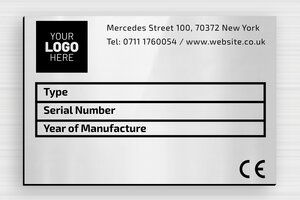
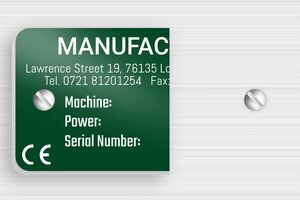
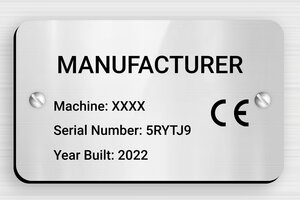


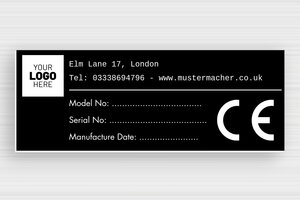

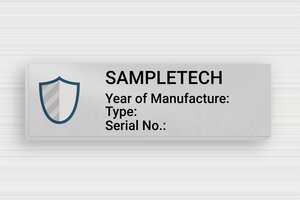
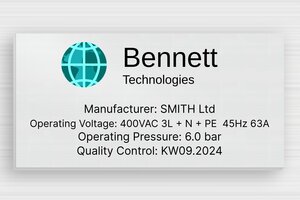
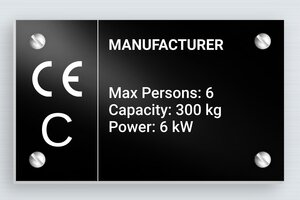

For harsh UK industrial environments, material selection is crucial for long-term performance and reliability. The best options depend on your specific environmental conditions:
Consider factors such as temperature ranges, chemical exposure, UV radiation, and mechanical stress when selecting materials. Metal options excel in petrochemical facilities, marine applications, and extreme temperature environments where polymer materials would fail.
Compliance with BS 7671 (IET Wiring Regulations) and UK safety standards requires specific labelling practices for electrical installations:
The Health and Safety at Work Act 1974 requires employers to ensure all electrical installations are properly identified and maintained. Professional cable labels play a vital role in meeting these obligations by providing permanent identification that enables safe working practices and reduces accident risk. Non-compliance can result in enforcement notices, prosecution, and substantial financial penalties.
Both mounting methods offer distinct advantages depending on your specific application requirements:
Self-adhesive cable labels:
Mechanical fixing solutions:
Choose adhesive mounting for permanent installations on smooth surfaces, and mechanical fixing for harsh environments, cable bundles, or situations requiring frequent label changes.
Yes, modern cable labelling systems offer extensive customisation capabilities to meet diverse industrial requirements:
Sequential numbering options:
Logo and branding integration:
Additional customisation features:
Digital manufacturing processes enable small-batch production of highly specialised labels without traditional setup costs, allowing organisations to implement sophisticated labelling schemes perfectly matched to their operational requirements.
The lifespan of professional cable labels in outdoor industrial applications depends on material selection and environmental conditions:
Metal labels (aluminium and stainless steel):
High-quality PVC labels:
Factors affecting longevity:
For maximum durability in harsh outdoor industrial environments, metal labels represent the best investment, maintaining their integrity and legibility throughout extended operational periods while polymer alternatives may require periodic replacement.
Professional cable labels represent a critical component in modern industrial environments, ensuring clear identification, safety compliance, and operational efficiency across countless applications. From bustling manufacturing floors to complex data centres, these specialised identification solutions provide the foundation for organised, safe, and regulation-compliant operations. Whether you're managing electrical installations, industrial machinery, or telecommunications infrastructure, the right cable labelling system can dramatically improve maintenance workflows, reduce downtime, and enhance overall safety standards.
The UK industrial sector demands robust, durable identification solutions that withstand harsh environmental conditions whilst maintaining crystal-clear legibility throughout their operational lifespan. Modern cable labels must meet stringent British and European standards, resist chemical exposure, temperature extremes, and physical wear, all whilst providing the customisation flexibility that today's diverse industrial applications require. Cable labels have evolved from simple adhesive tags to sophisticated identification systems incorporating advanced materials, precision engraving, and intelligent design features that serve both immediate practical needs and long-term asset management strategies.
At Otypo, we understand that effective cable identification goes beyond mere compliance – it's about creating systems that enhance productivity, reduce errors, and provide lasting value through superior European quality manufacturing and innovative customisation capabilities. Our comprehensive range of industrial cable labelling solutions combines decades of expertise with cutting-edge production techniques, ensuring every label meets the exacting standards that UK professionals demand.
Industrial cable labelling serves as the backbone of safe, efficient electrical and data systems across manufacturing, utilities, and infrastructure sectors. In complex industrial environments where hundreds or thousands of cables converge, proper identification becomes not just beneficial but absolutely essential for operational integrity. The consequences of inadequate labelling extend far beyond simple inconvenience – they can result in costly downtime, safety hazards, regulatory violations, and significant financial penalties.
Modern industrial facilities rely on sophisticated electrical and data networks that require precise identification for maintenance, troubleshooting, and emergency response procedures. When technicians can quickly and accurately identify specific cables, repair times decrease dramatically, reducing both labour costs and production interruptions. This efficiency becomes particularly crucial during emergency situations where rapid system restoration can mean the difference between minor disruption and catastrophic operational failure.
Safety considerations drive many cable labelling requirements, with UK regulations mandating clear identification of electrical circuits, hazardous voltages, and emergency systems. The Health and Safety at Work Act 1974 and subsequent electrical safety regulations require employers to ensure all electrical installations are properly identified and maintained. Industrial cable labels play a vital role in meeting these obligations by providing permanent, legible identification that enables safe working practices and reduces accident risk.
Compliance with BS 7671 (IET Wiring Regulations) requires specific labelling standards for electrical installations, including circuit identification, voltage ratings, and isolation procedures. Professional cable labels must maintain their legibility throughout the installation's operational life, resisting environmental factors that could compromise safety information. The consequences of non-compliance can include enforcement notices, prosecution, and substantial financial penalties, making investment in quality labelling systems a prudent business decision.
Emergency response procedures depend heavily on accurate cable identification, enabling first responders and maintenance personnel to quickly isolate systems, identify power sources, and implement safe working procedures. In critical infrastructure applications, such as hospitals, data centres, and manufacturing facilities, rapid system identification can literally save lives and prevent catastrophic equipment damage.
Beyond safety compliance, professional cable labelling delivers substantial operational benefits through improved maintenance efficiency, reduced troubleshooting time, and enhanced system documentation. Maintenance teams report up to 70% reduction in fault-finding time when working with properly labelled installations, translating directly to reduced labour costs and faster system restoration.
Asset management becomes significantly more effective with comprehensive cable identification systems. Modern labelling approaches often incorporate sequential numbering, barcode integration, and database connectivity, enabling sophisticated tracking and maintenance scheduling. This systematic approach transforms reactive maintenance cultures into proactive asset management strategies, extending equipment life and reducing unexpected failures.
Training new personnel becomes more straightforward when installations feature clear, consistent labelling systems. Standardised identification reduces the learning curve for new technicians and minimises the risk of errors during system modifications or expansions. This consistency proves particularly valuable in large organisations where personnel may work across multiple sites with similar equipment configurations.
Material selection represents perhaps the most critical decision in cable labelling, directly impacting durability, legibility, and long-term performance. Different industrial environments present unique challenges, from chemical exposure and extreme temperatures to mechanical stress and UV degradation. Understanding these environmental factors enables informed material choices that ensure labelling systems maintain their effectiveness throughout their operational lifespan.
The evolution of labelling materials has produced sophisticated options that address specific industrial challenges whilst maintaining cost-effectiveness for large-scale applications. Modern materials combine multiple protective layers, advanced adhesive systems, and precision manufacturing techniques to deliver performance levels that would have been impossible just decades ago.
Polyvinyl chloride (PVC) labels represent the most widely used option for standard industrial applications, offering excellent balance between performance, versatility, and cost-effectiveness. High-quality PVC formulations provide good chemical resistance, flexibility, and printability whilst maintaining competitive pricing for large-volume applications. These labels excel in controlled indoor environments where extreme conditions are not encountered.
Modern PVC cable labels incorporate UV stabilisers and plasticiser systems that extend outdoor performance, though they remain best suited for protected installations. The material's flexibility allows conforming to curved cable surfaces whilst maintaining adhesive contact, and its smooth surface accepts various printing technologies including thermal transfer, laser engraving, and digital printing methods.
Colour options in PVC systems enable sophisticated coding schemes that enhance visual identification and system organisation. Standard colour ranges include high-contrast combinations optimised for readability under various lighting conditions, whilst custom colours can accommodate specific corporate standards or regulatory requirements.
Aluminium and stainless steel labels provide unmatched durability for harsh industrial environments where extreme temperatures, chemical exposure, or mechanical stress would compromise polymer materials. These durable cable labels maintain their integrity in conditions that would destroy conventional labels, making them essential for petrochemical facilities, marine applications, and extreme temperature environments.
Anodised aluminium labels combine lightweight construction with excellent corrosion resistance and superior engraving characteristics. The anodising process creates a hard, protective surface that accepts permanent marking whilst providing enhanced weather resistance. These labels perform exceptionally well in outdoor applications, maintaining legibility for decades under UV exposure and temperature cycling.
Stainless steel labels represent the ultimate in durability, withstanding aggressive chemicals, extreme temperatures, and mechanical abuse that would destroy other materials. Marine-grade stainless steel formulations resist saltwater corrosion, making them ideal for offshore installations, coastal facilities, and food processing environments where hygiene requirements demand washable, non-porous surfaces.
The attachment method significantly influences label performance, durability, and installation efficiency. Different applications require specific mounting approaches that accommodate cable types, environmental conditions, and maintenance requirements. Understanding these options enables optimal selection for each specific application, ensuring labels remain securely attached throughout their operational life.
Installation considerations include cable accessibility, bundling requirements, and future maintenance needs. The mounting method must accommodate these factors whilst providing secure attachment that resists environmental stresses and mechanical disturbance during normal operations.
Adhesive-backed labels offer convenience and versatility for many industrial applications, particularly where permanent attachment to smooth cable surfaces is required. Modern adhesive formulations provide excellent initial tack combined with long-term holding power, resisting temperature cycling, humidity variations, and chemical exposure that might compromise older adhesive systems.
Surface preparation becomes critical for adhesive label success, requiring clean, dry surfaces free from oils, dust, or other contaminants that might interfere with adhesive bonding. Proper application techniques, including adequate pressure and appropriate temperature conditions, ensure optimal adhesive performance and long-term reliability.
Removability considerations vary depending on application requirements. Permanent adhesives provide maximum holding power for long-term installations, whilst removable formulations enable label replacement without cable damage during system modifications or upgrades. The choice depends on anticipated maintenance requirements and system lifecycle expectations.
Screw-mounted plates and tie-on tags provide secure attachment methods for applications where adhesive mounting proves inadequate or inappropriate. These mechanical systems excel in high-vibration environments, extreme temperature applications, or situations where label removal and replacement must occur without cable disturbance.
Tie-on cable markers offer particular advantages for cable bundles and situations where post-installation labelling is required. These systems accommodate various cable diameters whilst providing secure attachment that resists loosening under vibration or thermal cycling. Modern tie-on designs incorporate tamper-evident features and colour-coding options that enhance system security and visual organisation.
Pre-drilled mounting holes enable secure screw attachment for permanent installations where maximum security is required. Stainless steel hardware resists corrosion whilst providing reliable long-term attachment that withstands mechanical stress and environmental exposure. This approach proves particularly valuable for critical infrastructure applications where label loss could compromise safety or operations.
Modern cable labelling systems offer unprecedented customisation capabilities that accommodate diverse industrial requirements whilst maintaining production efficiency and cost-effectiveness. Advanced manufacturing techniques enable everything from simple text labels to complex multi-colour designs incorporating logos, barcodes, and sequential numbering systems.
Digital manufacturing processes have revolutionised customisation possibilities, enabling small-batch production of highly specialised labels without the setup costs traditionally associated with custom printing. This flexibility allows organisations to implement sophisticated labelling schemes that perfectly match their operational requirements and corporate standards.
Typography selection significantly impacts label legibility and professional appearance. Sans-serif fonts generally provide superior readability under industrial lighting conditions, whilst bold weights ensure visibility even when labels become partially obscured by dirt or wear. Character sizing must balance information density with readability requirements, considering typical viewing distances and lighting conditions.
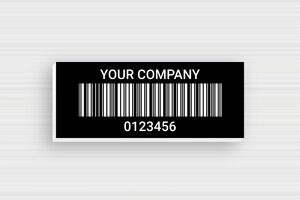
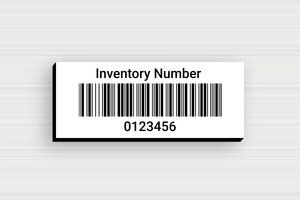
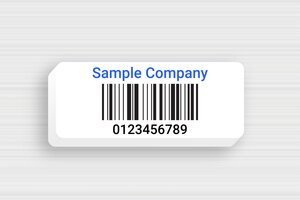
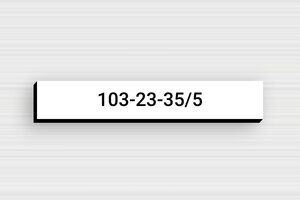
Sequential numbering capabilities enable systematic cable identification schemes that support asset management and documentation systems. Modern numbering systems can incorporate alphanumeric sequences, barcode integration, and database connectivity that transforms simple identification into sophisticated asset tracking systems. These capabilities prove particularly valuable for large installations where manual tracking becomes impractical.
Multi-language requirements often arise in international facilities or organisations serving diverse workforces. Custom cable labels can accommodate multiple languages whilst maintaining readability and professional appearance, ensuring safety information remains accessible to all personnel regardless of their primary language.
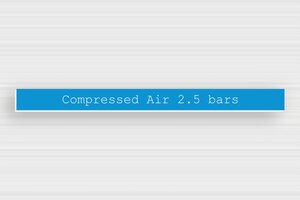
Colour selection dramatically impacts label effectiveness, with high-contrast combinations providing optimal readability under various lighting conditions. Industry-standard colour codes can be incorporated to maintain consistency with existing systems, whilst custom colour schemes enable corporate branding integration or specific operational requirements.
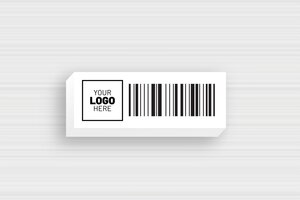
Logo integration capabilities allow organisations to maintain brand consistency whilst ensuring authentic labelling that deters counterfeiting or unauthorised modifications. Professional logo reproduction requires high-resolution artwork and appropriate scaling to ensure clarity at small label sizes typical of cable identification applications.
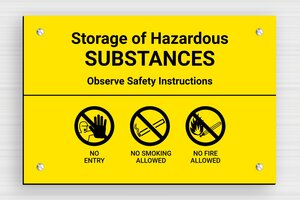
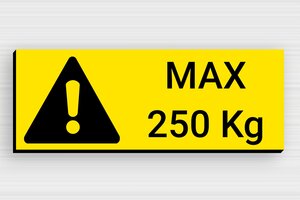
Pictogram and symbol integration can enhance communication effectiveness, particularly in multilingual environments or situations where rapid visual identification is critical. Standardised safety symbols, directional indicators, and hazard warnings can be incorporated alongside text information to create comprehensive identification systems.
Choosing appropriate cable labelling solutions requires careful consideration of environmental conditions, regulatory requirements, installation constraints, and long-term operational needs. This systematic approach ensures optimal performance whilst avoiding costly mistakes that could compromise system reliability or safety compliance.
Application assessment should begin with environmental analysis, considering temperature ranges, chemical exposure, UV radiation, mechanical stress, and humidity conditions that labels must withstand. These factors directly influence material selection and mounting method choices, making thorough environmental evaluation essential for successful labelling system implementation.
Temperature extremes present significant challenges for cable labelling systems, with both high and low temperatures affecting material properties and adhesive performance. Industrial environments may experience temperature ranges from sub-zero cold storage facilities to high-temperature process areas exceeding 150°C. Material selection must accommodate these extremes whilst maintaining dimensional stability and legibility.
Chemical exposure requires careful material evaluation, as many industrial chemicals can degrade polymers, attack adhesives, or cause label discoloration that compromises readability. Petrochemical facilities, pharmaceutical manufacturing, and food processing environments present particularly challenging chemical exposure conditions that demand specialised material formulations.
UV exposure affects both indoor and outdoor installations, with fluorescent lighting and natural sunlight causing gradual degradation of susceptible materials. UV-resistant formulations and protective coatings extend label life in these challenging conditions, maintaining legibility throughout extended operational periods.
Electrical panel identification requires labels that accommodate limited space whilst providing clear circuit identification and safety information. These applications often demand flame-retardant materials that meet electrical safety standards whilst providing long-term reliability in controlled indoor environments.
Cable bundle marking presents unique challenges related to access, visibility, and attachment methods. Tie-on systems often prove most practical for these applications, providing secure attachment without requiring cable separation or system shutdown during installation.
Equipment connection labelling requires durable identification that withstands frequent handling and potential mechanical stress. These applications benefit from robust materials and secure attachment methods that resist loosening under vibration or thermal cycling.
At Otypo, our extensive experience in European manufacturing excellence ensures that every cable labelling solution meets the highest standards of quality and durability. Our advanced online customisation tools enable precise specification of materials, dimensions, text, and mounting options, whilst our rapid production capabilities ensure prompt delivery throughout the UK. With over 60 years of expertise in precision identification solutions, we understand the critical importance of reliable cable labelling in maintaining safe, efficient industrial operations.
Professional cable labels represent far more than simple identification – they form the foundation of safe, efficient, and compliant industrial operations. By selecting appropriate materials, mounting methods, and customisation options, organisations can implement labelling systems that enhance productivity, ensure regulatory compliance, and provide lasting value through superior performance and reliability. Whether your application demands basic PVC labels for standard indoor use or specialised metal tags for extreme industrial environments, the right labelling solution exists to meet your specific requirements whilst delivering the quality and durability that modern industrial operations demand.