Get a quote
express 4h


Your sign in just 2 minutes.
Full editor: 27 materials, 219 colors, 12 mounting options
Marking: laser engraving, mechanical or printed
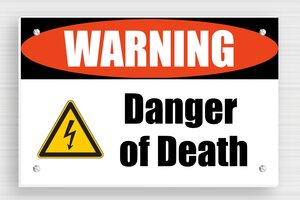
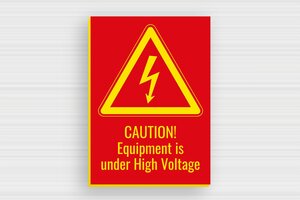
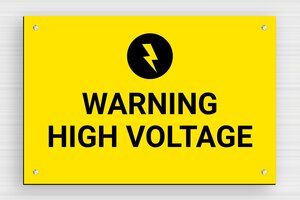

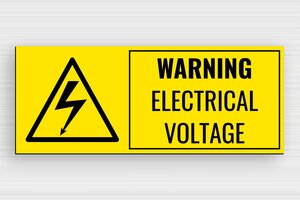
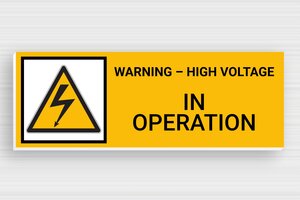
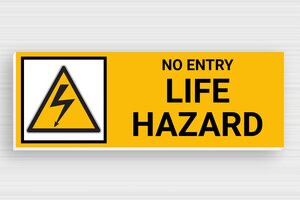
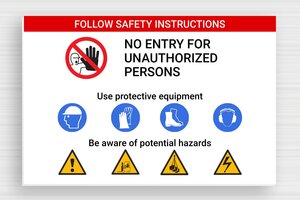
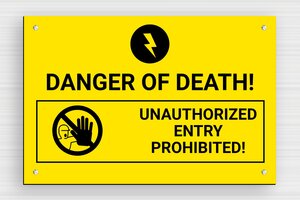

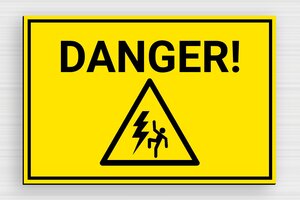
Under UK health and safety legislation, electrical warning signs are mandatory wherever electrical hazards pose risks to workers or visitors. The legal framework centres on the Health and Safety (Safety Signs and Signals) Regulations 1996, which implement European Directive 92/58/EEC.
Key legal requirements include:
The Electricity at Work Regulations 1989 work alongside signage requirements, creating comprehensive legal obligations. Facility managers must maintain documentation of sign installation, inspection schedules, and replacement activities, as Health and Safety Executive inspectors routinely examine electrical signage during workplace visits.
For harsh industrial environments, electrical signs must resist temperature fluctuations, chemical exposure, mechanical damage, and ultraviolet degradation whilst maintaining critical safety messaging.
The most suitable materials include:
Quality electrical signs incorporate UV stabilisers and high-quality pigments that maintain colour integrity for years of outdoor exposure. Material selection must consider the specific chemical environment, with appropriate testing and certification ensuring long-term performance under various operational conditions.
Yes, electrical danger signs can incorporate corporate branding whilst maintaining full compliance with BS EN ISO 7010 standards. Professional sign manufacturers can integrate company colours, logos, and fonts whilst preserving essential safety messaging and regulatory compliance.
Customisation options include:
The key is working with experienced manufacturers who understand compliance requirements. They ensure that customisation enhances rather than compromises safety communication, maintaining the distinctive yellow and black colour scheme, standardised pictograms, and appropriate text sizing for maximum visibility and regulatory compliance.
High voltage warning signs must be positioned to provide maximum visibility whilst ensuring comprehensive coverage of all potential approach routes to dangerous electrical installations.
Key positioning guidelines include:
Multiple sign positioning becomes necessary for large electrical installations with several approach routes. Each sign must provide adequate warning for its specific area whilst avoiding visual clutter that could reduce overall safety effectiveness. Regular facility audits should assess sign visibility and accessibility, with repositioning or additional signs installed as operational requirements change.
Regular inspection and replacement of electrical hazard signs forms a critical part of comprehensive electrical safety management in UK workplaces. Compliance extends beyond initial installation to ensuring signage remains effective throughout the equipment's operational life.
Inspection requirements include:
Replacement schedules depend on environmental conditions, but quality electrical signs incorporating UV stabilisers and appropriate materials typically maintain effectiveness for several years. Signs showing colour fading, physical damage, or reduced legibility should be replaced immediately to maintain safety standards and legal compliance.
Electrical signs serve as critical safety barriers in UK workplaces, protecting workers from potentially fatal electrical hazards. These specialised warning signs are mandatory under British health and safety legislation, designed to prevent accidents around live equipment, high voltage installations, and electrical panels. From industrial manufacturing plants to construction sites, electrical signs provide essential visual warnings that can mean the difference between a safe working environment and a tragic accident.
Modern electrical signage combines regulatory compliance with practical durability, ensuring clear visibility in challenging industrial conditions. Whether you're managing a warehouse, overseeing construction work, or maintaining electrical installations, the right signage system protects both your workforce and your legal obligations. Professional-grade electrical warning signs must withstand harsh environments whilst maintaining their critical safety message year after year.
At Otypo, we understand that electrical safety signage isn't just about compliance – it's about creating a culture of safety that protects lives. Our comprehensive range of electrical hazard signs combines European manufacturing quality with UK-specific regulatory requirements, ensuring your workplace meets the highest safety standards whilst benefiting from rapid delivery and expert customisation options.
The legal framework governing electrical signs in the UK centres on the Health and Safety (Safety Signs and Signals) Regulations 1996, which implement European Directive 92/58/EEC. These regulations mandate standardised safety signage in workplaces where electrical hazards pose risks to workers or visitors. The legislation specifically requires employers to provide appropriate warning signs wherever electrical dangers cannot be eliminated through engineering controls or safe working procedures.
British Standard BS EN ISO 7010 defines the precise specifications for electrical warning signs, including the iconic yellow triangular background with black pictograms and borders. This standardisation ensures universal recognition across different industries and worker backgrounds. The standard covers everything from high voltage warnings to live equipment alerts, creating a consistent visual language that transcends language barriers in increasingly diverse UK workplaces.
Compliance extends beyond simply installing signs – employers must ensure signage remains visible, legible, and appropriately positioned throughout the equipment's operational life. Regular inspection and replacement schedules form part of comprehensive electrical safety management, with particular attention to signs exposed to harsh industrial environments where fading, damage, or obstruction could compromise their effectiveness.
Facility managers bear primary responsibility for electrical signage compliance, with duties extending from initial risk assessment through to ongoing maintenance. The Electricity at Work Regulations 1989 work alongside signage requirements, creating comprehensive legal obligations that encompass both physical safety measures and clear communication of residual risks.
Documentation requirements include maintaining records of sign installation, inspection schedules, and replacement activities. Health and Safety Executive inspectors routinely examine electrical signage during workplace visits, with particular focus on high-risk areas such as electrical switch rooms, transformer installations, and maintenance access points. Non-compliance can result in enforcement notices, prosecution, and substantial financial penalties.
Risk assessment methodologies must specifically address signage adequacy, considering factors such as lighting conditions, viewing distances, and potential obstruction by equipment or materials. Dynamic risk environments, such as construction sites, require regular reassessment as work progresses and electrical installations change.
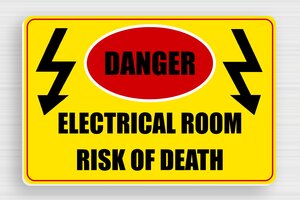
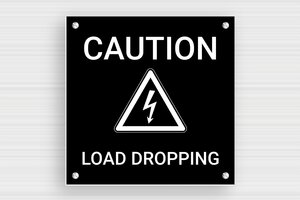
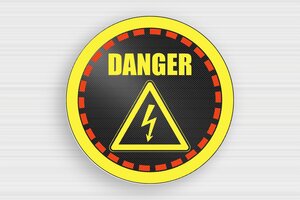
Modern workplaces require diverse electrical signage solutions addressing specific hazard types and operational contexts. Electrical hazard signs encompass everything from general electrical danger warnings to specific voltage ratings and equipment-specific alerts. Understanding which signs apply to different situations ensures comprehensive protection whilst avoiding unnecessary visual clutter that could diminish safety message effectiveness.
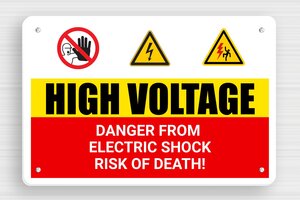
High voltage installations demand the most prominent signage, typically featuring the distinctive yellow and black colour scheme with clear voltage specifications. These signs must be visible from all approach angles, with particular attention to maintenance access points where workers might inadvertently contact live components. Industrial facilities often require multiple sign types working together – prohibition signs preventing unauthorised access, warning signs alerting to specific hazards, and mandatory signs specifying required safety procedures.
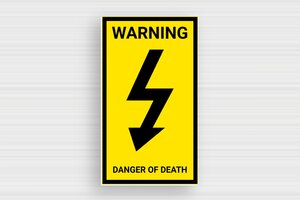
The hierarchy of electrical signage follows established risk management principles, with the most severe hazards receiving the most prominent visual treatment. Danger of death signs represent the ultimate warning level, reserved for installations where contact could prove immediately fatal. Lower voltage systems still require appropriate signage, but with messaging proportionate to the actual risk level.
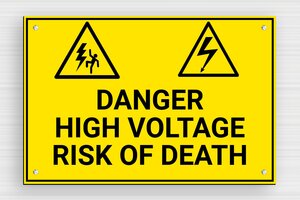
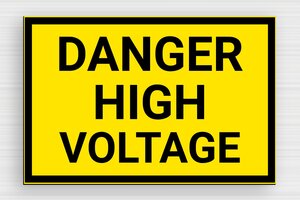
High voltage electrical installations require specialised signage that clearly communicates both the presence of dangerous voltages and specific safety requirements. These signs typically feature prominent voltage ratings – such as "Danger 11kV" or "Danger 33kV" – providing workers with precise information about the electrical hazard level they're approaching.
The visual design of high voltage signs follows strict specifications: yellow backgrounds ensure maximum visibility, black borders provide clear definition, and standardised pictograms featuring lightning bolt symbols create instant recognition. Text must be large enough to read from safe distances, typically specified as a minimum character height relative to expected viewing distance.
Installation positioning for high voltage signs requires careful consideration of approach routes, maintenance access points, and emergency evacuation paths. Signs must remain visible under both normal and emergency lighting conditions, with particular attention to areas where workers might need to identify electrical hazards quickly during crisis situations.
Electrical panels and switchboards represent concentrated electrical hazards requiring specific identification signage. These installations often combine multiple voltage levels, control circuits, and protective devices within compact enclosures, creating complex hazard profiles that demand clear visual communication.
Panel identification signs typically include voltage ratings, circuit descriptions, and emergency isolation procedures. Modern installations benefit from colour-coded systems that help workers quickly identify different circuit types – power distribution, control circuits, and emergency systems each receiving distinct visual treatment.
Maintenance access procedures require additional signage addressing lockout/tagout requirements, personal protective equipment specifications, and authorised personnel restrictions. These procedural signs work alongside hazard warnings to create comprehensive safety communication systems around critical electrical infrastructure.
The harsh environments surrounding electrical installations demand signage materials capable of withstanding extreme conditions whilst maintaining critical safety messaging. Industrial electrical signs must resist temperature fluctuations, chemical exposure, mechanical damage, and ultraviolet degradation that could compromise visibility or legibility over time.
Rigid PVC plastic represents the most popular material choice for electrical signage, offering excellent durability at reasonable cost. These signs typically feature 3mm thickness providing structural rigidity whilst remaining lightweight enough for easy installation. The material's chemical resistance makes it suitable for industrial environments where cleaning solvents, hydraulic fluids, or other chemicals might contact signage surfaces.
Aluminium electrical signs provide superior durability for the most demanding applications, particularly outdoor installations exposed to weather extremes. The material's natural corrosion resistance, combined with appropriate surface treatments, ensures decades of reliable service. Aluminium signs also offer enhanced fire resistance – a critical consideration around electrical installations where fire risk requires additional safety measures.
Outdoor electrical installations face unique environmental challenges requiring specialised signage solutions. Temperature cycling between summer heat and winter cold creates expansion and contraction stresses that can crack inferior materials or cause adhesive failures. Quality electrical signs incorporate materials and manufacturing processes specifically designed to handle these thermal stresses.
Ultraviolet radiation represents perhaps the greatest long-term threat to electrical signage, gradually breaking down polymer materials and causing colour fading that reduces visibility. Professional-grade signs incorporate UV stabilisers and high-quality pigments that maintain colour integrity for years of outdoor exposure. Regular inspection schedules should specifically assess colour retention and overall visibility under various lighting conditions.
Chemical resistance becomes critical in industrial environments where electrical installations operate alongside manufacturing processes. Cleaning chemicals, process fluids, and atmospheric contaminants can attack signage materials, causing degradation that compromises safety messaging. Material selection must consider the specific chemical environment, with appropriate testing and certification ensuring long-term performance.
Installation methods significantly impact electrical sign performance and longevity, with choices between self-adhesive backing and mechanical fixing systems depending on specific application requirements. Self-adhesive signs offer installation convenience and clean appearance, making them ideal for smooth surfaces in controlled environments.
Mechanical fixing using screws or rivets provides superior long-term reliability, particularly for large signs or harsh environmental conditions. The fixing method also enables easy sign replacement without surface preparation, an important consideration for maintenance scheduling. Mechanical fixing becomes essential for signs exceeding certain size thresholds or installations subject to vibration or mechanical stress.
Hybrid approaches combine both fixing methods, using mechanical fasteners for primary retention whilst employing adhesive backing to prevent moisture ingress and enhance appearance. This approach proves particularly effective for electrical panel signs where both security and aesthetics matter.
Modern electrical installations often require bespoke signage solutions addressing site-specific hazards, operational procedures, or regulatory requirements. Custom electrical signs enable facility managers to communicate precise safety information whilst maintaining compliance with relevant standards and regulations.
Voltage-specific customisation represents the most common requirement, with signs displaying exact system voltages rather than generic "high voltage" warnings. This precision helps workers understand specific safety requirements and select appropriate personal protective equipment. Custom voltage signs might specify "Danger 415V Three Phase" or "Caution 110V Site Supply" providing workers with actionable safety information.
Corporate branding integration allows organisations to maintain visual consistency whilst ensuring safety compliance. Professional sign manufacturers can incorporate company colours, logos, and fonts whilst preserving the essential safety messaging and regulatory compliance. This approach proves particularly valuable for large organisations managing multiple sites with consistent safety standards.
UK workplaces increasingly employ diverse workforces requiring multi-language safety communication. Electrical signage can incorporate multiple languages whilst maintaining visual clarity and regulatory compliance. Common combinations include English with Polish, Romanian, or other European languages reflecting local workforce demographics.
Symbol-based communication reduces language dependency whilst providing universal hazard recognition. International pictograms combined with minimal text create effective safety communication across language barriers. This approach proves particularly effective for temporary installations or sites with frequently changing contractor personnel.
Digital printing technology enables cost-effective production of multi-language signs in small quantities, making customisation accessible for smaller facilities or specialised applications. Professional design services ensure appropriate text sizing, colour contrast, and layout optimisation for maximum safety effectiveness.
Effective electrical signage depends critically on proper positioning and installation techniques that ensure maximum visibility whilst withstanding operational stresses. Sign placement must consider normal approach routes, emergency access requirements, and maintenance procedures that might affect visibility or accessibility over time.
Viewing distance calculations determine appropriate sign sizes and text heights, with larger installations requiring correspondingly larger signage to maintain legibility. Industry standards specify minimum character heights relative to maximum expected viewing distances, ensuring critical safety information remains readable under various operational conditions.
Lighting considerations become particularly important for electrical installations that might require emergency access during power outages. Signs must remain visible under emergency lighting conditions, with particular attention to exit routes and emergency isolation procedures. Photoluminescent materials can enhance visibility during power failures, though they require appropriate charging from normal lighting systems.
Electrical sign positioning follows established ergonomic principles ensuring comfortable viewing angles whilst maintaining clear sight lines from relevant approach directions. Standard mounting heights typically range from 1.5 to 2.5 metres above floor level, though specific applications might require different positioning based on equipment configuration or operational requirements.
Multiple sign positioning becomes necessary for large electrical installations with several approach routes or complex equipment arrangements. Each sign must be positioned to provide adequate warning for its specific area whilst avoiding visual clutter that could reduce overall safety effectiveness. Systematic approaches to sign placement ensure comprehensive coverage without redundancy.
Obstruction avoidance requires ongoing attention as facilities evolve and equipment changes. Initial sign placement might become compromised by subsequent installations, material storage, or operational changes. Regular facility audits should specifically assess sign visibility and accessibility, with repositioning or additional signs installed as necessary.
Professional electrical signage incorporates rigorous quality control processes ensuring consistent compliance with UK safety standards and long-term performance reliability. Manufacturing standards encompass material selection, printing processes, finishing techniques, and quality testing procedures that verify performance under specified operating conditions.
Certification processes provide independent verification of sign compliance with relevant British and European standards. Third-party testing laboratories evaluate colour fastness, material durability, adhesive performance, and environmental resistance under standardised test conditions. These certifications provide facility managers with documented evidence of compliance for regulatory inspections and insurance requirements.
Traceability systems enable manufacturers to track individual signs through production processes, installation records, and maintenance schedules. This documentation proves valuable for compliance audits, warranty claims, and systematic replacement planning based on actual service life data.
Quality electrical signage manufacturing incorporates multiple certification standards addressing different aspects of product performance and safety compliance. ISO 9001 quality management systems ensure consistent manufacturing processes, whilst specific product certifications verify compliance with safety signage standards.
Material certifications address fire resistance, chemical compatibility, and environmental performance under specified operating conditions. These certifications become particularly important for electrical installations in hazardous environments where additional safety requirements apply.
Production quality control includes incoming material inspection, process monitoring, and finished product testing. Statistical quality control methods identify trends that might indicate process variations affecting product performance or compliance. Continuous improvement processes incorporate customer feedback and field performance data to enhance product design and manufacturing processes.
Investing in professional electrical signs represents a critical component of comprehensive workplace safety management, protecting both workers and organisations from the severe consequences of electrical accidents. Quality signage combines regulatory compliance with practical durability, ensuring years of reliable safety communication in demanding industrial environments. The combination of appropriate materials, professional installation, and systematic maintenance creates robust safety systems that adapt to changing operational requirements whilst maintaining essential protective functions.
Otypo's commitment to electrical safety signage excellence reflects our understanding that these products serve a vital protective role in UK workplaces. Our European manufacturing quality, combined with rapid delivery capabilities and expert customisation services, ensures your electrical safety requirements receive the professional attention they deserve. Contact our technical team to discuss your specific electrical signage requirements and discover how our comprehensive solutions can enhance your workplace safety management systems.