Marking Signs
Your sign in just 2 minutes.
Full editor: 27 materials, 219 colors, 12 mounting options
Marking: laser engraving, mechanical or printed
starting at £2.48

Your sign in just 2 minutes.
Full editor: 27 materials, 219 colors, 12 mounting options
Marking: laser engraving, mechanical or printed



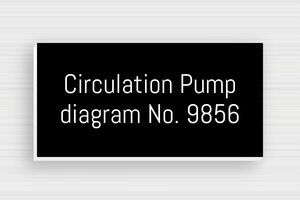

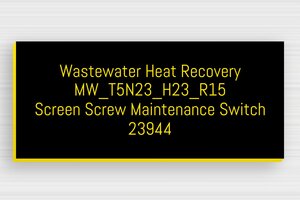



For harsh UK industrial environments, material selection is crucial for long-term performance and compliance. The most suitable materials include:
The choice depends on specific environmental challenges such as chemical exposure, temperature extremes, UV radiation, and mechanical stress. For BS 7671 compliance in electrical installations, materials must maintain legibility throughout the installation's operational life.
BS 7671 compliance for cable identification requires adherence to specific regulations that ensure safety and traceability in electrical installations:
Recent BS 7671 updates have strengthened requirements for specific applications, particularly renewable energy systems and electric vehicle charging infrastructure. Self-laminating varieties offer superior protection for outdoor applications or harsh industrial environments where compliance is critical.
Yes, modern industrial marking solutions offer extensive customisation capabilities to meet specific operational requirements and branding needs:
Design considerations balance information density with readability, using sans-serif typefaces for superior legibility in challenging industrial lighting conditions. Environmental factors influence design choices, particularly colour contrast and material selection for outdoor versus indoor applications. Standardised colour schemes create intuitive navigation systems that enhance both safety and operational efficiency.
Self-laminating and standard adhesive cable labels serve different purposes and offer distinct advantages depending on application requirements:
Self-laminating labels:
Standard adhesive labels:
The choice depends on environmental conditions, expected lifespan, and specific compliance requirements. Self-laminating varieties are particularly valuable for BS 7671 compliance where long-term legibility is mandatory.
The lifespan of industrial marking signs in outdoor UK conditions varies significantly based on material selection, environmental exposure, and installation quality:
Material-based lifespans:
Environmental factors affecting lifespan:
Proper surface preparation, appropriate adhesive selection, and regular maintenance inspections significantly extend operational life. Marine and offshore environments present the most challenging conditions, typically requiring the highest performance materials.
Installation methods for industrial marking signs must match the specific application, environmental conditions, and substrate materials:
Self-adhesive applications:
Mechanical fixing methods:
Application-specific considerations:
Curing time protection is essential in industrial environments where newly installed labels face immediate exposure to challenging conditions.
UK industrial marking follows established colour coding standards that ensure consistent communication across different industries and applications:
Electrical installations (BS 7671):
Safety and hazard marking:
Asset and system identification:
Colour coding systems provide immediate visual communication that transcends language barriers and enables rapid identification during both routine operations and emergency responses.
Proper maintenance of industrial marking signs ensures continued legibility and extends operational life whilst maintaining compliance with safety regulations:
Regular inspection schedule:
Cleaning protocols by material type:
Cleaning considerations:
Replacement planning:
Industrial marking signs serve as the backbone of modern workplace safety and operational efficiency across the UK. These essential identification systems encompass industrial marking signs, cable identification labels, equipment plates, and asset tracking solutions that ensure compliance with British safety standards whilst maintaining clear communication in complex industrial environments. From manufacturing plants to telecommunications infrastructure, proper marking systems prevent accidents, streamline maintenance operations, and satisfy regulatory requirements that protect both workers and equipment.
The significance of industrial marking signs extends far beyond simple labelling—they represent a critical safety infrastructure that UK businesses cannot afford to overlook. Whether you're managing a data centre in London, overseeing construction projects across the Midlands, or maintaining power generation facilities in Scotland, the right marking system ensures your operations meet BS 7671 requirements whilst delivering the durability and clarity that British industrial environments demand.
Industrial marking signs encompass a comprehensive range of identification solutions designed to withstand the demanding conditions of modern UK workplaces. These systems include cable identification labels that comply with BS 7671 wiring regulations, equipment identification plates for machinery and assets, safety warning markers for hazardous areas, and specialised tags for tracking valuable industrial equipment throughout its operational lifecycle.
The primary function of these marking systems extends beyond mere identification. They serve as the first line of defence against workplace accidents, providing clear visual communication that prevents costly mistakes during maintenance, repairs, or emergency situations. In telecommunications installations, properly marked cables can mean the difference between a five-minute repair and hours of system downtime affecting thousands of users.
Cable identification labels represent perhaps the most critical category, particularly in electrical installations where BS 7671 compliance mandates clear identification within 500mm of termination points. These labels must withstand environmental challenges whilst maintaining legibility throughout the installation's operational life. Self-laminating varieties offer superior protection against moisture and abrasion, making them ideal for outdoor applications or harsh industrial environments.
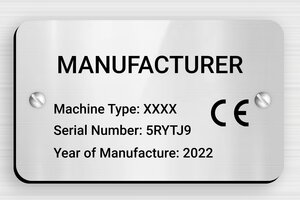
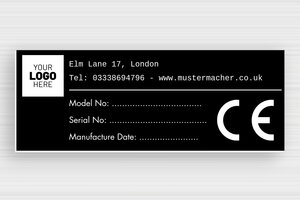
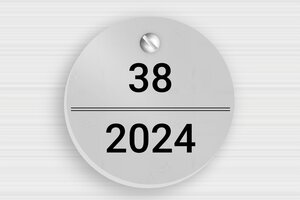
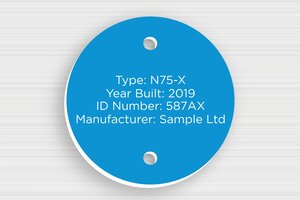
Equipment identification plates provide permanent marking solutions for machinery, control panels, and industrial assets. These robust markers typically feature engraved or printed information that remains visible despite exposure to oils, chemicals, and mechanical stress. Asset tracking labels incorporate modern technologies like QR codes or barcodes, enabling efficient inventory management and maintenance scheduling across large industrial facilities.
Safety and warning markers complete the industrial marking ecosystem by highlighting potential hazards, emergency equipment locations, and critical operational information. These signs must meet specific visibility and durability standards to ensure they remain effective during emergency situations when clear communication becomes absolutely vital.
The selection of appropriate materials for industrial marking signs directly impacts their longevity and effectiveness in British industrial environments. Understanding the performance characteristics of different materials enables facility managers and contractors to make informed decisions that balance initial costs with long-term reliability and compliance requirements.
PVC labels offer excellent versatility and cost-effectiveness for indoor applications where moderate durability suffices. These labels resist common industrial chemicals and maintain clarity in temperature ranges typical of heated industrial buildings. However, their UV resistance limitations make them less suitable for outdoor installations or areas with significant sunlight exposure.
Polyester labels deliver superior performance in challenging environments, offering enhanced chemical resistance and temperature stability that extends their operational life significantly. These materials excel in manufacturing environments where exposure to solvents, oils, and cleaning agents occurs regularly. Their dimensional stability ensures that printed information remains legible even after prolonged exposure to temperature cycling.
Metal identification plates, particularly those manufactured from aluminium or stainless steel, provide the ultimate durability for extreme industrial applications. Laser engraving creates permanent markings that resist virtually all environmental challenges, making these solutions ideal for outdoor installations, marine environments, or facilities where tamper resistance is essential.
Self-laminating labels combine the benefits of printed information with protective overlays that seal against moisture, dirt, and abrasion. This technology proves particularly valuable for cable identification in underground installations or areas where cleaning procedures might otherwise compromise label integrity.
British industrial marking requirements stem from multiple regulatory frameworks that collectively ensure workplace safety and operational transparency. The BS 7671 wiring regulations establish specific requirements for electrical installations, mandating that cable identification remains legible and securely attached throughout the installation's operational life.
The Health and Safety at Work Act creates broader obligations for employers to maintain clear identification systems that support safe working practices. This legislation requires that marking systems enable workers to identify hazards, understand equipment functions, and respond appropriately during both routine operations and emergency situations.
BS 7671 compliance demands that cable identification appears within 500mm of termination points and remains clearly visible throughout the installation's expected lifespan. The regulations specify minimum text sizes and contrast requirements that ensure legibility under typical working conditions, including emergency lighting scenarios.
Documentation requirements extend beyond the physical labels themselves, requiring that marking systems support traceability and maintenance records. This creates additional considerations for label design, particularly regarding the inclusion of reference numbers or codes that link to detailed installation documentation.
Recent updates to BS 7671 have strengthened requirements for cable identification in specific applications, particularly those involving renewable energy systems or electric vehicle charging infrastructure. These developments reflect the evolving nature of UK electrical installations and the need for marking systems that support emerging technologies.
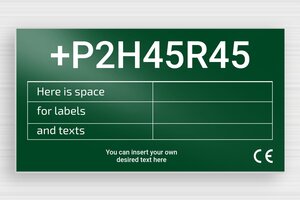
Modern industrial marking solutions offer extensive customisation capabilities that enable organisations to create identification systems perfectly matched to their operational requirements. Text customisation extends beyond simple labelling to include serial numbers, asset codes, installation dates, and detailed technical specifications that support comprehensive asset management programmes.
Colour coding systems provide immediate visual communication that transcends language barriers and enables rapid identification during routine operations or emergency responses. Standardised colour schemes can differentiate between voltage levels, system types, or hazard categories, creating intuitive navigation systems that enhance both safety and efficiency.
Effective industrial marking design balances information density with readability, ensuring that essential details remain clearly visible without overwhelming users with unnecessary complexity. Font selection plays a crucial role, with sans-serif typefaces generally providing superior legibility in industrial environments where lighting conditions may be challenging.
Information hierarchy becomes particularly important when labels must convey multiple pieces of information. Primary identifiers should dominate the visual space, with secondary information presented in supporting roles that don't compromise the clarity of essential details. This approach ensures that marking systems remain effective even when viewed quickly during routine operations or under stress during emergency situations.
Environmental considerations influence design choices significantly, particularly regarding colour contrast and material selection. Labels intended for outdoor use require different design approaches than those destined for controlled indoor environments, with UV stability and weather resistance taking precedence over other aesthetic considerations.
Proper installation techniques directly impact the longevity and effectiveness of industrial marking systems. Self-adhesive applications require careful surface preparation to ensure optimal bonding, with cleaning protocols that remove oils, dust, and other contaminants that might compromise adhesion over time.
Mechanical fixing methods, including screws, rivets, and cable ties, provide enhanced security for applications where adhesive attachment might prove insufficient. These approaches prove particularly valuable in high-vibration environments or locations where deliberate tampering represents a concern.
Surface preparation begins with thorough cleaning using appropriate solvents that remove all traces of oils, release agents, and environmental contamination. The choice of cleaning agent depends on both the substrate material and the adhesive system, with some combinations requiring specific preparation protocols to achieve optimal results.
Application temperature significantly affects adhesive performance, with most systems requiring ambient temperatures above 10°C for proper bonding. Cold weather installations may require pre-warming of labels or substrates to ensure adequate adhesive flow and ultimate bond strength.
Curing time considerations become particularly important in industrial environments where newly installed labels might face immediate exposure to challenging conditions. Full adhesive strength typically develops over 24-48 hours, during which protection from mechanical stress or chemical exposure may be necessary.
Manufacturing environments present unique challenges for industrial marking systems, combining exposure to process chemicals, elevated temperatures, and mechanical stress that can compromise inferior marking solutions. Food processing facilities add hygiene requirements that mandate specific materials and cleaning compatibility, whilst pharmaceutical manufacturing introduces additional traceability requirements that influence label design and information content.
Telecommunications infrastructure relies heavily on cable identification systems that support rapid fault diagnosis and maintenance operations. The complexity of modern network installations, particularly in data centres and telecommunications exchanges, requires marking systems that provide clear identification whilst supporting high-density cable management approaches.
Explosive atmosphere applications, governed by ATEX regulations, require marking systems that meet specific safety criteria regarding static electricity generation and material compatibility. These environments often mandate specific material choices and installation techniques that prevent the accumulation of static charges that might trigger explosions.
Chemical processing facilities present extreme challenges for marking systems, with exposure to aggressive chemicals, temperature extremes, and cleaning protocols that can destroy inadequate identification solutions. Material selection becomes critical, with chemical compatibility testing often required to ensure long-term performance.
Marine and offshore environments combine multiple stress factors, including salt spray, UV exposure, and mechanical vibration that can rapidly degrade inferior marking systems. These applications typically require the highest performance materials and installation techniques to ensure reliable identification throughout extended operational periods.
Effective maintenance programmes for industrial marking systems begin with regular inspection schedules that identify deteriorating labels before they compromise safety or operational efficiency. Visual inspections should assess both physical condition and information legibility, with particular attention to labels in high-stress environments or critical safety applications.
Cleaning protocols must balance the need to maintain label legibility with the risk of damaging the marking system itself. Appropriate cleaning agents and techniques vary significantly depending on label materials and environmental conditions, with some applications requiring specific procedures to avoid compromising adhesive bonds or printed information.
Lifecycle planning for industrial marking systems should anticipate both routine replacement needs and system upgrades that might require comprehensive relabelling. Standardisation of label formats and information content simplifies these processes whilst ensuring consistency across installations and time periods.
Inventory management for replacement labels becomes particularly important in large facilities where multiple label types and sizes are required. Maintaining adequate stock levels prevents delays during maintenance operations whilst avoiding excessive inventory costs for slow-moving items.
Documentation systems should track label installation dates, expected replacement schedules, and maintenance histories that support proactive replacement programmes. This approach minimises the risk of label failures that could compromise safety or operational efficiency.
Bulk purchasing strategies can significantly reduce the unit costs of industrial marking systems whilst ensuring consistent quality and specifications across installations. However, these approaches must balance cost savings against inventory carrying costs and the risk of specification changes that might render stockpiled materials obsolete.
Standardisation programmes that reduce the variety of label types and sizes required can deliver substantial cost savings whilst simplifying procurement, installation, and maintenance operations. These initiatives require careful planning to ensure that standardised solutions meet all operational requirements without compromising safety or compliance.
The growing demand for sustainable and environmentally responsible marking solutions has led to the development of recyclable materials and reduced-waste installation techniques. Otypo's commitment to environmental responsibility aligns perfectly with these trends, offering European-quality marking solutions that combine performance with sustainability considerations that matter to modern UK businesses.
When selecting industrial marking signs for your UK operations, the choice of supplier becomes as important as the technical specifications themselves. Industrial marking signs from Otypo combine decades of European manufacturing expertise with the customisation flexibility that modern British businesses require. Our online design tools enable you to create precisely the marking solutions your operations demand, whilst our rapid production and delivery systems ensure that your projects stay on schedule. Whether you're upgrading existing installations or planning new facilities, professional industrial marking systems represent an investment in safety, efficiency, and regulatory compliance that pays dividends throughout their operational life.
 Custom quotes available for bulk or special requests
'%3e%3cpath%20d='M20.5563%202.67834H1.42533C0.639422%202.67834%200%203.31772%200%204.10363V15.5822C0%2016.3682%200.639422%2017.0076%201.42533%2017.0076H15.3578C15.6167%2017.0076%2015.8265%2016.7977%2015.8265%2016.5388C15.8265%2016.2799%2015.6167%2016.0701%2015.3578%2016.0701H1.42533C1.15636%2016.0701%200.9375%2015.8512%200.9375%2015.5822V8.87691H21.0442V11.2778C21.0442%2011.5367%2021.254%2011.7465%2021.5129%2011.7465C21.7718%2011.7465%2021.9817%2011.5367%2021.9817%2011.2778V4.10363C21.9817%203.31772%2021.3423%202.67834%2020.5563%202.67834ZM1.42533%203.61584H20.5563C20.8253%203.61584%2021.0442%203.83466%2021.0442%204.10363V5.54799H0.9375V4.10363C0.9375%203.83466%201.15631%203.61584%201.42533%203.61584ZM0.9375%207.93941V6.48549H21.0442V7.93941H0.9375Z'%20fill='%230C4D5A'/%3e%3cpath%20d='M20.5563%202.67834H1.42533C0.639422%202.67834%200%203.31772%200%204.10363V15.5822C0%2016.3682%200.639422%2017.0076%201.42533%2017.0076H15.3578C15.6167%2017.0076%2015.8265%2016.7977%2015.8265%2016.5388C15.8265%2016.2799%2015.6167%2016.0701%2015.3578%2016.0701H1.42533C1.15636%2016.0701%200.9375%2015.8512%200.9375%2015.5822V8.87691H21.0442V11.2778C21.0442%2011.5367%2021.254%2011.7465%2021.5129%2011.7465C21.7718%2011.7465%2021.9817%2011.5367%2021.9817%2011.2778V4.10363C21.9817%203.31772%2021.3423%202.67834%2020.5563%202.67834ZM1.42533%203.61584H20.5563C20.8253%203.61584%2021.0442%203.83466%2021.0442%204.10363V5.54799H0.9375V4.10363C0.9375%203.83466%201.15631%203.61584%201.42533%203.61584ZM0.9375%207.93941V6.48549H21.0442V7.93941H0.9375Z'%20fill='black'%20fill-opacity='0.5'/%3e%3cpath%20d='M6.92061%2013.6835H2.61612C1.9962%2013.7059%201.99409%2014.5977%202.61612%2014.621H6.92061C7.54054%2014.5986%207.54265%2013.7067%206.92061%2013.6835Z'%20fill='%230C4D5A'/%3e%3cpath%20d='M6.92061%2013.6835H2.61612C1.9962%2013.7059%201.99409%2014.5977%202.61612%2014.621H6.92061C7.54054%2014.5986%207.54265%2013.7067%206.92061%2013.6835Z'%20fill='black'%20fill-opacity='0.5'/%3e%3cpath%20d='M6.92061%2011.7704H2.61612C1.9962%2011.7928%201.99409%2012.6846%202.61612%2012.7079H6.92061C7.54054%2012.6855%207.54265%2011.7936%206.92061%2011.7704Z'%20fill='%230C4D5A'/%3e%3cpath%20d='M6.92061%2011.7704H2.61612C1.9962%2011.7928%201.99409%2012.6846%202.61612%2012.7079H6.92061C7.54054%2012.6855%207.54265%2011.7936%206.92061%2011.7704Z'%20fill='black'%20fill-opacity='0.5'/%3e%3cpath%20fill-rule='evenodd'%20clip-rule='evenodd'%20d='M16.9424%2010.7995L14.5898%2013.152C14.5898%2016.752%2015.1919%2020.2222%2019.2948%2021.3216C23.3978%2020.2222%2023.9998%2016.752%2023.9998%2013.152L21.6473%2010.7995H16.9424Z'%20fill='%23FDF300'/%3e%3cpath%20d='M19.2949%2019.7875C16.7214%2019.0081%2016.1647%2016.8451%2016.0451%2013.9479C16.0413%2013.8187%2016.0909%2013.6937%2016.1822%2013.6023L17.4034%2012.3812C17.4913%2012.2933%2017.6105%2012.2439%2017.7348%2012.2439H20.8549C20.9792%2012.2439%2021.0985%2012.2933%2021.1864%2012.3812L22.4075%2013.6023C22.4989%2013.6937%2022.5485%2013.8187%2022.5446%2013.9478C22.4255%2016.8443%2021.8681%2019.0084%2019.2949%2019.7875ZM16.9894%2014.121C17.1385%2016.4295%2017.4228%2018.0275%2019.2949%2018.8167C21.1665%2018.0277%2021.4513%2016.4301%2021.6004%2014.121L20.6608%2013.1814H17.929L16.9894%2014.121Z'%20fill='%230C4D5A'/%3e%3cpath%20d='M19.2949%2019.7875C16.7214%2019.0081%2016.1647%2016.8451%2016.0451%2013.9479C16.0413%2013.8187%2016.0909%2013.6937%2016.1822%2013.6023L17.4034%2012.3812C17.4913%2012.2933%2017.6105%2012.2439%2017.7348%2012.2439H20.8549C20.9792%2012.2439%2021.0985%2012.2933%2021.1864%2012.3812L22.4075%2013.6023C22.4989%2013.6937%2022.5485%2013.8187%2022.5446%2013.9478C22.4255%2016.8443%2021.8681%2019.0084%2019.2949%2019.7875ZM16.9894%2014.121C17.1385%2016.4295%2017.4228%2018.0275%2019.2949%2018.8167C21.1665%2018.0277%2021.4513%2016.4301%2021.6004%2014.121L20.6608%2013.1814H17.929L16.9894%2014.121Z'%20fill='black'%20fill-opacity='0.5'/%3e%3c/g%3e%3cdefs%3e%3cclipPath%20id='clip0'%3e%3crect%20width='24'%20height='24'%20fill='white'/%3e%3c/clipPath%3e%3c/defs%3e%3c/svg%3e) Secure payment via card or PayPal
Secure payment via card or PayPal Free delivery from £60
 Up to 20% off with volume discounts!
 Create your own product easily with our online editorCustom quotes available for bulk or special requestsSecure payment via card or PayPalFree delivery from £60Up to 20% off with volume discounts!Create your own product easily with our online editor