Get a quote
express 4h


Your sign in just 2 minutes.
Full editor: 27 materials, 219 colors, 12 mounting options
Marking: laser engraving, mechanical or printed










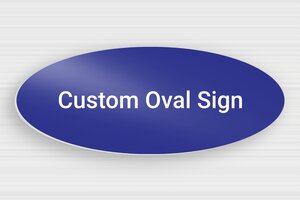
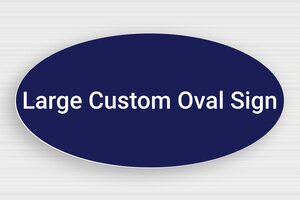
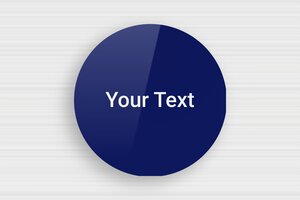
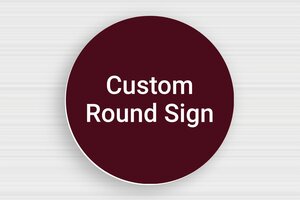
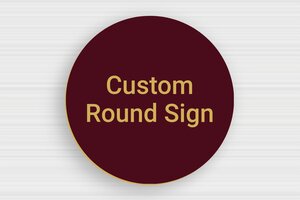
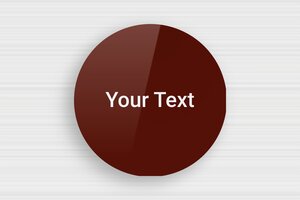
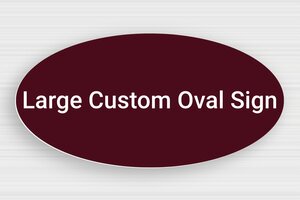
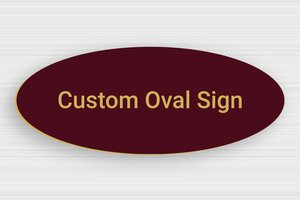
Custom colour signage offers virtually unlimited colour possibilities to meet your specific requirements. We provide comprehensive colour matching services using standardised systems including Pantone and RAL references to ensure precise reproduction across different materials and applications.
Available colour options include:
Our professional colour management systems ensure consistency across all signage elements, maintaining brand integrity whilst accommodating specific environmental and regulatory requirements.
UK signage regulations, particularly the Traffic Signs Regulations and General Directions (TSRGD), establish specific colour requirements for different sign categories to ensure public safety and consistency.
Key compliance considerations include:
Our experienced team maintains current knowledge of regulatory changes and ensures all colour specifications meet legal obligations whilst maximising creative possibilities within defined parameters. We incorporate multiple visual cues beyond colour alone to ensure information remains accessible to all users.
British weather conditions present unique challenges including frequent rainfall, high humidity, UV exposure, and temperature variations that significantly impact colour durability and visibility.
Optimal materials for UK conditions include:
Each material undergoes specific treatments including UV-stable formulations and moisture-resistant applications to prevent delamination, fading, or colour shift over time. Proper substrate preparation and quality coating systems ensure decades of reliable performance with minimal maintenance requirements.
Yes, we provide professional colour matching services that guarantee accurate reproduction of your exact brand colours using standardised colour systems including Pantone and RAL references.
Our colour matching process includes:
The colour matching process considers intended viewing environments and lighting conditions, as colours can appear dramatically different under various illumination sources. We utilise standardised lighting conditions during evaluation to ensure predictable results in real-world applications, maintaining brand consistency across all signage elements whilst accommodating specific material properties and environmental requirements.
The longevity of custom colour finishes depends on material selection, colour formulation, and environmental exposure conditions. Quality colour systems with proper application can maintain excellent appearance for many years.
Expected durability by finish type:
Factors affecting longevity include UV exposure intensity, pollution levels, moisture exposure, and maintenance practices. Urban environments may require more frequent cleaning due to pollution, whilst coastal locations demand enhanced corrosion protection. Regular maintenance including appropriate cleaning and inspection significantly extends colour life whilst preserving professional appearance throughout the service period.
Powder coating represents a superior colour application method compared to traditional liquid paints, offering enhanced durability, environmental benefits, and superior finish quality.
Key differences include:
Powder coating excels in outdoor applications where weather resistance is paramount, maintaining colour integrity throughout years of exposure whilst requiring minimal maintenance. The process also offers environmental advantages with no volatile organic compounds and nearly 100% material utilisation efficiency.
Yes, UK accessibility legislation requires signage design that accommodates users with diverse visual capabilities, including specific colour contrast requirements to ensure readability for all users.
Key accessibility requirements include:
Effective inclusive design incorporates tactile elements, raised text, and Braille applications where appropriate, ensuring complete accessibility whilst maintaining attractive visual appearance. Our design process evaluates contrast ratios and accessibility compliance from the initial concept stage, ensuring all signage meets disability discrimination legislation requirements whilst achieving your aesthetic objectives.
Proper maintenance significantly extends the service life and appearance quality of coloured signage, protecting your investment whilst ensuring continued professional appearance.
Recommended maintenance practices include:
Different materials require specific care procedures - powder-coated surfaces benefit from regular washing with mild detergent, whilst anodised finishes may require specialised cleaners. Protective treatments including anti-graffiti coatings and UV protective films can enhance durability whilst simplifying maintenance requirements, proving particularly valuable in challenging environments.
Custom colour signage represents a powerful tool for businesses and organisations seeking to establish a distinctive visual identity while ensuring compliance with UK regulations. From vibrant retail displays to professional office wayfinding systems, custom colour signage offers unlimited creative possibilities whilst maintaining the durability and clarity essential for effective communication. Whether you're a facilities manager planning corporate wayfinding, an architect specifying building identification, or a business owner wanting to enhance your premises, understanding the nuances of colour selection, material compatibility, and regulatory requirements will ensure your signage investment delivers lasting value.
The psychology of colour in professional environments extends far beyond aesthetic appeal. Research consistently demonstrates that strategic colour choices can influence customer behaviour, improve navigation efficiency, and reinforce brand recognition. In the UK market, where weather conditions and regulatory frameworks present unique challenges, selecting appropriate colours for your signage requires careful consideration of visibility, durability, and compliance factors. Otypo's expertise in custom colour solutions ensures that every sign not only meets your visual requirements but also withstands the demanding British climate whilst adhering to relevant safety standards.
The strategic application of colour in signage design goes beyond mere decoration, serving as a fundamental communication tool that influences human behaviour and decision-making. In professional environments, colour choices can significantly impact wayfinding efficiency, brand perception, and overall user experience. Blue tones, for instance, convey trust and reliability, making them ideal for healthcare facilities and financial institutions, whilst green suggests growth and sustainability, perfect for environmental organisations or outdoor recreational facilities.
Cultural associations with colours vary significantly, and understanding these nuances within the UK market proves essential for effective signage design. Red commands immediate attention and signals urgency or importance, making it invaluable for safety signage and emergency exits. However, excessive use of red can create anxiety, requiring careful balance in commercial applications. Yellow provides excellent visibility and suggests optimism, though it must be paired thoughtfully with contrasting colours to maintain readability across different lighting conditions.
Industry-specific colour conventions have evolved to create instant recognition and understanding. Healthcare environments traditionally employ calming blues and greens to reduce patient anxiety, whilst educational institutions often incorporate vibrant, energising colours to stimulate learning. Corporate environments typically favour sophisticated neutrals with strategic accent colours that reflect brand identity, creating professional atmospheres that inspire confidence.
Achieving optimal visibility requires understanding the relationship between colour contrast, ambient lighting, and viewing distances. The UK's variable lighting conditions, from bright summer days to grey winter afternoons, demand colour combinations that maintain readability across all scenarios. High contrast pairings, such as white text on dark backgrounds or black lettering on light substrates, provide maximum legibility whilst accommodating users with visual impairments.
Accessibility compliance extends beyond simple contrast ratios, encompassing considerations for colour blindness and other visual challenges. Approximately 8% of men and 0.5% of women in the UK experience some form of colour vision deficiency, making it crucial to avoid colour-only information systems. Effective signage design incorporates multiple visual cues, including shape, texture, and positioning, ensuring information remains accessible regardless of colour perception abilities.
Modern accessibility standards require careful attention to luminance contrast ratios, with minimum requirements varying according to text size and application. Large-format signage can accommodate lower contrast ratios than detailed directional information, allowing for more creative colour applications whilst maintaining compliance with disability discrimination legislation.
The UK's challenging weather conditions significantly impact colour durability and visibility, making material selection and colour formulation critical considerations. UV exposure, whilst less intense than in Mediterranean climates, still causes gradual colour degradation, particularly affecting organic pigments and certain synthetic dyes. Premium colour systems incorporate UV-stable formulations that maintain vibrancy throughout extended outdoor exposure.
Moisture exposure presents another significant challenge, with frequent rainfall and high humidity potentially affecting colour adhesion and substrate integrity. Quality colour applications utilise moisture-resistant formulations and proper substrate preparation to prevent delamination, fading, or colour shift over time. Understanding these environmental factors allows for informed material selection that ensures long-term colour stability.
Urban environments introduce additional considerations, including pollution exposure and potential vandalism. Darker colours may show dust and grime more readily, whilst lighter shades can appear dingy in high-pollution areas. Strategic colour selection considers maintenance requirements alongside aesthetic preferences, ensuring signage maintains professional appearance with reasonable upkeep efforts.
The foundation of exceptional custom colour signage lies in selecting appropriate substrate materials that complement your chosen colour scheme whilst providing the durability and performance characteristics your application demands. Different materials interact with colours in unique ways, affecting both initial appearance and long-term stability. Understanding these relationships ensures optimal results that maintain their visual impact throughout the signage lifecycle.
Modern signage materials offer unprecedented flexibility in colour application, from factory-applied finishes to field-applied graphics systems. Each approach presents distinct advantages and limitations, requiring careful evaluation based on project requirements, budget considerations, and expected service life. The interaction between substrate properties and colour systems directly influences final appearance, durability, and maintenance requirements.
Aluminium substrates provide exceptional versatility for colour applications, offering multiple finishing options that cater to diverse aesthetic and performance requirements. Anodised aluminium finishes create integral colour that becomes part of the material structure, providing superior durability and fade resistance compared to applied coatings. The anodising process allows for a wide range of colour options, from subtle bronze and black tones to vibrant blues, reds, and golds.
Powder coating applications on aluminium substrates deliver virtually unlimited colour possibilities, including custom colour matching to specific Pantone or RAL references. This electrostatic application process creates durable, uniform finishes that resist chipping, scratching, and weathering. Powder coated aluminium signage maintains colour integrity throughout years of outdoor exposure, making it ideal for building identification and exterior wayfinding applications.
The lightweight nature of aluminium, combined with its corrosion resistance, makes it particularly suitable for large-format signage where structural considerations become important. Colour retention remains excellent even in coastal environments, where salt exposure can accelerate degradation of lesser materials. Proper surface preparation and quality coating systems ensure decades of reliable performance with minimal colour fade.
Acrylic substrates offer unique opportunities for colour integration, from cast acrylic sheets with integral colour throughout the material thickness to surface-applied colour systems that provide cost-effective customisation. Cast acrylic colours exhibit exceptional clarity and depth, creating vibrant signage that maintains brilliance even after years of UV exposure. The material's inherent UV stability makes it particularly suitable for outdoor applications where colour retention is paramount.
Traffolyte and similar engraved laminate systems provide multi-layer colour construction that reveals contrasting colours through engraving processes. These materials typically feature coloured surface layers over contrasting cores, creating striking visual effects when text or graphics are engraved. The resulting signs offer excellent durability and weather resistance whilst providing crisp, high-contrast information display.
Advanced plastic substrates, including polycarbonate and PVC formulations, accommodate various colour application methods from integral pigmentation to digital printing and vinyl graphics application. Each approach offers distinct advantages in terms of colour accuracy, durability, and cost-effectiveness, allowing for optimised solutions based on specific project requirements and performance expectations.
Brass and bronze substrates provide timeless elegance with natural colour variations that develop character over time. These traditional materials can be enhanced with applied colour systems, including paint filling of engraved areas to create striking contrast effects. The natural patina development of brass and bronze adds visual interest whilst maintaining the sophisticated appearance appropriate for heritage buildings and premium installations.
Stainless steel offers excellent durability with various finish options that affect colour appearance and reflection characteristics. Brushed finishes provide subtle texture that minimises fingerprints and minor scratches whilst creating interesting light interaction. Coloured stainless steel treatments, including PVD coatings and chemical colouring processes, expand design possibilities whilst maintaining the material's inherent corrosion resistance.
Composite materials combine multiple substrate layers to achieve specific performance characteristics whilst accommodating diverse colour application methods. Aluminium composite panels, for instance, provide lightweight construction with excellent flatness and colour uniformity, making them ideal for large-format applications where weight and wind loading are concerns.
Achieving precise colour reproduction requires sophisticated colour management systems that ensure consistency across different materials, production methods, and viewing conditions. Professional colour matching services utilise standardised colour systems, including Pantone and RAL references, to guarantee accurate reproduction regardless of substrate or application method. This precision proves essential for corporate branding applications where colour consistency across multiple signage elements reinforces brand recognition and professional appearance.
The colour matching process begins with understanding the intended viewing environment and lighting conditions, as colours can appear dramatically different under various illumination sources. Daylight, fluorescent, LED, and incandescent lighting each affect colour perception differently, requiring careful consideration during the selection process. Professional colour evaluation utilises standardised lighting conditions to ensure predictable results in real-world applications.
Custom colour development extends beyond simple colour matching to encompass special effects, textures, and multi-colour systems that create unique visual impact. Metallic finishes, pearlescent effects, and colour-changing formulations offer creative possibilities that distinguish your signage from conventional applications whilst maintaining professional appearance and durability standards.
Modern colour proofing systems provide accurate preview capabilities that minimise surprises and ensure client satisfaction before production begins. Digital colour management utilises calibrated monitors and standardised viewing conditions to present realistic colour representations that account for material properties and finish characteristics. This technology allows for confident colour selection and approval without requiring physical samples for every variation.
The approval workflow incorporates multiple checkpoints to verify colour accuracy and consistency throughout the production process. Initial digital proofs establish colour targets, followed by material samples that demonstrate actual appearance on selected substrates. Final production samples confirm colour accuracy before full-scale manufacturing begins, ensuring complete satisfaction with the finished product.
Colour consistency across multiple signs requires careful process control and quality assurance measures that monitor colour accuracy throughout production runs. Spectrophotometric measurement ensures objective colour evaluation that eliminates subjective interpretation whilst providing documentation for quality control purposes. This systematic approach guarantees uniform appearance across entire signage programmes, regardless of production timing or batch variations.
Advanced colour technologies enable special effects that create memorable visual impact whilst maintaining professional appearance standards. Metallic finishes simulate precious metals with realistic appearance and superior durability compared to actual metal applications. These effects prove particularly effective for premium branding applications where sophisticated appearance reinforces quality perceptions.
Pearlescent and iridescent colour systems create dynamic visual effects that change appearance based on viewing angle and lighting conditions. These sophisticated finishes add visual interest and uniqueness whilst maintaining readability and professional appearance. Careful application ensures effects enhance rather than compromise information communication effectiveness.
Textured colour applications combine surface texture with colour to create tactile and visual interest that distinguishes signage from surrounding surfaces. These applications prove particularly valuable for wayfinding systems where tactile cues assist navigation for visually impaired users whilst creating attractive appearance for all users.
Understanding UK regulatory requirements ensures your custom colour signage meets all legal obligations whilst avoiding costly modifications or replacements. The Traffic Signs Regulations and General Directions (TSRGD) establish comprehensive standards for public signage, including specific colour requirements for different sign categories. These regulations ensure consistency and clarity that promotes public safety whilst allowing for creative expression within defined parameters.
Regulatory compliance extends beyond simple colour selection to encompass reflectivity, contrast ratios, and durability standards that ensure long-term performance. Understanding these requirements during the design phase prevents compliance issues whilst maximising creative possibilities within regulatory frameworks. Professional signage suppliers maintain current knowledge of regulatory changes and updates that affect colour specifications and application requirements.
Safety signage colour coding follows internationally recognised standards that ensure immediate recognition and understanding regardless of language barriers. Red indicates prohibition or danger, requiring immediate attention and compliance. Yellow signals caution or warning, alerting users to potential hazards that require careful consideration. Green designates safety equipment, emergency exits, or safe conditions, providing reassurance and guidance during emergency situations.
Blue indicates mandatory actions or information, typically used for personal protective equipment requirements or directional guidance in emergency situations. These colour associations have become deeply ingrained in public consciousness, making adherence to established standards essential for effective communication and legal compliance.
Workplace safety colour protocols extend these basic principles to create comprehensive visual communication systems that promote safety awareness and compliance. Consistent colour application throughout facilities reinforces safety messages whilst creating intuitive navigation systems that function effectively even under stress conditions.
Modern accessibility standards require signage design that accommodates users with diverse visual capabilities, including colour vision deficiencies and varying levels of visual acuity. Effective inclusive design incorporates multiple visual cues beyond colour alone, ensuring information remains accessible regardless of individual visual capabilities. This approach benefits all users whilst ensuring compliance with disability discrimination legislation.
Contrast requirements specify minimum luminance differences between text and background colours to ensure readability for users with reduced visual acuity. These standards vary according to text size and viewing distance, allowing for design flexibility whilst maintaining accessibility compliance. Understanding these requirements enables creative colour applications that remain fully accessible to all users.
Multi-sensory signage approaches combine visual, tactile, and sometimes auditory elements to create comprehensive information systems that serve diverse user needs. Raised text, Braille applications, and tactile symbols complement colour coding to ensure complete accessibility whilst maintaining attractive visual appearance for all users.
Different environments and applications require tailored approaches to colour selection that consider specific user needs, regulatory requirements, and environmental conditions. Understanding these application-specific requirements ensures optimal colour choices that enhance functionality whilst creating attractive, professional appearance.
Corporate environments require colour schemes that reinforce brand identity whilst maintaining professional appearance and optimal functionality. Neutral colour palettes provide timeless sophistication that accommodates changing décor and furnishing schemes whilst ensuring longevity of signage investments. Strategic accent colours drawn from corporate branding create visual interest and brand reinforcement without overwhelming the professional environment.
Wayfinding colour hierarchies utilise systematic colour coding to create intuitive navigation systems that guide users efficiently throughout complex buildings. Primary circulation routes might utilise one colour family, whilst secondary paths employ complementary colours that maintain visual harmony whilst providing clear differentiation. This systematic approach reduces confusion and improves user experience whilst maintaining attractive appearance.
Professional appearance standards in corporate environments favour sophisticated colour applications that convey competence and reliability. Subdued colour palettes with strategic highlights create environments that inspire confidence whilst providing necessary functional information. Quality materials and finishes ensure these colour schemes maintain their professional appearance throughout years of daily use.
Retail environments utilise colour psychology to influence customer behaviour and enhance brand experience. Warm colours create welcoming atmospheres that encourage longer visits and positive associations, whilst cool colours provide calming effects that reduce stress in busy environments. Strategic colour application guides customer flow whilst highlighting key areas and promotional messages.
Brand alignment considerations ensure signage colours reinforce overall brand identity whilst adapting to specific environmental requirements. Consistency across all customer touchpoints strengthens brand recognition and creates cohesive experiences that build customer loyalty. Professional colour matching ensures accurate brand colour reproduction across diverse materials and applications.
Seasonal colour adaptability allows for periodic updates that maintain fresh appearance whilst accommodating promotional campaigns and seasonal themes. Modular signage systems with interchangeable colour elements provide flexibility whilst maintaining consistent base infrastructure that ensures cost-effective updates and modifications.
Industrial environments prioritise safety and compliance considerations that may limit colour choices whilst requiring enhanced durability and visibility characteristics. High-contrast colour combinations ensure readability in challenging lighting conditions whilst chemical-resistant formulations maintain appearance despite exposure to industrial atmospheres and cleaning procedures.
Durability requirements in harsh environments demand colour systems that withstand extreme temperatures, chemical exposure, and physical abuse whilst maintaining legibility and professional appearance. Premium colour formulations and protective coatings ensure reliable performance throughout extended service life with minimal maintenance requirements.
Maintenance considerations influence colour selection in institutional applications where cleaning frequency and methods affect long-term appearance. Colour choices that minimise visible soiling whilst maintaining professional appearance reduce maintenance costs and ensure consistent visual quality throughout the signage lifecycle.
Proper maintenance practices significantly extend the service life and appearance quality of custom colour signage, protecting your investment whilst ensuring continued professional appearance. Different colour systems and substrate materials require specific care procedures that maintain optimal appearance whilst preventing damage from inappropriate cleaning methods or products. Understanding these requirements enables development of maintenance programmes that preserve signage quality whilst minimising long-term costs.
Environmental factors significantly influence maintenance requirements, with outdoor signage facing greater challenges from weather exposure, pollution, and UV radiation. Indoor signage encounters different challenges, including dust accumulation, fingerprints, and potential impact damage. Tailored maintenance approaches address these specific challenges whilst preserving colour integrity and overall appearance quality.
Preventive maintenance proves more cost-effective than reactive repairs, requiring regular inspection and care that prevents minor issues from developing into major problems. Professional maintenance programmes incorporate scheduled cleaning, inspection, and minor repairs that extend signage life whilst maintaining professional appearance standards throughout the service period.
Regular cleaning schedules prevent accumulation of dirt, grime, and pollutants that can permanently stain or damage colour finishes. Appropriate cleaning products and methods vary according to substrate materials and colour systems, requiring specific knowledge to avoid damage whilst achieving optimal cleaning results. Professional maintenance services understand these requirements and provide appropriate care that preserves signage quality.
Protective treatments and coatings can enhance colour durability whilst simplifying maintenance requirements. Anti-graffiti coatings, UV protective films, and hydrophobic treatments provide additional protection that extends colour life whilst reducing cleaning frequency and effort. These treatments prove particularly valuable in challenging environments where signage faces increased exposure to damaging conditions.
Environmental protection measures, including strategic positioning and physical barriers, can significantly reduce maintenance requirements whilst extending signage life. Proper installation techniques that minimise water infiltration and provide adequate drainage prevent moisture-related damage that can affect colour stability and substrate integrity. These preventive measures prove far more cost-effective than remedial repairs or premature replacement.
Successful colour selection requires systematic evaluation of multiple factors that influence both immediate appearance and long-term performance. Understanding your specific requirements, environmental conditions, and performance expectations enables informed decisions that optimise both aesthetic and functional outcomes. This comprehensive approach ensures your signage investment delivers maximum value whilst meeting all operational requirements.
Budget considerations encompass both initial costs and long-term maintenance requirements, as premium colour systems often provide superior durability that reduces lifecycle costs despite higher initial investment. Understanding these cost relationships enables value-optimised decisions that balance immediate budget constraints with long-term operational efficiency and appearance quality.
Timeline implications vary significantly between different colour options, with custom colour matching and special effects requiring longer production periods than standard colour selections. Planning these requirements into project schedules prevents delays whilst ensuring adequate time for proper colour development, proofing, and approval processes that guarantee satisfaction with final results.
Professional consultation services provide valuable expertise that navigates complex colour selection decisions whilst ensuring optimal results for your specific application. Experienced signage professionals understand the relationships between colours, materials, and environmental factors that influence long-term performance and appearance quality. This expertise proves invaluable in avoiding costly mistakes whilst maximising creative possibilities within technical and regulatory constraints.
The consultation process typically begins with understanding your specific requirements, including aesthetic preferences, functional needs, environmental conditions, and budget parameters. This comprehensive assessment enables development of tailored recommendations that optimise all relevant factors whilst ensuring realistic expectations and achievable outcomes.
Sampling and testing procedures provide confidence in colour selections before committing to full production, allowing evaluation of actual appearance under relevant lighting and environmental conditions. Professional suppliers like Otypo provide comprehensive sampling services that demonstrate colour accuracy and material quality whilst enabling informed decision-making based on actual rather than theoretical performance characteristics.
Installation and positioning considerations significantly influence colour appearance and longevity, requiring professional expertise that ensures optimal results. Proper installation techniques, appropriate mounting systems, and strategic positioning maximise colour impact whilst ensuring structural integrity and regulatory compliance. Professional installation services guarantee proper execution that protects your signage investment whilst ensuring optimal performance throughout its service life.
Choosing the right partner for your custom colour signage project ensures access to comprehensive expertise, quality materials, and professional service that delivers exceptional results. Otypo's decades of experience in European signage markets, combined with advanced online customisation tools and rapid production capabilities, provides the perfect combination of expertise and convenience for your colour signage requirements. Our commitment to customer satisfaction ensures every project receives the attention and care necessary to achieve outstanding results that exceed expectations whilst providing lasting value for your investment.