House Signs
Your sign in just 2 minutes.
Full editor: 27 materials, 219 colors, 12 mounting options
Marking: laser engraving, mechanical or printed
starting at £5.90

Your sign in just 2 minutes.
Full editor: 27 materials, 219 colors, 12 mounting options
Marking: laser engraving, mechanical or printed
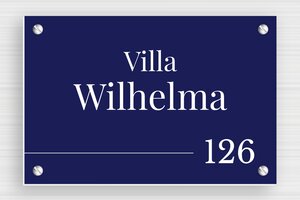
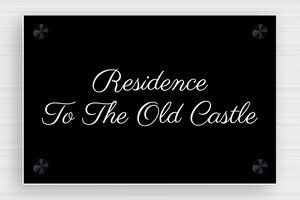
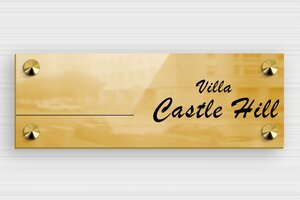
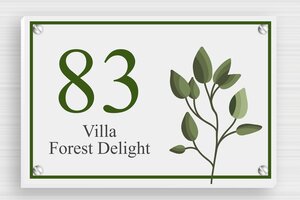


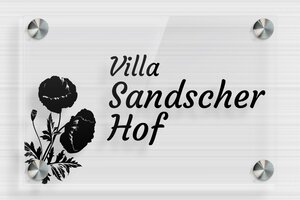
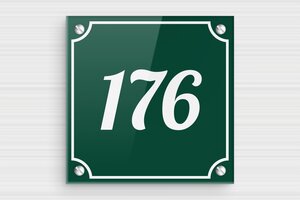
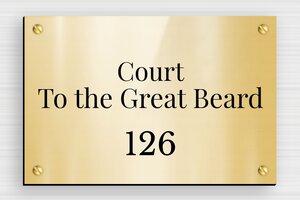
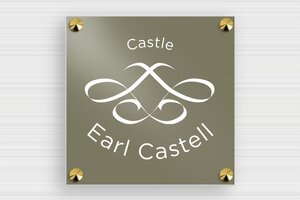
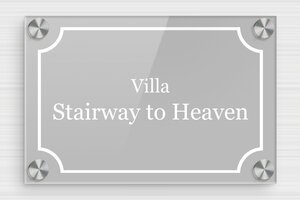

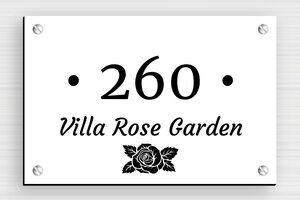
British weather demands house sign materials that can withstand driving rain, intense summer sun, and frequent temperature changes. The best materials for UK conditions include:
Each material offers unique advantages - slate provides timeless traditional appeal, acrylic delivers contemporary versatility, and metals offer classic elegance. All these materials are specifically chosen to withstand Britain's unpredictable climate while maintaining their appearance and functionality for years to come.
Most residential house signs fall under permitted development rights, meaning planning permission is not required. However, certain circumstances may trigger additional requirements:
UK law requires clear address identification visible from public areas, focusing on visibility and legibility rather than specific design requirements. When in doubt, consult your local planning authority for pre-application advice to confirm whether your proposed house sign requires formal consent and avoid potential enforcement issues.
Optimal house sign visibility requires careful consideration of size, height, and positioning relative to viewing angles and potential obstructions:
Size considerations:
Positioning best practices:
Strategic positioning near existing exterior lighting can enhance evening visibility, while light-coloured backgrounds or reflective materials improve low-light readability without requiring additional illumination.
Yes, modern house signs offer extensive personalisation options that allow you to create a unique family statement while maintaining professional appearance and excellent legibility:
Typography options:
Personal elements you can incorporate:
The key to successful personalisation lies in balancing personal elements with essential address information, ensuring your chosen design complements your home's architectural style while maintaining excellent legibility from typical viewing distances.
Quality house sign materials are designed for long-term outdoor performance, with lifespans varying based on material choice and maintenance:
Material longevity expectations:
Factors affecting longevity:
With appropriate material selection and basic maintenance, quality house signs represent excellent long-term investments that enhance your property's appeal for many years.
Your home's first impression matters more than you might think. A well-chosen house sign doesn't just help visitors find your property – it reflects your personality, enhances your home's kerb appeal, and ensures you never miss another delivery. Whether you're moving into a new build, updating a period property, or simply wanting to add a personal touch to your front door, the right house signage can transform how your home presents itself to the world.
Modern homeowners across the UK are discovering that personalised house signs offer far more than basic address identification. From sleek contemporary designs that complement new builds to traditional slate plaques that honour heritage properties, today's house signs combine practical functionality with aesthetic appeal. With advanced customisation options and weather-resistant materials, creating a bespoke address sign that perfectly matches your home's character has never been easier.
At Otypo, we understand that every home tells a unique story. Our comprehensive range of house signs brings together European craftsmanship, innovative design tools, and materials chosen specifically to withstand British weather conditions. Whether you're seeking a minimalist acrylic number sign or an ornate brass nameplate, our online configurator makes it simple to create exactly what you envision.
The humble house sign serves multiple purposes that extend well beyond simple address display. In an era where online shopping and food deliveries have become integral to daily life, clear property identification has never been more crucial. A well-positioned, legible house sign eliminates the frustration of missed deliveries, confused visitors, and the awkward conversations that follow when your postie can't locate your front door.
From a practical standpoint, UK local authorities require properties to display clear address identification. This legal obligation ensures emergency services can locate your home quickly, while also supporting the efficient operation of postal and delivery services. However, compliance doesn't mean sacrificing style – modern house signs seamlessly blend regulatory requirements with personal expression.
Property value considerations also play a significant role in house sign selection. Estate agents consistently report that homes with attractive, well-maintained signage create stronger first impressions during viewings. A thoughtfully chosen house sign suggests attention to detail and pride of ownership – qualities that resonate with potential buyers. Whether you're planning to sell soon or simply want to invest in your home's long-term appeal, quality signage represents excellent value for money.
The psychological impact of personalised house signs shouldn't be underestimated either. Your address sign is often the first thing guests notice when visiting your home. A custom design that reflects your family's personality – perhaps incorporating a favourite motif, elegant typography, or colours that complement your front door – creates an immediate sense of welcome and belonging.
Britain's unpredictable climate demands house sign materials that can withstand everything from driving rain to intense summer sun, often within the same week. Understanding how different materials perform in UK conditions helps ensure your investment maintains its appearance and functionality for years to come.
Welsh slate remains the gold standard for traditional house signs, and for excellent reasons. This natural stone has protected British roofs for centuries, proving its exceptional weather resistance. When used for house signage, slate develops a subtle patina over time that enhances rather than detracts from its appearance. The material's dense structure means engraved lettering remains crisp and clear even after decades of exposure to the elements.
Modern slate house signs benefit from precision laser engraving techniques that create deeper, more defined text than traditional methods. This enhanced depth ensures excellent legibility from a distance while providing better paint retention for coloured lettering. The natural variation in slate's surface texture means each sign possesses unique character – no two pieces are exactly alike.
Maintenance requirements for slate signs are minimal. An occasional wipe with a damp cloth removes surface dirt, while the material's natural oils provide ongoing protection against moisture penetration. For homeowners seeking an authentic British aesthetic that improves with age, slate represents an unmatched combination of durability and character.
High-quality acrylic has revolutionised modern house signage, offering design flexibility that traditional materials simply cannot match. Contemporary acrylic formulations resist UV degradation, ensuring colours remain vibrant even under intense sunlight. This stability makes acrylic particularly suitable for south-facing properties where sun exposure is most severe.
The material's versatility extends to both aesthetic and practical considerations. Acrylic can be manufactured in virtually any colour, allowing perfect coordination with existing exterior décor. Frosted finishes create sophisticated depth effects, while clear acrylic with contrasting lettering produces striking contemporary appeal. The material's lightweight nature simplifies installation while reducing stress on mounting surfaces.
From a maintenance perspective, acrylic house signs require minimal care. The non-porous surface resists dirt accumulation and cleans easily with standard household products. Unlike some traditional materials, acrylic won't harbour algae or moss growth – a particular advantage in Britain's damp climate.
Brass house signs evoke traditional British craftsmanship while benefiting from modern manufacturing precision. Quality brass develops an attractive patina over time, creating the aged appearance that many homeowners desire for period properties. This natural aging process actually enhances the material's weather resistance, forming a protective layer that guards against further corrosion.
Modern brass house signs often incorporate protective lacquer coatings that slow the patination process, allowing homeowners to control their sign's appearance evolution. For those preferring consistent brightness, regular polishing maintains the original golden lustre. Alternatively, allowing natural aging creates an authentic heritage appearance that complements older properties perfectly.
Stainless steel and aluminium alternatives offer similar aesthetic appeal with enhanced durability. These materials resist corrosion more effectively than traditional brass while maintaining the sophisticated appearance that metal signage provides. Brushed finishes hide minor scratches and fingerprints, ensuring your house sign maintains its professional appearance with minimal maintenance.
Modern house sign design encompasses an extraordinary range of styles, from minimalist contemporary approaches to elaborate traditional motifs. Understanding the various options available helps ensure your chosen design complements your home's architectural character while reflecting your personal taste.
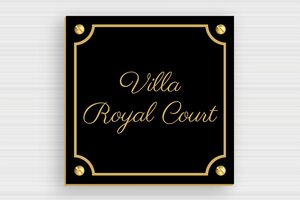
Heritage-style house signs draw inspiration from Britain's rich architectural history. Victorian-era typography, with its elegant serifs and balanced proportions, suits period properties beautifully. These classical letterforms have endured because they offer excellent legibility while conveying timeless sophistication.
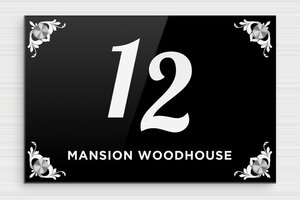
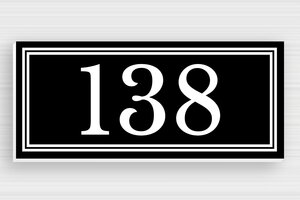
Traditional colour schemes typically employ high-contrast combinations that ensure maximum visibility. Deep blue backgrounds with white or gold lettering echo the classic British heritage plaque aesthetic, while black text on white or cream backgrounds provides crisp, professional appearance. Decorative borders and corner motifs can enhance traditional designs without overwhelming the essential address information.
For properties in conservation areas, traditional styling often represents the most appropriate choice. These designs respect the historical context while meeting modern visibility requirements. Many local authorities provide guidance on suitable signage styles for heritage properties, ensuring your house sign enhances rather than detracts from the area's character.
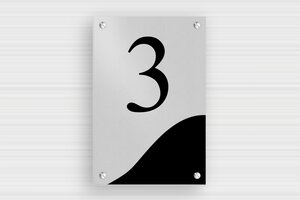
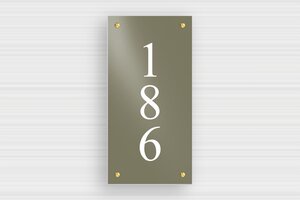
Modern house sign design embraces clean lines, uncluttered layouts, and sophisticated colour palettes. Sans-serif typography dominates contemporary styling, offering excellent legibility while conveying current design sensibilities. These streamlined approaches work particularly well with new builds and recently renovated properties.
Floating number effects, where individual digits appear to hover above the background surface, create striking visual impact. This three-dimensional approach adds depth and interest while maintaining the clean aesthetic that characterises contemporary design. LED backlighting can further enhance these effects, providing excellent visibility during evening hours.
Colour choices in contemporary house signs often reflect current interior design trends. Muted tones, sophisticated greys, and accent colours that coordinate with front door finishes create cohesive exterior styling. The key lies in balancing visual appeal with practical legibility requirements.
Personalisation transforms a standard address sign into a unique family statement. Simple additions like family names, establishment dates, or meaningful symbols create emotional connection while maintaining professional appearance. The key lies in balancing personal elements with essential address information.
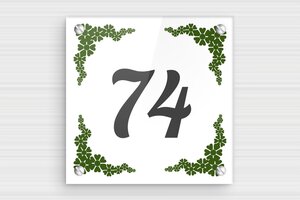
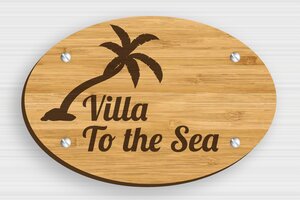
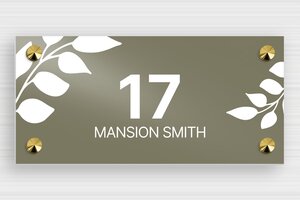
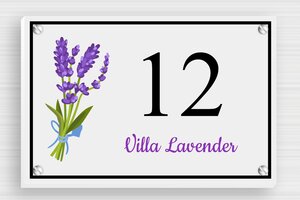
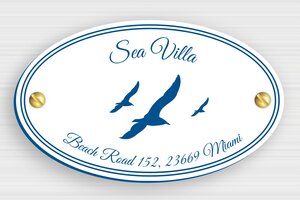
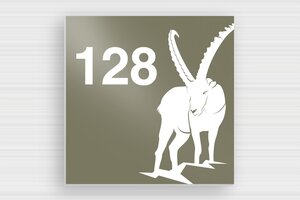
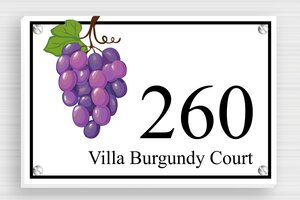
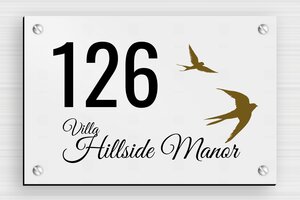
Motif integration offers another personalisation avenue. Subtle botanical elements suit garden enthusiasts, while nautical themes work well for coastal properties. Pet silhouettes, hobby symbols, or professional emblems can reflect family interests without overwhelming the sign's primary function.
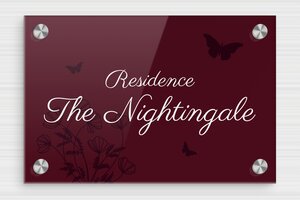
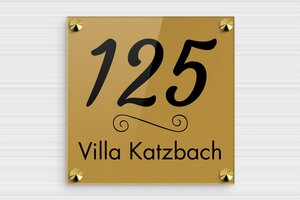
Typography choices also provide personalisation opportunities. Script fonts convey elegance and warmth, while bold sans-serif options suggest contemporary confidence. The selected typeface should complement your home's architectural style while ensuring excellent legibility from typical viewing distances.
Understanding UK regulations surrounding house signage ensures your new sign meets legal requirements while avoiding potential complications with local authorities. While most residential signage falls under permitted development rights, certain situations require additional consideration.
UK law requires property occupiers to display clear address identification visible from public areas. Local authorities can issue enforcement notices for non-compliant or missing signage, with potential fines for continued non-compliance. However, these regulations focus on visibility and legibility rather than specific design requirements.
The key compliance factors include appropriate size for viewing distance, sufficient colour contrast for legibility, and positioning that doesn't obstruct sightlines or create safety hazards. Most standard house signs easily meet these requirements when properly positioned and maintained.
Emergency service accessibility represents another crucial consideration. Your house sign should enable quick property identification during urgent situations. This requirement emphasises the importance of clear, unambiguous address display using conventional numbering and naming systems.
Most residential house signs fall under permitted development rights, meaning planning permission isn't required. However, certain circumstances trigger additional requirements. Properties in conservation areas, listed buildings, or areas of outstanding natural beauty may face specific restrictions on signage design, materials, or positioning.
Size limitations typically apply to signs exceeding certain dimensions, usually around 0.3 square metres for residential properties. Illuminated signs, commercial-style displays, or signs projecting significantly from building surfaces may require planning consent regardless of location.
When in doubt, consulting your local planning authority provides clarity on specific requirements. Most councils offer pre-application advice services that can confirm whether your proposed house sign requires formal consent. This consultation process helps avoid costly mistakes and potential enforcement action.
Proper installation ensures your house sign remains secure, visible, and attractive throughout its lifespan. Understanding optimal positioning principles and installation techniques helps maximise both functionality and aesthetic appeal.
Visibility represents the primary consideration when positioning house signs. The sign should be clearly visible from the street during both daylight and evening hours, without obstruction from vegetation, vehicles, or architectural features. Consider seasonal changes that might affect visibility – summer foliage can obscure signs that remain clearly visible during winter months.
Height positioning typically ranges between 1.5 and 2.5 metres from ground level, depending on property layout and viewing angles. This range ensures visibility for pedestrians and vehicle occupants while remaining accessible for maintenance. Wall-mounted signs should avoid areas prone to impact damage from opening doors, garden equipment, or vehicle manoeuvring.
Mounting surface preparation significantly affects installation success and longevity. Different wall materials require specific fixing methods – brick and stone walls typically use expanding bolts or resin anchors, while rendered surfaces may need specialist fixings to prevent damage. Professional installation ensures appropriate fixing selection and proper weatherproofing around mounting points.
Lighting considerations can enhance visibility and security. While illuminated signs may require planning consent, strategic positioning near existing exterior lighting improves evening visibility without additional complications. Reflective materials or light-coloured backgrounds can also enhance visibility in low-light conditions.
Quality house signs represent long-term investments that should provide years of reliable service with minimal maintenance. Understanding proper care techniques helps preserve appearance and functionality while maximising value for money.
Regular cleaning prevents dirt accumulation and maintains professional appearance. Most modern house sign materials respond well to gentle cleaning with mild detergent and soft cloths. Avoid abrasive cleaners or aggressive scrubbing that might damage surface finishes or engraved details.
Seasonal maintenance checks help identify potential issues before they become significant problems. Inspect mounting fixings for looseness or corrosion, particularly after severe weather. Check for damage to protective coatings, especially on metal signs, and address any issues promptly to prevent deterioration.
Weather protection strategies can extend sign lifespan significantly. While quality materials resist weather damage, simple measures like ensuring adequate drainage around mounting points and trimming vegetation that might trap moisture against the sign surface provide additional protection.
Professional restoration services can refresh older signs that have lost their original lustre. Many sign manufacturers offer refurbishment services that can restore faded colours, repair minor damage, or update information while preserving the original sign structure.
Choosing the perfect house sign involves balancing aesthetic preferences, practical requirements, and budget considerations. Understanding the decision-making process helps ensure satisfaction with your final selection.
Start by assessing your property's architectural style and existing exterior colour scheme. Traditional properties often benefit from heritage-inspired designs, while contemporary homes suit modern, minimalist approaches. Consider how your chosen sign will complement existing features like front doors, window frames, and garden elements.
Practical requirements include size constraints, mounting surface limitations, and local authority requirements. Measure the intended installation area carefully, considering both the sign dimensions and any clearance requirements. Check for potential obstructions that might affect visibility or installation access.
Budget considerations should encompass both initial purchase cost and long-term value. Higher-quality materials and construction typically provide better longevity and lower maintenance requirements, often representing superior value despite higher upfront costs. Consider the sign as a long-term investment in your property's appearance and functionality.
Customisation options allow you to create a truly unique house sign that reflects your family's personality. Modern online design tools make it easy to experiment with different layouts, colours, and fonts until you achieve the perfect combination. Take advantage of preview features to visualise how your design will appear in actual use.
Quality house signs combine practical functionality with personal expression, creating the perfect welcome for your UK home. Whether you choose traditional slate, contemporary acrylic, or elegant brass, the right house sign enhances your property's appeal while ensuring visitors and deliveries always find their way to your door. With Otypo's extensive customisation options and commitment to European quality, creating your ideal house sign has never been simpler or more rewarding.
 Custom quotes available for bulk or special requests
'%3e%3cpath%20d='M20.5563%202.67834H1.42533C0.639422%202.67834%200%203.31772%200%204.10363V15.5822C0%2016.3682%200.639422%2017.0076%201.42533%2017.0076H15.3578C15.6167%2017.0076%2015.8265%2016.7977%2015.8265%2016.5388C15.8265%2016.2799%2015.6167%2016.0701%2015.3578%2016.0701H1.42533C1.15636%2016.0701%200.9375%2015.8512%200.9375%2015.5822V8.87691H21.0442V11.2778C21.0442%2011.5367%2021.254%2011.7465%2021.5129%2011.7465C21.7718%2011.7465%2021.9817%2011.5367%2021.9817%2011.2778V4.10363C21.9817%203.31772%2021.3423%202.67834%2020.5563%202.67834ZM1.42533%203.61584H20.5563C20.8253%203.61584%2021.0442%203.83466%2021.0442%204.10363V5.54799H0.9375V4.10363C0.9375%203.83466%201.15631%203.61584%201.42533%203.61584ZM0.9375%207.93941V6.48549H21.0442V7.93941H0.9375Z'%20fill='%230C4D5A'/%3e%3cpath%20d='M20.5563%202.67834H1.42533C0.639422%202.67834%200%203.31772%200%204.10363V15.5822C0%2016.3682%200.639422%2017.0076%201.42533%2017.0076H15.3578C15.6167%2017.0076%2015.8265%2016.7977%2015.8265%2016.5388C15.8265%2016.2799%2015.6167%2016.0701%2015.3578%2016.0701H1.42533C1.15636%2016.0701%200.9375%2015.8512%200.9375%2015.5822V8.87691H21.0442V11.2778C21.0442%2011.5367%2021.254%2011.7465%2021.5129%2011.7465C21.7718%2011.7465%2021.9817%2011.5367%2021.9817%2011.2778V4.10363C21.9817%203.31772%2021.3423%202.67834%2020.5563%202.67834ZM1.42533%203.61584H20.5563C20.8253%203.61584%2021.0442%203.83466%2021.0442%204.10363V5.54799H0.9375V4.10363C0.9375%203.83466%201.15631%203.61584%201.42533%203.61584ZM0.9375%207.93941V6.48549H21.0442V7.93941H0.9375Z'%20fill='black'%20fill-opacity='0.5'/%3e%3cpath%20d='M6.92061%2013.6835H2.61612C1.9962%2013.7059%201.99409%2014.5977%202.61612%2014.621H6.92061C7.54054%2014.5986%207.54265%2013.7067%206.92061%2013.6835Z'%20fill='%230C4D5A'/%3e%3cpath%20d='M6.92061%2013.6835H2.61612C1.9962%2013.7059%201.99409%2014.5977%202.61612%2014.621H6.92061C7.54054%2014.5986%207.54265%2013.7067%206.92061%2013.6835Z'%20fill='black'%20fill-opacity='0.5'/%3e%3cpath%20d='M6.92061%2011.7704H2.61612C1.9962%2011.7928%201.99409%2012.6846%202.61612%2012.7079H6.92061C7.54054%2012.6855%207.54265%2011.7936%206.92061%2011.7704Z'%20fill='%230C4D5A'/%3e%3cpath%20d='M6.92061%2011.7704H2.61612C1.9962%2011.7928%201.99409%2012.6846%202.61612%2012.7079H6.92061C7.54054%2012.6855%207.54265%2011.7936%206.92061%2011.7704Z'%20fill='black'%20fill-opacity='0.5'/%3e%3cpath%20fill-rule='evenodd'%20clip-rule='evenodd'%20d='M16.9424%2010.7995L14.5898%2013.152C14.5898%2016.752%2015.1919%2020.2222%2019.2948%2021.3216C23.3978%2020.2222%2023.9998%2016.752%2023.9998%2013.152L21.6473%2010.7995H16.9424Z'%20fill='%23FDF300'/%3e%3cpath%20d='M19.2949%2019.7875C16.7214%2019.0081%2016.1647%2016.8451%2016.0451%2013.9479C16.0413%2013.8187%2016.0909%2013.6937%2016.1822%2013.6023L17.4034%2012.3812C17.4913%2012.2933%2017.6105%2012.2439%2017.7348%2012.2439H20.8549C20.9792%2012.2439%2021.0985%2012.2933%2021.1864%2012.3812L22.4075%2013.6023C22.4989%2013.6937%2022.5485%2013.8187%2022.5446%2013.9478C22.4255%2016.8443%2021.8681%2019.0084%2019.2949%2019.7875ZM16.9894%2014.121C17.1385%2016.4295%2017.4228%2018.0275%2019.2949%2018.8167C21.1665%2018.0277%2021.4513%2016.4301%2021.6004%2014.121L20.6608%2013.1814H17.929L16.9894%2014.121Z'%20fill='%230C4D5A'/%3e%3cpath%20d='M19.2949%2019.7875C16.7214%2019.0081%2016.1647%2016.8451%2016.0451%2013.9479C16.0413%2013.8187%2016.0909%2013.6937%2016.1822%2013.6023L17.4034%2012.3812C17.4913%2012.2933%2017.6105%2012.2439%2017.7348%2012.2439H20.8549C20.9792%2012.2439%2021.0985%2012.2933%2021.1864%2012.3812L22.4075%2013.6023C22.4989%2013.6937%2022.5485%2013.8187%2022.5446%2013.9478C22.4255%2016.8443%2021.8681%2019.0084%2019.2949%2019.7875ZM16.9894%2014.121C17.1385%2016.4295%2017.4228%2018.0275%2019.2949%2018.8167C21.1665%2018.0277%2021.4513%2016.4301%2021.6004%2014.121L20.6608%2013.1814H17.929L16.9894%2014.121Z'%20fill='black'%20fill-opacity='0.5'/%3e%3c/g%3e%3cdefs%3e%3cclipPath%20id='clip0'%3e%3crect%20width='24'%20height='24'%20fill='white'/%3e%3c/clipPath%3e%3c/defs%3e%3c/svg%3e) Secure payment via card or PayPal
Secure payment via card or PayPal Free delivery from £60
 Up to 20% off with volume discounts!
 Create your own product easily with our online editorCustom quotes available for bulk or special requestsSecure payment via card or PayPalFree delivery from £60Up to 20% off with volume discounts!Create your own product easily with our online editor