Get a quote
express 4h


Your sign in just 2 minutes.
Full editor: 27 materials, 219 colors, 12 mounting options
Marking: laser engraving, mechanical or printed
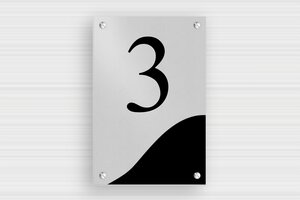
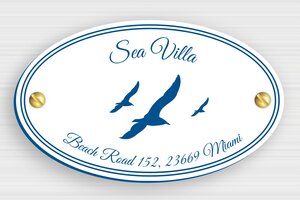

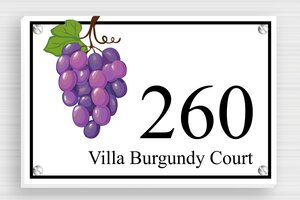
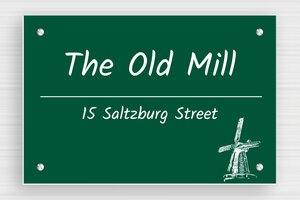
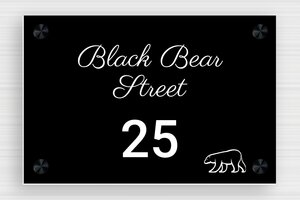
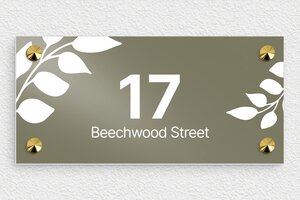
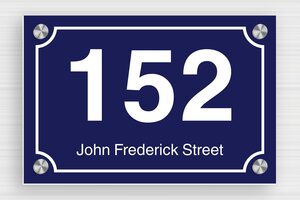
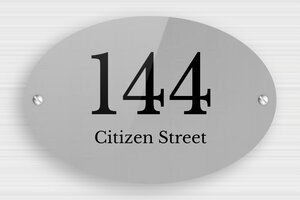

Under the Towns Improvement Clauses Act 1847, local councils have the authority to require property owners to display clear, visible house numbers or names. Your address sign must be clearly visible from the street and readable from the pavement during both daylight and evening hours.
Key legal compliance requirements include:
Most councils focus on functionality rather than aesthetics, ensuring properties can be located quickly by emergency services, postal workers, and delivery drivers.
British weather conditions demand materials that can withstand rain, frost, UV exposure, and temperature fluctuations whilst maintaining their appearance over many years. Here are the most suitable options:
All these materials require only occasional cleaning with mild soap and water, making them practical long-term investments for UK properties.
Choosing the correct size depends on your property type, distance from the road, and architectural style. Here's guidance for different property types:
Victorian and Edwardian Properties: Work with existing architectural features like decorative stonework or bay windows. Signs should complement rather than compete with ornate details.
Modern and Contemporary Homes: Large, uninterrupted wall surfaces allow for statement address signs with oversized numbers and dramatic effects.
Rural and Cottage Properties: Require proportionate sizing that harmonises with natural surroundings rather than competing for attention.
General sizing guidelines:
Yes, many UK properties benefit from displaying both house names and numbers, particularly where postal systems rely on numbers for efficiency whilst residents prefer the character that names provide.
Legal requirements typically mandate that numbers remain visible even when names are prominently displayed, but creative design solutions can integrate both elements harmoniously:
Effective combinations use hierarchy to guide the eye, with house numbers displayed prominently for practical identification whilst names appear in complementary but secondary positions. This approach satisfies legal requirements whilst allowing homeowners to express personality through chosen names.
The mounting system significantly affects both the appearance and functionality of your address sign:
Traditional Wall Mounting:
Standoff Mounting Systems:
Standoff systems are ideal for contemporary properties seeking modern, sophisticated aesthetics.
Regular cleaning represents the most important maintenance activity for address signs. Here are material-specific care requirements:
Aluminium Signs:
Acrylic Signs:
Stainless Steel:
Slate and Natural Stone:
Cleaning frequency depends on environmental conditions - coastal and urban properties typically require more frequent attention than rural settings.
Planning requirements for address signs in conservation areas can be more restrictive than standard residential areas, though specific requirements vary between different UK councils.
Generally, address signs are considered 'permitted development' and don't require planning permission, but conservation areas may have additional restrictions focusing on:
For conservation areas, traditional materials like slate, natural stone, or brass often work best and are more likely to gain approval if permission is required. Victorian and Edwardian properties typically benefit from signs positioned within existing architectural elements.
We recommend:
Most councils take a pragmatic approach, focusing on preserving the area's character whilst ensuring practical address identification.
Quality address signs represent long-term investments, with lifespan varying significantly based on material choice and environmental conditions:
Premium Materials (15-25+ years):
Quality Modern Materials (10-15 years):
Factors Affecting Lifespan:
When calculated over expected service lives, premium materials often provide better overall value than cheaper alternatives requiring replacement within 5-10 years. Quality materials and professional installation typically extend sign life considerably.
Your home's address sign is more than just a legal requirement – it's the first impression visitors get of your property. Whether you're looking to enhance your kerb appeal, ensure emergency services can find you quickly, or simply replace a worn-out house number, choosing the right address signs can transform the appearance of your home whilst meeting UK legal obligations. With decades of experience in creating bespoke signage solutions, Otypo understands that every British home deserves an address sign that reflects both quality craftsmanship and individual style.
From traditional slate house numbers perfect for period properties to sleek modern acrylic designs that complement contemporary architecture, the world of address signage offers endless possibilities for personalisation. The key lies in understanding which materials, sizes, and mounting options work best for your specific property type and local climate conditions. This comprehensive guide will help you navigate every aspect of choosing, customising, and installing the perfect address sign for your UK home.
Address signs serve a dual purpose in the UK – they're both a legal necessity and an opportunity to showcase your home's character. Under the Towns Improvement Clauses Act 1847, local councils have the authority to require property owners to display clear, visible house numbers or names. This legislation ensures that emergency services, postal workers, and delivery drivers can locate properties quickly and efficiently, particularly in urgent situations.
The legal framework surrounding address display varies slightly between different UK councils, but the fundamental requirement remains consistent: your house number or name must be clearly visible from the street. Most local authorities specify that numbers should be readable from the pavement during both daylight and evening hours, with sufficient contrast between the text and background to ensure visibility in various weather conditions.
Legal compliance for address signs in the UK centres on visibility and accessibility rather than specific design requirements. Your address sign must be positioned where it can be easily seen by someone approaching your property, typically at eye level or slightly above. The text should be large enough to read from the street – most councils recommend minimum letter heights of 75mm for house numbers, though this can vary depending on the distance from the road to your property.
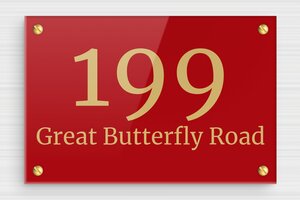
Contrast is crucial for legal compliance. Dark text on light backgrounds or light text on dark backgrounds both work effectively, but the key is ensuring sufficient contrast for readability in various lighting conditions. Many UK homeowners opt for white or cream lettering on dark slate backgrounds, or black text on light-coloured materials like brushed aluminium or acrylic.
Local councils possess significant powers when it comes to address signage enforcement. They can issue notices requiring property owners to install or replace inadequate address signs, and failure to comply can result in fines. More importantly, inadequate address signage can cause delays in emergency response times, potentially putting lives at risk.
However, councils generally take a pragmatic approach to enforcement, focusing on properties where address identification genuinely poses problems rather than pursuing minor aesthetic issues. The emphasis is always on functionality – ensuring that your property can be located quickly when needed.
The choice of material for your address sign significantly impacts both its longevity and aesthetic appeal. British weather conditions demand materials that can withstand rain, frost, UV exposure, and temperature fluctuations whilst maintaining their appearance over many years. Each material offers distinct advantages, making the selection process crucial for achieving the perfect balance of durability, style, and value.
Aluminium has become increasingly popular for modern UK address signs due to its exceptional weather resistance and sleek appearance. This lightweight yet durable material naturally forms a protective oxide layer that prevents corrosion, making it ideal for coastal properties where salt air can damage other metals. Aluminium signs maintain their appearance for decades with minimal maintenance, requiring only occasional cleaning with mild soap and water.
The versatility of aluminium allows for various finishing options, from brushed surfaces that complement contemporary architecture to powder-coated finishes available in numerous colours. Laser cutting technology enables precise lettering and intricate designs, whilst the material's lightweight nature simplifies installation on various wall surfaces. For homeowners seeking a modern, professional appearance that ages gracefully, aluminium represents an excellent investment.
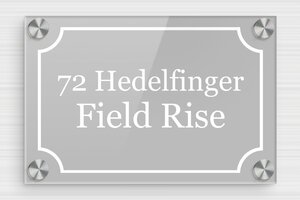
Acrylic address signs offer a distinctly modern aesthetic that works particularly well with contemporary and minimalist property designs. High-quality acrylic materials provide crystal-clear transparency or sophisticated frosted effects, creating elegant signage that appears to float against wall surfaces when mounted with standoff fixings.
The UV-resistant properties of premium acrylic ensure that colours remain vibrant and materials don't yellow over time, even under intense sunlight. Acrylic's versatility allows for various design approaches, from simple cut-out numbers that cast interesting shadows to fully printed signs with multiple colours and graphics. The material's lightweight nature and ease of drilling make installation straightforward, whilst its non-porous surface resists dirt accumulation and cleans easily.
Stainless steel represents the premium end of address sign materials, offering unmatched durability and a sophisticated appearance that suits both traditional and contemporary properties. The material's corrosion resistance makes it particularly suitable for harsh environments, including coastal areas and industrial locations where other materials might deteriorate rapidly.
Various grades of stainless steel are available, with marine-grade options providing the ultimate in corrosion resistance for properties near the sea. Surface finishes range from mirror-polished for maximum impact to brushed or satin finishes that reduce glare whilst maintaining elegance. Stainless steel's strength allows for thinner profiles whilst maintaining structural integrity, creating sleek designs that make a sophisticated statement about your property.
For properties with period character or rural settings, traditional materials like Welsh slate offer timeless appeal that complements historical architecture beautifully. Slate's natural properties make it incredibly durable – many slate address signs installed decades ago continue to look magnificent with minimal maintenance. The material's natural texture and colour variations ensure that each sign is unique, whilst its weather resistance has been proven over centuries of use in British construction.
Natural stone options, including limestone and sandstone, provide similar traditional appeal whilst offering different aesthetic qualities. These materials work particularly well for country properties, heritage buildings, and homes in conservation areas where planning restrictions might favour traditional materials over modern alternatives.
Modern address signs offer extensive customisation possibilities that allow homeowners to create truly unique identification for their properties. The personalisation process extends far beyond simply choosing numbers or letters, encompassing font selection, colour combinations, sizing options, and additional design elements that reflect individual taste and complement architectural styles.
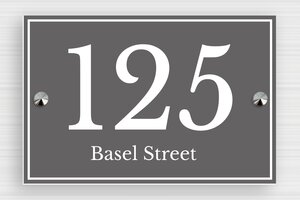
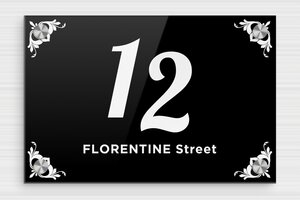
Typography plays a crucial role in both readability and aesthetic appeal. Classic serif fonts work beautifully with traditional properties, offering elegance and excellent readability, whilst clean sans-serif options complement modern architecture perfectly. Script fonts can add personality to rural or cottage-style properties, though care must be taken to ensure readability isn't compromised for the sake of style.
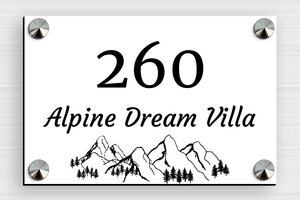
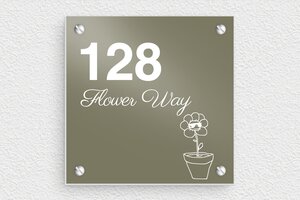
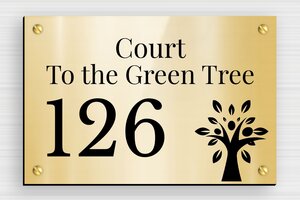
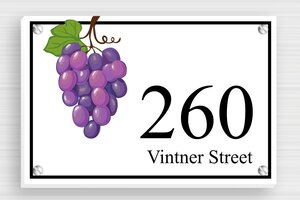
Many UK properties benefit from displaying both house names and numbers, particularly in areas where postal systems rely on numbers for efficiency whilst residents prefer the character that names provide. Legal requirements typically mandate that numbers remain visible even when names are prominently displayed, but creative design solutions can integrate both elements harmoniously.
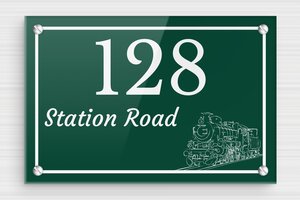
Effective name and number combinations often use hierarchy to guide the eye, with house numbers displayed prominently for practical identification whilst names appear in complementary but secondary positions. This approach satisfies legal requirements whilst allowing homeowners to express personality through chosen names. Popular layout approaches include stacked arrangements with numbers above names, side-by-side configurations, or integrated designs where names and numbers share equal prominence.
Contemporary address sign design increasingly favours clean, minimalist aesthetics that complement modern architectural trends. Floating mount systems, where signs appear to hover slightly away from wall surfaces, create sophisticated shadow effects that add depth and visual interest. These mounting systems work particularly well with materials like acrylic and aluminium, creating premium appearances that enhance property values.
LED illumination represents another growing trend, particularly for properties set back from roads or in areas with limited street lighting. Modern LED systems offer energy-efficient operation with long lifespans, whilst smart home integration allows for automated operation based on ambient light levels or time schedules. Solar-powered options eliminate the need for electrical connections, making illuminated signs practical for virtually any property.
Different property styles and locations require carefully considered approaches to address signage. A Victorian terrace house demands different solutions than a modern apartment block, whilst rural cottages have distinct requirements compared to urban developments. Understanding these differences ensures that your chosen address sign enhances rather than conflicts with your property's character.
Property age and architectural style provide important guidance for material and design selection. Period properties often benefit from traditional materials and classic typography that respect historical character, whilst contemporary buildings can accommodate bold, modern designs that make striking statements. The key lies in achieving harmony between the sign and its architectural context.
Victorian and Edwardian homes possess distinctive architectural features that address signs should complement rather than compete with. These properties typically feature rich materials, ornate details, and strong vertical proportions that influence signage decisions. Traditional materials like slate, cast iron, or brass work beautifully with period architecture, whilst font choices should reflect the era's typographic preferences.
Positioning becomes particularly important with period properties, as original architectural features like decorative stonework, bay windows, or ornate doorways provide natural frameworks for address signs. Many Victorian properties benefit from signs positioned within existing architectural elements, such as stone panels or decorative surrounds, creating integrated appearances that look original to the building.
Contemporary properties offer greater freedom for bold, innovative address sign designs that can become architectural features in their own right. Clean lines, geometric forms, and innovative materials all work well with modern architecture, whilst the absence of historical constraints allows for creative experimentation with colours, textures, and mounting systems.
Modern homes often feature large, uninterrupted wall surfaces that provide excellent canvases for statement address signs. Oversized numbers, dramatic colour contrasts, and three-dimensional effects can all work effectively, whilst integrated lighting systems can enhance both functionality and visual impact during evening hours.
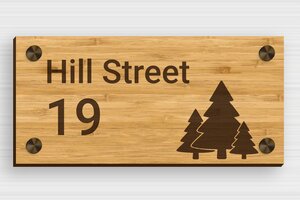
Rural properties and traditional cottages require sensitive approaches that respect their settings and architectural heritage. Natural materials like slate, timber, or stone typically work best, whilst organic shapes and traditional craftsmanship details enhance authenticity. Font choices should reflect rural character – hand-painted styles or carved lettering often work better than precision-engineered modern typography.
Environmental considerations become particularly important for rural properties, where signs must withstand exposure to agricultural activities, wildlife, and often harsher weather conditions than urban locations experience. Durability and weather resistance take precedence, whilst designs should harmonise with natural surroundings rather than competing for attention.
Proper installation ensures that your address sign remains secure, level, and attractive for many years whilst avoiding damage to your property's exterior surfaces. Different mounting methods suit various wall types, sign materials, and aesthetic preferences, making the selection of appropriate fixings crucial for long-term success.
Wall surface analysis should precede any installation planning. Brick, stone, render, timber, and modern cladding materials all require different approaches and fixing types. Understanding your wall construction helps determine the most suitable mounting method whilst avoiding potential problems like water penetration or structural damage.
Direct wall mounting remains the most common installation method for address signs, offering security and simplicity whilst keeping signs close to building surfaces. This approach works well with most materials and property types, particularly where architectural features provide natural positioning guidance.
Screw fixings through pre-drilled holes provide the most secure mounting for permanent installations, whilst wall plugs or anchors distribute loads effectively across different wall materials. Stainless steel fixings prevent corrosion and staining, particularly important for light-coloured wall surfaces where rust marks would be highly visible.
Standoff mounting systems create sophisticated floating effects that add depth and visual interest to address signs whilst providing practical benefits like improved drainage and ventilation behind signs. These systems work particularly well with modern materials like acrylic and aluminium, creating premium appearances that enhance property values.
Standoff systems typically use cylindrical spacers that hold signs away from wall surfaces by 10-25mm, creating shadow effects that change throughout the day as sun angles vary. This mounting method also facilitates easier cleaning and maintenance, as both sign surfaces and wall areas remain accessible.
Properties with significant setbacks from roads or complex architectural features sometimes benefit from post-mounted or freestanding address signs that provide better visibility than wall-mounted alternatives. These solutions work particularly well for rural properties, gated entrances, or modern developments where architectural styles might not accommodate traditional wall mounting.
Post systems require careful consideration of ground conditions, local planning requirements, and maintenance access. Concrete foundations ensure stability, whilst materials like powder-coated aluminium or stainless steel provide weather resistance for both posts and sign components.
Quality address signs represent long-term investments that should provide many years of reliable service with minimal maintenance requirements. Understanding the care needs of different materials helps preserve appearance and functionality whilst protecting your investment over time.
Regular cleaning represents the most important maintenance activity for most address signs. Simple washing with mild soap and water removes accumulated dirt, salt deposits, and organic growth that can degrade appearance and potentially cause long-term damage. The frequency of cleaning depends on environmental conditions – coastal properties and urban locations typically require more frequent attention than rural settings.
Different materials require tailored maintenance approaches to preserve their appearance and performance. Aluminium signs benefit from occasional polishing with appropriate metal cleaners, whilst avoiding abrasive materials that might scratch protective finishes. Powder-coated surfaces should be cleaned gently to preserve their protective properties.
Acrylic signs require careful handling during cleaning to avoid scratching, with soft cloths and plastic-safe cleaners providing the best results. Anti-static treatments can reduce dust accumulation, whilst UV-protective treatments help maintain colour stability in high-exposure locations.
British weather conditions present particular challenges for outdoor signage, with freeze-thaw cycles, salt air, and UV exposure all potentially affecting sign longevity. Understanding these challenges helps implement protective measures that extend sign life significantly.
Winter preparations might include checking mounting fixings for frost damage, clearing drainage channels around signs, and removing ice accumulation that might stress materials or fixings. Summer care focuses on UV protection and cleaning away organic growth that thrives in warm, humid conditions.
Address sign investments should be evaluated based on long-term value rather than initial purchase price alone. Quality materials and professional installation typically provide better value over time than cheaper alternatives that require frequent replacement or maintenance.
Premium materials like stainless steel or high-grade aluminium command higher initial prices but offer superior longevity and lower maintenance costs. When calculated over expected service lives of 15-20 years or more, these materials often provide better overall value than cheaper alternatives that might require replacement within 5-10 years.
Several factors influence the long-term value proposition of address signs beyond material costs. Installation quality significantly affects longevity – professional installation with appropriate fixings and weatherproofing typically extends sign life considerably compared to DIY approaches using inadequate materials.
Customisation levels also affect value calculations. Highly personalised signs with unique designs or premium finishes command higher prices but provide greater satisfaction and potentially enhanced property values. Standard designs offer lower costs but might lack the distinctive character that makes addresses memorable.
Modern consumers increasingly consider environmental factors when making purchasing decisions, and address signs offer opportunities to make sustainable choices that align with broader environmental values. Material selection, manufacturing processes, and end-of-life disposal all contribute to overall environmental impact.
Recyclable materials like aluminium and stainless steel offer excellent environmental credentials, as they can be recycled indefinitely without quality degradation. These materials also offer exceptional longevity, reducing replacement frequency and associated environmental costs. Local sourcing and manufacturing can further reduce transportation-related environmental impacts.
Sustainable address sign materials balance environmental responsibility with practical performance requirements. Recycled aluminium provides identical performance to virgin materials whilst requiring significantly less energy for production. Similarly, reclaimed slate and stone offer unique character whilst avoiding quarrying impacts associated with new materials.
Timber from sustainably managed forests provides renewable options for rural properties, particularly when sourced locally to minimise transportation impacts. Modern timber treatments can provide excellent weather resistance whilst maintaining environmental credentials.
When selecting your perfect address sign, remember that this investment will serve your property for many years to come. Quality materials, thoughtful design, and professional installation create signage solutions that enhance both property values and daily living experiences. Whether you choose traditional slate that weathers beautifully over decades, modern aluminium that maintains its pristine appearance, or innovative acrylic that creates striking contemporary statements, your address signs should reflect both practical needs and personal style preferences. With Otypo's extensive customisation options and commitment to European quality standards, creating the perfect address sign for your UK home becomes an enjoyable journey of personal expression that results in practical, beautiful, and long-lasting identification for your property.