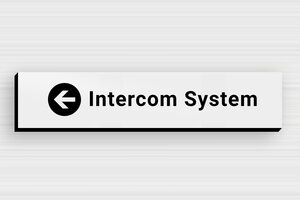
Door Signs
Your sign in just 2 minutes.
Full editor: 27 materials, 219 colors, 12 mounting options
Marking: laser engraving, mechanical or printed
starting at £2.33

Your sign in just 2 minutes.
Full editor: 27 materials, 219 colors, 12 mounting options
Marking: laser engraving, mechanical or printed
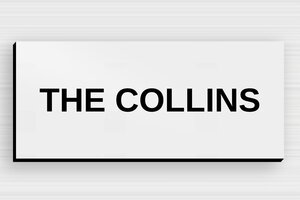
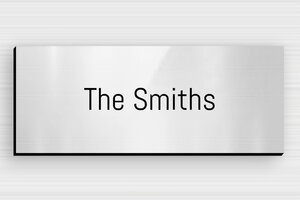
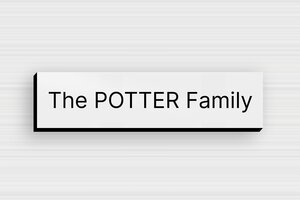
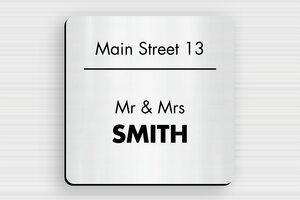

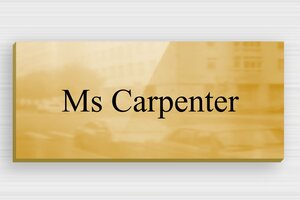
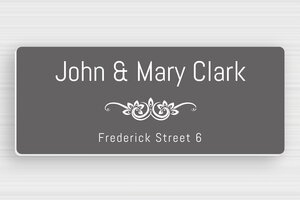

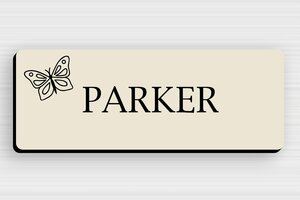
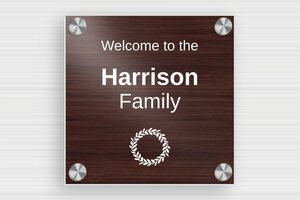


For UK weather conditions, several materials offer excellent durability and weather resistance for door signs:
All these materials incorporate UV stabilisers or protective coatings to prevent colour fading and material degradation from prolonged sun exposure, making them ideal for British climate conditions.
Choosing the right size door sign involves balancing visibility requirements with proportional aesthetics:
Viewing Distance Considerations:
Proportional Relationships:
Regulatory Requirements:
Professional design guidance helps achieve the optimal balance between functionality and visual appeal, ensuring your door sign enhances rather than overwhelms its environment.
Most door signs can be installed yourself using the appropriate mounting method for your specific situation:
Self-Adhesive Mounting (DIY-Friendly):
Mechanical Fixings (Moderate DIY Skills Required):
When to Consider Professional Installation:
Most residential door sign installations are straightforward DIY projects with the right preparation and tools.
The lifespan of outdoor door signs varies significantly based on material quality, environmental conditions, and maintenance:
High-Quality Materials (10-25+ years):
Factors Affecting Longevity:
Maintenance Requirements:
Quality door signs represent long-term investments that enhance property value while providing essential identification functions for many years.
Modern door signs offer extensive customisation options to create unique expressions of identity:
Text Customisation:
Design and Visual Elements:
Material and Finish Options:
Advanced Features:
Online customisation tools make it easy to explore design options and visualise your finished sign before ordering, ensuring the final product perfectly matches your vision and requirements.
Door signs serve as the first impression of your home or office, combining practical identification with aesthetic appeal. These personalised plaques transform ordinary entrances into welcoming statements that reflect your unique style and ensure visitors can easily locate your property. Whether you're seeking a sleek modern nameplate for your contemporary home or an elegant brass plaque for your traditional office, the right door sign enhances both functionality and kerb appeal.
The importance of quality door signage extends beyond mere decoration. In today's world of online deliveries and emergency services, clear and visible door identification has become essential for daily life. A well-designed door plaque not only complements your property's architecture but also provides practical benefits that homeowners and business owners increasingly value. From weather-resistant materials that withstand British climate conditions to customisable designs that match your personal taste, modern door signs offer solutions for every requirement and budget.
Otypo specialises in creating bespoke door signs that combine European craftsmanship with innovative online customisation tools. Our extensive range of materials, from premium acrylic to traditional brass, ensures that every customer finds the perfect solution for their specific needs. With over 60 years of experience in the signage industry, we understand the importance of quality, durability, and customer satisfaction in creating door signs that stand the test of time.
The variety of door signs available today reflects the diverse needs of property owners across the UK. Understanding the different types helps you make an informed decision that balances functionality, aesthetics, and budget considerations. Each type serves specific purposes while offering unique advantages for different applications and environments.
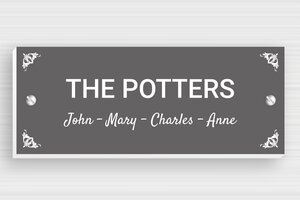
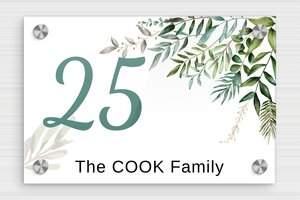
Home door signs represent the most personal category of entrance signage, where individual style meets practical necessity. These signs range from simple house number displays to elaborate family nameplates that tell a story about the residents within. Modern homeowners increasingly choose door signs that complement their property's architectural style while ensuring maximum visibility from the street.
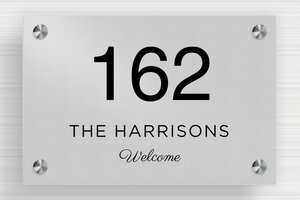
Contemporary residential door signs often feature clean lines and minimalist designs that suit modern housing developments. Materials like brushed aluminium and frosted acrylic create sophisticated appearances that work particularly well with new-build properties and urban environments. These materials offer excellent durability while maintaining their appearance despite exposure to weather conditions typical of the British climate.
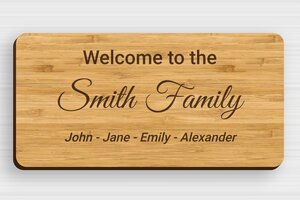
Traditional homes benefit from door signs that honour their heritage character. Wooden plaques, particularly those crafted from oak or other hardwoods, provide warmth and authenticity that complements period properties. Engraved slate signs offer another classic option, delivering the timeless appeal that suits cottages, Victorian terraces, and heritage buildings throughout the UK.
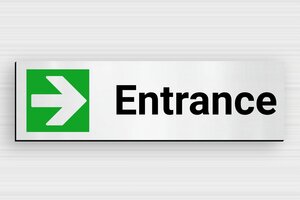
Business environments require door signs that project professionalism while serving practical identification purposes. Office door signs must balance corporate branding requirements with clear functionality, ensuring that visitors, clients, and staff can easily navigate commercial spaces. The choice of material and design significantly impacts the professional impression your business creates.
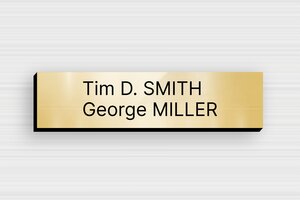
Professional nameplates for individual offices typically feature clean, readable fonts on materials that convey quality and permanence. Stainless steel and brass options remain popular choices for law firms, medical practices, and financial services, where traditional materials suggest stability and trustworthiness. These materials also offer the durability necessary for high-traffic commercial environments.
Modern offices increasingly favour modular door sign systems that allow for easy updates when staff changes occur. Interchangeable inserts and magnetic fixing systems provide flexibility while maintaining a consistent professional appearance throughout the building. This approach proves particularly valuable for growing businesses and shared office spaces where occupancy changes frequently.
The material you choose for your door sign significantly impacts both its appearance and longevity. Each material offers distinct advantages, and understanding these characteristics helps ensure your investment provides years of reliable service while maintaining its visual appeal. Climate considerations play a crucial role in material selection, particularly given the UK's variable weather conditions.
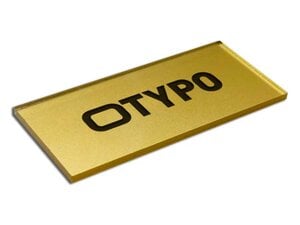
Acrylic represents one of the most versatile materials for modern door signs, offering exceptional clarity and design flexibility. This material allows for vibrant colour reproduction and can be manufactured in various thicknesses to create different visual effects. Frosted acrylic provides an elegant, professional appearance that works equally well in residential and commercial applications.
The weather resistance of quality acrylic makes it particularly suitable for external door signs in the UK climate. Unlike some materials that can become brittle in cold conditions or fade under UV exposure, properly manufactured acrylic maintains its properties across temperature extremes. This durability, combined with its lightweight nature, makes acrylic an excellent choice for doors where weight considerations matter.
Customisation options with acrylic are virtually limitless. The material accepts various printing and engraving techniques, allowing for complex designs that incorporate logos, graphics, and multiple colours. LED backlighting can be integrated for illuminated effects, making acrylic door signs visible even in low-light conditions.
Metal door signs offer unmatched durability and a premium appearance that many property owners prefer. Aluminium, stainless steel, and brass each provide unique aesthetic qualities while delivering the longevity that justifies their initial investment. These materials develop character over time, often improving in appearance as they age gracefully.
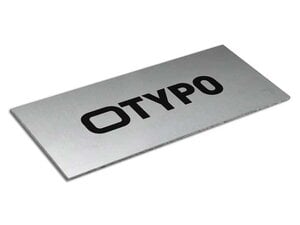
Aluminium door signs combine lightweight properties with excellent corrosion resistance, making them ideal for coastal locations where salt air can damage other materials. Anodised finishes provide additional protection while offering colour options that remain stable over many years. The material's ability to be precision-cut allows for intricate designs and sharp, professional edges.
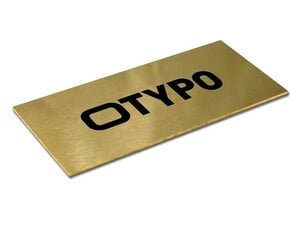
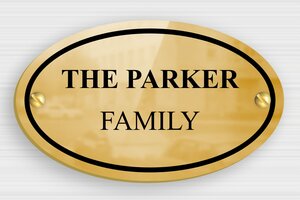
Brass door signs represent the pinnacle of traditional elegance, offering a warm, golden appearance that complements both period and contemporary properties. While brass requires occasional maintenance to preserve its lustre, many owners appreciate the patina that develops naturally over time. This living finish creates a unique character that cannot be replicated with other materials.
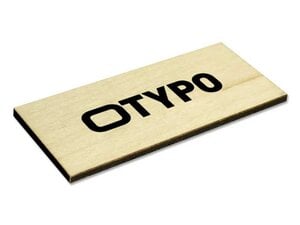
Wood brings natural warmth and character to door signage, creating an organic connection between the sign and its environment. Different wood species offer varying grain patterns, colours, and durability characteristics, allowing for customisation that reflects personal taste and architectural compatibility.
Oak remains the premium choice for wooden door signs, offering exceptional durability and distinctive grain patterns that enhance with age. The material's natural resistance to weather makes it suitable for external applications, particularly when properly treated and maintained. Oak door signs develop a rich patina over time that adds to their appeal and character.
Sustainable forestry practices ensure that wooden door signs can be an environmentally responsible choice. FSC-certified timber provides assurance that your door sign contributes to responsible forest management while delivering the natural beauty that only wood can provide.
The ability to personalise your door sign transforms a functional necessity into a unique expression of identity. Modern manufacturing techniques and online design tools have revolutionised the customisation process, making it easier than ever to create door signs that perfectly match your vision and requirements.
Text customisation forms the foundation of most door sign designs, with font selection playing a crucial role in the overall appearance. Traditional serif fonts convey elegance and formality, making them suitable for professional environments and period properties. Sans-serif fonts offer clean, modern appearances that work well with contemporary architecture and minimalist design preferences.
Colour combinations significantly impact both visibility and aesthetic appeal. High contrast combinations ensure maximum legibility from a distance, which proves essential for delivery personnel and emergency services. However, subtle tonal variations can create sophisticated effects that complement architectural details and personal style preferences.
Size considerations involve balancing visibility requirements with proportional aesthetics. Larger signs improve visibility but must harmonise with the door and surrounding architecture. Professional design guidance helps achieve the optimal balance between functionality and visual appeal, ensuring your door sign enhances rather than overwhelms its environment.
Proper installation ensures your door sign remains securely positioned while maintaining its appearance over time. Different mounting methods suit various applications, and understanding these options helps you choose the approach that best serves your specific requirements and circumstances.
Self-adhesive mounting offers the simplest installation method for many door sign applications. Modern adhesive technologies provide strong, permanent bonds that resist weather conditions while allowing for clean removal when necessary. This approach proves particularly valuable for rental properties where permanent alterations may not be permitted.
Surface preparation plays a crucial role in adhesive mounting success. Clean, dry surfaces free from dust, grease, and loose paint ensure optimal adhesion. Temperature considerations also matter, as adhesive bonds develop strength more effectively within specific temperature ranges.
Removable adhesive options provide flexibility for temporary installations or situations where future changes may be required. These specialised adhesives maintain holding power while allowing clean removal without surface damage, making them ideal for office environments where staff changes occur regularly.
Screw fixings provide the most secure mounting method for door signs, particularly in high-traffic areas or locations exposed to strong winds. Pre-drilled holes and supplied fixings simplify the installation process while ensuring proper alignment and secure attachment.
Standoff fixings create a floating effect that adds visual interest while providing space for thermal expansion. This mounting method works particularly well with metal and acrylic signs, creating professional appearances that suggest quality and attention to detail.
Concealed fixing systems maintain clean appearances by hiding mounting hardware behind the sign face. These systems require precise manufacturing but deliver superior aesthetic results that justify their additional complexity and cost.
British weather conditions present unique challenges for external door signs, requiring materials and finishes that can withstand rain, wind, temperature fluctuations, and UV exposure. Understanding these environmental factors helps ensure your door sign maintains its appearance and functionality throughout its service life.
UV resistance prevents colour fading and material degradation that can occur with prolonged sun exposure. Quality materials incorporate UV stabilisers or protective coatings that maintain colour integrity and structural properties despite years of sunlight exposure. This protection proves particularly important for south-facing installations that receive maximum solar radiation.
Thermal expansion and contraction occur with temperature changes, potentially affecting both the sign material and its mounting system. Proper design accommodates these movements through appropriate material selection and fixing methods that allow for dimensional changes without compromising structural integrity.
Moisture resistance prevents water penetration that could cause material degradation, delamination, or finish failure. Sealed edges and appropriate drainage details ensure that water cannot accumulate within the sign structure, preventing long-term damage that could compromise both appearance and functionality.
Current design trends in door signage reflect broader architectural and interior design movements, emphasising clean lines, sustainable materials, and personalised expression. Understanding these trends helps ensure your door sign remains stylistically relevant while serving its practical functions effectively.
Minimalist aesthetics dominate contemporary door sign design, with simple geometric forms and restrained colour palettes creating sophisticated appearances. This approach emphasises quality materials and precise manufacturing rather than decorative complexity, resulting in signs that age gracefully and maintain their appeal over time.
Mixed material combinations create visual interest while allowing designers to optimise each material's properties for specific functions. Wood and metal combinations, for example, can provide warmth and durability in a single design, while acrylic and aluminium pairings offer modern aesthetics with practical benefits.
Sustainable design considerations increasingly influence material choices and manufacturing processes. Recycled content, renewable materials, and local sourcing appeal to environmentally conscious consumers while often providing superior performance characteristics compared to traditional alternatives.
Size selection significantly impacts both the functionality and aesthetic success of your door sign. Proper sizing ensures adequate visibility from relevant viewing distances while maintaining proportional relationships with the door and surrounding architectural elements.
Viewing distance calculations help determine minimum text sizes for adequate legibility. Street-level viewing typically requires larger text than close-approach reading, and these requirements must be balanced with aesthetic considerations and available mounting space.
Proportional relationships between the sign and its mounting surface create visual harmony that enhances the overall appearance. Signs that appear too large or too small for their context can detract from both the sign's effectiveness and the property's overall aesthetic appeal.
Regulatory requirements may specify minimum sizes for address visibility, particularly in areas where emergency service access is a concern. Local authorities sometimes provide guidance on appropriate sizing for residential and commercial properties, and compliance with these recommendations ensures both legal conformity and practical functionality.
Creating the perfect door sign requires careful consideration of materials, design, installation, and environmental factors. Quality door signs serve as long-term investments that enhance property value while providing essential identification functions. The combination of durable materials, thoughtful design, and professional manufacturing ensures that your door sign will continue serving its purpose effectively for many years.
Otypo's comprehensive range of door sign solutions addresses every requirement, from simple house numbers to elaborate commercial nameplates. Our online customisation tools make it easy to explore design options and visualise your finished sign before ordering. With fast production times and reliable delivery throughout Europe, we ensure your new door sign arrives quickly and meets your exact specifications. Contact our experienced team to discuss your door sign requirements and discover how we can help create the perfect entrance statement for your property.
 Custom quotes available for bulk or special requests
'%3e%3cpath%20d='M20.5563%202.67834H1.42533C0.639422%202.67834%200%203.31772%200%204.10363V15.5822C0%2016.3682%200.639422%2017.0076%201.42533%2017.0076H15.3578C15.6167%2017.0076%2015.8265%2016.7977%2015.8265%2016.5388C15.8265%2016.2799%2015.6167%2016.0701%2015.3578%2016.0701H1.42533C1.15636%2016.0701%200.9375%2015.8512%200.9375%2015.5822V8.87691H21.0442V11.2778C21.0442%2011.5367%2021.254%2011.7465%2021.5129%2011.7465C21.7718%2011.7465%2021.9817%2011.5367%2021.9817%2011.2778V4.10363C21.9817%203.31772%2021.3423%202.67834%2020.5563%202.67834ZM1.42533%203.61584H20.5563C20.8253%203.61584%2021.0442%203.83466%2021.0442%204.10363V5.54799H0.9375V4.10363C0.9375%203.83466%201.15631%203.61584%201.42533%203.61584ZM0.9375%207.93941V6.48549H21.0442V7.93941H0.9375Z'%20fill='%230C4D5A'/%3e%3cpath%20d='M20.5563%202.67834H1.42533C0.639422%202.67834%200%203.31772%200%204.10363V15.5822C0%2016.3682%200.639422%2017.0076%201.42533%2017.0076H15.3578C15.6167%2017.0076%2015.8265%2016.7977%2015.8265%2016.5388C15.8265%2016.2799%2015.6167%2016.0701%2015.3578%2016.0701H1.42533C1.15636%2016.0701%200.9375%2015.8512%200.9375%2015.5822V8.87691H21.0442V11.2778C21.0442%2011.5367%2021.254%2011.7465%2021.5129%2011.7465C21.7718%2011.7465%2021.9817%2011.5367%2021.9817%2011.2778V4.10363C21.9817%203.31772%2021.3423%202.67834%2020.5563%202.67834ZM1.42533%203.61584H20.5563C20.8253%203.61584%2021.0442%203.83466%2021.0442%204.10363V5.54799H0.9375V4.10363C0.9375%203.83466%201.15631%203.61584%201.42533%203.61584ZM0.9375%207.93941V6.48549H21.0442V7.93941H0.9375Z'%20fill='black'%20fill-opacity='0.5'/%3e%3cpath%20d='M6.92061%2013.6835H2.61612C1.9962%2013.7059%201.99409%2014.5977%202.61612%2014.621H6.92061C7.54054%2014.5986%207.54265%2013.7067%206.92061%2013.6835Z'%20fill='%230C4D5A'/%3e%3cpath%20d='M6.92061%2013.6835H2.61612C1.9962%2013.7059%201.99409%2014.5977%202.61612%2014.621H6.92061C7.54054%2014.5986%207.54265%2013.7067%206.92061%2013.6835Z'%20fill='black'%20fill-opacity='0.5'/%3e%3cpath%20d='M6.92061%2011.7704H2.61612C1.9962%2011.7928%201.99409%2012.6846%202.61612%2012.7079H6.92061C7.54054%2012.6855%207.54265%2011.7936%206.92061%2011.7704Z'%20fill='%230C4D5A'/%3e%3cpath%20d='M6.92061%2011.7704H2.61612C1.9962%2011.7928%201.99409%2012.6846%202.61612%2012.7079H6.92061C7.54054%2012.6855%207.54265%2011.7936%206.92061%2011.7704Z'%20fill='black'%20fill-opacity='0.5'/%3e%3cpath%20fill-rule='evenodd'%20clip-rule='evenodd'%20d='M16.9424%2010.7995L14.5898%2013.152C14.5898%2016.752%2015.1919%2020.2222%2019.2948%2021.3216C23.3978%2020.2222%2023.9998%2016.752%2023.9998%2013.152L21.6473%2010.7995H16.9424Z'%20fill='%23FDF300'/%3e%3cpath%20d='M19.2949%2019.7875C16.7214%2019.0081%2016.1647%2016.8451%2016.0451%2013.9479C16.0413%2013.8187%2016.0909%2013.6937%2016.1822%2013.6023L17.4034%2012.3812C17.4913%2012.2933%2017.6105%2012.2439%2017.7348%2012.2439H20.8549C20.9792%2012.2439%2021.0985%2012.2933%2021.1864%2012.3812L22.4075%2013.6023C22.4989%2013.6937%2022.5485%2013.8187%2022.5446%2013.9478C22.4255%2016.8443%2021.8681%2019.0084%2019.2949%2019.7875ZM16.9894%2014.121C17.1385%2016.4295%2017.4228%2018.0275%2019.2949%2018.8167C21.1665%2018.0277%2021.4513%2016.4301%2021.6004%2014.121L20.6608%2013.1814H17.929L16.9894%2014.121Z'%20fill='%230C4D5A'/%3e%3cpath%20d='M19.2949%2019.7875C16.7214%2019.0081%2016.1647%2016.8451%2016.0451%2013.9479C16.0413%2013.8187%2016.0909%2013.6937%2016.1822%2013.6023L17.4034%2012.3812C17.4913%2012.2933%2017.6105%2012.2439%2017.7348%2012.2439H20.8549C20.9792%2012.2439%2021.0985%2012.2933%2021.1864%2012.3812L22.4075%2013.6023C22.4989%2013.6937%2022.5485%2013.8187%2022.5446%2013.9478C22.4255%2016.8443%2021.8681%2019.0084%2019.2949%2019.7875ZM16.9894%2014.121C17.1385%2016.4295%2017.4228%2018.0275%2019.2949%2018.8167C21.1665%2018.0277%2021.4513%2016.4301%2021.6004%2014.121L20.6608%2013.1814H17.929L16.9894%2014.121Z'%20fill='black'%20fill-opacity='0.5'/%3e%3c/g%3e%3cdefs%3e%3cclipPath%20id='clip0'%3e%3crect%20width='24'%20height='24'%20fill='white'/%3e%3c/clipPath%3e%3c/defs%3e%3c/svg%3e) Secure payment via card or PayPal
Secure payment via card or PayPal Free delivery from £60
 Up to 20% off with volume discounts!
 Create your own product easily with our online editorCustom quotes available for bulk or special requestsSecure payment via card or PayPalFree delivery from £60Up to 20% off with volume discounts!Create your own product easily with our online editor