Get a quote
express 4h


Your sign in just 2 minutes.
Full editor: 27 materials, 219 colors, 12 mounting options
Marking: laser engraving, mechanical or printed












Generally, you do not need planning permission to install a standard acrylic door sign on your property in the UK. Most residential door signs fall under permitted development rights, as they are considered minor alterations that don't significantly impact the property's appearance or neighbourhood character.
However, there are some important exceptions to consider:
We recommend checking with your local planning authority if you're unsure, particularly for period properties or if you're planning an unusually large or distinctive sign design.
Acrylic door signs offer significant advantages over traditional materials in both cost-effectiveness and maintenance requirements. Unlike brass signs that require regular polishing to prevent tarnishing, or slate that can crack and weather over time, acrylic maintains its appearance with minimal upkeep.
Key maintenance differences include:
From a cost perspective, acrylic offers excellent value through its longevity and low maintenance requirements. While initial costs vary depending on customisation, the long-term investment is typically more economical due to the material's durability and the elimination of ongoing maintenance expenses.
Acrylic door signs can often be relocated, depending on the mounting method used during installation. The lightweight nature of acrylic makes it more portable than heavier materials like stone or thick metal signs.
Relocation possibilities depend on your mounting choice:
If you anticipate moving, consider discussing mounting options that facilitate future removal during the design process. The sign's modular design and durable construction mean that with careful removal, many acrylic door signs can successfully serve multiple properties throughout their lifespan.
For optimal visibility by emergency services, house numbers should be at least 25mm tall as a minimum standard. However, larger sizing is often recommended to ensure clear readability from typical approach distances.
Recommended sizing guidelines include:
Beyond size, contrast is crucial for emergency visibility. High-contrast combinations such as white text on dark backgrounds or dark text on light backgrounds provide optimal readability in various lighting conditions. The non-porous surface of acrylic maintains sharp text definition over time, ensuring your house numbers remain clearly visible for years to come.
Listed buildings and conservation areas do have specific restrictions that may affect your choice of door signage, though acrylic signs can often be designed to comply with these requirements when approached thoughtfully.
Key considerations for heritage properties include:
The versatility of acrylic allows for designs that respect traditional aesthetics while providing modern durability. Options like frosted finishes, traditional colour schemes, and classic typography can create signs that appear period-appropriate whilst meeting conservation requirements. Always consult your local conservation officer or planning authority before proceeding with signage on heritage properties.
Acrylic door signs represent the perfect fusion of contemporary design and practical functionality for UK homes. These modern weatherproof nameplates offer homeowners an elegant solution for property identification that withstands Britain's unpredictable climate whilst enhancing kerb appeal. Unlike traditional materials that fade, crack, or require constant maintenance, acrylic door signs deliver lasting performance with minimal upkeep, making them an increasingly popular choice for discerning property owners across the country.
The appeal of acrylic extends far beyond its sleek appearance. This versatile material combines optical clarity with exceptional durability, creating door signs that remain pristine through years of exposure to rain, frost, and UV radiation. Whether you're looking to replace a weathered wooden nameplate or add a contemporary touch to a period property, acrylic door signs offer the customisation flexibility to complement any architectural style whilst meeting practical visibility requirements.
Acrylic stands out as the premium choice for door signage due to its unique combination of aesthetic appeal and technical performance. This high-grade plastic material, often referred to by brand names like Perspex, offers superior clarity compared to glass whilst being significantly lighter and more impact-resistant. For UK homeowners, this translates to door signs that maintain their professional appearance regardless of weather conditions.
The material's inherent properties make it ideal for outdoor applications. Acrylic naturally resists UV degradation, preventing the yellowing and brittleness that affects other plastics over time. This UV stability ensures your door sign maintains its original colour and clarity for decades, making it a cost-effective long-term investment for property identification.
British weather poses unique challenges for outdoor signage, from driving rain and snow to intense summer sun. Acrylic door signs excel in these conditions thanks to their non-porous surface that prevents water absorption and subsequent freeze-thaw damage. Unlike wood, which can warp and split, or metal, which may corrode, acrylic maintains its structural integrity throughout seasonal temperature variations.
The material's thermal stability means it won't expand or contract significantly with temperature changes, preventing the loosening of fixings that can occur with other materials. This stability, combined with proper installation, ensures your door sign remains securely mounted and properly aligned for years to come. Most quality acrylic door signs come with guarantees of 10+ years, reflecting the material's proven longevity in outdoor applications.
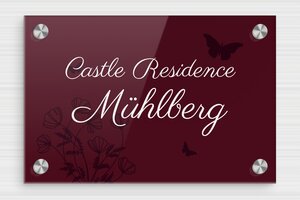
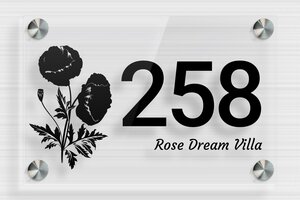
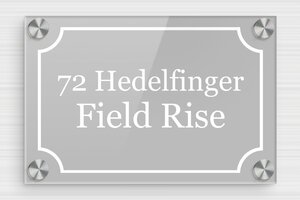
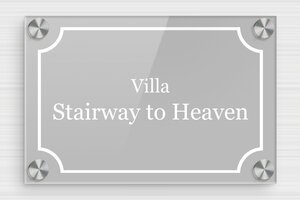
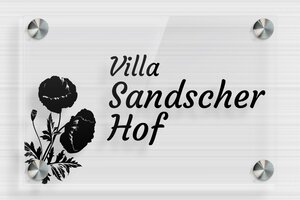
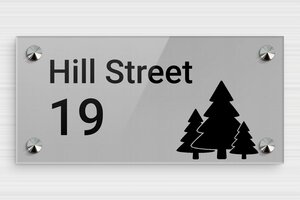
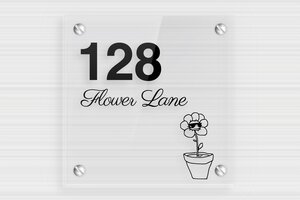
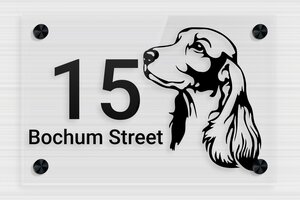
Acrylic's versatility extends to its aesthetic possibilities. Available in clear, frosted, or coloured variants, the material can be tailored to complement any property style. Clear acrylic creates a contemporary floating effect, particularly striking when combined with standoff fixings that create shadow depth against the mounting surface. Frosted acrylic offers a more subtle, sophisticated appearance that works well with traditional and modern properties alike.
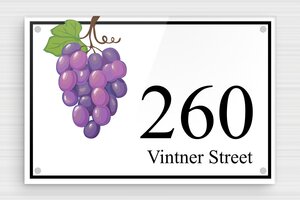
The material accepts various finishing techniques, from precision laser engraving to digital printing with UV-cured inks. This flexibility allows for intricate designs, multiple colours, and even photographic reproduction, opening up creative possibilities that would be impossible or prohibitively expensive with traditional materials like brass or slate.
Modern acrylic door signs offer extensive personalisation possibilities that allow homeowners to create truly bespoke identification for their properties. The customisation process has been streamlined through online design tools that provide instant visual feedback, making it easy to experiment with different combinations until you achieve the perfect result.
Text customisation forms the foundation of most door sign designs. Whether you need to display a house number, property name, or full address, acrylic accommodates various text layouts with clarity and impact. The material's optical properties ensure excellent readability from typical viewing distances, whilst its durability means the text remains sharp and clear over time.
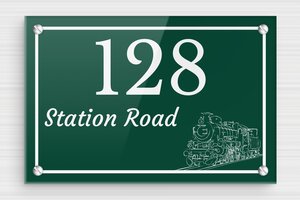
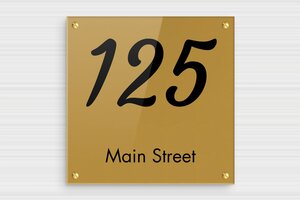
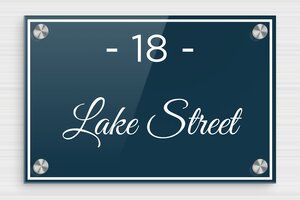
Font selection plays a crucial role in the overall impact of your door sign. Contemporary sans-serif fonts complement modern properties, whilst traditional serif fonts suit period homes. Script fonts can add elegance but should be chosen carefully to ensure readability, particularly for house numbers that need to be visible to delivery drivers and emergency services.
Character sizing requires careful consideration of viewing distance and sign dimensions. As a general rule, text should be large enough to read comfortably from the street or pathway approach to your property. For standard residential applications, letters should be at least 25mm tall for house numbers, with proportionally larger sizing for longer text like property names.
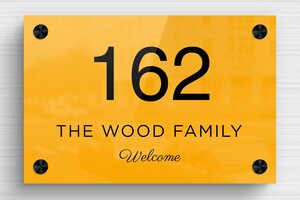
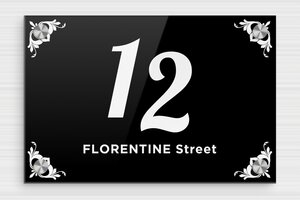
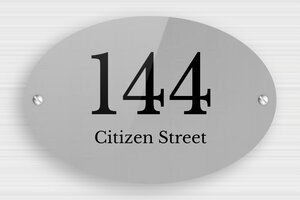
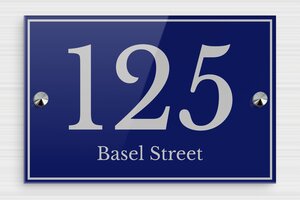
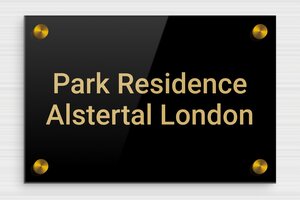
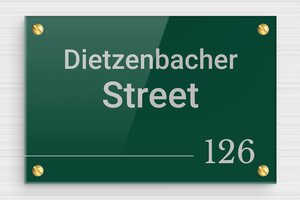
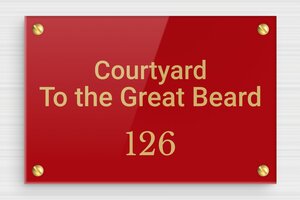
Colour selection significantly impacts both visibility and aesthetic appeal. High contrast combinations, such as white text on dark backgrounds or dark text on light backgrounds, provide optimal readability. Popular UK colour schemes often reflect regional preferences, with neutral tones like grey, black, and white remaining consistently popular across different property types.
Finish options add another dimension to customisation. Gloss finishes provide vibrant colour reproduction and easy cleaning but may show fingerprints more readily. Matt finishes offer a more subtle, contemporary appearance and better hide minor surface marks. Frosted finishes create an elegant etched-glass effect that works particularly well with backlighting or when mounted against contrasting backgrounds.
Proper installation ensures your acrylic door sign performs optimally and maintains its appearance over time. The lightweight nature of acrylic simplifies installation compared to heavier materials like stone or thick metal, whilst its durability means it won't require frequent replacement or adjustment once properly mounted.
Most acrylic door signs are supplied with comprehensive fitting kits that include all necessary hardware for typical installations. The choice of mounting method depends on factors including wall material, sign size, desired aesthetic effect, and whether the installation is permanent or temporary.
Installing an acrylic door sign is well within the capabilities of most homeowners with basic DIY skills. The process typically involves marking the mounting positions, drilling pilot holes, and securing the sign using the provided fixings. Essential tools include a drill with appropriate bits for your wall material, a spirit level, measuring tape, and pencil for marking.
Before drilling, always check for hidden services like electrical cables or water pipes, particularly when mounting near door frames or utility connections. Use a cable detector if you're unsure about what lies behind the mounting surface. Take time to ensure the sign is level and properly centred – these details significantly impact the professional appearance of the finished installation.
Adhesive mounting offers the simplest installation method and works well for lightweight signs on smooth, clean surfaces. High-quality structural adhesives create strong, permanent bonds that can support substantial loads. This method is particularly suitable for rental properties where drilling may not be permitted, though it's worth noting that removal may damage paint or surface finishes.
Screw fixings provide the most secure mounting method and are recommended for larger signs or exposed locations. Stainless steel screws resist corrosion and maintain their appearance over time. For the best aesthetic result, consider using decorative screw caps or covers that complement your sign's design whilst protecting the fixing points from weather exposure.
Selecting the appropriate size for your acrylic door sign involves balancing visibility requirements with aesthetic proportions. The sign should be large enough to read easily from the intended viewing distance whilst remaining proportionate to your property's entrance area. Oversized signs can appear imposing, whilst undersized signs may fail to serve their identification purpose effectively.
Legal requirements for house number visibility vary by local authority, but general principles apply across the UK. Numbers should be clearly visible from the street during daylight hours and, where possible, illuminated or reflective for night-time visibility. Emergency services rely on clear property identification, making proper sizing and positioning both a practical necessity and civic responsibility.
Compact signs measuring 100-150mm work well for close-viewing applications such as apartment doors or where space is limited. These sizes suit properties with short approach distances where the sign will be viewed from within a few metres. Medium signs of 200-250mm provide good visibility for typical residential applications, offering a balance between impact and proportion that works well with most door and entrance configurations.
Large signs exceeding 300mm are appropriate for properties with long approach distances or where maximum visibility is required. These might include rural properties set back from roads, commercial premises, or locations where the sign serves as a landmark for visitors. However, larger signs may require planning consideration in conservation areas or listed building contexts.
Understanding how acrylic compares with alternative materials helps inform your decision and ensures you select the best option for your specific requirements. Each material offers distinct advantages and limitations that may influence your choice based on factors including budget, aesthetic preferences, maintenance requirements, and environmental conditions.
Traditional materials like wood and metal have long histories in signage applications, whilst newer alternatives like PVC and composite materials offer different performance characteristics. Acrylic's position in this landscape reflects its unique combination of properties that address many of the limitations found in other materials.
Wood signs offer natural beauty and traditional appeal but require regular maintenance to prevent weathering, rot, and insect damage. In the UK's damp climate, untreated wood can deteriorate rapidly, whilst treated wood may fade or require refinishing every few years. Acrylic eliminates these maintenance requirements whilst offering design flexibility that can mimic wood's appearance where desired.
Metal signs, particularly brass and stainless steel, provide excellent durability and traditional prestige. However, they're significantly heavier than acrylic, require more substantial fixings, and can be expensive for custom designs. Some metals may also develop patina or corrosion over time, changing their appearance. Acrylic offers similar longevity with lighter weight and consistent appearance throughout its lifespan.
One of acrylic's greatest advantages lies in its minimal maintenance requirements. Unlike materials that need regular treatment, painting, or protective coatings, acrylic door signs typically require only occasional cleaning to maintain their appearance. This low-maintenance characteristic makes them particularly attractive for busy homeowners or rental properties where ongoing upkeep might be neglected.
Proper care techniques ensure your acrylic door sign maintains its clarity and appearance throughout its lifespan. Understanding what products to use and avoid prevents accidental damage that could compromise the sign's appearance or longevity. Simple preventive measures can significantly extend the life of your investment.
Regular cleaning involves simply wiping the surface with a soft, damp cloth to remove dust, dirt, and atmospheric pollutants. For more thorough cleaning, use warm water with a small amount of mild detergent, avoiding abrasive cleaners or rough cloths that could scratch the surface. Rinse thoroughly with clean water and dry with a soft cloth to prevent water spots.
Avoid using glass cleaners containing ammonia, as these can cause crazing or clouding of the acrylic surface over time. Similarly, avoid abrasive cleaners, scouring pads, or paper towels that might scratch the surface. If your sign develops minor scratches, these can often be polished out using specialised acrylic polish, though prevention through proper cleaning techniques is preferable.
Contemporary acrylic door signs offer endless creative possibilities for expressing your personal style whilst maintaining the practical function of property identification. The material's versatility allows for designs ranging from minimalist modern aesthetics to elaborate traditional motifs, ensuring compatibility with any architectural style or personal preference.
Current design trends favour clean, uncluttered layouts that prioritise readability whilst incorporating subtle decorative elements. Geometric shapes, elegant typography, and strategic use of colour create signs that enhance rather than overwhelm their surroundings. The key lies in balancing visual impact with practical functionality to create signs that serve their purpose effectively whilst adding aesthetic value to your property.
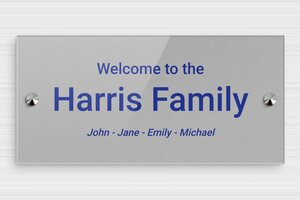
For modern properties, consider sleek designs featuring sans-serif fonts, geometric shapes, and monochromatic colour schemes. Clear or frosted acrylic with precision-cut text creates a sophisticated floating effect that complements contemporary architecture. Standoff fixings enhance this effect by creating shadow depth that adds visual interest without overwhelming the design.
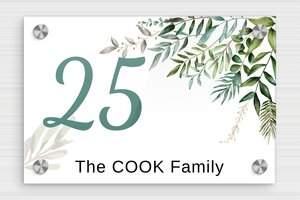
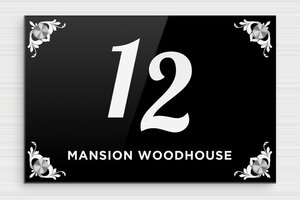
Traditional properties benefit from designs that respect their historical character whilst incorporating modern materials' practical advantages. Script fonts, decorative borders, and classic colour combinations can create signs that appear period-appropriate whilst offering contemporary performance. Otypo's extensive customisation options allow you to achieve authentic traditional aesthetics with modern durability and convenience.
Choosing the right acrylic door signs for your property represents an investment in both functionality and aesthetic appeal that will serve you well for years to come. These versatile, durable nameplates offer the perfect solution for UK homeowners seeking contemporary style combined with practical performance. With their weather-resistant properties, extensive customisation options, and minimal maintenance requirements, acrylic door signs deliver exceptional value whilst enhancing your property's kerb appeal and ensuring clear identification for visitors and services alike.