Front Door Signs
Your sign in just 2 minutes.
Full editor: 27 materials, 219 colors, 12 mounting options
Marking: laser engraving, mechanical or printed
starting at £12.05

Your sign in just 2 minutes.
Full editor: 27 materials, 219 colors, 12 mounting options
Marking: laser engraving, mechanical or printed

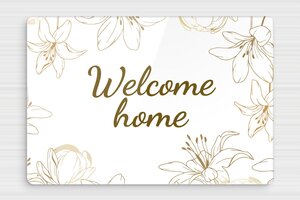
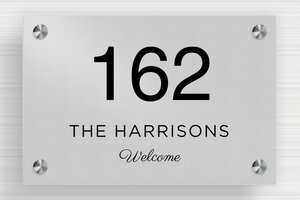

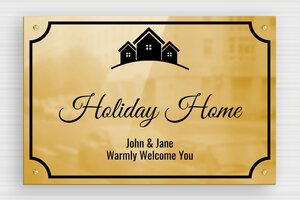

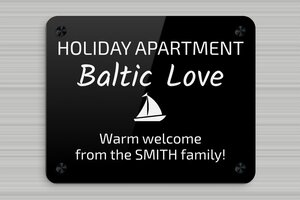
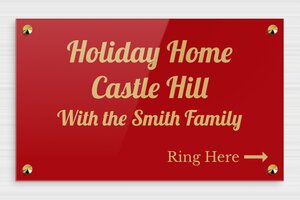
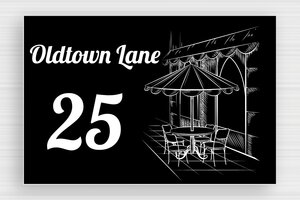
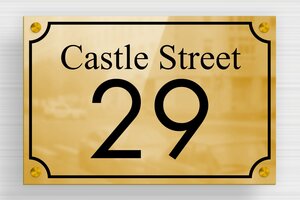

The UK's variable climate requires materials that can withstand everything from coastal salt air to urban pollution, freezing winters to intense summer UV exposure. The most popular and effective materials include:
All these materials incorporate UV stabilisers and protective coatings specifically designed to handle British weather conditions, ensuring your investment remains attractive and functional for years to come.
In most cases, you do not need planning permission for a standard front door sign displaying your house number or name. However, there are important legal requirements to consider:
Legal Requirements: UK legislation requires that house numbers or names be clearly displayed and maintained in good condition. This is primarily to ensure emergency services can locate properties quickly during critical situations.
Local authorities have the power to serve notice on property owners whose identification signage has become defaced, obliterated, or illegible. The key requirements focus on visibility and legibility rather than specific materials or designs, giving homeowners considerable freedom in choosing styles.
When You Might Need Permission:
For standard residential front door signs, the regulations emphasise clear wayfinding and safety rather than restricting personal expression, allowing you to choose designs that complement your property's architecture.
Selecting the appropriate size requires balancing aesthetic preferences with practical visibility requirements. Professional signage designers use established principles that relate character size to viewing distance:
Standard Sizing by Property Type:
Key Considerations:
The goal is creating signage that functions effectively whilst appearing proportionate and aesthetically pleasing within its architectural context.
Most front door signs can be successfully installed by homeowners using the right mounting method for their situation. The installation method depends on several factors:
Self-Adhesive Mounting (DIY-Friendly):
Screw Fixing (Moderate DIY Skills Required):
Standoff Mounting (May Require Professional Help):
Most homeowners can successfully install signs using self-adhesive or basic screw fixing methods with careful preparation and appropriate materials.
Delivery times for personalised front door signs depend on several factors including customisation complexity, material selection, and manufacturing processes. Here's what typically affects delivery schedules:
Factors Affecting Delivery Times:
Typical Timeframes: Most reputable UK suppliers offer standard delivery within working days for straightforward designs, with express options available for urgent requirements. Complex bespoke designs requiring detailed customisation may take longer to ensure perfect results.
Quality suppliers provide clear delivery estimates during the ordering process and offer tracking information so you can monitor progress. It's worth noting that investing in proper manufacturing time ensures you receive a product that will enhance your home's appearance for years to come.
Acrylic and brass represent two distinct approaches to front door signage, each offering unique advantages for different preferences and architectural styles:
Acrylic Door Signs:
Brass Door Signs:
Your choice depends on architectural style, personal preference, and desired maintenance level.
Self-adhesive door signs have revolutionised front door signage, but their suitability depends on your specific door material and installation requirements:
Suitable Door Types:
Important Considerations:
Limitations:
The key advantage is complete reversibility - quality adhesive systems can be removed without damage, making them perfect for rental properties or when you want flexibility to update your signage.
Proper maintenance significantly extends the life and appearance of your front door sign whilst protecting your investment. Different materials require specific care approaches:
Acrylic Signs Maintenance:
Brass Signs Maintenance:
Aluminium Signs Maintenance:
General Maintenance Tips:
Quality materials with proper maintenance can enhance your home's appearance for decades.
Your front door is more than just an entrance—it's the first impression visitors have of your home. Front door signs serve both practical and aesthetic purposes, ensuring your property is easily identifiable whilst adding a touch of personal style that reflects your taste and enhances your home's curb appeal. Whether you're looking for a sleek modern house number plaque or a traditional engraved nameplate, choosing the right front door signage can transform an ordinary entrance into a welcoming statement piece.
In the UK, displaying clear house identification isn't just about aesthetics—it's a legal requirement that helps emergency services, delivery drivers, and visitors locate your property quickly and efficiently. With advances in materials and customisation technology, today's front door signs offer unprecedented flexibility in design, durability, and installation options. From weather-resistant acrylic to classic brass finishes, the possibilities for creating a unique entrance sign that withstands British weather conditions are virtually limitless.
At Otypo, we understand that every home tells a story, and your front door sign should be the perfect opening chapter. With over 60 years of experience in creating bespoke signage solutions, we combine traditional craftsmanship with modern technology to deliver personalised front door signs that meet the highest European quality standards whilst offering the convenience of online customisation and rapid delivery throughout the UK.
The importance of proper house identification extends far beyond mere convenience. In the UK, property owners have a statutory obligation to display clear, visible house numbers or names as approved by local authorities. This legal requirement exists primarily to ensure emergency services can locate properties quickly during critical situations, but the benefits extend to everyday practicalities as well.
Modern life relies heavily on delivery services, from online shopping to food deliveries, and a clearly marked front door significantly reduces the likelihood of missed deliveries or packages being left at incorrect addresses. Consider the frustration of waiting for an important delivery only to discover it was left three doors down because your house number wasn't clearly visible from the street. A well-positioned, professionally crafted front door sign eliminates such inconveniences whilst demonstrating attention to detail that neighbours and visitors will appreciate.
UK legislation requires that house numbers or names be clearly displayed and maintained in good condition. Local authorities have the power to serve notice on property owners whose identification signage has become defaced, obliterated, or illegible, and failure to comply after receiving such notice can result in penalties. The key requirements focus on visibility and legibility rather than specific materials or designs, giving homeowners considerable freedom in choosing styles that complement their property's architecture.
For new residential developments, recent building safety regulations have emphasised the importance of clear wayfinding, particularly in multi-unit buildings and high-rise developments. Whilst these regulations primarily affect commercial developers, they reflect a broader recognition of how proper signage contributes to safety and accessibility. Emergency services consistently report that clear, well-maintained house identification significantly reduces response times, potentially making the difference in life-threatening situations.
Beyond meeting legal obligations, a thoughtfully chosen front door sign can genuinely enhance your property's value and street appeal. Estate agents frequently note that homes with attractive, well-maintained entrance signage create positive first impressions that can influence potential buyers' perceptions of the entire property. This psychological impact shouldn't be underestimated—a crisp, professional-looking house number plaque suggests owners who care about details and maintain their property to high standards.
Personalised front door signs also offer an opportunity for subtle self-expression without the commitment or expense of major exterior renovations. Whether you prefer minimalist modern aesthetics or traditional British styling, your choice of materials, fonts, and finishes can communicate your personal taste whilst maintaining harmony with your home's architectural character. This balance between individual expression and neighbourhood cohesion is particularly valued in UK residential areas where maintaining local character is often a community priority.
Selecting appropriate materials for your front door sign requires careful consideration of both aesthetic preferences and practical requirements. The UK's variable climate presents unique challenges, from coastal salt air to urban pollution, from freezing winter conditions to intense summer UV exposure. Understanding how different materials respond to these environmental factors will help you make an informed choice that ensures your investment remains attractive and functional for years to come.
The most popular materials for UK front door signs each offer distinct advantages, and the best choice often depends on your specific location, architectural style, and maintenance preferences. Modern manufacturing techniques have significantly improved the durability and appearance of traditional materials whilst introducing innovative alternatives that combine the best characteristics of multiple materials.
Acrylic has emerged as one of the most popular choices for contemporary front door signs, and for good reason. This versatile material offers exceptional clarity and colour retention, maintaining its appearance even after years of exposure to UV radiation and weather extremes. Unlike traditional glass, acrylic is virtually unbreakable, making it an excellent choice for busy households or areas prone to vandalism.
The manufacturing process for acrylic signs allows for precise customisation in terms of size, shape, and colour combinations. Text can be engraved and filled with contrasting colours for maximum visibility, or printed using advanced digital techniques that produce photographic-quality results. Frosted acrylic finishes provide a sophisticated, contemporary appearance that complements modern architectural styles whilst ensuring excellent legibility from street level.
Maintenance requirements for acrylic signs are minimal—regular cleaning with mild soap and water is typically sufficient to maintain their pristine appearance. The material's non-porous surface resists staining and doesn't harbour bacteria or mould, making it particularly suitable for urban environments where air pollution might affect other materials. For homeowners seeking a balance between modern aesthetics and practical durability, acrylic represents an excellent investment.
Few materials evoke British architectural tradition quite like brass, and for properties where classical elegance is paramount, brass front door signs remain the gold standard. The warm, lustrous appearance of polished brass complements both Georgian and Victorian architecture beautifully, whilst also working surprisingly well with carefully chosen contemporary designs.
High-quality brass develops a natural patina over time, which many homeowners find adds character and authenticity to their entrance signage. This patina actually provides additional protection against corrosion, meaning that well-made brass signs can literally improve with age. For those who prefer the bright appearance of new brass, regular polishing can maintain the original lustre indefinitely.
The engraving possibilities with brass are particularly impressive, allowing for intricate designs, decorative borders, and multiple font styles within a single sign. Traditional techniques such as deep V-groove engraving create dramatic shadow effects that enhance readability whilst adding visual interest. Modern laser engraving offers precision that enables fine details and complex logos to be reproduced with exceptional clarity.
Anodised aluminium has gained popularity among UK homeowners seeking the appearance of premium metals without the weight or maintenance requirements of traditional materials. The anodising process creates a hard, protective surface that resists corrosion, scratching, and fading, making it ideal for coastal locations where salt air would quickly damage other metals.
Aluminium signs can be finished in virtually any colour, from subtle metallics that complement existing hardware to bold contrasts that make house numbers clearly visible from considerable distances. The material's excellent thermal stability means it won't expand and contract significantly with temperature changes, reducing the risk of mounting hardware loosening over time.
For environmentally conscious homeowners, aluminium offers excellent sustainability credentials as it's fully recyclable and requires relatively little energy to process compared to other metals. The combination of durability, aesthetic flexibility, and environmental responsibility makes aluminium an increasingly popular choice for modern UK homes.
The beauty of modern front door signage lies in the virtually unlimited customisation possibilities available to UK homeowners. Advanced manufacturing techniques and sophisticated design software have democratised bespoke signage, making it possible to create truly unique entrance signs that reflect individual taste whilst maintaining professional quality and durability.
Contemporary customisation extends far beyond simply choosing text and colours. Today's options include multiple font families, decorative elements, logos, graphics, and even photographic reproduction. The key to successful customisation lies in balancing personal expression with practical considerations such as readability, weather resistance, and architectural compatibility.
Font selection significantly influences both the aesthetic appeal and practical functionality of your front door sign. Traditional serif fonts like Times Roman or Trajan convey classical elegance and work beautifully with period properties, whilst clean sans-serif options such as Helvetica or Futura complement contemporary architecture. Script fonts can add personality and warmth, though they should be chosen carefully to ensure readability from street level.
Text size calculations must account for viewing distance—a sign that appears perfectly legible when viewed up close may become difficult to read from the pavement or road. Professional signage designers typically recommend minimum character heights based on expected viewing distances, ensuring your house number or name remains clearly visible to delivery drivers, emergency services, and visitors approaching from various angles.
The arrangement of text elements also requires careful consideration. House numbers combined with property names need balanced spacing and appropriate size relationships to create visual hierarchy. Multi-line layouts must account for reading patterns and ensure that the most critical information—typically the house number—receives prominence whilst maintaining overall design harmony.
Colour selection for front door signs involves both aesthetic and practical considerations, particularly given the UK's variable lighting conditions throughout the year. High contrast combinations such as white text on dark backgrounds or dark text on light backgrounds ensure maximum legibility regardless of weather or time of day. However, more subtle combinations can create sophisticated effects when viewing distance and lighting conditions are carefully considered.
Finish options range from high-gloss surfaces that reflect light and create dramatic visual impact to matte finishes that reduce glare and provide more subtle elegance. Brushed metal finishes offer compromise solutions that provide visual interest whilst maintaining excellent readability. The choice often depends on the specific location and orientation of your front door—south-facing signs may benefit from matte finishes to reduce glare, whilst north-facing installations might benefit from reflective surfaces that maximise available light.
Weather resistance varies significantly between different colour and finish combinations. UV-stable pigments and protective coatings ensure that colours remain vibrant even after years of exposure to British weather conditions. Professional-grade materials and manufacturing processes provide warranties that guarantee colour fastness and finish durability, protecting your investment whilst maintaining your home's attractive appearance.
Proper installation is crucial for both the appearance and longevity of your front door sign. The mounting method you choose depends on several factors including the material of your door or wall, the size and weight of your sign, local weather conditions, and whether you're in a rental property where permanent modifications might not be permitted.
Modern mounting systems have evolved significantly, offering solutions that range from completely temporary and damage-free installations to permanent fixtures designed to withstand decades of British weather. Understanding the advantages and limitations of each approach will help you select the most appropriate method for your specific situation.
Self-adhesive mounting systems have revolutionised front door signage for renters and homeowners who prefer non-permanent installations. Advanced adhesive technologies now provide holding power that rivals traditional mechanical fixings whilst remaining completely removable without damage to underlying surfaces. These systems are particularly valuable for rental properties where landlord permission for drilling might be difficult to obtain.
The key to successful adhesive mounting lies in proper surface preparation and appropriate adhesive selection. Modern structural adhesives are designed to bond with specific materials—whether uPVC, composite, wood, or metal—and choosing the correct adhesive for your door material ensures optimal performance. Weather-resistant formulations maintain their holding power through temperature extremes and moisture exposure typical of UK outdoor conditions.
Installation using adhesive systems is typically straightforward and can be completed without tools, making it accessible to homeowners who might be uncomfortable with drilling or mechanical fixing. The reversible nature of these installations also allows for easy updates or changes, whether due to house moves, design preferences, or seasonal decorating schemes.
Traditional screw fixing remains the preferred method for permanent installations where maximum security and longevity are priorities. Modern fixing systems include decorative caps that conceal screw heads whilst providing weather sealing, maintaining clean aesthetics whilst ensuring robust attachment. The mechanical connection provided by screws offers superior resistance to vandalism and extreme weather conditions.
Proper screw installation requires careful consideration of the door or wall material to avoid damage and ensure secure fixing. Pilot holes prevent splitting in wooden doors, whilst appropriate wall plugs or anchors are essential for masonry installations. Stainless steel or brass screws resist corrosion and maintain their appearance over time, particularly important for coastal locations where salt air accelerates metal deterioration.
The permanence of screw fixing makes it ideal for homeowners who view their front door sign as a long-term investment. Once properly installed, screw-fixed signs typically require minimal maintenance and can withstand the most challenging weather conditions without loosening or displacement.
Standoff mounting systems create sophisticated floating effects that are particularly popular with contemporary architecture. These systems use spacers to position the sign away from the mounting surface, creating dramatic shadow effects whilst allowing air circulation that prevents moisture accumulation behind the sign.
The three-dimensional appearance created by standoff mounting adds visual interest and can make even simple designs appear more substantial and professional. This mounting method works particularly well with materials like acrylic or metal that benefit from backlighting effects or shadow play. The elevated positioning also helps protect the sign from direct contact with moisture or debris that might accumulate against the door surface.
Installation of standoff systems requires precise positioning and appropriate fixings to ensure stability, but the results justify the additional complexity. The contemporary appearance and enhanced durability make standoff mounting an excellent choice for modern homes where architectural details matter.
Determining the appropriate size and position for your front door sign requires balancing aesthetic preferences with practical visibility requirements. Too small, and your sign may be illegible from the street; too large, and it might overwhelm your door's proportions or violate local planning guidelines. Understanding the principles of effective signage sizing ensures your investment achieves its intended purpose whilst enhancing your home's appearance.
Professional signage designers use established formulas that relate character size to viewing distance, but these must be adapted for residential applications where viewing angles, lighting conditions, and architectural constraints create unique challenges. The goal is creating signage that functions effectively whilst appearing proportionate and aesthetically pleasing within its architectural context.
Terraced houses and urban properties typically benefit from compact signage that maintains proportion with smaller door sizes and closer viewing distances. Standard sizes around 150mm x 100mm provide excellent legibility for house numbers whilst remaining appropriately scaled for typical Victorian or Edwardian terraced architecture. These dimensions accommodate single or double-digit house numbers with comfortable margins and clear, readable fonts.
Detached and rural properties often require larger signage to ensure visibility from greater distances and varying approach angles. Sizes up to 300mm x 200mm or larger may be appropriate, particularly where the sign must be visible from across wide driveways or from public roads set back from the property. The increased size also provides opportunities for more elaborate designs, decorative elements, or combined house names and numbers.
Semi-detached properties typically fall between these extremes, with sizes around 200mm x 150mm providing good visibility whilst maintaining appropriate proportions. The key consideration is ensuring the sign remains clearly visible from the most common approach routes whilst appearing balanced within the door's overall design scheme.
Optimal positioning places your front door sign at eye level for average-height adults, typically between 1.4m and 1.7m from ground level. This positioning ensures comfortable viewing angles for visitors whilst maintaining visibility from street level. However, door architecture and surrounding elements may require adjustments to this ideal range.
Horizontal positioning should consider the door's architectural features and hardware placement. Signs positioned too close to door handles, letterboxes, or decorative elements can appear cluttered and may interfere with daily use. Adequate spacing ensures your sign appears intentionally positioned rather than squeezed into available space.
Lighting conditions throughout the day should influence positioning decisions. Signs positioned where they receive natural light remain visible longer into evening hours, whilst those in shadowed areas may benefit from reflective materials or strategic positioning to catch available light. Consider seasonal variations in sun angles and vegetation growth that might affect visibility over time.
Proper maintenance significantly extends the life and appearance of your front door sign whilst protecting your investment. Different materials require specific care approaches, and understanding these requirements helps you choose both appropriate materials and maintenance routines that fit your lifestyle and preferences.
The UK's climate presents particular challenges for outdoor signage, from salt air in coastal areas to urban pollution in cities, from freeze-thaw cycles in winter to intense UV exposure during summer months. Proactive maintenance addresses these challenges before they cause permanent damage, ensuring your sign continues to enhance your home's appearance for years to come.
British weather's unpredictability requires signage materials and finishes capable of handling rapid temperature changes, high humidity, driving rain, and occasional extreme conditions. Quality materials incorporate UV stabilisers that prevent colour fading and polymer degradation, whilst protective coatings provide barriers against moisture penetration and chemical attack from air pollution.
Coastal properties face additional challenges from salt-laden air that accelerates corrosion of metal components and can cause premature failure of inadequate protective finishes. Stainless steel fixings and marine-grade protective coatings provide essential protection in these environments, whilst regular cleaning removes salt deposits before they cause permanent damage.
Urban environments present different challenges, with air pollution creating acidic deposits that can etch certain materials and discolour others. Regular cleaning becomes particularly important in these locations, not just for appearance but for preventing permanent damage from accumulated contaminants.
Acrylic signs require gentle cleaning to avoid scratching the surface. Mild soap solutions and soft cloths remove most dirt and grime without damage, whilst specialised acrylic cleaners can restore clarity to signs that have become dulled by weathering. Avoid abrasive cleaners or rough cloths that can create permanent scratches.
Brass signage benefits from regular polishing to maintain its lustrous appearance, though some homeowners prefer the natural patina that develops over time. Quality brass cleaners remove tarnishing whilst protective waxes slow future oxidation. For engraved brass signs, soft brushes help clean text recesses without damaging surrounding surfaces.
Aluminium signs typically require only occasional cleaning with mild detergent solutions. The anodised surface resists most staining and corrosion, making maintenance straightforward. Avoid alkaline cleaners that can damage the anodised coating, and rinse thoroughly after cleaning to prevent residue buildup.
Selecting the right supplier for your front door signs significantly impacts both the quality of your finished product and your overall experience. The best suppliers combine technical expertise with customer service excellence, offering guidance throughout the design process whilst delivering products that meet or exceed expectations for quality and durability.
Quality indicators extend beyond competitive pricing to encompass material sourcing, manufacturing standards, customisation capabilities, and after-sales support. Understanding what to look for helps you identify suppliers who will deliver value rather than simply low prices, ensuring your investment provides lasting satisfaction.
Professional signage suppliers maintain rigorous quality control throughout their manufacturing processes, from material selection through final inspection. Look for suppliers who can provide detailed specifications for their materials, including UV resistance ratings, weather testing results, and expected lifespan under various conditions. This transparency indicates confidence in their products and commitment to customer satisfaction.
Manufacturing techniques significantly impact final quality, with laser engraving and precision cutting producing superior results compared to basic methods. Advanced production equipment ensures consistent quality across multiple orders and enables complex customisation that wouldn't be possible with simpler manufacturing approaches. Suppliers who invest in modern equipment typically deliver better products with shorter lead times.
Quality assurance processes should include final inspection and testing before dispatch, ensuring every sign meets specified standards for appearance, dimensions, and functionality. Suppliers who guarantee their work and offer warranties demonstrate confidence in their processes and commitment to customer satisfaction.
Excellent customer service begins with knowledgeable staff who can provide guidance on material selection, sizing, and design options based on your specific requirements and preferences. The best suppliers offer design consultation services that help you create signage that achieves your aesthetic goals whilst meeting practical requirements for visibility and durability.
Online design tools and visualisation capabilities allow you to see how your finished sign will appear before placing your order, reducing uncertainty and ensuring satisfaction with the final product. However, these tools should be supported by human expertise available to answer questions and provide recommendations based on experience with similar projects.
After-sales support demonstrates a supplier's commitment to long-term customer relationships rather than just individual transactions. This might include maintenance advice, replacement services, or assistance with installation questions. Suppliers who stand behind their products with comprehensive support create confidence and peace of mind for customers making significant investments in their home's appearance.
When choosing front door signs for your UK home, the decision extends far beyond simple aesthetics to encompass legal compliance, weather resistance, and long-term value. Quality materials, professional manufacturing, and thoughtful design combine to create signage that not only identifies your property effectively but enhances its character and value for years to come. Whether you prefer the contemporary appeal of acrylic, the timeless elegance of brass, or the practical durability of aluminium, investing in professionally crafted signage demonstrates attention to detail that visitors and neighbours will appreciate. With proper selection, installation, and maintenance, your front door sign becomes a lasting investment in your home's identity and appeal, serving as a welcoming beacon that reflects your personal style whilst meeting all practical requirements for identification and accessibility.
 Custom quotes available for bulk or special requests
'%3e%3cpath%20d='M20.5563%202.67834H1.42533C0.639422%202.67834%200%203.31772%200%204.10363V15.5822C0%2016.3682%200.639422%2017.0076%201.42533%2017.0076H15.3578C15.6167%2017.0076%2015.8265%2016.7977%2015.8265%2016.5388C15.8265%2016.2799%2015.6167%2016.0701%2015.3578%2016.0701H1.42533C1.15636%2016.0701%200.9375%2015.8512%200.9375%2015.5822V8.87691H21.0442V11.2778C21.0442%2011.5367%2021.254%2011.7465%2021.5129%2011.7465C21.7718%2011.7465%2021.9817%2011.5367%2021.9817%2011.2778V4.10363C21.9817%203.31772%2021.3423%202.67834%2020.5563%202.67834ZM1.42533%203.61584H20.5563C20.8253%203.61584%2021.0442%203.83466%2021.0442%204.10363V5.54799H0.9375V4.10363C0.9375%203.83466%201.15631%203.61584%201.42533%203.61584ZM0.9375%207.93941V6.48549H21.0442V7.93941H0.9375Z'%20fill='%230C4D5A'/%3e%3cpath%20d='M20.5563%202.67834H1.42533C0.639422%202.67834%200%203.31772%200%204.10363V15.5822C0%2016.3682%200.639422%2017.0076%201.42533%2017.0076H15.3578C15.6167%2017.0076%2015.8265%2016.7977%2015.8265%2016.5388C15.8265%2016.2799%2015.6167%2016.0701%2015.3578%2016.0701H1.42533C1.15636%2016.0701%200.9375%2015.8512%200.9375%2015.5822V8.87691H21.0442V11.2778C21.0442%2011.5367%2021.254%2011.7465%2021.5129%2011.7465C21.7718%2011.7465%2021.9817%2011.5367%2021.9817%2011.2778V4.10363C21.9817%203.31772%2021.3423%202.67834%2020.5563%202.67834ZM1.42533%203.61584H20.5563C20.8253%203.61584%2021.0442%203.83466%2021.0442%204.10363V5.54799H0.9375V4.10363C0.9375%203.83466%201.15631%203.61584%201.42533%203.61584ZM0.9375%207.93941V6.48549H21.0442V7.93941H0.9375Z'%20fill='black'%20fill-opacity='0.5'/%3e%3cpath%20d='M6.92061%2013.6835H2.61612C1.9962%2013.7059%201.99409%2014.5977%202.61612%2014.621H6.92061C7.54054%2014.5986%207.54265%2013.7067%206.92061%2013.6835Z'%20fill='%230C4D5A'/%3e%3cpath%20d='M6.92061%2013.6835H2.61612C1.9962%2013.7059%201.99409%2014.5977%202.61612%2014.621H6.92061C7.54054%2014.5986%207.54265%2013.7067%206.92061%2013.6835Z'%20fill='black'%20fill-opacity='0.5'/%3e%3cpath%20d='M6.92061%2011.7704H2.61612C1.9962%2011.7928%201.99409%2012.6846%202.61612%2012.7079H6.92061C7.54054%2012.6855%207.54265%2011.7936%206.92061%2011.7704Z'%20fill='%230C4D5A'/%3e%3cpath%20d='M6.92061%2011.7704H2.61612C1.9962%2011.7928%201.99409%2012.6846%202.61612%2012.7079H6.92061C7.54054%2012.6855%207.54265%2011.7936%206.92061%2011.7704Z'%20fill='black'%20fill-opacity='0.5'/%3e%3cpath%20fill-rule='evenodd'%20clip-rule='evenodd'%20d='M16.9424%2010.7995L14.5898%2013.152C14.5898%2016.752%2015.1919%2020.2222%2019.2948%2021.3216C23.3978%2020.2222%2023.9998%2016.752%2023.9998%2013.152L21.6473%2010.7995H16.9424Z'%20fill='%23FDF300'/%3e%3cpath%20d='M19.2949%2019.7875C16.7214%2019.0081%2016.1647%2016.8451%2016.0451%2013.9479C16.0413%2013.8187%2016.0909%2013.6937%2016.1822%2013.6023L17.4034%2012.3812C17.4913%2012.2933%2017.6105%2012.2439%2017.7348%2012.2439H20.8549C20.9792%2012.2439%2021.0985%2012.2933%2021.1864%2012.3812L22.4075%2013.6023C22.4989%2013.6937%2022.5485%2013.8187%2022.5446%2013.9478C22.4255%2016.8443%2021.8681%2019.0084%2019.2949%2019.7875ZM16.9894%2014.121C17.1385%2016.4295%2017.4228%2018.0275%2019.2949%2018.8167C21.1665%2018.0277%2021.4513%2016.4301%2021.6004%2014.121L20.6608%2013.1814H17.929L16.9894%2014.121Z'%20fill='%230C4D5A'/%3e%3cpath%20d='M19.2949%2019.7875C16.7214%2019.0081%2016.1647%2016.8451%2016.0451%2013.9479C16.0413%2013.8187%2016.0909%2013.6937%2016.1822%2013.6023L17.4034%2012.3812C17.4913%2012.2933%2017.6105%2012.2439%2017.7348%2012.2439H20.8549C20.9792%2012.2439%2021.0985%2012.2933%2021.1864%2012.3812L22.4075%2013.6023C22.4989%2013.6937%2022.5485%2013.8187%2022.5446%2013.9478C22.4255%2016.8443%2021.8681%2019.0084%2019.2949%2019.7875ZM16.9894%2014.121C17.1385%2016.4295%2017.4228%2018.0275%2019.2949%2018.8167C21.1665%2018.0277%2021.4513%2016.4301%2021.6004%2014.121L20.6608%2013.1814H17.929L16.9894%2014.121Z'%20fill='black'%20fill-opacity='0.5'/%3e%3c/g%3e%3cdefs%3e%3cclipPath%20id='clip0'%3e%3crect%20width='24'%20height='24'%20fill='white'/%3e%3c/clipPath%3e%3c/defs%3e%3c/svg%3e) Secure payment via card or PayPal
Secure payment via card or PayPal Free delivery from £60
 Up to 20% off with volume discounts!
 Create your own product easily with our online editorCustom quotes available for bulk or special requestsSecure payment via card or PayPalFree delivery from £60Up to 20% off with volume discounts!Create your own product easily with our online editor