Gate Signs
Your sign in just 2 minutes.
Full editor: 27 materials, 219 colors, 12 mounting options
Marking: laser engraving, mechanical or printed
starting at £5.90

Your sign in just 2 minutes.
Full editor: 27 materials, 219 colors, 12 mounting options
Marking: laser engraving, mechanical or printed
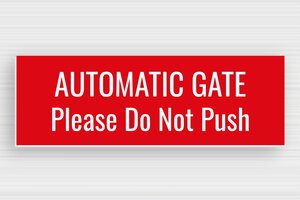
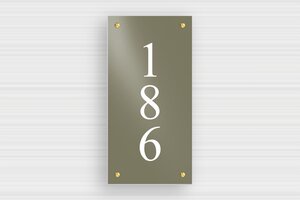
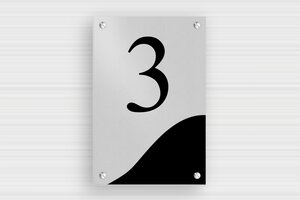

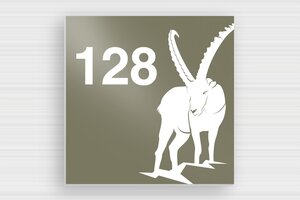
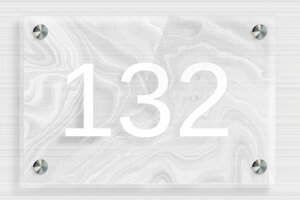
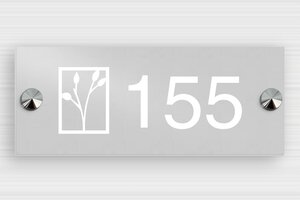
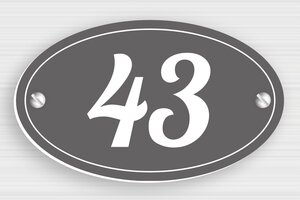
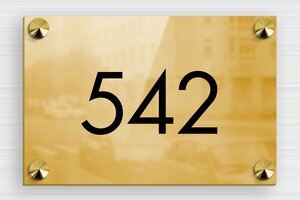
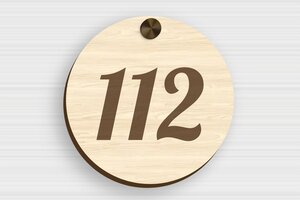

Most residential gate signs fall within permitted development rights and do not require planning permission, provided they remain within reasonable size limits and don't impact highway safety or neighbour amenity. Local authority guidance documents typically specify acceptable size ranges and positioning requirements.
However, special considerations apply in certain circumstances:
For heritage properties, traditional materials and authentic design approaches often receive more favourable consideration. We recommend early consultation with local planning authorities if you're unsure about your specific situation.
While gate signs and house signs serve similar identification purposes, they differ in positioning, design considerations, and practical requirements. Gate signs are specifically designed for mounting on entrance gates and must withstand different environmental challenges.
Key differences include:
While you could potentially use a house sign on a gate, purpose-designed gate signs offer superior performance through specialized mounting systems, weather-resistant construction, and sizing optimized for gate-level visibility. This ensures reliable identification and longevity in the demanding gate environment.
Selecting the optimal gate sign size requires careful analysis of viewing distances, approach angles, and environmental factors. Professional sizing calculations consider both maximum and minimum viewing distances to ensure effective performance across all scenarios.
Key sizing considerations include:
For optimal visibility, consider factors such as:
Our design team can help calculate appropriate dimensions based on your specific property layout and viewing requirements to ensure maximum visibility and impact.
Properly designed and installed gate signs should not interfere with automatic gate operation or security systems when appropriate mounting methods and positioning are used. However, careful planning is essential to ensure compatibility.
Important considerations for automated gates:
For security systems:
Professional installation ensures proper integration with existing systems. Our mounting solutions are designed to work with various gate types and automation systems while maintaining security functionality. We recommend consulting with your gate installer or security provider to confirm compatibility before installation.
The ability to update or modify your gate sign depends on the material, construction method, and type of changes required. Different materials and manufacturing techniques offer varying levels of modification flexibility.
Modification options by material type:
Common modification scenarios:
For maximum flexibility, consider:
We offer various solutions to meet different modification needs, from complete replacement services to modular systems designed for easy updates. Contact us to discuss the best approach for your specific requirements and future flexibility needs.
Gate signs serve as the first impression of your property, combining practical identification with aesthetic appeal to create a welcoming entrance that reflects your personal style. Whether you're looking to enhance your home's kerb appeal, ensure reliable deliveries, or simply add a professional touch to your property entrance, gate signs offer the perfect solution for UK homeowners seeking both functionality and visual impact. With decades of experience in crafting bespoke signage solutions, Otypo understands the unique requirements of British properties, from weatherproofing against unpredictable climate conditions to creating designs that complement both traditional and contemporary architectural styles.
The importance of clear property identification extends beyond mere aesthetics, particularly in today's delivery-dependent society where accurate addressing can mean the difference between successful package delivery and frustrating missed connections. Gate signs provide an elegant solution that addresses practical needs while contributing to your property's overall visual appeal and market value.
Investing in quality personalised gate signs transforms your property's entrance from ordinary to exceptional, creating immediate visual impact that resonates with visitors, delivery personnel, and potential buyers alike. The benefits extend far beyond simple identification, encompassing practical advantages that modern homeowners increasingly value in their daily lives.
Your gate sign serves as the opening statement of your property's character, setting expectations before visitors even approach your front door. Estate agents consistently report that well-designed entrance signage contributes positively to property valuations, with buyers perceiving attention to such details as indicative of overall property maintenance and care. This psychological impact proves particularly valuable in competitive housing markets where distinguishing features can influence purchasing decisions.
Professional-quality gate signs demonstrate pride of ownership while providing practical benefits that extend throughout the property ownership experience. Clear, attractive signage reduces confusion for visitors, eliminates delivery errors, and creates a sense of established residence that enhances neighbourhood integration.
British weather conditions demand signage solutions that maintain clarity and attractiveness throughout seasonal variations, from summer UV exposure to winter frost and persistent rainfall. Quality gate signs engineered for UK conditions provide year-round reliability, ensuring your property identification remains legible and professional regardless of weather challenges.
The practical advantages become particularly apparent for properties set back from main roads, rural locations with complex addressing systems, or new developments where traditional street numbering may not provide sufficient guidance. Gate signs bridge these identification gaps while adding personalised character that reflects your individual style preferences.
Selecting appropriate materials for UK climate conditions requires understanding how different substances respond to temperature fluctuations, moisture exposure, and UV radiation throughout the year. The most successful gate sign installations combine material durability with aesthetic appeal, ensuring long-term performance without compromising visual impact.
Anodised aluminium represents the gold standard for weatherproof gate signs, offering exceptional corrosion resistance combined with lightweight construction that reduces stress on mounting systems. The anodising process creates a protective oxide layer that prevents deterioration while maintaining colour vibrancy for decades, making aluminium an excellent investment for homeowners seeking long-term value.
Modern aluminium gate signs feature powder-coated finishes that provide additional protection against environmental factors while offering extensive colour customisation options. The material's inherent strength allows for precise engraving and detailed design work without compromising structural integrity, enabling complex personalisation that remains sharp and clear over time.
Installation advantages include corrosion-resistant mounting hardware and the material's natural resistance to thermal expansion, ensuring stable positioning throughout seasonal temperature variations. Professional-grade aluminium signs typically include concealed fixing systems that maintain clean aesthetics while providing secure attachment to various gate materials.
High-grade PVC and acrylic materials offer cost-effective solutions without sacrificing weather resistance or visual appeal, making them ideal for homeowners seeking quality signage within moderate budgets. These materials excel in applications requiring complex shapes, vibrant colours, or temporary installations that may require future modifications.
Modern acrylic formulations provide crystal-clear transparency for backlit applications while maintaining excellent UV stability that prevents yellowing or clouding over time. The material's workability allows for intricate cutting and engraving techniques that create sophisticated design effects, from subtle texture variations to bold dimensional lettering.
PVC gate signs offer particular advantages for coastal properties where salt air exposure demands exceptional chemical resistance. The material's non-porous surface prevents moisture absorption while maintaining colour stability under intense UV exposure, making it suitable for exposed locations that challenge other materials.
Natural slate and sustainably sourced hardwoods provide authentic character for period properties where modern materials might appear incongruous with established architectural styles. These traditional materials require specific expertise in selection, preparation, and installation to ensure longevity while maintaining historical authenticity.
Welsh slate, renowned for its durability and distinctive appearance, offers exceptional weather resistance combined with the natural variation that creates unique character in each installation. Proper sealing and mounting techniques ensure slate gate signs maintain their appearance for generations while requiring minimal maintenance beyond occasional cleaning.
Hardwood options include oak, teak, and other species selected for their natural weather resistance and attractive grain patterns. Sustainable forestry certification ensures environmental responsibility while traditional joinery techniques create robust construction that withstands British weather conditions. Proper treatment with marine-grade finishes provides additional protection while preserving the wood's natural beauty.
Contemporary gate sign design balances personalisation possibilities with practical legibility requirements, ensuring your custom signage effectively communicates essential information while reflecting individual style preferences. The design process involves careful consideration of typography, colour schemes, sizing, and visual hierarchy to create signage that performs effectively across varying viewing conditions.
Font selection significantly impacts both aesthetic appeal and practical functionality, with certain typefaces offering superior legibility at distance while others provide distinctive character that enhances visual impact. Sans-serif fonts generally provide cleaner appearance for modern properties, while serif options complement traditional architectural styles with appropriate classical proportions.
Lettering size calculations must account for typical viewing distances, lighting conditions, and potential visual obstructions that might affect readability. Professional design guidelines recommend minimum letter heights based on viewing distance, ensuring your gate sign remains legible from street level while maintaining proportional balance with overall design elements.
Contrast considerations prove crucial for visibility across varying light conditions, from bright daylight to twilight hours when many visitors approach properties. High-contrast combinations ensure readability while colour coordination with property features creates cohesive visual integration that enhances overall aesthetic appeal.
Incorporating custom graphics, family crests, or decorative motifs transforms standard gate signs into personalised statements that reflect individual character and style preferences. Modern engraving and printing techniques enable precise reproduction of complex designs while maintaining durability under outdoor conditions.
Logo integration for home-based businesses requires careful balance between professional presentation and residential appropriateness, ensuring commercial identification remains tasteful within neighbourhood contexts. Subtle branding approaches often prove more effective than prominent commercial messaging, creating professional credibility without overwhelming residential character.
Decorative borders, background textures, and dimensional effects add visual interest while maintaining focus on essential identification information. These elements require skilled design integration to enhance rather than distract from primary messaging, creating sophisticated results that elevate standard signage into distinctive property features.
Proper installation techniques ensure gate sign longevity while maintaining security and visual appeal throughout years of exposure to weather conditions and daily use. Different gate materials and configurations require specific mounting approaches that accommodate structural limitations while providing reliable attachment systems.
Metal gate installations typically utilise through-bolt mounting systems that distribute load across gate framework while providing secure attachment that withstands wind loading and thermal movement. Stainless steel hardware prevents corrosion while maintaining structural integrity under varying weather conditions.
Welded mounting brackets offer permanent solutions for new gate installations, creating integrated appearance that suggests original design intent rather than aftermarket addition. Professional welding ensures structural integrity while powder coating provides weather protection that matches gate finishes for seamless visual integration.
Magnetic mounting systems provide temporary or seasonal solutions for rental properties or situations requiring periodic sign removal. High-strength rare earth magnets create secure attachment while allowing easy removal for maintenance or storage, though these systems require careful consideration of wind loading and security requirements.
Wooden gate installations require careful attention to wood movement, moisture content, and structural limitations that affect mounting system selection and placement. Proper pilot hole preparation prevents splitting while sealant application around mounting points prevents moisture infiltration that could compromise wood integrity.
Standoff mounting systems create attractive dimensional effects while allowing air circulation behind signs that prevents moisture accumulation and potential wood damage. These systems accommodate seasonal wood movement while maintaining secure attachment through expansion and contraction cycles.
Traditional joinery techniques offer authentic mounting solutions for heritage properties where modern hardware might appear inappropriate. Mortise and tenon connections, wooden pegs, and other traditional methods provide secure attachment while maintaining historical accuracy and visual authenticity.
Effective gate sign sizing requires careful analysis of viewing distances, approach angles, and environmental factors that influence visibility and legibility. Proper sizing ensures your signage performs effectively across varying conditions while maintaining proportional balance with gate dimensions and overall property scale.
Professional sizing calculations consider maximum and minimum viewing distances to determine optimal letter heights and overall sign dimensions. Street-level visibility requires larger dimensions than close-approach readability, with compromise solutions balancing these competing requirements for optimal performance across all viewing scenarios.
Gate proportions influence sign sizing decisions, with oversized signage overwhelming smaller gates while undersized signs disappearing on substantial entrance structures. Visual weight distribution creates balanced compositions that enhance rather than compete with existing architectural elements.
Multiple sign installations for large properties require coordinated sizing that maintains visual hierarchy while providing clear identification at various decision points. Primary entrance signs typically feature larger dimensions than secondary identification, creating logical progression that guides visitors effectively.
Strategic positioning optimises visibility while considering practical factors such as gate operation, maintenance access, and potential obstruction from vegetation or vehicles. Height positioning affects readability angles while horizontal placement influences approach visibility from different directions.
Lighting considerations prove crucial for properties where evening visibility matters, with positioning that maximises available illumination or accommodates supplementary lighting installation. Shadow patterns from nearby structures or landscaping elements require evaluation to ensure consistent readability throughout daily lighting variations.
Maintenance accessibility influences long-term sign performance, with positioning that allows cleaning and inspection without requiring special equipment or extensive gate manipulation. Forward-thinking placement decisions prevent future access problems while maintaining optimal visibility and aesthetic appeal.
Understanding maintenance requirements and realistic longevity expectations helps homeowners make informed material and design decisions while establishing appropriate care routines that maximise sign lifespan and appearance retention. Different materials require specific maintenance approaches that preserve both functionality and aesthetic appeal.
Aluminium gate signs require minimal maintenance beyond periodic cleaning with mild detergent solutions and soft cloths that remove accumulated dirt without scratching protective finishes. Annual inspection of mounting hardware ensures continued security while early detection of potential issues prevents costly repairs or replacements.
Natural materials such as slate and wood benefit from seasonal maintenance routines that address specific environmental challenges. Stone sealing treatments maintain weather resistance while wood finishing schedules preserve appearance and structural integrity through UV protection and moisture control.
Acrylic and PVC materials resist most environmental challenges but benefit from regular cleaning that prevents dirt accumulation and maintains optical clarity. Appropriate cleaning products prevent chemical damage while proper techniques avoid scratching that could compromise appearance or weather resistance.
Quality gate signs typically provide decades of reliable service when properly selected, installed, and maintained, with material choice significantly influencing longevity expectations. Premium materials justify higher initial investment through extended service life and reduced replacement frequency.
Replacement indicators include fading that affects legibility, structural damage that compromises mounting security, or wear patterns that detract from property appearance. Early recognition of these issues allows planned replacement rather than emergency solutions that might compromise quality or design continuity.
Warranty coverage varies significantly between manufacturers and materials, with reputable suppliers providing comprehensive protection against premature failure while excluding damage from improper installation or maintenance neglect. Understanding warranty terms helps establish realistic expectations while protecting investment value.
UK planning regulations generally permit residential gate signs without formal consent, though specific circumstances may require consideration of local authority guidelines, conservation area restrictions, or listed building requirements. Understanding applicable regulations prevents compliance issues while ensuring appropriate design choices for your property's specific context.
Most residential gate signs fall within permitted development rights that allow property identification without planning permission, provided dimensions and positioning remain within reasonable limits that don't impact highway safety or neighbour amenity. Local authority guidance documents typically specify acceptable size ranges and positioning requirements.
Highway visibility considerations ensure gate signs don't obstruct driver sightlines or create confusion with official traffic signage. Positioning away from junction approaches and maintaining appropriate clearances from carriageway edges typically satisfies safety requirements while providing effective property identification.
Neighbour consideration involves ensuring sign positioning and lighting don't create unreasonable impact on adjacent properties, particularly regarding privacy or light pollution concerns. Thoughtful design and placement decisions typically address these issues while maintaining effective property identification.
Listed buildings and conservation areas may require planning consent or conservation officer approval for external signage installations, even when similar signs would be permitted on standard residential properties. Early consultation with local planning authorities prevents compliance issues while identifying acceptable design approaches.
Traditional materials and authentic design approaches often receive more favourable consideration in heritage contexts, with modern materials potentially requiring additional justification for approval. Understanding local conservation priorities helps guide material selection and design decisions that align with preservation objectives.
Archaeological considerations may apply to properties in sensitive areas where ground disturbance for post installation could affect buried remains. Professional archaeological advice ensures compliance while identifying appropriate installation methods that satisfy both regulatory requirements and practical needs.
Successful gate sign selection requires careful consideration of architectural context, personal preferences, and practical requirements that influence both immediate satisfaction and long-term appropriateness. The most effective installations complement existing property features while adding distinctive character that enhances overall aesthetic appeal.
Period properties benefit from gate signs that respect historical context while providing modern functionality and durability. Traditional materials such as slate, oak, or cast iron create authentic appearance while contemporary manufacturing techniques ensure reliability and longevity that surpass historical examples.
Georgian and Victorian properties typically suit formal typography and classical proportions that reflect period design sensibilities, while cottage styles accommodate more informal approaches that emphasise craft character and natural materials. Understanding architectural periods helps guide appropriate design decisions.
Colour schemes for traditional properties often draw from historical palettes while accommodating contemporary preferences for maintenance-friendly finishes. Research into period-appropriate colours provides authentic foundation while modern formulations ensure durability and appearance retention.
Modern properties offer greater design freedom while requiring careful attention to proportion, material selection, and visual integration with contemporary architectural elements. Clean lines, bold typography, and innovative materials create distinctive results that complement modern design sensibilities.
Material combinations such as brushed stainless steel with coloured acrylic inserts create sophisticated effects that reflect contemporary design trends while maintaining practical functionality. These approaches require skilled fabrication but produce distinctive results that enhance modern property appeal.
Minimalist design approaches emphasise essential information while eliminating decorative elements that might compete with architectural features. These solutions require careful attention to typography and proportion to maintain visual impact through simplicity rather than complexity.
Whether you're enhancing a traditional cottage entrance or creating a striking contemporary statement, quality gate signs provide the perfect combination of practical identification and aesthetic enhancement. With proper material selection, thoughtful design, and professional installation, your gate sign will serve as an attractive and functional property feature for years to come. The investment in quality signage pays dividends through improved property presentation, reliable identification, and the satisfaction of owning distinctive entrance features that reflect your personal style and attention to detail.
 Custom quotes available for bulk or special requests
'%3e%3cpath%20d='M20.5563%202.67834H1.42533C0.639422%202.67834%200%203.31772%200%204.10363V15.5822C0%2016.3682%200.639422%2017.0076%201.42533%2017.0076H15.3578C15.6167%2017.0076%2015.8265%2016.7977%2015.8265%2016.5388C15.8265%2016.2799%2015.6167%2016.0701%2015.3578%2016.0701H1.42533C1.15636%2016.0701%200.9375%2015.8512%200.9375%2015.5822V8.87691H21.0442V11.2778C21.0442%2011.5367%2021.254%2011.7465%2021.5129%2011.7465C21.7718%2011.7465%2021.9817%2011.5367%2021.9817%2011.2778V4.10363C21.9817%203.31772%2021.3423%202.67834%2020.5563%202.67834ZM1.42533%203.61584H20.5563C20.8253%203.61584%2021.0442%203.83466%2021.0442%204.10363V5.54799H0.9375V4.10363C0.9375%203.83466%201.15631%203.61584%201.42533%203.61584ZM0.9375%207.93941V6.48549H21.0442V7.93941H0.9375Z'%20fill='%230C4D5A'/%3e%3cpath%20d='M20.5563%202.67834H1.42533C0.639422%202.67834%200%203.31772%200%204.10363V15.5822C0%2016.3682%200.639422%2017.0076%201.42533%2017.0076H15.3578C15.6167%2017.0076%2015.8265%2016.7977%2015.8265%2016.5388C15.8265%2016.2799%2015.6167%2016.0701%2015.3578%2016.0701H1.42533C1.15636%2016.0701%200.9375%2015.8512%200.9375%2015.5822V8.87691H21.0442V11.2778C21.0442%2011.5367%2021.254%2011.7465%2021.5129%2011.7465C21.7718%2011.7465%2021.9817%2011.5367%2021.9817%2011.2778V4.10363C21.9817%203.31772%2021.3423%202.67834%2020.5563%202.67834ZM1.42533%203.61584H20.5563C20.8253%203.61584%2021.0442%203.83466%2021.0442%204.10363V5.54799H0.9375V4.10363C0.9375%203.83466%201.15631%203.61584%201.42533%203.61584ZM0.9375%207.93941V6.48549H21.0442V7.93941H0.9375Z'%20fill='black'%20fill-opacity='0.5'/%3e%3cpath%20d='M6.92061%2013.6835H2.61612C1.9962%2013.7059%201.99409%2014.5977%202.61612%2014.621H6.92061C7.54054%2014.5986%207.54265%2013.7067%206.92061%2013.6835Z'%20fill='%230C4D5A'/%3e%3cpath%20d='M6.92061%2013.6835H2.61612C1.9962%2013.7059%201.99409%2014.5977%202.61612%2014.621H6.92061C7.54054%2014.5986%207.54265%2013.7067%206.92061%2013.6835Z'%20fill='black'%20fill-opacity='0.5'/%3e%3cpath%20d='M6.92061%2011.7704H2.61612C1.9962%2011.7928%201.99409%2012.6846%202.61612%2012.7079H6.92061C7.54054%2012.6855%207.54265%2011.7936%206.92061%2011.7704Z'%20fill='%230C4D5A'/%3e%3cpath%20d='M6.92061%2011.7704H2.61612C1.9962%2011.7928%201.99409%2012.6846%202.61612%2012.7079H6.92061C7.54054%2012.6855%207.54265%2011.7936%206.92061%2011.7704Z'%20fill='black'%20fill-opacity='0.5'/%3e%3cpath%20fill-rule='evenodd'%20clip-rule='evenodd'%20d='M16.9424%2010.7995L14.5898%2013.152C14.5898%2016.752%2015.1919%2020.2222%2019.2948%2021.3216C23.3978%2020.2222%2023.9998%2016.752%2023.9998%2013.152L21.6473%2010.7995H16.9424Z'%20fill='%23FDF300'/%3e%3cpath%20d='M19.2949%2019.7875C16.7214%2019.0081%2016.1647%2016.8451%2016.0451%2013.9479C16.0413%2013.8187%2016.0909%2013.6937%2016.1822%2013.6023L17.4034%2012.3812C17.4913%2012.2933%2017.6105%2012.2439%2017.7348%2012.2439H20.8549C20.9792%2012.2439%2021.0985%2012.2933%2021.1864%2012.3812L22.4075%2013.6023C22.4989%2013.6937%2022.5485%2013.8187%2022.5446%2013.9478C22.4255%2016.8443%2021.8681%2019.0084%2019.2949%2019.7875ZM16.9894%2014.121C17.1385%2016.4295%2017.4228%2018.0275%2019.2949%2018.8167C21.1665%2018.0277%2021.4513%2016.4301%2021.6004%2014.121L20.6608%2013.1814H17.929L16.9894%2014.121Z'%20fill='%230C4D5A'/%3e%3cpath%20d='M19.2949%2019.7875C16.7214%2019.0081%2016.1647%2016.8451%2016.0451%2013.9479C16.0413%2013.8187%2016.0909%2013.6937%2016.1822%2013.6023L17.4034%2012.3812C17.4913%2012.2933%2017.6105%2012.2439%2017.7348%2012.2439H20.8549C20.9792%2012.2439%2021.0985%2012.2933%2021.1864%2012.3812L22.4075%2013.6023C22.4989%2013.6937%2022.5485%2013.8187%2022.5446%2013.9478C22.4255%2016.8443%2021.8681%2019.0084%2019.2949%2019.7875ZM16.9894%2014.121C17.1385%2016.4295%2017.4228%2018.0275%2019.2949%2018.8167C21.1665%2018.0277%2021.4513%2016.4301%2021.6004%2014.121L20.6608%2013.1814H17.929L16.9894%2014.121Z'%20fill='black'%20fill-opacity='0.5'/%3e%3c/g%3e%3cdefs%3e%3cclipPath%20id='clip0'%3e%3crect%20width='24'%20height='24'%20fill='white'/%3e%3c/clipPath%3e%3c/defs%3e%3c/svg%3e) Secure payment via card or PayPal
Secure payment via card or PayPal Free delivery from £60
 Up to 20% off with volume discounts!
 Create your own product easily with our online editorCustom quotes available for bulk or special requestsSecure payment via card or PayPalFree delivery from £60Up to 20% off with volume discounts!Create your own product easily with our online editor