Get a quote
express 4h


Your sign in just 2 minutes.
Full editor: 27 materials, 219 colors, 12 mounting options
Marking: laser engraving, mechanical or printed
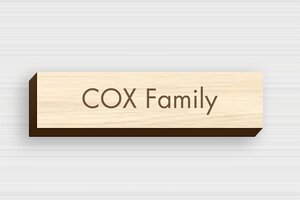
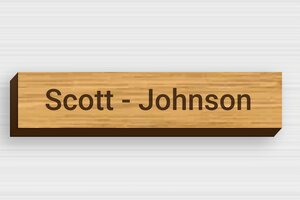
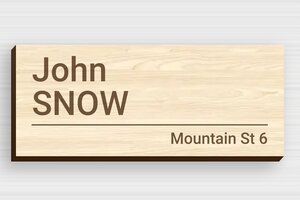
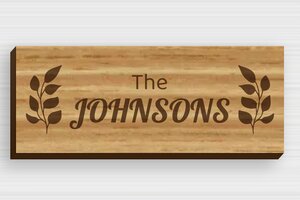

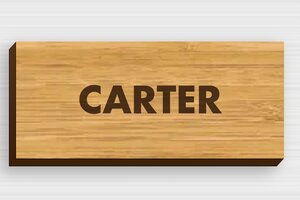
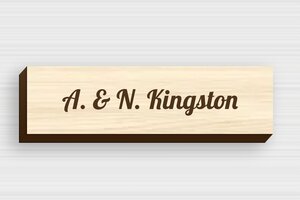
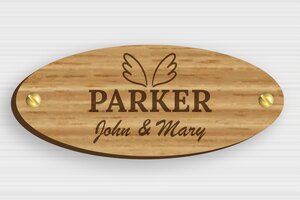

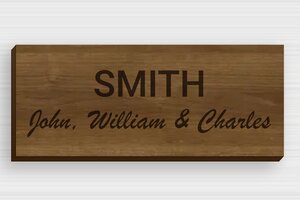
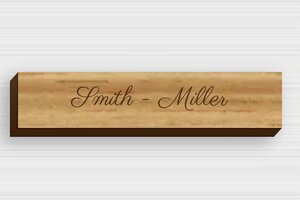

Oak stands as the premium choice for exterior wooden signage, offering exceptional durability and distinctive grain patterns that become more pronounced with age. Its natural tannins provide inherent weather resistance, whilst its dense structure withstands the expansion and contraction cycles caused by Britain's temperature fluctuations.
Other excellent options include:
The key lies in selecting timber that has been properly prepared for outdoor use and applying appropriate protective treatments to ensure longevity in Britain's unpredictable weather conditions.
Proper installation ensures your wooden post box sign performs effectively whilst maintaining its appearance throughout changing weather conditions. The mounting system must accommodate the natural movement of wood as it responds to moisture and temperature changes.
Installation approaches for different wall types:
Many homeowners successfully install wooden post box signs using basic DIY skills and standard tools. The key requirements include accurate measuring, appropriate fixings for your wall type, and careful attention to positioning for optimal visibility. Most installations can be completed within a few hours using a drill, spirit level, and basic hand tools.
Professional installation becomes advisable for complex mounting situations, valuable property features, or when working with listed buildings where mistakes could prove costly.
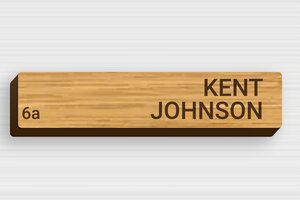
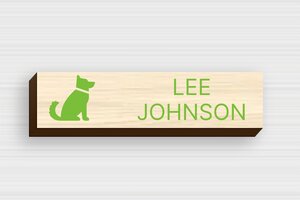
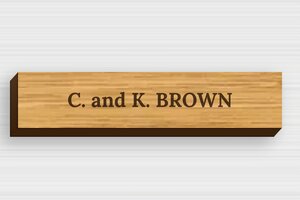
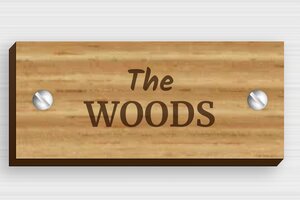
The beauty of wooden post box signs lies in their infinite customisation possibilities, allowing you to create a truly unique identifier for your home. Text personalisation forms the foundation of most designs, with options ranging from simple house numbers to elaborate family names, property names, or meaningful phrases that reflect your household's character.
Personalisation options include:
The natural texture of wood provides an excellent canvas for various engraving techniques, each offering distinct visual effects. The three-dimensional nature of wood engraving creates shadows and depth that bring decorative elements to life, particularly effective when illuminated by natural or artificial lighting.
Britain's unpredictable weather patterns demand robust protection systems for outdoor wooden signage. The combination of frequent rainfall, occasional frost, and varying humidity levels creates challenging conditions that require careful consideration of protective treatments.
Essential maintenance practices include:
Protective finish options:
Seasonal care includes autumn cleaning to remove fallen leaves, winter protection for exposed positions, and spring inspection to identify any weather damage.
Environmental consciousness drives many homeowners towards wooden signage as a sustainable alternative to synthetic materials. Responsibly sourced timber from certified forests supports sustainable forestry practices that maintain biodiversity whilst providing renewable resources.
Environmental benefits include:
Look for FSC (Forest Stewardship Council) and PEFC (Programme for the Endorsement of Forest Certification) labels that guarantee your wooden sign contributes to positive environmental outcomes. Even damaged signs retain value as raw material for other applications, with wood chips finding uses in composting, animal bedding, or biomass fuel applications.
A wooden post box sign transforms your home's entrance into a welcoming statement that combines natural beauty with practical functionality. These handcrafted pieces offer UK homeowners an elegant alternative to synthetic materials, bringing warmth and character to properties whilst ensuring your postal deliveries reach their destination with ease. Whether you're enhancing a period cottage or adding rustic charm to a modern home, wooden letterbox signs provide the perfect blend of durability and aesthetic appeal that complements Britain's diverse architectural landscape.
The appeal of wooden signage lies in its timeless quality and ability to weather gracefully alongside your property. Unlike mass-produced plastic alternatives, a carefully crafted wooden post box sign develops character over time, creating a unique patina that tells the story of your home. With Otypo's expertise in custom signage, you can create a personalised wooden nameplate that reflects your family's identity whilst maintaining the highest standards of European craftsmanship and quality.
The natural warmth of wood creates an immediate connection between your home and visitors, establishing a welcoming atmosphere that synthetic materials simply cannot match. Wood's inherent beauty lies in its unique grain patterns, natural variations, and organic texture that adds depth and interest to your property's frontage. Each piece of timber tells its own story through distinctive markings and colour variations, ensuring your wooden post box sign remains truly one-of-a-kind.
For homeowners conscious of their environmental impact, wooden signage represents a sustainable choice that aligns with modern ecological values. Responsibly sourced timber offers a renewable alternative to petroleum-based plastics, supporting forest management practices that preserve natural habitats for future generations. The biodegradable nature of wood means your sign won't contribute to long-term environmental waste, making it an excellent choice for eco-conscious households.
The versatility of wooden post box signs makes them suitable for virtually any property style. From traditional oak signs that complement Georgian terraces to contemporary designs that enhance modern developments, wood adapts beautifully to diverse architectural contexts. The material's natural ability to harmonise with existing features like wooden doors, window frames, or garden elements creates a cohesive aesthetic that enhances your property's overall kerb appeal.
Today's homeowners increasingly seek authentic materials that provide a counterpoint to our digital world. Wood offers tactile warmth and visual richness that creates a sense of permanence and stability in an ever-changing environment. The growing trend towards biophilic design recognises our innate connection to natural materials, making wooden signage not just a practical choice but a wellness-enhancing element for your home.
The craftsmanship tradition associated with wooden signage connects your home to centuries of British woodworking heritage. This connection to traditional skills and materials creates a sense of authenticity that resonates with homeowners seeking genuine quality over mass-produced alternatives. The visible grain patterns and natural imperfections in wood celebrate the beauty of imperfection, creating signs with character and soul.
Selecting the appropriate wood species for your outdoor post box sign requires understanding how different timbers perform in the UK's varied climate conditions. Oak stands as the premium choice for exterior wooden signage, offering exceptional durability and distinctive grain patterns that become more pronounced with age. Its natural tannins provide inherent weather resistance, whilst its dense structure withstands the expansion and contraction cycles caused by Britain's temperature fluctuations.
Pine and other softwoods present cost-effective alternatives when properly treated for outdoor use. These lighter timbers readily accept protective treatments and finishes, making them suitable for homeowners seeking wooden aesthetics within a more modest budget. The key lies in selecting high-quality softwood that has been kiln-dried to reduce moisture content and prevent warping or splitting during seasonal weather changes.
Hardwoods like beech, ash, and cherry offer middle-ground options that balance durability with affordability. These species provide excellent stability and attractive grain patterns whilst remaining more accessible than premium oak. Their moderate density makes them easier to work with during customisation processes, allowing for intricate engraving and detailed personalisation options.
Britain's unpredictable weather patterns demand robust protection systems for outdoor wooden signage. The combination of frequent rainfall, occasional frost, and varying humidity levels creates challenging conditions that require careful consideration of protective treatments. Oil-based finishes penetrate deep into the wood fibres, providing moisture resistance whilst allowing the timber to breathe naturally, preventing the build-up of trapped moisture that could lead to rot or fungal growth.
Lacquer-based finishes create a protective barrier on the wood's surface, offering excellent water resistance and UV protection. These treatments are particularly effective for signs exposed to direct sunlight, preventing the bleaching and degradation that can occur with untreated timber. The choice between oil and lacquer finishes depends on your aesthetic preferences and maintenance commitment, with oils requiring more frequent reapplication but offering a more natural appearance.
Regular maintenance schedules ensure your wooden post box sign continues to perform effectively throughout its lifespan. Annual inspection and cleaning, combined with periodic reapplication of protective treatments, maintains both appearance and structural integrity. This proactive approach prevents minor issues from developing into significant problems, ensuring your investment continues to enhance your property for years to come.
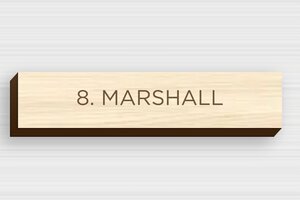
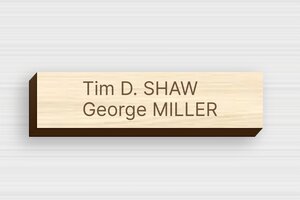
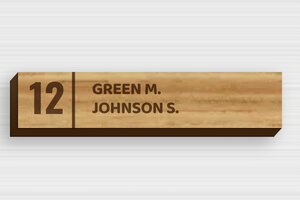
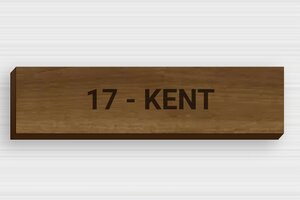
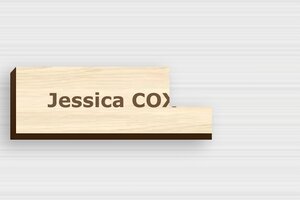
The beauty of wooden post box signs lies in their infinite customisation possibilities, allowing you to create a truly unique identifier for your home. Text personalisation forms the foundation of most designs, with options ranging from simple house numbers to elaborate family names, property names, or meaningful phrases that reflect your household's character. The natural texture of wood provides an excellent canvas for various engraving techniques, each offering distinct visual effects.
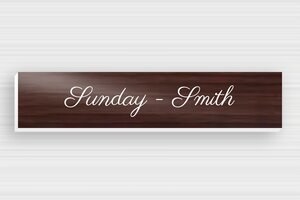
Font selection plays a crucial role in ensuring your sign remains legible from street level whilst reflecting your personal style preferences. Traditional serif fonts complement period properties beautifully, whilst clean sans-serif options suit contemporary homes. Script fonts add elegance and personality but require careful consideration of size and depth to maintain readability, particularly important for postal delivery purposes.
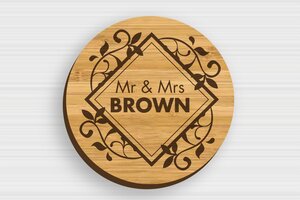
Decorative motifs and design elements transform functional signage into artistic statements. Popular choices include botanical designs that echo garden themes, geometric patterns that complement modern architecture, or traditional British symbols that celebrate heritage. The three-dimensional nature of wood engraving creates shadows and depth that bring these decorative elements to life, particularly effective when illuminated by natural or artificial lighting.
Effective wooden post box sign design balances aesthetic appeal with practical functionality. Visibility from multiple angles ensures postal workers and visitors can easily identify your property, whilst appropriate sizing prevents the sign from overwhelming smaller properties or appearing insignificant on larger homes. The relationship between text size, sign dimensions, and viewing distance requires careful calculation to achieve optimal legibility.
Colour coordination with existing property features creates visual harmony that enhances overall kerb appeal. Natural wood tones complement most colour schemes, but stained or painted finishes can provide accent colours that tie into door colours, window frames, or garden features. The key lies in achieving balance rather than exact matching, allowing the sign to complement rather than compete with existing elements.
Proper installation ensures your wooden post box sign performs effectively whilst maintaining its appearance throughout changing weather conditions. Wall-mounted installations offer the most common approach, providing stable support whilst keeping the sign at an appropriate height for visibility. The mounting system must accommodate the natural movement of wood as it responds to moisture and temperature changes, preventing stress that could lead to cracking or warping.
Different wall types require specific fixing approaches to ensure secure attachment. Brick walls typically use expanding bolts or rawl plugs that provide excellent holding power, whilst rendered surfaces may require specialist fixings designed for hollow or composite wall construction. Timber-framed buildings offer the advantage of direct screw fixing into structural elements, providing exceptional stability for larger signs.
Post-mounted installations create impressive standalone features that work particularly well for properties set back from the road or those with extensive front gardens. This approach requires careful consideration of ground conditions, drainage, and local planning regulations. The post material should complement the sign whilst providing adequate structural support, with options ranging from matching timber posts to powder-coated metal alternatives.
Many homeowners successfully install wooden post box signs using basic DIY skills and standard tools. The key requirements include accurate measuring, appropriate fixings for your wall type, and careful attention to positioning for optimal visibility. Most installations can be completed within a few hours using a drill, spirit level, and basic hand tools.
Professional installation becomes advisable for complex mounting situations, valuable property features, or when working with listed buildings where mistakes could prove costly. Experienced installers bring specialist knowledge of different wall types, appropriate fixings, and positioning strategies that maximise both functionality and aesthetic impact. They also carry insurance coverage that protects against potential damage during installation.
Maintaining your wooden post box sign requires minimal effort but consistent attention to preserve both appearance and functionality. Regular cleaning using mild soap and water removes accumulated dirt and organic matter that could harbour moisture or promote fungal growth. Avoid harsh chemicals or pressure washing that could damage protective finishes or force water into grain patterns where it might cause problems.
Annual inspection identifies potential issues before they become significant problems. Look for signs of finish deterioration, particularly around edges and engraved areas where water might penetrate. Small areas of wear can be addressed with localised treatment, whilst more extensive deterioration might require complete refinishing to maintain protection levels.
Protective treatment renewal schedules depend on your chosen finish type, exposure conditions, and local climate factors. Oil-based treatments typically require reapplication every 12-18 months, whilst high-quality lacquers may last 3-5 years before requiring attention. Keeping detailed maintenance records helps establish optimal treatment intervals for your specific conditions.
British weather patterns create specific seasonal challenges that require targeted maintenance approaches. Autumn cleaning removes fallen leaves and organic debris that could trap moisture against the wood surface. Winter protection might include temporary covers for signs in particularly exposed positions, whilst spring inspection identifies any damage caused by frost or winter storms.
Summer maintenance focuses on UV protection and checking for signs of wood movement caused by temperature fluctuations. This season also provides optimal conditions for applying protective treatments, with warm, dry weather ensuring proper curing and maximum effectiveness of finishes.
Environmental consciousness drives many homeowners towards wooden signage as a sustainable alternative to synthetic materials. Responsibly sourced timber from certified forests supports sustainable forestry practices that maintain biodiversity whilst providing renewable resources. FSC (Forest Stewardship Council) and PEFC (Programme for the Endorsement of Forest Certification) labels guarantee that your wooden sign contributes to positive environmental outcomes.
The carbon footprint of wooden signage compares favourably to alternatives manufactured from petroleum-based materials. Trees absorb carbon dioxide during growth, storing carbon within the wood structure throughout the sign's lifespan. This carbon sequestration continues even after installation, making wooden signs active contributors to carbon reduction efforts.
Local timber sourcing reduces transportation emissions whilst supporting regional economies and traditional skills. British-grown timber species like oak, ash, and beech provide excellent performance characteristics whilst minimising environmental impact associated with international shipping. These native species also complement local architectural traditions and landscape contexts.
Wooden signage offers excellent end-of-life options that align with circular economy principles. Unlike synthetic alternatives that persist in landfills for decades, wood biodegrades naturally, returning nutrients to soil systems. Alternatively, wooden signs can be repurposed for garden use, craft projects, or other applications that extend their useful life.
The recyclability of wood means that even damaged signs retain value as raw material for other applications. Wood chips and sawdust find uses in composting, animal bedding, or biomass fuel applications, ensuring minimal waste throughout the product lifecycle.
Selecting the ideal wooden post box sign requires balancing aesthetic preferences with practical requirements and budget considerations. Start by assessing your property's architectural style, existing materials, and colour palette to identify complementary design directions. Traditional properties often benefit from classic oak signs with serif fonts, whilst contemporary homes might suit cleaner designs in lighter timber species.
Size selection depends on viewing distances, property scale, and local planning considerations. Larger properties can accommodate more substantial signs that create impressive focal points, whilst smaller homes require proportionate sizing that enhances rather than overwhelms the frontage. Consider both daytime visibility and evening illumination when determining appropriate dimensions.
Budget planning should account for initial purchase costs, installation requirements, and ongoing maintenance expenses. While premium hardwoods command higher prices, their longevity and appearance often justify the investment for homeowners seeking long-term value. Softwood alternatives provide excellent performance at lower cost points, particularly when quality protective treatments are applied.
Otypo's online customisation tools simplify the design process, allowing you to experiment with different fonts, layouts, and decorative elements before finalising your order. This interactive approach ensures your finished sign meets expectations whilst providing confidence in your design choices. The intuitive interface guides you through each decision point, from timber selection to finishing options, creating a seamless experience from concept to delivery.
The combination of traditional craftsmanship with modern production techniques ensures every wooden post box sign meets exacting quality standards whilst maintaining the individual character that makes wooden signage so appealing. With over 60 years of experience in custom signage, Otypo brings unmatched expertise to every project, ensuring your wooden sign becomes a lasting enhancement to your home's character and functionality. Transform your property's entrance with a personalised wooden post box sign that welcomes visitors whilst celebrating the natural beauty and sustainability that only genuine timber can provide.