Get a quote
express 4h


Your sign in just 2 minutes.
Full editor: 27 materials, 219 colors, 12 mounting options
Marking: laser engraving, mechanical or printed







For UK weather conditions, several materials offer excellent durability and weather resistance. Welsh slate remains one of the most prestigious choices, offering unparalleled durability and developing a beautiful patina over time whilst maintaining structural integrity through decades of British weather. Its dense composition makes it virtually impervious to frost damage.
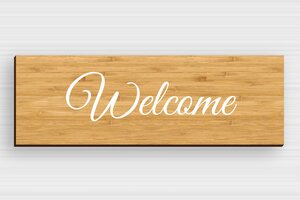
Oak represents the premium choice among wooden options, properly treated oak can withstand the UK climate for decades. For modern alternatives, acrylic provides exceptional versatility and excels in coastal environments where salt air might affect traditional materials.
Aluminium and stainless steel options deliver industrial-strength durability with minimal maintenance requirements, offering ultimate weather resistance. These materials can be powder-coated in numerous colours for perfect coordination with existing exterior elements.
There are two main installation methods depending on your needs and property type.
Self-adhesive mounting provides an excellent solution for tenants or homeowners who prefer not to drill holes. Modern adhesive technologies create incredibly strong bonds whilst remaining removable when necessary. Surface preparation is critical - the mounting area must be thoroughly cleaned and completely dry before application.
These systems work particularly well on smooth surfaces like UPVC doors, painted wood, or rendered walls. The adhesive typically requires 24 hours to reach full strength, so temporary support during this curing period ensures optimal results.
Screw mounting provides the most secure installation for permanent solutions. Quality welcome signs typically include stainless steel fixings and decorative screw caps. Different wall materials require specific approaches - brick and stone need masonry drill bits and appropriate wall plugs, whilst wooden surfaces allow direct screw insertion.
Yes, modern online design tools make it easy to create truly unique entrance signage that captures exactly what you want to communicate to visitors. The personalisation process should feel enjoyable and creative.
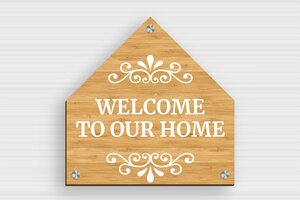
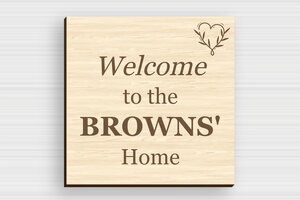
Text options include family names (the most popular choice), often paired with house numbers or complementary messages like 'The Smiths Welcome You' or simply 'Welcome to Our Home'. Many homeowners incorporate meaningful dates, such as the year they moved in or were married.
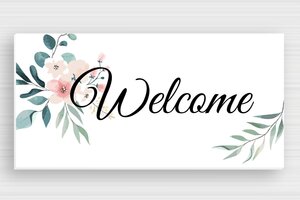
Decorative elements like floral motifs, animal silhouettes, or seasonal designs can transform a simple nameplate into a distinctive piece of home décor.
Font selection plays a crucial role - traditional serif fonts convey elegance perfect for period properties, whilst modern sans-serif options suit contemporary homes. Script fonts add a personal, handwritten feel ideal for cottage-style properties.
Colour combinations should complement your door and surrounding architecture, with contrasting colours ensuring maximum readability from the street or garden path.
Proper care ensures your welcome signs continue to look impressive throughout their service life, though most quality signs need minimal ongoing attention when properly constructed.
Slate signs require only occasional cleaning with mild soap and water, using a soft brush to remove accumulated dirt or organic growth. The natural properties of quality slate mean it actually improves with age, developing character whilst maintaining structural integrity.
Wooden signs benefit from annual inspection and occasional treatment with appropriate wood preservatives or finishes, particularly if exposed to direct sunlight or driving rain.
Acrylic and metal signs typically need only regular cleaning to maintain their appearance. Use mild detergent solutions and soft cloths to prevent scratching whilst removing dirt and environmental residues. Avoid abrasive cleaners or harsh chemicals to preserve the material's finish and extend its attractive appearance.
UK weather conditions, including UV exposure, rain, and frost, are well within the tolerance range of quality materials when properly selected and installed.
Proportion plays a vital role in creating an attractive and professional-looking entrance display. The size should complement your door's dimensions and remain easily readable from typical viewing distances.
Standard sizes typically range from compact 150x100mm plaques perfect for apartment doors to substantial 300x170mm signs suitable for larger residential entrances. Rectangular shapes work well for most applications.
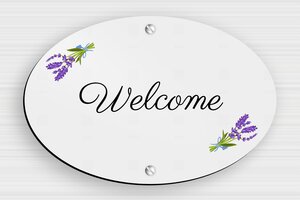
Shape considerations: Oval shapes offer a softer, more traditional appearance that works particularly well with period properties or when creating a more welcoming, less formal impression.
Visibility factors: Consider the viewing angle and distance when making your size decision. A sign that looks perfectly proportioned up close might appear too small when seen from the typical distance visitors first notice your entrance. Your welcome message should remain clear and impactful from the street or garden path.
The key is ensuring your sign feels like a natural extension of your property's character whilst maintaining excellent readability from all relevant viewing perspectives.
Creating the perfect welcome for your home starts at the front door, and welcome signs have become an essential element for UK homeowners seeking to add personality and warmth to their entrance. These personalised plaques serve as the first impression visitors receive, combining practical functionality with aesthetic appeal. Whether you're looking to display your family name, share a heartfelt greeting, or simply enhance your property's kerb appeal, welcome signs offer endless possibilities for customisation and style.
The popularity of bespoke entrance signage has grown significantly across the UK, with homeowners increasingly recognising the value of quality craftsmanship and durable materials. From traditional slate engravings that complement period properties to modern acrylic designs perfect for contemporary homes, the choice of materials and styles ensures every household can find their ideal welcome solution. Otypo specialises in creating these personalised touches, offering European quality craftsmanship with the convenience of online customisation and rapid delivery throughout the UK.
Selecting the right material for your welcome sign is crucial, particularly given the UK's varied weather conditions. The material you choose will determine not only the aesthetic appeal of your sign but also its longevity and maintenance requirements. Understanding the properties of different materials helps ensure your investment continues to look impressive for years to come.
Welsh slate remains one of the most prestigious choices for welcome signs, offering unparalleled durability and a timeless aesthetic that complements both traditional and contemporary properties. This natural stone material develops a beautiful patina over time whilst maintaining its structural integrity through decades of British weather. The dense composition of quality slate makes it virtually impervious to frost damage, whilst its natural texture provides an elegant backdrop for engraved lettering that remains crisp and clear.
Oak represents the premium choice among wooden welcome signs, prized for its strength and distinctive grain patterns. Properly treated oak can withstand the UK climate for decades, developing a distinguished silvered appearance if left to weather naturally, or maintaining its original colour when protected with appropriate finishes. Sustainable alternatives like bamboo have gained popularity among environmentally conscious homeowners, offering rapid renewability without compromising on durability or appearance.
Acrylic welcome signs provide exceptional versatility for contemporary home designs, offering crystal-clear transparency or bold opaque colours that remain vibrant despite UV exposure. This material excels in coastal environments where salt air might affect traditional materials, and its lightweight nature makes installation straightforward on various surfaces. The smooth surface of acrylic allows for precise engraving and printing techniques, creating sharp, professional-looking results.
Aluminium and stainless steel options deliver industrial-strength durability with minimal maintenance requirements. Brushed aluminium finishes provide a sophisticated appearance that complements modern architectural styles, whilst stainless steel offers the ultimate in weather resistance. These metals can be powder-coated in numerous colours, ensuring perfect coordination with existing exterior elements. For budget-conscious buyers, high-quality PVC alternatives provide excellent weather resistance and customisation options at a more accessible price point.
The beauty of custom welcome signs lies in their ability to reflect your family's personality and style preferences. Modern online design tools make it easier than ever to create truly unique entrance signage that captures exactly what you want to communicate to visitors. The personalisation process should feel enjoyable and creative, not overwhelming or restrictive.
Family names remain the most popular choice for welcome sign text, often paired with house numbers or complementary messages like "The Smiths Welcome You" or simply "Welcome to Our Home". Many homeowners choose to incorporate meaningful dates, such as the year they moved in or were married, creating a personal timeline that adds sentimental value. Decorative elements like floral motifs, animal silhouettes, or seasonal designs can transform a simple nameplate into a distinctive piece of home décor.
Font selection plays a crucial role in achieving the desired aesthetic impact. Traditional serif fonts convey elegance and formality, perfect for period properties or formal entrances, whilst modern sans-serif options suit contemporary homes with clean, minimalist styling. Script fonts add a personal, handwritten feel that works beautifully for cottage-style properties or when you want to create a more intimate, welcoming atmosphere. Colour combinations should complement your door and surrounding architecture, with contrasting colours ensuring maximum readability from the street or garden path.
Proper installation ensures your welcome sign remains securely positioned and continues to look professional throughout its lifetime. The mounting method you choose depends on several factors including the material of your sign, the surface where it will be mounted, and whether you need a temporary or permanent solution.
Self-adhesive mounting systems provide an excellent solution for tenants or homeowners who prefer not to drill holes in their property. Modern adhesive technologies create incredibly strong bonds that can support substantial weight whilst remaining removable when necessary. Surface preparation is critical for adhesive mounting success – the mounting area must be thoroughly cleaned and completely dry before application.
These systems work particularly well on smooth surfaces like UPVC doors, painted wood, or rendered walls. The adhesive typically requires 24 hours to reach full strength, so temporary support during this curing period ensures optimal results. Weather-resistant adhesives maintain their grip through temperature fluctuations and moisture exposure, though extreme conditions may eventually require reapplication.
Screw mounting provides the most secure and long-lasting installation method, suitable for all material types and mounting surfaces. Quality welcome signs typically include stainless steel fixings and decorative screw caps that blend seamlessly with the sign's finish. Pre-drilled holes ensure accurate positioning and prevent material damage during installation.
Different wall materials require specific approaches – brick and stone surfaces need masonry drill bits and appropriate wall plugs, whilst wooden surfaces allow direct screw insertion. UPVC doors and frames require careful consideration to avoid damaging the material's structure. Professional installation guidance helps ensure proper technique and prevents costly mistakes that could compromise both the sign's appearance and your property's integrity.
Proportion plays a vital role in creating an attractive and professional-looking entrance display. The size of your welcome sign should complement your door's dimensions and remain easily readable from typical viewing distances. Standard rectangular shapes work well for most applications, typically ranging from compact 150x100mm plaques perfect for apartment doors to substantial 300x170mm signs suitable for larger residential entrances.
Oval shapes offer a softer, more traditional appearance that works particularly well with period properties or when you want to create a more welcoming, less formal impression. The curved edges of oval signs can help them integrate more naturally with landscaping elements or architectural features that incorporate similar curved lines.
Visibility from the street or garden path should guide your size selection. A sign that looks perfectly proportioned when viewed up close might appear too small when seen from the typical distance visitors first notice your entrance. Consider the viewing angle and distance when making your final size decision, ensuring your welcome message remains clear and impactful from all relevant perspectives.
Matching your welcome sign to your property's architectural character creates a cohesive and thoughtful appearance that enhances rather than detracts from your home's existing features. Understanding how different materials and design approaches complement various architectural styles helps ensure your sign feels like a natural extension of your property's character.
Heritage homes benefit from welcome signs that respect their historical character whilst adding contemporary functionality. Natural slate with deep-cut engraving provides an authentic appearance that ages gracefully alongside older properties. Traditional colour schemes using cream, black, or dark green lettering on natural stone backgrounds create timeless combinations that never look dated.
Wooden signs in oak or other traditional timber species work beautifully with Tudor, Georgian, or Victorian properties, particularly when the wood finish coordinates with existing window frames or door colours. Conservative font choices and classic layout approaches ensure the signage enhances rather than overwhelms the property's period features.
Contemporary properties offer exciting opportunities for bold, innovative welcome sign designs that reflect current design trends. Acrylic materials allow for creative use of transparency, colour, and lighting effects that complement modern architectural elements. Clean, minimalist typography and geometric shapes align perfectly with contemporary design principles.
Metal signs in brushed aluminium or powder-coated finishes provide the industrial aesthetic that works so well with modern materials like steel, glass, and concrete. Bold colour contrasts and contemporary font choices create striking visual impact whilst maintaining the sophisticated appearance expected in modern home design.
Rural and cottage-style homes call for welcome signs that celebrate natural materials and traditional craftsmanship. Hand-finished wooden signs with slightly rustic edges and natural wood grain create an authentic, handcrafted appearance that feels perfectly at home in countryside settings. Carved lettering adds textural interest and demonstrates the artisanal quality that cottage-style properties deserve.
Natural colour palettes using earth tones, forest greens, and warm browns help signs blend harmoniously with rural surroundings. Decorative elements inspired by local flora and fauna can create charming, location-specific designs that celebrate the property's rural character.
Proper care ensures your welcome signs continue to look impressive throughout their service life, protecting your investment and maintaining your property's attractive appearance. Different materials require specific maintenance approaches, though most quality signs need minimal ongoing attention when properly installed and constructed from appropriate materials.
Slate signs require only occasional cleaning with mild soap and water, using a soft brush to remove accumulated dirt or organic growth. The natural properties of quality slate mean it actually improves with age, developing character whilst maintaining structural integrity. Wooden signs benefit from annual inspection and occasional treatment with appropriate wood preservatives or finishes, particularly if exposed to direct sunlight or driving rain.
Acrylic and metal signs typically need only regular cleaning to maintain their appearance. Mild detergent solutions and soft cloths prevent scratching whilst removing dirt and environmental residues. Avoiding abrasive cleaners or harsh chemicals preserves the material's finish and extends its attractive appearance. UK weather conditions, including UV exposure, rain, and frost, are well within the tolerance range of quality materials when properly selected and installed.
Choosing the right welcome sign transforms your entrance into a warm, inviting space that reflects your personality whilst providing practical identification for visitors and delivery services. The combination of durable materials, thoughtful design, and proper installation creates a lasting improvement that enhances your property's appeal and value. With Otypo's extensive customisation options and commitment to European quality standards, creating your perfect welcome sign becomes an enjoyable process that delivers professional results. Whether you prefer traditional craftsmanship or contemporary design, the right welcome sign serves as a beautiful introduction to your home for years to come.