Signs by Material
Your sign in just 2 minutes.
Full editor: 27 materials, 219 colors, 12 mounting options
Marking: laser engraving, mechanical or printed
starting at £2.50

Your sign in just 2 minutes.
Full editor: 27 materials, 219 colors, 12 mounting options
Marking: laser engraving, mechanical or printed
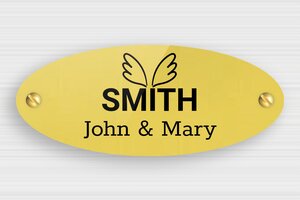

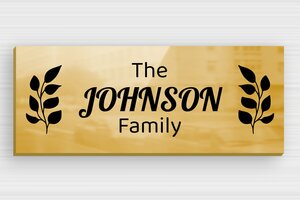
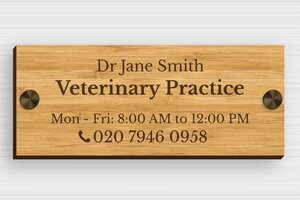
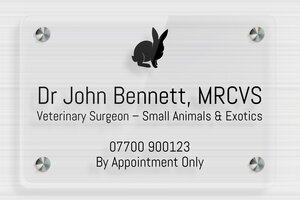
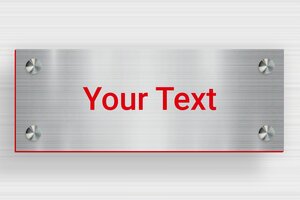



For the UK's challenging wet climate, several materials offer exceptional performance. Stainless steel, particularly marine grade 316 formulations, provides outstanding corrosion resistance even in coastal environments with salt spray. Anodised aluminium creates a protective oxide layer that dramatically improves weather resistance and maintains appearance for decades.
Cast acrylic is another excellent choice, offering superior UV resistance and preventing the yellowing that affects lower-grade plastics. Modern UV-stabilised PVC formulations also resist fading and degradation while maintaining structural integrity through frequent rainfall and temperature fluctuations.
The key factors to consider for UK conditions include:
The choice between acrylic and aluminium depends on your specific requirements, aesthetic preferences, and application environment. Both materials offer excellent durability and professional appearance, but each has distinct advantages.
Choose acrylic if you need:
Choose aluminium if you require:
Both materials perform excellently in UK weather conditions and can be customised to match your brand requirements.
Cast acrylic represents the premium grade used in professional signage, offering significant advantages over extruded alternatives for outdoor applications. The manufacturing process creates fundamental differences in material properties and performance.
Cast acrylic advantages include:
Extruded acrylic, while more economical, has limitations:
For outdoor signage in the UK's challenging climate, cast acrylic provides the reliability and longevity needed for professional installations, making it the preferred choice despite higher initial cost.
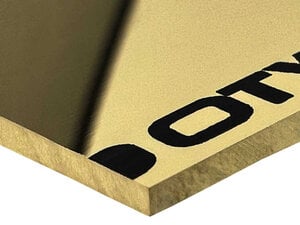
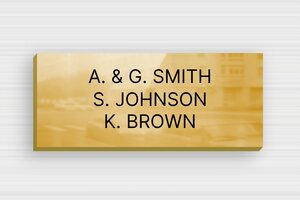
Brass signage maintenance requirements depend on your desired appearance and environmental conditions. This copper-zinc alloy naturally develops a distinctive patina over time, which many consider an attractive feature that adds character and authenticity.
For polished brass finish maintenance:
For naturally aged brass appearance:
Both approaches offer distinct aesthetic advantages. Polished brass provides traditional elegance and prestige, while naturally aged brass develops unique character that cannot be replicated. The choice depends on your architectural style preferences and maintenance capabilities. Brass's natural antimicrobial properties make it particularly suitable for healthcare environments and public spaces where hygiene is important.
Yes, modern PVC signage can be recycled at the end of its useful life, supporting sustainability initiatives while maintaining practical advantages. Environmental considerations have driven significant developments in PVC formulations and recycling processes.
Recycling options for PVC signage include:
Modern eco-friendly PVC developments include:
When selecting PVC signage, look for suppliers who offer take-back programmes or guidance on proper disposal. This ensures your signage choice supports circular economy principles while delivering the cost-effectiveness, versatility, and durability that make PVC an excellent signage material.
Choosing the right material for your signage is one of the most crucial decisions you'll make for your business or property. With countless options available in today's market, from traditional brass and aluminium to modern acrylics and composites, understanding the unique properties and benefits of each material can transform your signage from merely functional to genuinely impactful. The material you select doesn't just determine how your sign looks—it influences durability, maintenance requirements, cost-effectiveness, and ultimately, how well your message resonates with your audience.
In the UK's challenging climate, where signs must withstand everything from coastal salt spray to urban pollution, material choice becomes even more critical. Whether you're a facilities manager seeking compliance signage, a business owner wanting to enhance your shopfront, or a homeowner looking for elegant house numbers, the material foundation of your signage determines its success. At Otypo, we've spent over six decades perfecting our understanding of how different materials perform in real-world conditions, helping thousands of customers across Europe make informed decisions that deliver lasting value.
This comprehensive guide explores the full spectrum of signage materials available today, examining their unique characteristics, ideal applications, and practical considerations for UK users. From weather-resistant outdoor solutions to sophisticated indoor displays, we'll help you navigate the complexities of material selection with confidence and clarity.
The British climate presents unique challenges that significantly influence material performance and longevity. Unlike many continental European locations, the UK experiences high humidity levels, frequent temperature fluctuations, and considerable rainfall throughout the year. These conditions can accelerate material degradation, cause thermal expansion issues, and promote corrosion in unsuitable materials.
Successful signage material selection requires balancing multiple factors: aesthetic appeal, functional durability, maintenance requirements, and cost considerations. Indoor applications offer more controlled environments, allowing for a broader range of material choices, while outdoor signage demands materials specifically engineered to withstand UV exposure, moisture penetration, and temperature cycling.
Modern signage materials have evolved considerably, with manufacturers developing advanced composites and treatments that extend lifespan while maintaining visual appeal. Understanding these developments helps you make informed decisions that deliver both immediate impact and long-term value. The key lies in matching material properties to your specific application requirements, considering factors such as mounting location, expected lifespan, maintenance accessibility, and aesthetic preferences.
UK weather conditions demand careful consideration of several material performance factors. UV resistance prevents colour fading and material degradation, particularly important for south-facing installations. Moisture resistance protects against water penetration, which can cause delamination, corrosion, or structural failure. Temperature stability ensures materials maintain their integrity through seasonal variations without cracking, warping, or losing adhesion.
Salt air in coastal areas presents additional challenges, requiring materials with enhanced corrosion resistance. Urban environments introduce pollution-related staining and chemical exposure, while rural locations may face agricultural chemicals and organic growth issues. Understanding these environmental factors helps predict material performance and maintenance requirements over time.
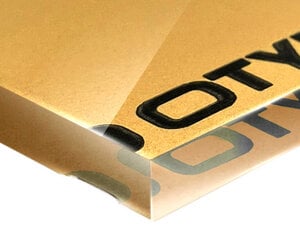
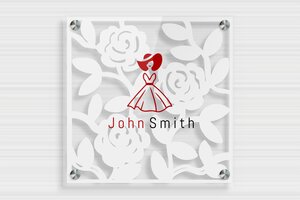
Acrylic has revolutionised the signage industry, offering exceptional versatility combined with impressive durability. This thermoplastic material provides crystal-clear transparency when required, vibrant colour options, and excellent weather resistance, making it suitable for both indoor and outdoor applications across the UK.
Cast acrylic, the premium grade used in professional signage, offers superior optical clarity and dimensional stability compared to extruded alternatives. Its molecular structure provides enhanced UV resistance, preventing the yellowing and brittleness that can affect lower-grade plastics over time. This makes cast acrylic particularly valuable for outdoor applications where long-term appearance retention is crucial.
The customisation possibilities with acrylic are virtually limitless. Modern fabrication techniques allow for precision cutting, edge polishing, and complex shaping, while advanced printing technologies enable full-colour graphics, photographic reproduction, and gradient effects. Acrylic accepts various finishing treatments, from frosted effects for privacy applications to mirror finishes for decorative purposes.
For UK businesses, acrylic offers excellent value proposition. Its lightweight nature reduces mounting requirements and installation costs, while its impact resistance provides security against vandalism and accidental damage. Maintenance is straightforward, requiring only periodic cleaning with standard cleaning solutions, and repairs are often possible without complete replacement.
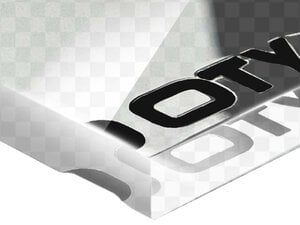
Transparent acrylic creates striking visual effects, particularly when combined with LED lighting or backlit installations. This material allows light transmission while maintaining structural integrity, creating sophisticated illuminated displays that work effectively in both daylight and evening conditions.
The glass-like appearance of transparent acrylic provides premium aesthetics at a fraction of glass weight and cost. Edge-lit applications create dramatic effects where light travels through the acrylic, illuminating engraved or printed elements while maintaining overall transparency. This technique is particularly effective for reception areas, retail displays, and architectural signage where visual impact is paramount.
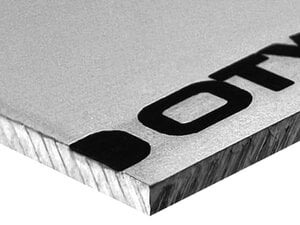
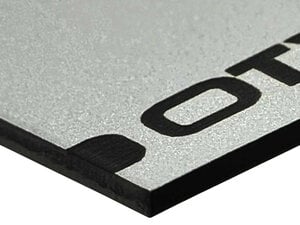
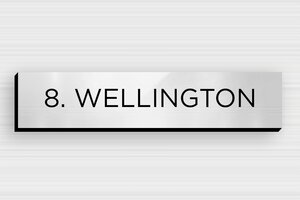
Aluminium has earned its reputation as the professional's preferred signage material through decades of proven performance in demanding applications. Its exceptional strength-to-weight ratio, corrosion resistance, and professional appearance make it ideal for business signage, regulatory displays, and architectural applications throughout the UK.
The anodising process enhances aluminium's natural properties, creating a protective oxide layer that dramatically improves corrosion resistance and provides a consistent, attractive finish. Anodised aluminium maintains its appearance for decades, even in harsh coastal environments, making it particularly valuable for long-term installations where replacement costs are significant.
Aluminium's structural properties allow for large-format signage without excessive weight, reducing mounting requirements and installation complexity. Its thermal stability prevents warping and distortion through seasonal temperature variations, while its fire resistance meets stringent safety requirements for commercial and public buildings.
Modern aluminium fabrication techniques enable complex shapes, precision cutting, and integrated mounting systems. Digital printing directly onto aluminium creates vibrant, durable graphics that resist fading and weathering, while traditional engraving provides permanent marking that cannot be removed or altered.
PVC signage offers exceptional value for applications where cost-effectiveness is important without sacrificing quality or durability. Modern PVC formulations provide impressive weather resistance, colour stability, and fabrication versatility, making them suitable for a wide range of indoor and outdoor applications.
The material's inherent flexibility allows for creative applications impossible with rigid materials, including curved installations, flexible mounting systems, and temporary signage that can be easily repositioned. PVC's excellent printability enables full-colour graphics, photographic reproduction, and complex designs at competitive costs.
For outdoor applications, UV-stabilised PVC formulations resist fading and degradation, maintaining appearance and structural integrity for years. The material's impact resistance provides durability against accidental damage, while its chemical resistance ensures performance in industrial environments where exposure to cleaning agents or process chemicals is common.
Environmental considerations have driven development of recyclable PVC formulations and eco-friendly production processes. Modern PVC signage can be recycled at end of life, supporting sustainability initiatives while maintaining the material's practical advantages.
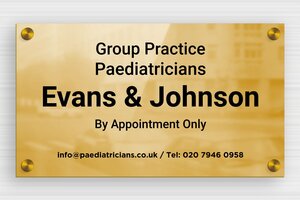
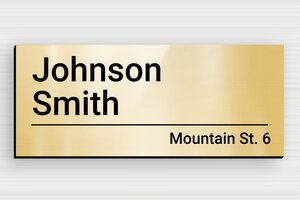
Brass signage represents the pinnacle of traditional craftsmanship, offering unmatched elegance and prestige for applications where appearance and permanence are paramount. This copper-zinc alloy develops a distinctive patina over time, creating unique character that cannot be replicated with other materials.
The engraving characteristics of brass are exceptional, allowing for fine detail work and deep, permanent marking that improves with age. Traditional hand-engraving techniques create tactile lettering with dimensional depth, while modern laser engraving provides precision and consistency for complex designs and small text.
Brass's natural antimicrobial properties make it particularly suitable for healthcare environments and public spaces where hygiene is important. The material's inherent value also provides psychological benefits, conveying quality and permanence that enhances brand perception and customer confidence.
Maintenance requirements vary depending on desired appearance. Polished brass requires regular cleaning to maintain its bright finish, while naturally aged brass develops its characteristic patina with minimal intervention. Both approaches offer distinct aesthetic advantages, allowing customisation to match architectural styles and personal preferences.
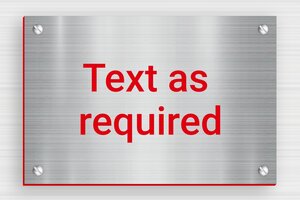
Stainless steel combines exceptional durability with contemporary aesthetics, making it ideal for applications requiring both visual appeal and extreme performance. The material's corrosion resistance, particularly in marine grade 316 formulations, ensures decades of service life even in the most challenging UK coastal environments.
Surface finish options range from mirror-bright polished surfaces that create dramatic visual impact to brushed finishes that provide subtle texture while minimising fingerprint visibility. Satin finishes offer compromise between visual appeal and practical maintenance, while bead-blasted surfaces provide uniform appearance with excellent durability.
Fabrication possibilities with stainless steel are extensive, including complex three-dimensional forms, integrated mounting systems, and precision cutting for intricate designs. Laser cutting enables fine detail work, while water-jet cutting allows for thick sections and complex geometries impossible with other cutting methods.
The material's fire resistance and chemical inertness make it essential for industrial applications, laboratory environments, and food processing facilities where regulatory compliance is mandatory. Its strength allows for large installations with minimal support structures, reducing overall system costs while maintaining structural integrity.
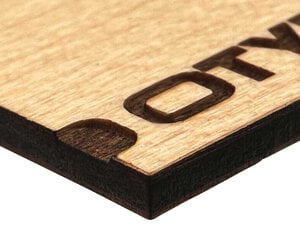
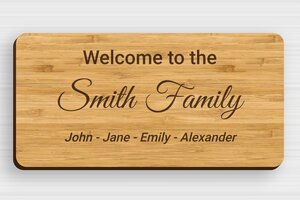
Wood brings natural warmth and organic character to signage applications, offering unique aesthetic qualities that synthetic materials cannot replicate. Each piece of wood displays individual grain patterns and colour variations, creating truly bespoke signage that reflects natural beauty and craftsmanship traditions.
Species selection significantly influences performance and appearance. Oak provides exceptional durability and traditional appeal, while cedar offers natural weather resistance and distinctive aroma. Exotic hardwoods like teak or mahogany provide premium appearance and superior weather resistance, though at higher cost.
Modern wood treatment technologies dramatically extend outdoor lifespan while preserving natural appearance. Pressure treatment with preservatives protects against insect damage and decay, while UV-resistant finishes prevent colour fading and surface degradation. These treatments can extend wood signage life to decades with proper maintenance.
Engraving techniques for wood range from traditional hand-carving that creates distinctive character to modern laser engraving that provides precision and consistency. Burning techniques create dark, permanent marking that contrasts beautifully with natural wood colours, while paint-filled engraving offers vibrant colour options.
Successful material selection requires systematic evaluation of your specific requirements, environmental conditions, and performance expectations. Begin by clearly defining your signage objectives: Is this primarily informational, decorative, regulatory, or promotional? Understanding the primary purpose helps narrow material options and establish performance priorities.
Environmental assessment is crucial for outdoor applications. Consider exposure to direct sunlight, prevailing weather patterns, potential chemical exposure, and security requirements. Coastal locations demand enhanced corrosion resistance, while urban environments require materials that resist pollution staining and maintain appearance despite environmental challenges.
Budget considerations should encompass total lifecycle costs, not just initial material expenses. Premium materials like stainless steel or brass may have higher upfront costs but offer superior longevity and lower maintenance requirements, potentially providing better value over time. Consider installation costs, maintenance requirements, and expected replacement intervals when evaluating options.
At Otypo, our material experts work closely with customers to understand their specific requirements and recommend optimal solutions. Our extensive experience across diverse applications, from heritage buildings to modern commercial installations, enables us to provide practical guidance that balances aesthetic goals with performance requirements and budget constraints.
Professional environments typically require materials that convey competence, reliability, and attention to detail. Brushed stainless steel or anodised aluminium provide contemporary professional appearance while offering excellent durability and low maintenance requirements. These materials work particularly well for office buildings, medical facilities, and corporate environments where image is important.
Retail applications benefit from materials that enhance brand perception while withstanding high traffic and potential vandalism. Acrylic offers versatility for creative applications and easy updating, while aluminium provides durability for permanent installations. Consider materials that support your brand aesthetic while meeting practical performance requirements.
Homeowner priorities often emphasise aesthetic appeal, property value enhancement, and personal expression. Natural materials like wood or stone-effect composites complement traditional architecture, while contemporary materials like brushed aluminium or frosted acrylic suit modern designs.
Consider neighbourhood character and local planning guidelines when selecting residential signage materials. Some areas have specific requirements or preferences that influence material choices, while others offer complete freedom for personal expression. Quality materials enhance property value and create positive first impressions for visitors and potential buyers.
The beauty of working with Otypo lies in our comprehensive approach to material selection and customisation. Our online configurator allows you to explore different material options, visualise designs, and understand how various choices affect appearance and performance. Whether you're seeking cost-effective solutions for temporary applications or premium materials for permanent installations, our extensive range ensures you'll find the perfect match for your specific requirements. With over 60 years of experience in signage manufacturing, we understand that the right material choice is fundamental to creating signage that not only meets your immediate needs but continues to perform and impress for years to come.
 Custom quotes available for bulk or special requests
'%3e%3cpath%20d='M20.5563%202.67834H1.42533C0.639422%202.67834%200%203.31772%200%204.10363V15.5822C0%2016.3682%200.639422%2017.0076%201.42533%2017.0076H15.3578C15.6167%2017.0076%2015.8265%2016.7977%2015.8265%2016.5388C15.8265%2016.2799%2015.6167%2016.0701%2015.3578%2016.0701H1.42533C1.15636%2016.0701%200.9375%2015.8512%200.9375%2015.5822V8.87691H21.0442V11.2778C21.0442%2011.5367%2021.254%2011.7465%2021.5129%2011.7465C21.7718%2011.7465%2021.9817%2011.5367%2021.9817%2011.2778V4.10363C21.9817%203.31772%2021.3423%202.67834%2020.5563%202.67834ZM1.42533%203.61584H20.5563C20.8253%203.61584%2021.0442%203.83466%2021.0442%204.10363V5.54799H0.9375V4.10363C0.9375%203.83466%201.15631%203.61584%201.42533%203.61584ZM0.9375%207.93941V6.48549H21.0442V7.93941H0.9375Z'%20fill='%230C4D5A'/%3e%3cpath%20d='M20.5563%202.67834H1.42533C0.639422%202.67834%200%203.31772%200%204.10363V15.5822C0%2016.3682%200.639422%2017.0076%201.42533%2017.0076H15.3578C15.6167%2017.0076%2015.8265%2016.7977%2015.8265%2016.5388C15.8265%2016.2799%2015.6167%2016.0701%2015.3578%2016.0701H1.42533C1.15636%2016.0701%200.9375%2015.8512%200.9375%2015.5822V8.87691H21.0442V11.2778C21.0442%2011.5367%2021.254%2011.7465%2021.5129%2011.7465C21.7718%2011.7465%2021.9817%2011.5367%2021.9817%2011.2778V4.10363C21.9817%203.31772%2021.3423%202.67834%2020.5563%202.67834ZM1.42533%203.61584H20.5563C20.8253%203.61584%2021.0442%203.83466%2021.0442%204.10363V5.54799H0.9375V4.10363C0.9375%203.83466%201.15631%203.61584%201.42533%203.61584ZM0.9375%207.93941V6.48549H21.0442V7.93941H0.9375Z'%20fill='black'%20fill-opacity='0.5'/%3e%3cpath%20d='M6.92061%2013.6835H2.61612C1.9962%2013.7059%201.99409%2014.5977%202.61612%2014.621H6.92061C7.54054%2014.5986%207.54265%2013.7067%206.92061%2013.6835Z'%20fill='%230C4D5A'/%3e%3cpath%20d='M6.92061%2013.6835H2.61612C1.9962%2013.7059%201.99409%2014.5977%202.61612%2014.621H6.92061C7.54054%2014.5986%207.54265%2013.7067%206.92061%2013.6835Z'%20fill='black'%20fill-opacity='0.5'/%3e%3cpath%20d='M6.92061%2011.7704H2.61612C1.9962%2011.7928%201.99409%2012.6846%202.61612%2012.7079H6.92061C7.54054%2012.6855%207.54265%2011.7936%206.92061%2011.7704Z'%20fill='%230C4D5A'/%3e%3cpath%20d='M6.92061%2011.7704H2.61612C1.9962%2011.7928%201.99409%2012.6846%202.61612%2012.7079H6.92061C7.54054%2012.6855%207.54265%2011.7936%206.92061%2011.7704Z'%20fill='black'%20fill-opacity='0.5'/%3e%3cpath%20fill-rule='evenodd'%20clip-rule='evenodd'%20d='M16.9424%2010.7995L14.5898%2013.152C14.5898%2016.752%2015.1919%2020.2222%2019.2948%2021.3216C23.3978%2020.2222%2023.9998%2016.752%2023.9998%2013.152L21.6473%2010.7995H16.9424Z'%20fill='%23FDF300'/%3e%3cpath%20d='M19.2949%2019.7875C16.7214%2019.0081%2016.1647%2016.8451%2016.0451%2013.9479C16.0413%2013.8187%2016.0909%2013.6937%2016.1822%2013.6023L17.4034%2012.3812C17.4913%2012.2933%2017.6105%2012.2439%2017.7348%2012.2439H20.8549C20.9792%2012.2439%2021.0985%2012.2933%2021.1864%2012.3812L22.4075%2013.6023C22.4989%2013.6937%2022.5485%2013.8187%2022.5446%2013.9478C22.4255%2016.8443%2021.8681%2019.0084%2019.2949%2019.7875ZM16.9894%2014.121C17.1385%2016.4295%2017.4228%2018.0275%2019.2949%2018.8167C21.1665%2018.0277%2021.4513%2016.4301%2021.6004%2014.121L20.6608%2013.1814H17.929L16.9894%2014.121Z'%20fill='%230C4D5A'/%3e%3cpath%20d='M19.2949%2019.7875C16.7214%2019.0081%2016.1647%2016.8451%2016.0451%2013.9479C16.0413%2013.8187%2016.0909%2013.6937%2016.1822%2013.6023L17.4034%2012.3812C17.4913%2012.2933%2017.6105%2012.2439%2017.7348%2012.2439H20.8549C20.9792%2012.2439%2021.0985%2012.2933%2021.1864%2012.3812L22.4075%2013.6023C22.4989%2013.6937%2022.5485%2013.8187%2022.5446%2013.9478C22.4255%2016.8443%2021.8681%2019.0084%2019.2949%2019.7875ZM16.9894%2014.121C17.1385%2016.4295%2017.4228%2018.0275%2019.2949%2018.8167C21.1665%2018.0277%2021.4513%2016.4301%2021.6004%2014.121L20.6608%2013.1814H17.929L16.9894%2014.121Z'%20fill='black'%20fill-opacity='0.5'/%3e%3c/g%3e%3cdefs%3e%3cclipPath%20id='clip0'%3e%3crect%20width='24'%20height='24'%20fill='white'/%3e%3c/clipPath%3e%3c/defs%3e%3c/svg%3e) Secure payment via card or PayPal
Secure payment via card or PayPal Free delivery from £60
 Up to 20% off with volume discounts!
 Create your own product easily with our online editorCustom quotes available for bulk or special requestsSecure payment via card or PayPalFree delivery from £60Up to 20% off with volume discounts!Create your own product easily with our online editor