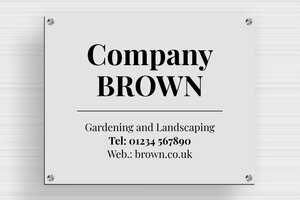
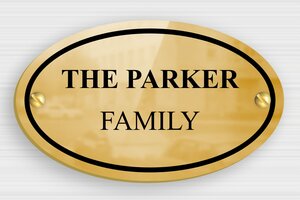
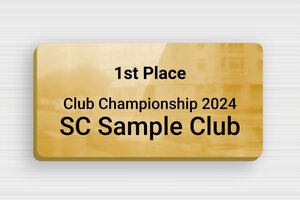
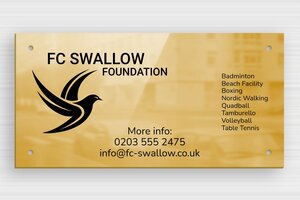
Metal Signs
Your sign in just 2 minutes.
Full editor: 27 materials, 219 colors, 12 mounting options
Marking: laser engraving, mechanical or printed
starting at £9.90

Your sign in just 2 minutes.
Full editor: 27 materials, 219 colors, 12 mounting options
Marking: laser engraving, mechanical or printed


Planning permission requirements for metal signs in the UK vary between local authorities, but generally distinguish between different sign types and locations. Business signs within certain size limits often fall under permitted development rights, while larger or illuminated signs may require advertising consent.
Key considerations include:
Conservation areas and listed buildings may have additional restrictions on signage materials, colours, and styles. Metal signs' traditional appearance often makes them more acceptable in these sensitive locations compared to modern plastic alternatives. We recommend checking with your local planning authority before installation to ensure compliance with all relevant regulations.
Selecting the right metal for your sign depends on your specific requirements, environment, and aesthetic preferences. Each material offers distinct advantages:
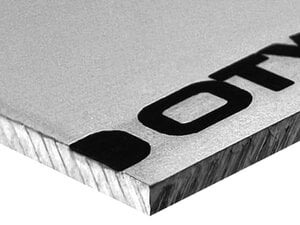
Aluminium is the most popular choice due to its lightweight nature, excellent corrosion resistance, and cost-effectiveness. It accepts various finishes beautifully and is ideal for outdoor applications where longevity is paramount.
Stainless steel represents the premium tier, offering unparalleled durability and contemporary aesthetics. Grade 304 suits most applications, while Grade 316 provides enhanced corrosion resistance for coastal environments where salt air poses additional challenges.
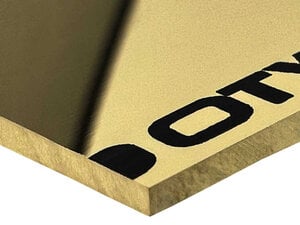
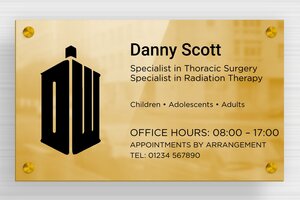
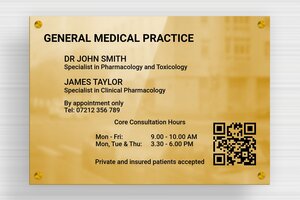
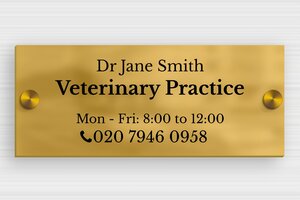
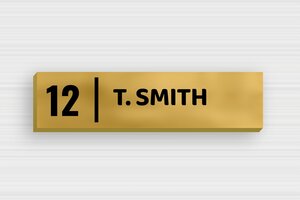
Brass brings traditional elegance, particularly suited to heritage buildings and professional practices where a warm, prestigious appearance is desired. While requiring more maintenance, brass develops a beautiful patina over time or can be lacquered to maintain its original golden appearance.
Consider your environment, maintenance preferences, and desired aesthetic when making your selection.
Yes, metal signs are highly recyclable and represent an environmentally responsible signage choice. All common metals used in signage - aluminium, stainless steel, and brass - can be recycled indefinitely without losing their material properties.
Recycling benefits include:
Before recycling, remove any non-metal components such as mounting hardware or adhesive elements. Most local recycling centres accept metal signs, and scrap metal dealers often provide collection services for larger quantities. The long lifespan of quality metal signs means they provide decades of service before requiring disposal, maximising their environmental value.
Both laser cutting and water jet cutting are precision manufacturing processes used in metal sign production, each offering distinct advantages:
Laser cutting represents the gold standard for most metal sign applications. This computer-controlled process creates clean, sealed edges that resist corrosion while enabling intricate designs and perfect repeatability. The heat-affected zone is minimal, preserving the metal's structural properties and finish quality.
Water jet cutting provides an alternative for thicker materials or applications where heat input must be minimised. This process uses high-pressure water mixed with abrasive particles to cut through metal without affecting its properties, making it ideal for stainless steel applications where maintaining corrosion resistance is critical.
Key differences:
The choice depends on material thickness, design complexity, and specific application requirements.
Galvanic corrosion occurs when dissimilar metals come into contact in the presence of moisture, creating an electrochemical reaction. Preventing this is crucial for maintaining the longevity and appearance of metal signs.
Prevention strategies include:
Stainless steel fixings are essential for maintaining the longevity of metal signs, as inferior fasteners can cause galvanic corrosion or staining. The choice between visible and concealed fixing systems affects both appearance and maintenance requirements. Standoff fixings create an attractive shadow effect while allowing air circulation behind the sign, reducing moisture accumulation that could contribute to corrosion.
Professional installation often includes galvanic compatibility assessment to ensure optimal long-term performance.
While there isn't a single comprehensive British Standard specifically for metal signs, several relevant standards and regulations apply depending on the sign's application and location:
Safety and Regulatory Signs:
Construction and Installation:
Material Standards:
Professional installation ensures compliance with relevant building regulations, particularly regarding wind loading calculations and structural adequacy. Quality metal signs from reputable manufacturers typically meet or exceed applicable standards, ensuring both safety and longevity.
Both powder coating and anodising provide excellent protection for metal signs, but offer different characteristics and lifespans:
Powder Coating:
Anodising:
The choice between finishes depends on aesthetic requirements, environmental conditions, and maintenance preferences. Anodising offers superior longevity and weather resistance, while powder coating provides greater design flexibility and colour options. Both finishes significantly extend the lifespan of metal signs compared to unprotected surfaces.
Calculating fixing density for larger metal signs requires consideration of UK wind loading standards and local environmental conditions. This ensures safe installation that complies with building regulations.
Key factors to consider:
General guidelines:
For substantial signs or challenging locations, professional structural calculations are advisable. These consider local wind loading data, substrate conditions, and safety factors to determine optimal fixing patterns. Building control approval may be required for larger installations, ensuring compliance with structural safety requirements.
Professional installation services typically include wind load assessment and appropriate fixing specification as part of their service.
Metal signs represent the pinnacle of professional signage solutions, combining exceptional durability with sophisticated aesthetics that stand the test of time. Whether you're a business owner seeking to enhance your brand presence or a homeowner looking for elegant property identification, metal signs offer unmatched versatility and longevity that plastic or wooden alternatives simply cannot match. In the UK's challenging weather conditions, from driving rain to intense UV exposure, metal signage maintains its pristine appearance year after year, making it the intelligent choice for discerning customers who value quality and reliability.
The growing popularity of metal signage across Britain reflects a broader appreciation for materials that deliver both form and function. From bustling high streets in Manchester to coastal properties in Cornwall, metal signs provide the professional credibility and weather resistance that modern businesses and homeowners demand. With advanced manufacturing techniques and an extensive range of customisation options, today's metal signs can be tailored to reflect any brand identity or personal style while maintaining the robust construction that ensures decades of service.
Metal signs distinguish themselves from other signage materials through their exceptional combination of durability, professional appearance, and design flexibility. Unlike plastic signs that fade and crack, or wooden signs that warp and rot, metal signage maintains structural integrity and visual appeal regardless of environmental conditions. This resilience stems from the inherent properties of metals like aluminium, stainless steel, and brass, each offering unique characteristics suited to different applications and aesthetic preferences.
The manufacturing process for quality metal signs involves precision cutting, professional finishing, and careful attention to mounting systems that ensure secure installation. Modern laser cutting technology enables intricate designs and clean edges that would be impossible to achieve with traditional materials, while powder coating and anodising processes provide colour stability and corrosion resistance that extends the sign's lifespan significantly.
Aluminium stands as the most popular choice for metal signs due to its lightweight nature, excellent corrosion resistance, and cost-effectiveness. This versatile material accepts various finishes beautifully, from brushed textures that provide subtle sophistication to powder-coated surfaces available in virtually any colour. Aluminium's natural oxide layer provides inherent weather protection, making it ideal for outdoor applications where longevity is paramount.
Stainless steel represents the premium tier of metal signage, offering unparalleled durability and a distinctive contemporary aesthetic. Grade 304 stainless steel suits most applications, while Grade 316 provides enhanced corrosion resistance for coastal environments where salt air poses additional challenges. The material's ability to maintain its lustre with minimal maintenance makes it particularly attractive for high-end commercial installations and architectural applications.
Brass brings traditional elegance to metal signage, particularly suited to heritage buildings, professional practices, and applications where a warm, prestigious appearance is desired. While requiring more maintenance than aluminium or stainless steel, brass develops a beautiful patina over time that many find aesthetically appealing, or can be lacquered to maintain its original golden appearance.
Modern metal sign production offers virtually unlimited customisation options, from simple text layouts to complex logos and decorative elements. Digital printing technology enables full-colour graphics to be applied to metal surfaces, while laser engraving creates permanent markings that won't fade or wear away. The combination of these techniques allows for sophisticated designs that incorporate both photographic elements and precise text or line work.
Shape customisation extends far beyond traditional rectangular formats. Laser cutting enables curved edges, decorative borders, and even complex cut-out designs that create striking visual effects. This flexibility allows metal signs to complement architectural features and brand identities in ways that standard signage simply cannot achieve.
The versatility of metal signs makes them suitable for an extraordinarily wide range of applications, from intimate residential settings to large-scale commercial installations. Understanding these applications helps in selecting the most appropriate material, size, and design approach for specific requirements.
Retail environments benefit enormously from metal signage's professional appearance and durability. Shop front signs crafted from powder-coated aluminium or brushed stainless steel convey quality and permanence that builds customer confidence. The material's resistance to vandalism and weather damage makes it particularly valuable in high-traffic urban locations where other materials might quickly deteriorate.
Office buildings and corporate environments utilise metal signs for everything from building identification to internal wayfinding systems. The clean, modern aesthetic of metal signage aligns perfectly with contemporary architectural styles, while the material's longevity ensures consistent brand presentation over many years. Directory boards, floor identification signs, and departmental markers all benefit from metal's professional appearance and easy maintenance requirements.
Industrial and warehouse facilities require signage that can withstand harsh conditions while maintaining legibility and compliance with safety regulations. Metal signs excel in these environments, resisting chemical exposure, extreme temperatures, and physical impact that would quickly damage alternative materials. Safety signage, in particular, benefits from metal's durability and the permanent nature of engraved or etched markings.
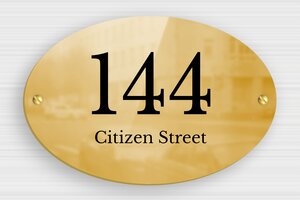
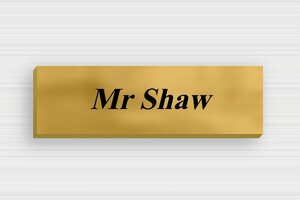
Homeowners increasingly choose metal signs for property identification, appreciating both the aesthetic appeal and practical benefits. House number plates and name signs crafted from quality metals provide elegant identification that enhances property values while requiring minimal maintenance. The ability to customise fonts, sizes, and finishes ensures perfect integration with any architectural style.
Garden and landscape applications showcase metal signage's versatility in outdoor environments. From decorative garden markers to functional gate signs, metal's weather resistance ensures years of attractive service. The material's ability to develop natural patinas or maintain pristine finishes through protective coatings offers options for both contemporary and traditional landscape designs.
Understanding the manufacturing processes behind quality metal signs helps in appreciating the value and selecting appropriate options for specific needs. Modern production techniques combine traditional metalworking skills with advanced technology to create signage that meets the highest standards of durability and appearance.
Laser cutting represents the gold standard for metal sign production, offering precision that traditional cutting methods cannot match. This computer-controlled process creates clean, sealed edges that resist corrosion while enabling intricate designs and perfect repeatability. The heat-affected zone is minimal, preserving the metal's structural properties and finish quality.
Water jet cutting provides an alternative for thicker materials or applications where heat input must be minimised. This process uses high-pressure water mixed with abrasive particles to cut through metal without affecting its properties, making it ideal for stainless steel applications where maintaining corrosion resistance is critical.
Powder coating stands as the most popular finishing method for metal signs, providing excellent durability and colour retention. The electrostatic application process ensures even coverage, while the high-temperature curing creates a tough, chip-resistant surface that maintains its appearance for decades. The wide range of available colours and textures makes powder coating suitable for virtually any design requirement.
Anodising offers another approach to surface protection, particularly for aluminium signs. This electrochemical process creates a controlled oxide layer that provides excellent corrosion resistance while accepting dyes for colour options. Anodised finishes are extremely durable and maintain their appearance even under severe weather conditions.
Proper installation is crucial for maximising the lifespan and appearance of metal signs. The choice of mounting system depends on factors including sign size, location, local wind loads, and aesthetic preferences. Understanding these considerations ensures optimal performance and compliance with relevant regulations.
Stainless steel fixings are essential for maintaining the longevity of metal signs, as inferior fasteners can cause galvanic corrosion or staining. The choice between visible and concealed fixing systems affects both appearance and maintenance requirements. Standoff fixings create an attractive shadow effect while allowing air circulation behind the sign, reducing moisture accumulation.
For larger installations, structural considerations become paramount. Wind loading calculations determine the required fixing density and substrate strength, ensuring safe installation that complies with building regulations. Professional installation is often advisable for substantial signs or challenging locations.
UK planning regulations regarding signage vary between local authorities, but generally distinguish between different sign types and locations. Business signs within certain size limits often fall under permitted development rights, while larger or illuminated signs may require advertising consent. Understanding these requirements before installation prevents costly compliance issues.
Conservation areas and listed buildings may have additional restrictions on signage materials, colours, and styles. Metal signs' traditional appearance often makes them more acceptable in these sensitive locations compared to modern plastic alternatives.
One of the primary advantages of metal signs lies in their minimal maintenance requirements and exceptional longevity. Proper care ensures decades of attractive service while protecting the investment in quality signage.
Regular cleaning with mild detergent and water maintains the appearance of most metal signs. Stainless steel benefits from specialised cleaners that enhance its lustre, while powder-coated surfaces require only gentle cleaning to maintain their appearance. The frequency of cleaning depends on environmental conditions, with urban and coastal locations requiring more attention due to pollution and salt exposure.
Inspection of mounting hardware should form part of routine maintenance, ensuring that fixings remain secure and show no signs of corrosion. Early identification of potential issues prevents more serious problems and maintains the sign's professional appearance.
Quality metal signs routinely provide 20-30 years of service, with many installations lasting significantly longer. Stainless steel signs in appropriate grades can last 50 years or more, making them extremely cost-effective despite higher initial costs. The material's resistance to UV degradation, temperature cycling, and chemical exposure ensures consistent performance throughout its service life.
Environmental factors affect longevity, with coastal locations and industrial areas presenting greater challenges. However, appropriate material selection and finishing can address these conditions, ensuring reliable performance even in demanding environments.
While metal signs typically require higher initial investment than plastic alternatives, their superior longevity and minimal maintenance requirements provide excellent long-term value. Understanding the total cost of ownership helps in making informed decisions about signage investments.
The cost differential between metal and alternative materials narrows significantly when considering replacement cycles and maintenance costs. A quality metal sign lasting 25 years compares favourably with multiple replacements of less durable materials, particularly when factoring in installation costs and business disruption.
Professional appearance and brand image benefits are difficult to quantify but contribute significantly to the value proposition. Metal signage conveys quality and permanence that enhances business credibility and property values.
Otypo's commitment to European quality manufacturing ensures that every metal sign meets the highest standards of durability and appearance. With over 60 years of experience in the signage industry, the company combines traditional craftsmanship with modern technology to create signs that exceed expectations for longevity and visual impact. The intuitive online design system makes customisation simple and enjoyable, while rapid production and delivery ensure that your new signage arrives quickly and ready for installation.
Whether you're seeking elegant brass plaques for a professional practice, robust aluminium signs for outdoor business identification, or sophisticated stainless steel markers for architectural applications, metal signs provide the perfect combination of durability, aesthetics, and value. The investment in quality metal signage pays dividends through decades of reliable service, minimal maintenance requirements, and the professional image that only premium materials can provide. Consider the long-term benefits of metal signage for your next project and experience the difference that quality materials and expert craftsmanship can make.
 Custom quotes available for bulk or special requests
'%3e%3cpath%20d='M20.5563%202.67834H1.42533C0.639422%202.67834%200%203.31772%200%204.10363V15.5822C0%2016.3682%200.639422%2017.0076%201.42533%2017.0076H15.3578C15.6167%2017.0076%2015.8265%2016.7977%2015.8265%2016.5388C15.8265%2016.2799%2015.6167%2016.0701%2015.3578%2016.0701H1.42533C1.15636%2016.0701%200.9375%2015.8512%200.9375%2015.5822V8.87691H21.0442V11.2778C21.0442%2011.5367%2021.254%2011.7465%2021.5129%2011.7465C21.7718%2011.7465%2021.9817%2011.5367%2021.9817%2011.2778V4.10363C21.9817%203.31772%2021.3423%202.67834%2020.5563%202.67834ZM1.42533%203.61584H20.5563C20.8253%203.61584%2021.0442%203.83466%2021.0442%204.10363V5.54799H0.9375V4.10363C0.9375%203.83466%201.15631%203.61584%201.42533%203.61584ZM0.9375%207.93941V6.48549H21.0442V7.93941H0.9375Z'%20fill='%230C4D5A'/%3e%3cpath%20d='M20.5563%202.67834H1.42533C0.639422%202.67834%200%203.31772%200%204.10363V15.5822C0%2016.3682%200.639422%2017.0076%201.42533%2017.0076H15.3578C15.6167%2017.0076%2015.8265%2016.7977%2015.8265%2016.5388C15.8265%2016.2799%2015.6167%2016.0701%2015.3578%2016.0701H1.42533C1.15636%2016.0701%200.9375%2015.8512%200.9375%2015.5822V8.87691H21.0442V11.2778C21.0442%2011.5367%2021.254%2011.7465%2021.5129%2011.7465C21.7718%2011.7465%2021.9817%2011.5367%2021.9817%2011.2778V4.10363C21.9817%203.31772%2021.3423%202.67834%2020.5563%202.67834ZM1.42533%203.61584H20.5563C20.8253%203.61584%2021.0442%203.83466%2021.0442%204.10363V5.54799H0.9375V4.10363C0.9375%203.83466%201.15631%203.61584%201.42533%203.61584ZM0.9375%207.93941V6.48549H21.0442V7.93941H0.9375Z'%20fill='black'%20fill-opacity='0.5'/%3e%3cpath%20d='M6.92061%2013.6835H2.61612C1.9962%2013.7059%201.99409%2014.5977%202.61612%2014.621H6.92061C7.54054%2014.5986%207.54265%2013.7067%206.92061%2013.6835Z'%20fill='%230C4D5A'/%3e%3cpath%20d='M6.92061%2013.6835H2.61612C1.9962%2013.7059%201.99409%2014.5977%202.61612%2014.621H6.92061C7.54054%2014.5986%207.54265%2013.7067%206.92061%2013.6835Z'%20fill='black'%20fill-opacity='0.5'/%3e%3cpath%20d='M6.92061%2011.7704H2.61612C1.9962%2011.7928%201.99409%2012.6846%202.61612%2012.7079H6.92061C7.54054%2012.6855%207.54265%2011.7936%206.92061%2011.7704Z'%20fill='%230C4D5A'/%3e%3cpath%20d='M6.92061%2011.7704H2.61612C1.9962%2011.7928%201.99409%2012.6846%202.61612%2012.7079H6.92061C7.54054%2012.6855%207.54265%2011.7936%206.92061%2011.7704Z'%20fill='black'%20fill-opacity='0.5'/%3e%3cpath%20fill-rule='evenodd'%20clip-rule='evenodd'%20d='M16.9424%2010.7995L14.5898%2013.152C14.5898%2016.752%2015.1919%2020.2222%2019.2948%2021.3216C23.3978%2020.2222%2023.9998%2016.752%2023.9998%2013.152L21.6473%2010.7995H16.9424Z'%20fill='%23FDF300'/%3e%3cpath%20d='M19.2949%2019.7875C16.7214%2019.0081%2016.1647%2016.8451%2016.0451%2013.9479C16.0413%2013.8187%2016.0909%2013.6937%2016.1822%2013.6023L17.4034%2012.3812C17.4913%2012.2933%2017.6105%2012.2439%2017.7348%2012.2439H20.8549C20.9792%2012.2439%2021.0985%2012.2933%2021.1864%2012.3812L22.4075%2013.6023C22.4989%2013.6937%2022.5485%2013.8187%2022.5446%2013.9478C22.4255%2016.8443%2021.8681%2019.0084%2019.2949%2019.7875ZM16.9894%2014.121C17.1385%2016.4295%2017.4228%2018.0275%2019.2949%2018.8167C21.1665%2018.0277%2021.4513%2016.4301%2021.6004%2014.121L20.6608%2013.1814H17.929L16.9894%2014.121Z'%20fill='%230C4D5A'/%3e%3cpath%20d='M19.2949%2019.7875C16.7214%2019.0081%2016.1647%2016.8451%2016.0451%2013.9479C16.0413%2013.8187%2016.0909%2013.6937%2016.1822%2013.6023L17.4034%2012.3812C17.4913%2012.2933%2017.6105%2012.2439%2017.7348%2012.2439H20.8549C20.9792%2012.2439%2021.0985%2012.2933%2021.1864%2012.3812L22.4075%2013.6023C22.4989%2013.6937%2022.5485%2013.8187%2022.5446%2013.9478C22.4255%2016.8443%2021.8681%2019.0084%2019.2949%2019.7875ZM16.9894%2014.121C17.1385%2016.4295%2017.4228%2018.0275%2019.2949%2018.8167C21.1665%2018.0277%2021.4513%2016.4301%2021.6004%2014.121L20.6608%2013.1814H17.929L16.9894%2014.121Z'%20fill='black'%20fill-opacity='0.5'/%3e%3c/g%3e%3cdefs%3e%3cclipPath%20id='clip0'%3e%3crect%20width='24'%20height='24'%20fill='white'/%3e%3c/clipPath%3e%3c/defs%3e%3c/svg%3e) Secure payment via card or PayPal
Secure payment via card or PayPal Free delivery from £60
 Up to 20% off with volume discounts!
 Create your own product easily with our online editorCustom quotes available for bulk or special requestsSecure payment via card or PayPalFree delivery from £60Up to 20% off with volume discounts!Create your own product easily with our online editor