Brass Signs
Your sign in just 2 minutes.
Full editor: 27 materials, 219 colors, 12 mounting options
Marking: laser engraving, mechanical or printed
starting at £15.40

Your sign in just 2 minutes.
Full editor: 27 materials, 219 colors, 12 mounting options
Marking: laser engraving, mechanical or printed
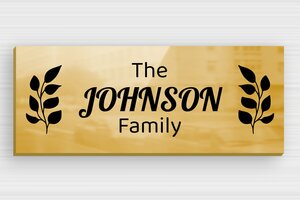

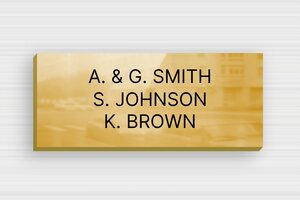
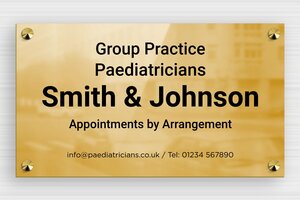
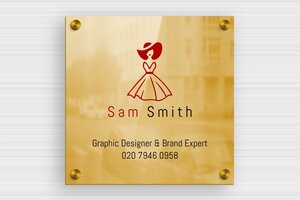
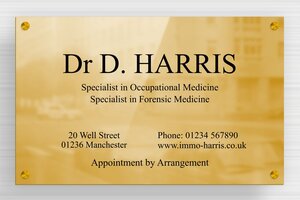
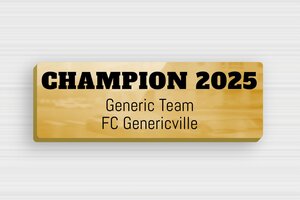

Brass signs offer exceptional advantages that make them the premium choice for professional signage. The material combines timeless elegance with outstanding durability, creating lasting impressions in any setting.
Key advantages include:
These properties make brass particularly valuable for applications requiring fine text, intricate logos, or complex design elements while ensuring decades of reliable service.
Proper maintenance of brass signs ensures they retain their beautiful appearance and continue to project quality for decades. The key is understanding appropriate cleaning methods and protective treatments.
Regular cleaning procedures:
Protective treatments:
Natural patina management:
With appropriate care, quality brass signs provide decades of service while becoming more distinguished over time.
Yes, brass signs are exceptionally well-suited for outdoor use in UK weather conditions. The material's inherent properties make it ideally adapted to Britain's variable climate, from coastal winds to urban environments.
Weather resistance properties:
Specific UK climate advantages:
Long-term performance:
This reliability makes brass the preferred choice for outdoor applications where both durability and professional appearance are essential.
Absolutely! Modern brass sign production offers unprecedented flexibility in customisation, combining traditional craftsmanship with contemporary manufacturing techniques to meet your specific requirements.
Size options:
Shape variations:
Engraving and surface treatment options:
Design flexibility:
This comprehensive customisation capability ensures your brass sign perfectly meets both functional requirements and aesthetic preferences.
Brass signs are available in several finish options, each offering distinct aesthetic and practical advantages. Choosing the right finish depends on your specific application, maintenance preferences, and desired appearance.
Polished finish:
Brushed finish:
Antiqued finish:
Selection guidance:
Each finish can be combined with protective treatments to optimise performance for your specific environment and usage requirements.
Brass signs represent the pinnacle of professional signage, combining timeless elegance with exceptional durability to create lasting impressions in any setting. Whether adorning the entrance of a prestigious law firm, marking a cherished memorial, or displaying house numbers with distinction, brass signs offer an unmatched blend of sophistication and practicality that has made them the preferred choice for discerning customers across the UK. With their warm golden lustre and ability to develop a beautiful patina over time, these signs don't merely convey information—they make statements about quality, heritage, and attention to detail.
The appeal of brass signage extends far beyond mere aesthetics. This remarkable copper-zinc alloy possesses natural antimicrobial properties and exceptional corrosion resistance, making it ideally suited to the UK's variable climate conditions. From the bustling streets of London to the coastal winds of Cornwall, brass signs maintain their integrity and visual appeal year after year, requiring minimal maintenance whilst continuing to project an air of professional excellence that other materials simply cannot match.
The enduring popularity of brass in signage applications stems from a unique combination of material properties that make it exceptionally well-suited to British environments and aesthetic preferences. Unlike cheaper alternatives that may fade, crack, or deteriorate within a few years, brass develops character over time, with its natural patina process creating an increasingly distinguished appearance that speaks to heritage and permanence.
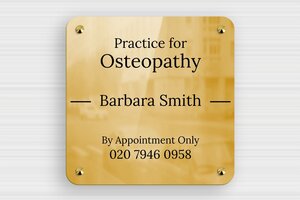
The material's inherent strength allows for precise engraving and detailed customisation without compromising structural integrity. This makes brass particularly valuable for applications requiring fine text, intricate logos, or complex design elements. Professional practices such as solicitors' offices, medical centres, and architectural firms have long recognised that brass signage communicates competence and reliability—qualities that are essential when establishing trust with clients and visitors.
Brass's composition of copper and zinc creates a metal that is naturally resistant to the elements whilst remaining workable enough for detailed craftsmanship. The antimicrobial properties inherent in copper-based alloys make brass signs particularly suitable for high-touch applications, such as door nameplates and directional signage in public buildings. This natural hygiene benefit has become increasingly valued in post-pandemic environments where cleanliness and safety are paramount concerns.
The thermal stability of brass ensures that signs maintain their dimensional accuracy across the UK's temperature variations, from summer heat to winter frost. This reliability is crucial for applications where precise alignment and professional appearance must be maintained regardless of seasonal changes. The material's resistance to UV degradation also means that brass signs retain their colour consistency, avoiding the fading that commonly affects painted or printed alternatives.
Brass possesses an inherent warmth that complements traditional British architecture beautifully. Whether installed on Georgian townhouses, Victorian commercial buildings, or contemporary office developments, brass signs integrate seamlessly with existing design elements. The material's ability to reflect light creates visual interest without being ostentatious, striking the perfect balance between visibility and sophistication that British design sensibilities demand.
The patina development process is particularly valued in heritage contexts, where signs are expected to age gracefully alongside the buildings they adorn. This natural evolution means that brass signs become more distinguished over time, rather than showing wear in the manner of synthetic materials. For listed buildings and conservation areas, brass often represents the ideal solution for meeting both aesthetic requirements and planning constraints.
The versatility of brass signs makes them suitable for an remarkably wide range of applications, from intimate residential settings to large-scale commercial installations. Understanding the specific requirements of different contexts helps ensure that each sign delivers maximum impact whilst meeting practical needs for durability, visibility, and maintenance.
In professional settings, brass signs serve multiple functions beyond simple identification. They establish credibility, communicate attention to detail, and create memorable first impressions that can influence client perceptions and business outcomes. Law firms particularly favour brass door plaques and directory signs, as the material's association with tradition and permanence aligns perfectly with the values these practices wish to project.
Medical practices benefit from brass signage's antimicrobial properties, whilst the material's durability ensures that signs maintain their professional appearance despite heavy use. Architectural offices and design consultancies often choose brass signs as a demonstration of their commitment to quality materials and craftsmanship—values that directly relate to their professional expertise.
Corporate environments utilise brass signs for reception areas, directional signage, and department identification. The material's ability to be precisely engraved allows for consistent branding across multiple sign types, creating cohesive visual systems that reinforce corporate identity. Otypo's online customisation tools make it particularly straightforward to maintain brand consistency across large installations whilst accommodating the specific dimensional and mounting requirements of different locations.
The hospitality sector has long recognised brass's ability to convey quality and attention to detail. Boutique hotels, traditional pubs, and fine dining establishments use brass signs to reinforce their positioning and create atmospheric consistency. The material's association with craftsmanship and heritage makes it particularly effective for establishments that trade on tradition and authenticity.
Museums and heritage sites benefit from brass's longevity and weather resistance, particularly for outdoor installations where signs must withstand years of exposure whilst maintaining readability. The material's ability to age gracefully means that signs become part of the site's historical narrative rather than appearing as modern intrusions.
Residential applications of brass signage range from simple house number plates to elaborate entrance signs for country estates. The material's durability makes it particularly suitable for coastal properties, where salt air would quickly degrade lesser materials. Period properties benefit from brass's authentic appearance, whilst contemporary homes can use the material to add warmth and character to modern architectural styles.
Apartment buildings and housing developments often specify brass signs for their combination of durability and prestige appeal. The material's resistance to vandalism and weather damage makes it a practical choice for communal areas, whilst its sophisticated appearance helps maintain property values and resident satisfaction.
Modern brass sign production combines traditional craftsmanship with contemporary manufacturing techniques, offering unprecedented flexibility in design, sizing, and finishing options. This versatility allows for solutions that meet specific functional requirements whilst maintaining the aesthetic qualities that make brass signage so appealing.
Brass signs can be manufactured in virtually any size, from compact 40mm x 40mm nameplates suitable for individual offices to impressive 600mm x 300mm display signs for building identification. The material's strength allows for thin profiles that appear elegant whilst maintaining structural integrity, or substantial thicknesses that create dramatic shadow effects and enhanced visual impact.
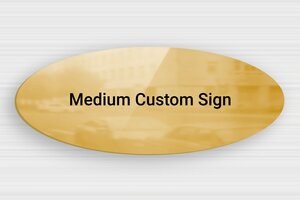
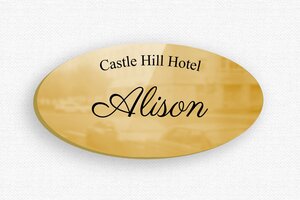
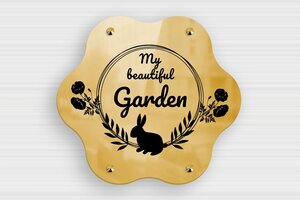
Shape options extend far beyond simple rectangles to include circles, ovals, and completely custom profiles that can incorporate logos, architectural elements, or decorative borders. Advanced cutting techniques allow for intricate internal cutouts and complex geometries that would be impossible with traditional manufacturing methods. This flexibility enables designers to create truly unique solutions that perfectly complement their architectural contexts.
The choice between engraving and etching techniques depends on the desired aesthetic effect and practical requirements. Mechanical engraving creates crisp, deep lines that cast subtle shadows and provide excellent readability from various angles. This technique is particularly effective for text-heavy applications where clarity is paramount, such as directory signs and professional nameplates.
Chemical etching produces finer detail and allows for more complex graphic elements, including company logos and decorative motifs. The process can create varying depths within a single sign, enabling sophisticated visual effects that enhance brand recognition and aesthetic appeal. Digital printing techniques can be combined with traditional methods to achieve full-colour graphics whilst maintaining the durability advantages of brass substrates.
Surface finishes dramatically affect both the appearance and maintenance requirements of brass signs. Polished finishes create maximum visual impact and light reflection, making them ideal for indoor applications where regular cleaning is feasible. The mirror-like surface quality of polished brass makes text and graphics appear to float above the surface, creating an premium appearance that commands attention.
Brushed finishes offer a more subtle appearance whilst reducing the visibility of fingerprints and minor scratches. This makes them particularly suitable for high-touch applications such as door plates and directional signs. The linear texture of brushed brass complements contemporary architectural styles whilst maintaining the material's inherent warmth and sophistication.
Antiqued finishes provide an aged appearance from installation, eliminating the wait for natural patina development whilst ensuring consistent colouration across multiple signs. This option is particularly valuable for heritage applications where immediate visual integration with existing elements is required.
Understanding the maintenance requirements and longevity characteristics of brass signs enables informed decision-making about finishes, treatments, and ongoing care procedures. Proper maintenance not only preserves appearance but also protects the investment value of quality signage installations.
The natural patina that develops on brass surfaces is often considered desirable, particularly in heritage and traditional contexts where aged appearance contributes to authenticity. This oxidation process occurs gradually and can be controlled through various treatments and maintenance procedures. For applications where consistent appearance is required, protective coatings can prevent patina development whilst maintaining the underlying brass's natural beauty.
Coastal environments accelerate patina development due to salt air exposure, which may be welcomed in some contexts but controlled in others. Understanding local environmental conditions helps determine appropriate protective measures and maintenance schedules. Regular cleaning with appropriate products can slow patina development whilst preserving the brass's natural lustre.
Effective brass maintenance requires understanding which cleaning products and techniques preserve the material's appearance without causing damage. Gentle cleaning solutions and soft cloths are essential for maintaining polished finishes, whilst brushed surfaces can tolerate slightly more aggressive cleaning methods. Avoiding ammonia-based cleaners prevents chemical damage that could permanently affect the brass's appearance.
Protective waxes and lacquers can significantly extend the intervals between maintenance procedures, particularly for outdoor installations. These treatments create barriers against environmental contaminants whilst allowing the brass's natural beauty to show through. Professional application of protective coatings ensures even coverage and maximum effectiveness.
Quality brass signs can provide decades of service with appropriate maintenance, making them exceptionally cost-effective despite higher initial investment costs. The material's inherent durability means that well-maintained brass signs often outlast the buildings they adorn, providing continuity through renovations and ownership changes.
Performance in extreme weather conditions demonstrates brass's suitability for challenging UK environments. From the windswept Scottish Highlands to the humid conditions of southern England, properly specified brass signs maintain their structural integrity and readability. This reliability makes brass particularly valuable for applications where sign failure could have serious consequences, such as emergency exits and safety signage.
Evaluating brass against alternative materials helps clarify when its unique properties justify the investment and when other options might be more appropriate. Understanding these comparisons enables informed specification decisions that balance aesthetic requirements, functional needs, and budget considerations.
Aluminium offers excellent corrosion resistance and lighter weight than brass, making it suitable for large installations where structural loading is a concern. However, aluminium lacks brass's natural warmth and premium appearance, making it less suitable for applications where prestige and tradition are important factors. The material's tendency to appear clinical or industrial can be problematic in heritage contexts or luxury environments.
Cost considerations often favour aluminium for large-scale installations, but brass's superior longevity and lower maintenance requirements can offset initial price differences over extended periods. The choice between materials frequently depends on whether immediate cost savings or long-term value optimisation is the priority.
Stainless steel provides excellent durability and modern appearance, making it popular for contemporary architectural applications. However, its cool, industrial aesthetic lacks brass's warmth and traditional associations. Stainless steel's tendency to show fingerprints and water spots can increase maintenance requirements in high-touch applications.
The material's strength advantages are rarely significant in signage applications, where brass provides more than adequate structural performance. Stainless steel's resistance to staining can be advantageous in industrial environments, but brass's antimicrobial properties often provide superior hygiene benefits in public applications.
Listed buildings and conservation areas often have specific requirements for materials and finishes that favour traditional options like brass. Planning authorities frequently prefer materials that age gracefully and complement existing architectural elements, making brass an obvious choice for heritage contexts.
The ability to specify brass signs that will develop appropriate patina over time ensures visual integration with existing building elements. This long-term aesthetic compatibility is difficult to achieve with synthetic materials or modern metal finishes that may appear incongruous as they age.
Creating effective brass signage requires understanding how the material's properties interact with typography, layout, and environmental factors. Successful designs leverage brass's strengths whilst avoiding common pitfalls that can compromise readability or aesthetic appeal.
Font selection for brass signs must consider both the engraving process and viewing conditions. Sans-serif typefaces generally provide superior readability, particularly for outdoor applications where viewing distances and lighting conditions vary. The depth achieved through engraving can enhance letter definition, but overly complex fonts may lose clarity when reduced to practical sizes.
Letter spacing becomes critical in brass applications, where shadows cast by engraved characters can affect readability. Generous spacing prevents letters from visually merging whilst maintaining overall design cohesion. The relationship between letter size and viewing distance requires careful consideration to ensure adequate legibility across all intended viewing positions.
Effective brass sign layouts establish clear information hierarchies that guide viewers through content logically. Primary information such as company names or building numbers should dominate the design, with secondary details like contact information or descriptions appearing in appropriately scaled supporting roles.
White space management becomes particularly important in brass applications, where the material's inherent visual weight can make designs appear heavy if not properly balanced. Strategic use of negative space creates breathing room that enhances readability whilst allowing the brass's natural beauty to contribute to the overall aesthetic.
Successful brass signs complement their architectural contexts rather than competing with them. Understanding the building's proportional systems, material palette, and stylistic characteristics enables sign designs that appear integral to the overall composition. This integration is particularly important for heritage buildings, where inappropriate signage can compromise historical authenticity.
Mounting systems should be selected to complement both the sign design and the architectural context. Traditional mounting methods may be appropriate for period buildings, whilst contemporary installations might benefit from more minimal fixing systems that allow the brass to appear to float against its background.
Otypo's expertise in custom signage production, combined with over 60 years of industry experience, ensures that every brass sign meets the exacting standards that UK customers expect. The company's commitment to European quality manufacturing processes guarantees consistent results that maintain their appearance and functionality across decades of service.
The online customisation platform makes it straightforward to visualise designs and specify exact requirements, eliminating uncertainty about final appearance whilst ensuring that all technical requirements are properly addressed. This digital approach streamlines the ordering process without compromising the personal service that complex signage projects often require.
Rapid production capabilities mean that even custom brass signs can be delivered within 24-48 hours of order confirmation, addressing the tight timelines that often characterise commercial projects. This speed doesn't compromise quality, as advanced manufacturing processes ensure consistent results regardless of order urgency. The combination of traditional craftsmanship values with modern production efficiency creates the ideal balance for contemporary signage requirements.
Quality assurance procedures verify that every sign meets specification before dispatch, providing confidence that installations will proceed smoothly and deliver the expected results. This attention to detail reflects the company's understanding that signage often represents customers' first impressions, making reliability and consistency essential characteristics of every product.
When you choose brass signs for your next project, you're investing in a solution that combines timeless aesthetic appeal with practical durability that will serve your needs for decades to come. Whether you require a single nameplate for a professional practice or a comprehensive signage system for a major development, the inherent qualities of brass ensure that your investment will continue to project quality and attention to detail long into the future. The natural evolution of brass through patina development means that your signs will become more distinguished over time, creating a legacy of quality that reflects your commitment to excellence in every detail.
 Custom quotes available for bulk or special requests
'%3e%3cpath%20d='M20.5563%202.67834H1.42533C0.639422%202.67834%200%203.31772%200%204.10363V15.5822C0%2016.3682%200.639422%2017.0076%201.42533%2017.0076H15.3578C15.6167%2017.0076%2015.8265%2016.7977%2015.8265%2016.5388C15.8265%2016.2799%2015.6167%2016.0701%2015.3578%2016.0701H1.42533C1.15636%2016.0701%200.9375%2015.8512%200.9375%2015.5822V8.87691H21.0442V11.2778C21.0442%2011.5367%2021.254%2011.7465%2021.5129%2011.7465C21.7718%2011.7465%2021.9817%2011.5367%2021.9817%2011.2778V4.10363C21.9817%203.31772%2021.3423%202.67834%2020.5563%202.67834ZM1.42533%203.61584H20.5563C20.8253%203.61584%2021.0442%203.83466%2021.0442%204.10363V5.54799H0.9375V4.10363C0.9375%203.83466%201.15631%203.61584%201.42533%203.61584ZM0.9375%207.93941V6.48549H21.0442V7.93941H0.9375Z'%20fill='%230C4D5A'/%3e%3cpath%20d='M20.5563%202.67834H1.42533C0.639422%202.67834%200%203.31772%200%204.10363V15.5822C0%2016.3682%200.639422%2017.0076%201.42533%2017.0076H15.3578C15.6167%2017.0076%2015.8265%2016.7977%2015.8265%2016.5388C15.8265%2016.2799%2015.6167%2016.0701%2015.3578%2016.0701H1.42533C1.15636%2016.0701%200.9375%2015.8512%200.9375%2015.5822V8.87691H21.0442V11.2778C21.0442%2011.5367%2021.254%2011.7465%2021.5129%2011.7465C21.7718%2011.7465%2021.9817%2011.5367%2021.9817%2011.2778V4.10363C21.9817%203.31772%2021.3423%202.67834%2020.5563%202.67834ZM1.42533%203.61584H20.5563C20.8253%203.61584%2021.0442%203.83466%2021.0442%204.10363V5.54799H0.9375V4.10363C0.9375%203.83466%201.15631%203.61584%201.42533%203.61584ZM0.9375%207.93941V6.48549H21.0442V7.93941H0.9375Z'%20fill='black'%20fill-opacity='0.5'/%3e%3cpath%20d='M6.92061%2013.6835H2.61612C1.9962%2013.7059%201.99409%2014.5977%202.61612%2014.621H6.92061C7.54054%2014.5986%207.54265%2013.7067%206.92061%2013.6835Z'%20fill='%230C4D5A'/%3e%3cpath%20d='M6.92061%2013.6835H2.61612C1.9962%2013.7059%201.99409%2014.5977%202.61612%2014.621H6.92061C7.54054%2014.5986%207.54265%2013.7067%206.92061%2013.6835Z'%20fill='black'%20fill-opacity='0.5'/%3e%3cpath%20d='M6.92061%2011.7704H2.61612C1.9962%2011.7928%201.99409%2012.6846%202.61612%2012.7079H6.92061C7.54054%2012.6855%207.54265%2011.7936%206.92061%2011.7704Z'%20fill='%230C4D5A'/%3e%3cpath%20d='M6.92061%2011.7704H2.61612C1.9962%2011.7928%201.99409%2012.6846%202.61612%2012.7079H6.92061C7.54054%2012.6855%207.54265%2011.7936%206.92061%2011.7704Z'%20fill='black'%20fill-opacity='0.5'/%3e%3cpath%20fill-rule='evenodd'%20clip-rule='evenodd'%20d='M16.9424%2010.7995L14.5898%2013.152C14.5898%2016.752%2015.1919%2020.2222%2019.2948%2021.3216C23.3978%2020.2222%2023.9998%2016.752%2023.9998%2013.152L21.6473%2010.7995H16.9424Z'%20fill='%23FDF300'/%3e%3cpath%20d='M19.2949%2019.7875C16.7214%2019.0081%2016.1647%2016.8451%2016.0451%2013.9479C16.0413%2013.8187%2016.0909%2013.6937%2016.1822%2013.6023L17.4034%2012.3812C17.4913%2012.2933%2017.6105%2012.2439%2017.7348%2012.2439H20.8549C20.9792%2012.2439%2021.0985%2012.2933%2021.1864%2012.3812L22.4075%2013.6023C22.4989%2013.6937%2022.5485%2013.8187%2022.5446%2013.9478C22.4255%2016.8443%2021.8681%2019.0084%2019.2949%2019.7875ZM16.9894%2014.121C17.1385%2016.4295%2017.4228%2018.0275%2019.2949%2018.8167C21.1665%2018.0277%2021.4513%2016.4301%2021.6004%2014.121L20.6608%2013.1814H17.929L16.9894%2014.121Z'%20fill='%230C4D5A'/%3e%3cpath%20d='M19.2949%2019.7875C16.7214%2019.0081%2016.1647%2016.8451%2016.0451%2013.9479C16.0413%2013.8187%2016.0909%2013.6937%2016.1822%2013.6023L17.4034%2012.3812C17.4913%2012.2933%2017.6105%2012.2439%2017.7348%2012.2439H20.8549C20.9792%2012.2439%2021.0985%2012.2933%2021.1864%2012.3812L22.4075%2013.6023C22.4989%2013.6937%2022.5485%2013.8187%2022.5446%2013.9478C22.4255%2016.8443%2021.8681%2019.0084%2019.2949%2019.7875ZM16.9894%2014.121C17.1385%2016.4295%2017.4228%2018.0275%2019.2949%2018.8167C21.1665%2018.0277%2021.4513%2016.4301%2021.6004%2014.121L20.6608%2013.1814H17.929L16.9894%2014.121Z'%20fill='black'%20fill-opacity='0.5'/%3e%3c/g%3e%3cdefs%3e%3cclipPath%20id='clip0'%3e%3crect%20width='24'%20height='24'%20fill='white'/%3e%3c/clipPath%3e%3c/defs%3e%3c/svg%3e) Secure payment via card or PayPal
Secure payment via card or PayPal Free delivery from £60
 Up to 20% off with volume discounts!
 Create your own product easily with our online editorCustom quotes available for bulk or special requestsSecure payment via card or PayPalFree delivery from £60Up to 20% off with volume discounts!Create your own product easily with our online editor