Get a quote
express 4h


Your sign in just 2 minutes.
Full editor: 27 materials, 219 colors, 12 mounting options
Marking: laser engraving, mechanical or printed
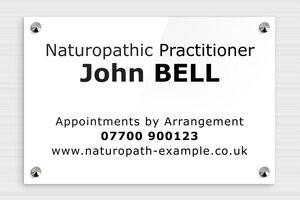
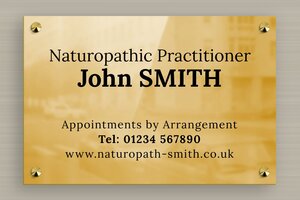
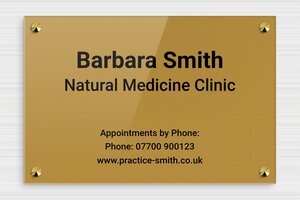
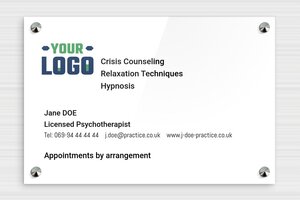

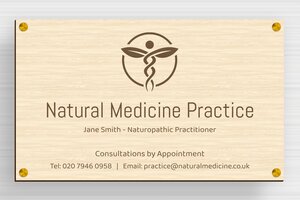
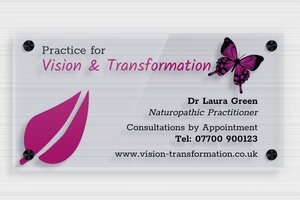
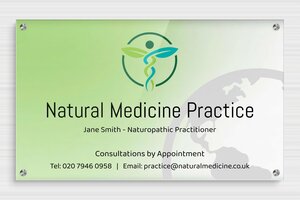
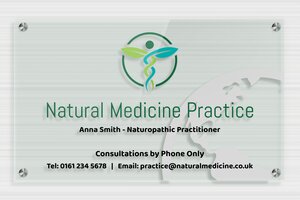

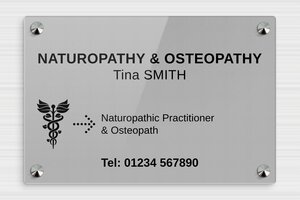

For the UK's variable climate, acrylic signs represent the most versatile and popular choice for naturopathic practices. These lightweight, weather-resistant options provide excellent clarity while withstanding rain, UV radiation, and temperature fluctuations exceptionally well. Acrylic maintains colour vibrancy and structural integrity for years, making it ideal for both indoor and outdoor installations.
Other excellent material options include:
For coastal practices, marine-grade materials with specialised finishes are essential due to salt air corrosion, while urban locations should consider pollution-resistant options.
Yes, displaying your CNHC registration number and professional qualifications on your naturopath sign is highly recommended and adds significant credibility to your practice. In the UK's voluntary regulation framework, visual professionalism becomes particularly crucial for building trust and differentiating qualified practitioners from unregulated wellness providers.
Essential information to include on your sign:
However, you must ensure accuracy and currency of all displayed credentials, as outdated or incorrect information can create legal complications and damage professional reputation. Regular review and updating of signage content ensures continued compliance with evolving professional standards.
Planning permission requirements for naturopath signs vary significantly across UK jurisdictions. Some areas require approval for commercial signage while others permit reasonable professional displays without formal applications.
Key considerations include:
We strongly recommend consulting your local planning authority before ordering signage to avoid compliance issues or installation delays. Early consultation with relevant authorities prevents costly modifications or removal requirements and ensures your professional signage meets all local regulations.
The choice between wall-mounted and self-adhesive installation depends on your specific circumstances, building type, and long-term practice plans.
Wall mounting with screws is ideal for:
Self-adhesive mounting works best for:
High-quality adhesive systems provide secure mounting without permanent building modifications, though you should verify landlord approval and consider potential removal requirements. For owned premises or long-term leases, wall mounting with stainless steel fixings offers superior durability and professional presentation.
Effective naturopath signage must balance comprehensive information with visual clarity to build maximum client trust while maintaining professional presentation.
Essential core information:
Trust-building elements:
Research demonstrates that visual professionalism correlates with perceived competence, treatment satisfaction, and client retention rates. Quality signage communicates permanence and professional commitment that reassures clients about practitioner stability and treatment continuity, which is particularly important in naturopathy where treatment success often depends on strong therapeutic relationships and client trust.
Professional naturopath signs serve as the cornerstone of credible practice presentation in the UK's growing complementary healthcare sector. As naturopathy gains recognition among British consumers seeking holistic wellness solutions, practitioners increasingly understand that quality signage directly impacts client confidence and practice success. Whether establishing a new clinic or refreshing an existing practice, the right professional nameplate communicates expertise, regulatory compliance, and therapeutic authenticity that discerning clients expect from qualified naturopathic practitioners.
The UK naturopathy landscape presents unique considerations for professional signage, particularly given the voluntary regulation framework overseen by bodies like the Complementary and Natural Healthcare Council (CNHC) and professional associations such as the British Naturopathic Association. Unlike statutory healthcare professions, naturopaths must carefully balance professional presentation with advertising standards compliance, making thoughtful signage selection crucial for practice credibility and legal adherence.
Modern naturopath signs extend far beyond simple name displays, incorporating sophisticated customisation options that reflect individual practice philosophies while meeting practical durability requirements. From elegant brass nameplates that convey traditional healing wisdom to contemporary acrylic designs reflecting modern wellness approaches, today's professional signage solutions offer unprecedented personalisation opportunities for UK practitioners seeking to distinguish their therapeutic offerings in an increasingly competitive market.
Professional signage functions as the silent ambassador of naturopathic practice, establishing immediate credibility before clients even cross the threshold. In the UK's voluntary regulation environment, where naturopaths operate without statutory oversight, visual professionalism becomes particularly crucial for building trust and differentiating qualified practitioners from unregulated wellness providers. Quality signage communicates competence, permanence, and professional commitment that reassures clients seeking legitimate therapeutic intervention.
Client psychology research consistently demonstrates that professional presentation significantly influences treatment confidence and therapeutic outcomes. When clients encounter well-designed, clearly displayed practice signage, they experience reduced anxiety and increased confidence in practitioner competence. This psychological foundation proves especially important in naturopathy, where treatment success often depends on strong therapeutic relationships and client trust in natural healing approaches.
Beyond psychological impact, professional signage serves practical functions essential for successful practice operation. Clear identification helps new clients locate appointments confidently, reducing stress and improving punctuality. Comprehensive signage displaying practitioner credentials, professional association memberships, and contact information demonstrates transparency and regulatory compliance that sophisticated UK consumers increasingly expect from healthcare providers.
The competitive landscape of UK complementary healthcare demands strategic differentiation, and professional signage provides cost-effective marketing that works continuously. Unlike digital advertising or promotional materials, quality nameplates and door signs deliver consistent brand messaging for years, representing exceptional return on investment for independent practitioners managing tight budgets while building sustainable practices.
Material selection for naturopath signs requires careful consideration of durability, aesthetic appeal, and symbolic alignment with natural healing principles. Each material option offers distinct advantages suited to different practice environments, client demographics, and philosophical approaches to naturopathic care.
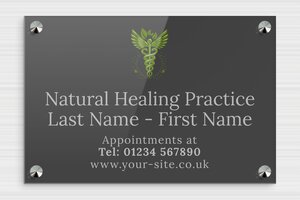
Acrylic signs represent the most versatile and popular choice for modern naturopathic practices. These lightweight, weather-resistant options provide excellent clarity for text and graphics while offering extensive customisation possibilities. Acrylic withstands the UK's variable climate exceptionally well, maintaining colour vibrancy and structural integrity through years of exposure to rain, UV radiation, and temperature fluctuations. The material's smooth surface facilitates easy cleaning with standard disinfectants, making it ideal for healthcare environments where hygiene standards are paramount.
The cost-effectiveness of acrylic makes it particularly attractive for new practitioners establishing their first practices or experienced naturopaths expanding to multiple locations. Despite its affordability, quality acrylic signage projects professionalism and modernity that appeals to contemporary wellness consumers who appreciate clean, uncluttered design aesthetics.
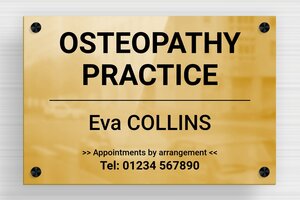
Brass signage embodies traditional professional gravitas that resonates with clients seeking established, time-tested therapeutic approaches. The warm, golden appearance of brass conveys heritage, wisdom, and therapeutic authority that particularly suits naturopaths emphasising traditional healing methods or serving clientele who value classical professional presentation. Brass develops a natural patina over time, creating an authentic aged appearance that many practitioners find aesthetically appealing.
However, brass requires more maintenance than modern alternatives, needing periodic polishing to maintain its lustrous appearance. The material's weight necessitates robust mounting systems, and its higher cost makes it less accessible for budget-conscious practitioners. Nevertheless, for established practices seeking to convey prestige and permanence, brass remains an excellent choice that communicates professional success and therapeutic expertise.
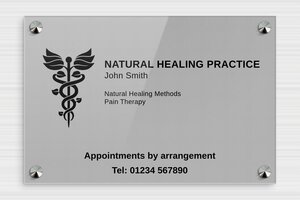
Aluminium signage offers an ideal compromise between durability, appearance, and cost-effectiveness. Modern aluminium signs feature sophisticated finishes including brushed, anodised, and powder-coated options that provide excellent weather resistance while maintaining contemporary aesthetic appeal. The material's lightweight nature simplifies installation while its corrosion resistance ensures longevity in the UK's damp climate.
Aluminium's versatility allows for various design approaches, from minimalist modern styles to more traditional presentations. The material accepts high-quality digital printing and engraving techniques, enabling complex graphics, logos, and detailed text that maintain clarity and legibility over extended periods.
Indoor practice environments offer greater material flexibility since weather resistance becomes less critical. Practitioners operating from wellness centres, shared medical facilities, or converted residential properties can explore premium options like wood, high-grade plastics, or composite materials that might not withstand outdoor exposure but provide unique aesthetic benefits in controlled environments.
Outdoor installations demand robust weather resistance, making acrylic, treated aluminium, or marine-grade materials essential choices. Coastal practices face additional challenges from salt air corrosion, requiring specialised finishes and mounting hardware designed for maritime environments. Urban practices must consider pollution exposure, while rural locations may face challenges from agricultural chemicals or extreme weather conditions.
Practice philosophy should influence material selection, with environmentally conscious practitioners potentially favouring sustainable options like responsibly sourced wood or recycled materials. Traditional naturopaths might prefer natural materials that align with holistic healing principles, while modern practitioners may choose contemporary materials that reflect scientific approaches to natural medicine.
Modern naturopath signage offers extensive customisation possibilities that enable practitioners to create distinctive professional presentations reflecting individual practice personalities and therapeutic approaches. Effective customisation balances professional requirements with personal branding, regulatory compliance with creative expression, and practical functionality with aesthetic appeal.
Text personalisation represents the foundation of effective naturopath signage, requiring careful consideration of information hierarchy and visual impact. Practitioner names should appear prominently, typically in the largest font size, followed by professional credentials and qualifications. UK naturopaths often display certifications from recognised institutions, professional association memberships (such as CNHC registration), and relevant post-nominal letters that communicate educational background and professional standing.
The integration of professional association logos and certification numbers adds credibility while demonstrating regulatory compliance. However, practitioners must ensure accuracy and currency of displayed credentials, as outdated or incorrect information can create legal complications and damage professional reputation. Regular review and updating of signage content ensures continued compliance with evolving professional standards.
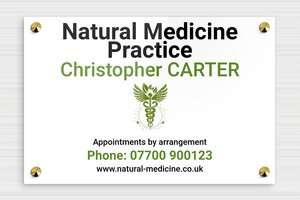
Colour schemes provide powerful opportunities for brand differentiation and psychological impact. Natural colour palettes featuring earth tones, greens, and blues often resonate with naturopathic philosophy while creating calming, therapeutic associations. However, practitioners should ensure sufficient contrast for readability, particularly considering accessibility requirements for visually impaired clients.
Typography selection significantly influences perceived professionalism and readability. Clean, modern fonts typically work well for contemporary practices, while traditional serif fonts may suit practitioners emphasising classical naturopathic approaches. Font size must ensure readability from typical viewing distances, with consideration for elderly clients or those with visual impairments.
Effective naturopath signage must balance comprehensive information with visual clarity, avoiding cluttered presentations that diminish professional impact. Practitioner name and primary credentials form the essential core, typically presented in the most prominent position and largest font size. Professional titles should be accurate and current, reflecting actual qualifications rather than aspirational designations.
Practice name, if different from practitioner name, requires clear presentation that establishes brand identity without overwhelming individual practitioner recognition. Contact information inclusion depends on specific circumstances, with some practitioners preferring minimal signage that directs clients to reception areas or websites for detailed information.
Specialisation indicators can help clients identify relevant services, but practitioners must ensure claims remain within professional scope and regulatory guidelines. Terms like "registered naturopath," "CNHC registered," or specific therapy modalities can provide useful client information while demonstrating professional legitimacy.
Professional installation ensures naturopath signage achieves maximum impact while maintaining safety and regulatory compliance. Installation methods must consider building materials, weather exposure, aesthetic preferences, and practical maintenance requirements throughout the sign's operational life.
Wall mounting with screws and decorative cover caps provides the most secure and professional installation method for permanent locations. This approach works well with brick, stone, or wooden building facades common in UK practice locations. Stainless steel fixings resist corrosion and provide long-term reliability, while colour-matched cover caps create clean, finished appearances that enhance overall professional presentation.
Standoff mounting systems create sophisticated, three-dimensional appearances that project modernity and attention to detail. These systems position signs slightly away from mounting surfaces, creating shadow effects that enhance visibility and visual interest. Standoff mounting works particularly well with contemporary practice designs and modern building facades.
Self-adhesive mounting offers temporary or semi-permanent solutions ideal for rented premises or practitioners uncertain about long-term location commitments. High-quality adhesive systems provide secure mounting without permanent building modifications, though practitioners should verify landlord approval and consider potential removal requirements.
Planning permission requirements vary significantly across UK jurisdictions, with some areas requiring approval for commercial signage while others permit reasonable professional displays without formal applications. Practitioners should consult local planning authorities before installation, particularly for larger signs or those in conservation areas or listed buildings.
The UK's voluntary regulation framework for naturopathy creates unique considerations for professional signage that differ significantly from statutory healthcare professions. While no specific legislation governs naturopath signs, practitioners must navigate general advertising standards, professional association guidelines, and local planning regulations to ensure compliant, effective signage.
Professional associations including the CNHC, British Naturopathic Association, and General Council and Register of Naturopaths provide guidance on professional presentation and advertising standards. These guidelines typically emphasise accuracy, professional dignity, and client welfare while prohibiting misleading claims or inappropriate promotional content.
The Advertising Standards Authority (ASA) and Committee of Advertising Practice (CAP) codes apply to naturopath signage, requiring truthful, substantiated claims that don't mislead consumers about treatment efficacy or professional qualifications. Practitioners must avoid implying medical diagnosis or treatment capabilities beyond their professional scope, while ensuring all displayed credentials remain current and accurate.
Local planning authorities may impose restrictions on commercial signage size, placement, illumination, or design, particularly in conservation areas or residential zones. Some councils require planning permission for professional signs exceeding specific dimensions, while others permit reasonable displays without formal approval. Practitioners should research local requirements before ordering signage to avoid compliance issues or installation delays.
Building regulations may apply to sign installation, particularly for larger displays or those requiring structural modifications. Landlord approval is typically required for rented premises, with some property managers imposing additional restrictions on signage design, size, or installation methods. Early consultation with relevant authorities prevents costly modifications or removal requirements.
Effective naturopath signage design balances professional credibility with approachable aesthetics, creating visual presentations that inspire confidence while reflecting therapeutic philosophy. Successful designs consider viewing distances, lighting conditions, architectural context, and target client demographics to achieve optimal impact and functionality.
Readability represents the fundamental design priority, requiring careful attention to font selection, size relationships, and contrast ratios. Text must remain legible from typical viewing distances under various lighting conditions, considering both daylight and artificial illumination scenarios. Practitioners should test design concepts at actual viewing distances to ensure practical readability rather than relying solely on computer screen evaluations.
Colour psychology plays a significant role in client perception and therapeutic association. Natural colour palettes featuring greens, blues, and earth tones often resonate with naturopathic philosophy while creating calming, healing associations. However, practitioners must ensure sufficient contrast between text and background colours to meet accessibility standards and maintain readability for clients with visual impairments.
Visual hierarchy guides client attention through information in order of importance, typically leading with practitioner name, followed by credentials, practice name, and supplementary information. Effective hierarchy uses size, weight, colour, and positioning to create clear information flow that communicates essential details quickly and efficiently.
Architectural integration ensures signage complements rather than conflicts with building design and surrounding environment. Traditional buildings may benefit from classical design approaches, while contemporary structures can accommodate modern, minimalist presentations. Practitioners should consider neighbourhood character and client expectations when selecting design approaches.
Professional signage presentation directly influences client trust and treatment confidence, making design decisions crucial for practice success. Research demonstrates that visual professionalism correlates with perceived competence, treatment satisfaction, and client retention rates across healthcare disciplines.
Consistency between signage design and overall practice branding reinforces professional identity and creates cohesive client experiences. Practitioners should ensure signage colours, fonts, and design elements align with website design, business cards, and interior décor to create unified brand presentations that communicate attention to detail and professional organisation.
Quality materials and construction communicate permanence and professional commitment that reassure clients about practitioner stability and treatment continuity. Cheap or poorly constructed signage may create negative impressions about practice quality, while premium materials suggest professional success and therapeutic expertise.
Proper installation and ongoing maintenance ensure naturopath signage continues delivering professional impact throughout its operational life. Well-maintained signs reflect positively on practice standards, while neglected signage can create negative impressions that undermine therapeutic credibility.
DIY installation may be suitable for lightweight signs with simple mounting requirements, but practitioners should honestly assess their technical capabilities and available tools. Professional installation ensures optimal results, particularly for complex mounting systems, valuable signage, or challenging installation environments. The modest additional cost often proves worthwhile for achieving perfect positioning and secure mounting.
Regular cleaning maintains professional appearance and extends signage life. Different materials require specific cleaning approaches, with acrylic benefiting from mild soap solutions and soft cloths, while brass may need specialised polishing compounds. Practitioners should establish regular maintenance schedules and keep appropriate cleaning supplies readily available.
Weather protection becomes crucial for outdoor installations, with periodic inspection identifying potential issues before they cause damage. Mounting hardware should be checked for corrosion or loosening, while sign surfaces should be examined for fading, cracking, or other deterioration. Prompt attention to minor issues prevents costly replacements and maintains professional presentation.
Replacement planning should consider signage lifespan and practice evolution. High-quality materials may last decades with proper maintenance, but practice changes, credential updates, or location moves may necessitate earlier replacement. Practitioners should budget for periodic signage updates as part of ongoing practice development.
Professional naturopath signs represent essential investments in practice credibility and client confidence that deliver lasting value through years of service. The combination of quality materials, thoughtful design, and proper installation creates powerful professional presentations that communicate therapeutic expertise while reflecting individual practice personalities. Whether choosing elegant brass nameplates that convey traditional healing wisdom or contemporary acrylic designs reflecting modern wellness approaches, practitioners benefit from partnering with experienced signage specialists who understand the unique requirements of UK naturopathic practice. Otypo's expertise in professional healthcare signage, combined with intuitive online customisation tools and rapid production capabilities, enables practitioners to create distinctive professional presentations that inspire client confidence while meeting regulatory requirements and budget considerations.