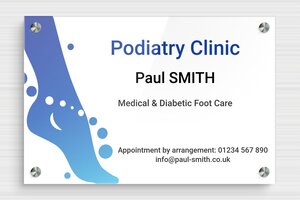
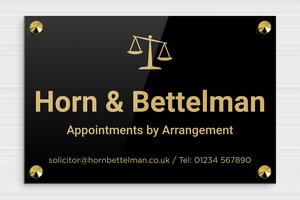
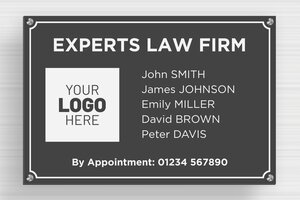
Company Signs
Your sign in just 2 minutes.
Full editor: 27 materials, 219 colors, 12 mounting options
Marking: laser engraving, mechanical or printed
starting at £22.22

Your sign in just 2 minutes.
Full editor: 27 materials, 219 colors, 12 mounting options
Marking: laser engraving, mechanical or printed
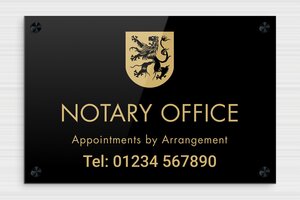

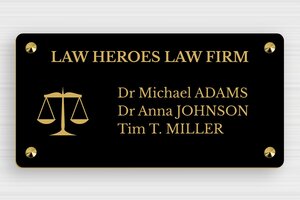
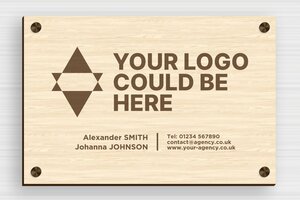
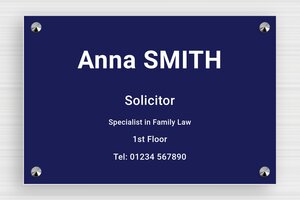
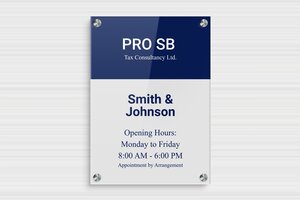
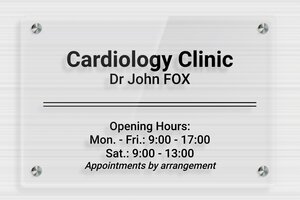


Planning permission requirements for company signs in the UK depend on several factors including sign type, size, location, and local authority regulations.
Generally, planning permission is required for:
Internal office signs typically don't require planning permission as they fall under permitted development rights. However, building regulations may apply if structural modifications are needed for installation.
We recommend consulting with your local planning authority before installing external company signs to ensure full compliance with UK regulations and avoid potential costly delays or enforcement action.
For UK weather conditions, certain materials offer superior durability and longevity for company signs exposed to rain, wind, and temperature fluctuations.
Top weather-resistant materials include:
These materials are specifically chosen for their ability to withstand British weather patterns while maintaining professional appearance. Proper finishing and treatment further enhance weather resistance, ensuring your company signs remain vibrant and legible for years to come.
The lifespan of professional company signs varies significantly based on materials, environmental conditions, and maintenance practices.
Expected lifespans for quality materials:
Factors affecting longevity include:
Indoor company signs typically last longer than outdoor installations due to reduced environmental stress. Professional assessment can help determine when signs are approaching end-of-life, enabling proactive replacement planning.
Absolutely! Custom company signs are designed to seamlessly integrate your existing brand elements, creating cohesive visual experiences that reinforce brand recognition and professional competence.
Customisation options include:
Professional design consultation ensures your branding translates effectively across different materials and sign types. Whether you need reception displays, office door signs, or external building identification, your custom company signs will maintain brand integrity whilst meeting functional requirements and regulatory compliance standards.
Indoor and outdoor company signs have distinct requirements due to different environmental challenges, regulatory considerations, and functional needs.
Indoor company signage considerations:
Outdoor company signage requirements:
Both types serve important functions in creating comprehensive brand experiences, with indoor signs focusing on navigation and professional presentation, whilst outdoor signs provide identification and first impressions for visitors and customers.
Professional company signs serve as the cornerstone of business identity, transforming ordinary office spaces into branded environments that command respect and guide visitors seamlessly. Whether you're establishing a new enterprise or refreshing your corporate image, company signs represent far more than mere identification—they're strategic investments in your professional reputation and operational efficiency.
Modern businesses across the UK recognise that quality signage directly impacts customer perception, employee pride, and overall brand credibility. From sleek reception displays to practical wayfinding solutions, company signs must balance aesthetic appeal with functional clarity whilst adhering to British regulatory standards.
The signage landscape has evolved considerably, with businesses now demanding customisable solutions that reflect their unique identity whilst maintaining professional standards. European quality materials, precision manufacturing, and intuitive design tools have revolutionised how companies approach their visual communication needs, making professional signage more accessible than ever before.
Understanding the diverse range of company signage options enables businesses to make informed decisions that align with their specific requirements and budget considerations. Each type serves distinct purposes whilst contributing to a cohesive brand experience.
Internal company signs form the backbone of professional office environments, creating organised spaces that enhance both functionality and aesthetic appeal. Reception area displays establish immediate brand presence, welcoming visitors with polished presentations that communicate company values and professionalism.
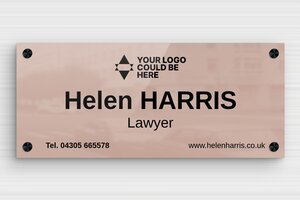
Office door signs and nameplates serve dual purposes—providing clear identification whilst reinforcing corporate hierarchy and departmental organisation. These signs typically feature employee names, job titles, and departmental information, creating a structured environment that facilitates navigation and professional interaction.
Meeting room identification signs eliminate confusion and streamline office operations, particularly in larger facilities where multiple conference spaces require clear designation. Directional signage guides visitors through complex office layouts, reducing stress and improving the overall experience for clients, suppliers, and new employees.
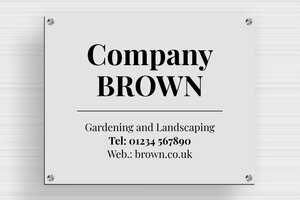
Outdoor company signs face unique challenges, requiring weather-resistant materials and designs that maintain visibility across varying lighting conditions. Building-mounted signs serve as primary identification points, often representing the first impression potential customers form of your business.
Entrance signs and welcome displays create positive first impressions whilst providing essential information such as opening hours, contact details, and accessibility features. These signs must balance informational content with visual appeal, ensuring readability without overwhelming viewers.
Car park and facility signage extends your brand presence beyond the building itself, creating comprehensive wayfinding systems that guide visitors from arrival to departure. Weather resistance becomes particularly crucial for UK businesses, where signs must withstand rain, wind, and temperature fluctuations whilst maintaining professional appearance.
Material selection significantly influences both the appearance and longevity of company signs, with different options offering distinct advantages depending on application requirements and environmental conditions.
Acrylic represents the gold standard for contemporary business signage, offering exceptional clarity, durability, and design flexibility. This versatile material transmits light beautifully, creating elegant displays that enhance any professional environment whilst maintaining structural integrity over extended periods.
The material's resistance to UV degradation ensures colours remain vibrant even in direct sunlight, making acrylic suitable for both indoor and outdoor applications. Customisation options include various thicknesses, colours, and finishes, allowing businesses to create unique signs that perfectly match their brand guidelines.
Acrylic signs accept multiple printing and engraving techniques, enabling intricate designs, photographic reproductions, and precise text rendering. The material's lightweight nature simplifies installation whilst its impact resistance provides security against accidental damage in high-traffic areas.
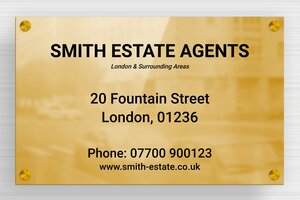
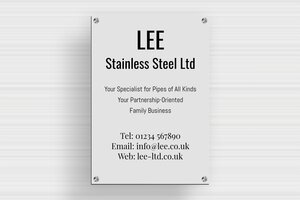
Aluminium and brass company signs convey prestige and permanence, making them ideal for businesses seeking to project established authority and premium positioning. These materials offer exceptional longevity, often lasting decades with minimal maintenance requirements.
Aluminium's natural corrosion resistance makes it particularly suitable for outdoor applications, whilst its lightweight properties facilitate installation on various surfaces. Brass provides a traditional, luxurious appearance that appeals to professional services, legal firms, and established businesses seeking to emphasise heritage and reliability.
Both materials accept precision engraving and cutting techniques, enabling intricate logos, detailed text, and complex geometric designs. The natural patina development of brass adds character over time, whilst aluminium maintains consistent appearance throughout its service life.
Environmental consciousness increasingly influences material selection, with businesses seeking sustainable options that align with corporate responsibility initiatives. Recycled materials and eco-friendly production processes offer viable alternatives without compromising quality or appearance.
Wood signage provides natural warmth and character, particularly suitable for businesses emphasising environmental values or traditional craftsmanship. Proper treatment and finishing ensure wooden signs withstand weather exposure whilst developing attractive patina over time.
Effective company sign design requires careful balance between brand consistency, functional requirements, and aesthetic appeal. Professional design principles ensure signs communicate effectively whilst enhancing overall brand perception.
Successful company signs seamlessly integrate existing brand elements, including logos, colour schemes, and typography, creating cohesive visual experiences that reinforce brand recognition. Consistent application across all signage touchpoints strengthens brand identity whilst projecting professional competence.
Colour matching requires precision, particularly when signs must coordinate with existing branding materials or architectural elements. Professional colour management ensures consistency across different materials and lighting conditions, maintaining brand integrity throughout all applications.
Typography selection significantly impacts readability and brand perception, with font choices communicating different messages about company personality and values. Sans-serif fonts typically provide better readability at distance, whilst serif options may convey tradition and reliability.
Proper sizing ensures signs remain visible and legible from intended viewing distances whilst maintaining proportional relationships with surrounding architectural elements. Oversized signs may appear overwhelming, whilst undersized options fail to achieve necessary impact.
Viewing distance calculations determine optimal text sizes, with industry standards providing guidance for various applications. Reception signs require different sizing considerations than corridor directional signs, each optimised for specific viewing scenarios.
Placement height affects both visibility and accessibility compliance, with regulations specifying requirements for various sign types. Strategic positioning maximises impact whilst ensuring signs don't obstruct sightlines or create safety hazards.
British businesses must navigate complex regulatory frameworks when installing company signs, with requirements varying based on location, sign type, and local authority regulations. Understanding these requirements prevents costly delays and ensures legal compliance.
Planning permission requirements typically apply to external signs exceeding specific size thresholds or featuring illumination. Conservation areas and listed buildings face additional restrictions, requiring careful consultation with local planning authorities before installation.
Health and safety regulations mandate specific requirements for emergency signage, accessibility compliance, and structural integrity. Fire safety considerations influence material selection and placement, particularly for exit signs and emergency information displays.
Building regulations may apply to structural modifications required for sign installation, particularly for large external displays requiring significant mounting systems. Professional consultation ensures compliance whilst optimising installation efficiency.
Expert installation ensures company signs achieve optimal performance whilst maintaining safety standards and aesthetic appeal. Professional installers possess specialised knowledge of mounting systems, structural requirements, and safety protocols.
Comprehensive site surveys identify potential challenges and opportunities, enabling precise planning that minimises disruption to business operations. Structural assessments ensure mounting surfaces can support sign loads whilst maintaining building integrity.
Project coordination involves multiple stakeholders, including building managers, health and safety officers, and local authorities where required. Professional project management ensures installations proceed smoothly whilst maintaining compliance with all relevant regulations.
Timeline planning considers factors such as material procurement, weather conditions, and business operational requirements. Flexible scheduling accommodates unexpected challenges whilst ensuring project completion within agreed timeframes.
Regular maintenance preserves sign appearance and functionality whilst extending service life and protecting investment value. Different materials require specific care protocols, with professional guidance ensuring optimal maintenance approaches.
Cleaning procedures vary by material type, with acrylic requiring gentle techniques to prevent scratching whilst metal signs may tolerate more aggressive cleaning methods. Weather protection measures help preserve outdoor signs, particularly in harsh coastal or industrial environments.
Replacement planning anticipates future needs, with modular designs enabling cost-effective updates when business requirements change. Professional assessment identifies signs approaching end-of-life, enabling proactive replacement before failure occurs.
Company sign investments require careful evaluation of costs, benefits, and long-term value propositions. Quality signage provides lasting returns through enhanced brand recognition, improved customer experience, and operational efficiency gains.
Initial cost considerations include material selection, design complexity, installation requirements, and ongoing maintenance needs. Premium materials typically offer better long-term value despite higher upfront costs, whilst budget options may require more frequent replacement.
Return on investment calculations should consider factors such as increased customer confidence, improved wayfinding efficiency, and enhanced brand recognition. Professional signage often pays for itself through improved business performance and reduced operational inefficiencies.
Bulk ordering opportunities provide cost savings for businesses requiring multiple signs, with economies of scale reducing per-unit costs whilst ensuring consistency across all installations. Strategic planning enables businesses to optimise purchasing decisions whilst maintaining budget control.
Selecting an appropriate signage provider significantly influences project success, with factors including technical expertise, design capabilities, and customer service quality determining overall satisfaction and results.
Quality standards and certifications indicate professional competence and commitment to excellence. Established providers typically offer comprehensive services including design consultation, material selection guidance, and professional installation support.
Design support capabilities enable businesses to achieve optimal results even without internal design expertise. Professional designers understand both aesthetic principles and practical requirements, creating solutions that balance visual appeal with functional performance.
Customer service quality becomes particularly important for complex projects requiring ongoing support and maintenance. Responsive providers offer peace of mind through reliable communication, flexible scheduling, and prompt resolution of any issues that arise.
The journey toward exceptional company signs begins with understanding your specific requirements and exploring the possibilities that modern signage technology offers. Professional signage represents more than mere identification—it's an investment in your business's future success and professional reputation. With careful planning, quality materials, and expert installation, your company signs will serve as powerful brand ambassadors for years to come, creating positive impressions that translate into business success and customer confidence.
 Custom quotes available for bulk or special requests
'%3e%3cpath%20d='M20.5563%202.67834H1.42533C0.639422%202.67834%200%203.31772%200%204.10363V15.5822C0%2016.3682%200.639422%2017.0076%201.42533%2017.0076H15.3578C15.6167%2017.0076%2015.8265%2016.7977%2015.8265%2016.5388C15.8265%2016.2799%2015.6167%2016.0701%2015.3578%2016.0701H1.42533C1.15636%2016.0701%200.9375%2015.8512%200.9375%2015.5822V8.87691H21.0442V11.2778C21.0442%2011.5367%2021.254%2011.7465%2021.5129%2011.7465C21.7718%2011.7465%2021.9817%2011.5367%2021.9817%2011.2778V4.10363C21.9817%203.31772%2021.3423%202.67834%2020.5563%202.67834ZM1.42533%203.61584H20.5563C20.8253%203.61584%2021.0442%203.83466%2021.0442%204.10363V5.54799H0.9375V4.10363C0.9375%203.83466%201.15631%203.61584%201.42533%203.61584ZM0.9375%207.93941V6.48549H21.0442V7.93941H0.9375Z'%20fill='%230C4D5A'/%3e%3cpath%20d='M20.5563%202.67834H1.42533C0.639422%202.67834%200%203.31772%200%204.10363V15.5822C0%2016.3682%200.639422%2017.0076%201.42533%2017.0076H15.3578C15.6167%2017.0076%2015.8265%2016.7977%2015.8265%2016.5388C15.8265%2016.2799%2015.6167%2016.0701%2015.3578%2016.0701H1.42533C1.15636%2016.0701%200.9375%2015.8512%200.9375%2015.5822V8.87691H21.0442V11.2778C21.0442%2011.5367%2021.254%2011.7465%2021.5129%2011.7465C21.7718%2011.7465%2021.9817%2011.5367%2021.9817%2011.2778V4.10363C21.9817%203.31772%2021.3423%202.67834%2020.5563%202.67834ZM1.42533%203.61584H20.5563C20.8253%203.61584%2021.0442%203.83466%2021.0442%204.10363V5.54799H0.9375V4.10363C0.9375%203.83466%201.15631%203.61584%201.42533%203.61584ZM0.9375%207.93941V6.48549H21.0442V7.93941H0.9375Z'%20fill='black'%20fill-opacity='0.5'/%3e%3cpath%20d='M6.92061%2013.6835H2.61612C1.9962%2013.7059%201.99409%2014.5977%202.61612%2014.621H6.92061C7.54054%2014.5986%207.54265%2013.7067%206.92061%2013.6835Z'%20fill='%230C4D5A'/%3e%3cpath%20d='M6.92061%2013.6835H2.61612C1.9962%2013.7059%201.99409%2014.5977%202.61612%2014.621H6.92061C7.54054%2014.5986%207.54265%2013.7067%206.92061%2013.6835Z'%20fill='black'%20fill-opacity='0.5'/%3e%3cpath%20d='M6.92061%2011.7704H2.61612C1.9962%2011.7928%201.99409%2012.6846%202.61612%2012.7079H6.92061C7.54054%2012.6855%207.54265%2011.7936%206.92061%2011.7704Z'%20fill='%230C4D5A'/%3e%3cpath%20d='M6.92061%2011.7704H2.61612C1.9962%2011.7928%201.99409%2012.6846%202.61612%2012.7079H6.92061C7.54054%2012.6855%207.54265%2011.7936%206.92061%2011.7704Z'%20fill='black'%20fill-opacity='0.5'/%3e%3cpath%20fill-rule='evenodd'%20clip-rule='evenodd'%20d='M16.9424%2010.7995L14.5898%2013.152C14.5898%2016.752%2015.1919%2020.2222%2019.2948%2021.3216C23.3978%2020.2222%2023.9998%2016.752%2023.9998%2013.152L21.6473%2010.7995H16.9424Z'%20fill='%23FDF300'/%3e%3cpath%20d='M19.2949%2019.7875C16.7214%2019.0081%2016.1647%2016.8451%2016.0451%2013.9479C16.0413%2013.8187%2016.0909%2013.6937%2016.1822%2013.6023L17.4034%2012.3812C17.4913%2012.2933%2017.6105%2012.2439%2017.7348%2012.2439H20.8549C20.9792%2012.2439%2021.0985%2012.2933%2021.1864%2012.3812L22.4075%2013.6023C22.4989%2013.6937%2022.5485%2013.8187%2022.5446%2013.9478C22.4255%2016.8443%2021.8681%2019.0084%2019.2949%2019.7875ZM16.9894%2014.121C17.1385%2016.4295%2017.4228%2018.0275%2019.2949%2018.8167C21.1665%2018.0277%2021.4513%2016.4301%2021.6004%2014.121L20.6608%2013.1814H17.929L16.9894%2014.121Z'%20fill='%230C4D5A'/%3e%3cpath%20d='M19.2949%2019.7875C16.7214%2019.0081%2016.1647%2016.8451%2016.0451%2013.9479C16.0413%2013.8187%2016.0909%2013.6937%2016.1822%2013.6023L17.4034%2012.3812C17.4913%2012.2933%2017.6105%2012.2439%2017.7348%2012.2439H20.8549C20.9792%2012.2439%2021.0985%2012.2933%2021.1864%2012.3812L22.4075%2013.6023C22.4989%2013.6937%2022.5485%2013.8187%2022.5446%2013.9478C22.4255%2016.8443%2021.8681%2019.0084%2019.2949%2019.7875ZM16.9894%2014.121C17.1385%2016.4295%2017.4228%2018.0275%2019.2949%2018.8167C21.1665%2018.0277%2021.4513%2016.4301%2021.6004%2014.121L20.6608%2013.1814H17.929L16.9894%2014.121Z'%20fill='black'%20fill-opacity='0.5'/%3e%3c/g%3e%3cdefs%3e%3cclipPath%20id='clip0'%3e%3crect%20width='24'%20height='24'%20fill='white'/%3e%3c/clipPath%3e%3c/defs%3e%3c/svg%3e) Secure payment via card or PayPal
Secure payment via card or PayPal Free delivery from £60
 Up to 20% off with volume discounts!
 Create your own product easily with our online editorCustom quotes available for bulk or special requestsSecure payment via card or PayPalFree delivery from £60Up to 20% off with volume discounts!Create your own product easily with our online editor