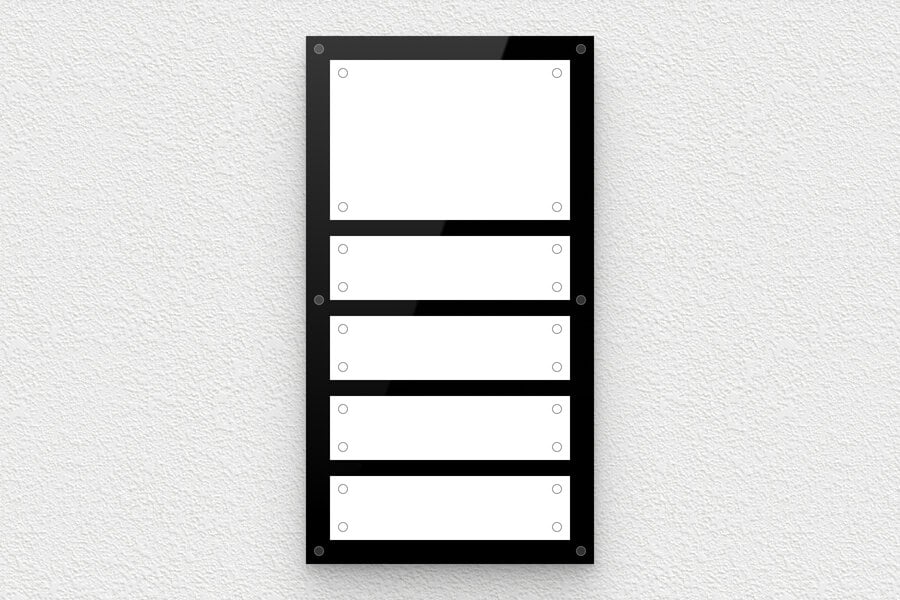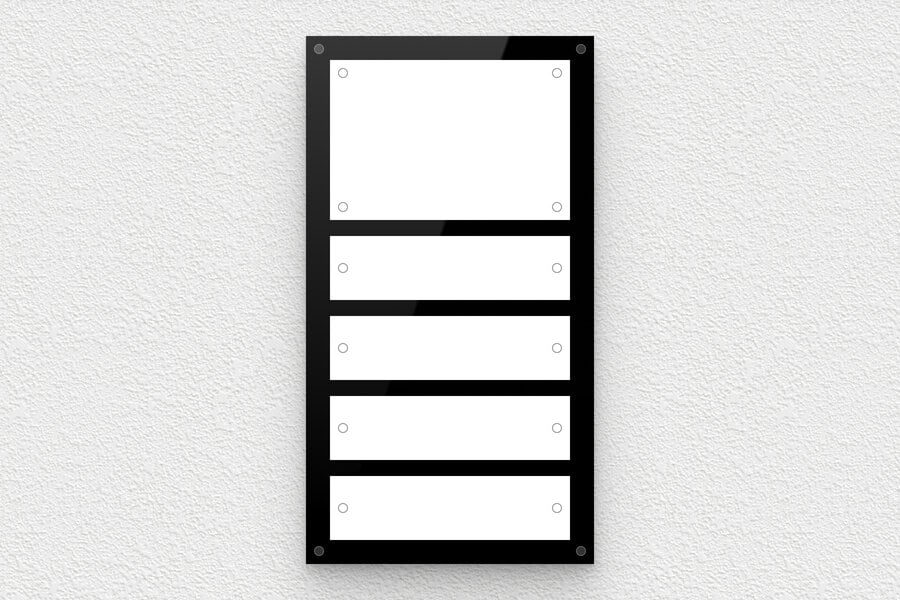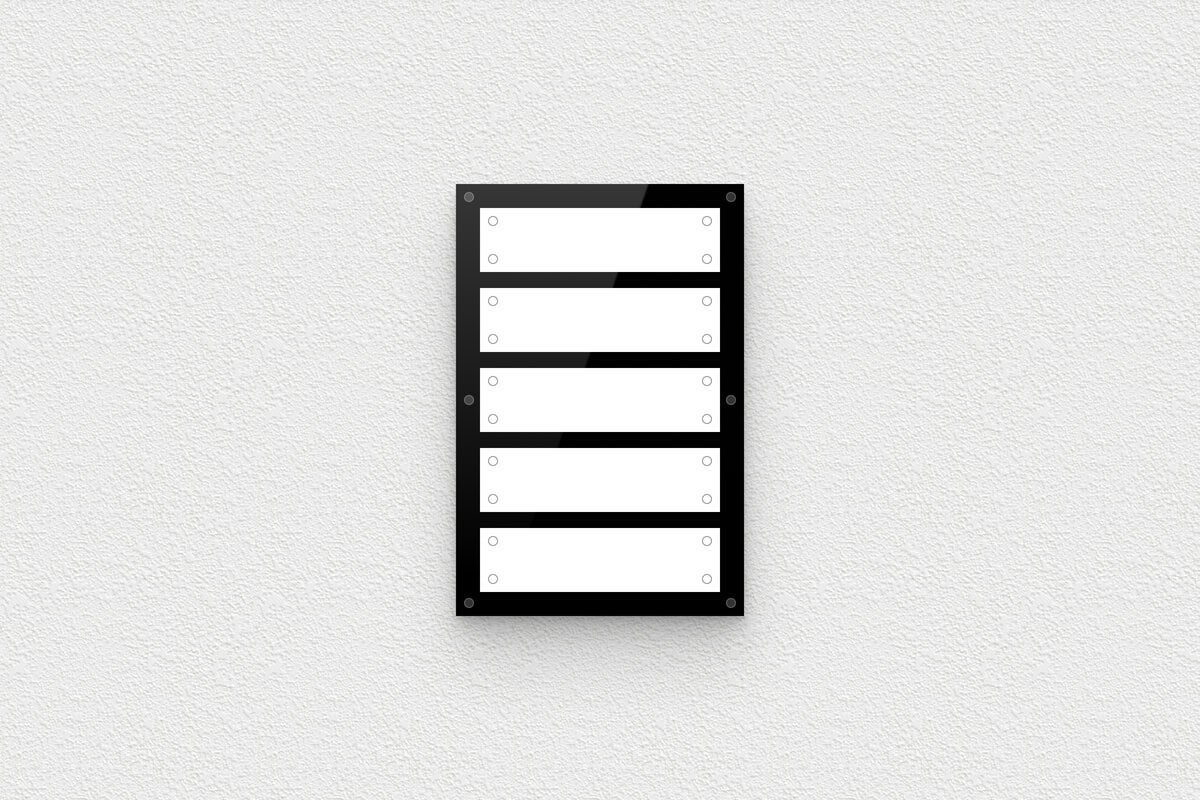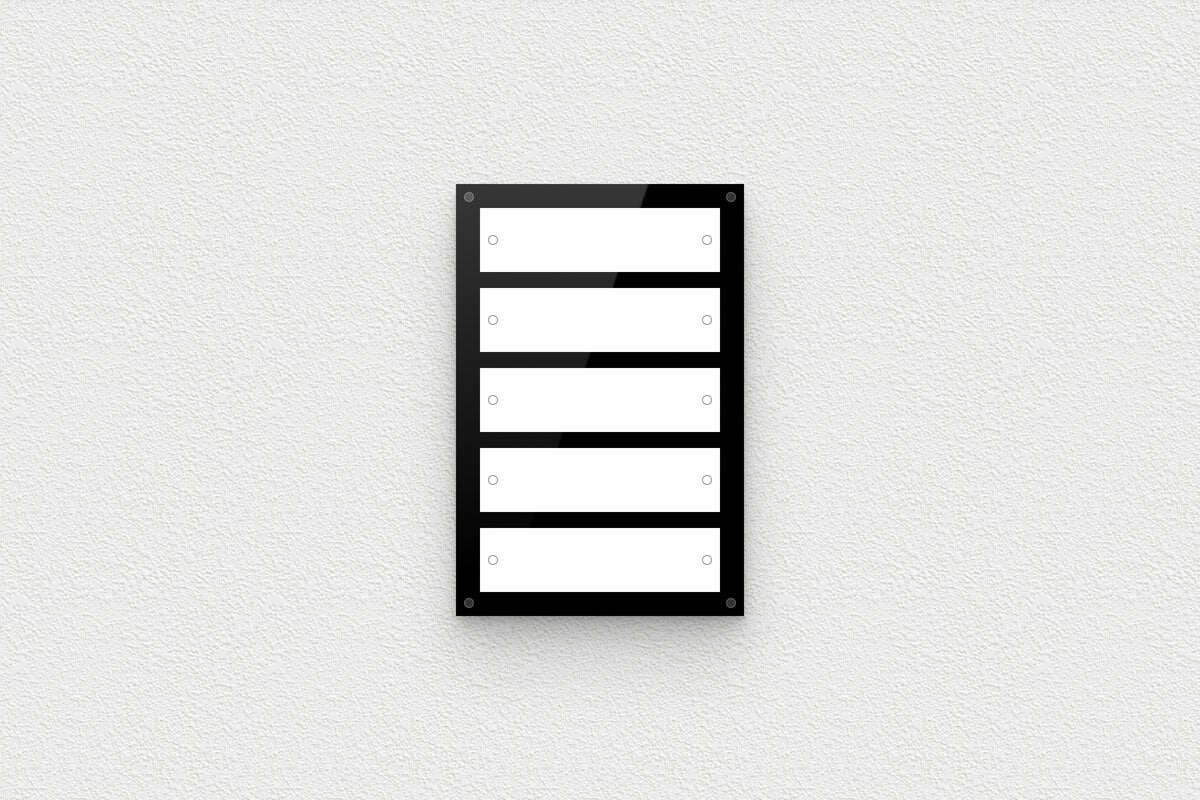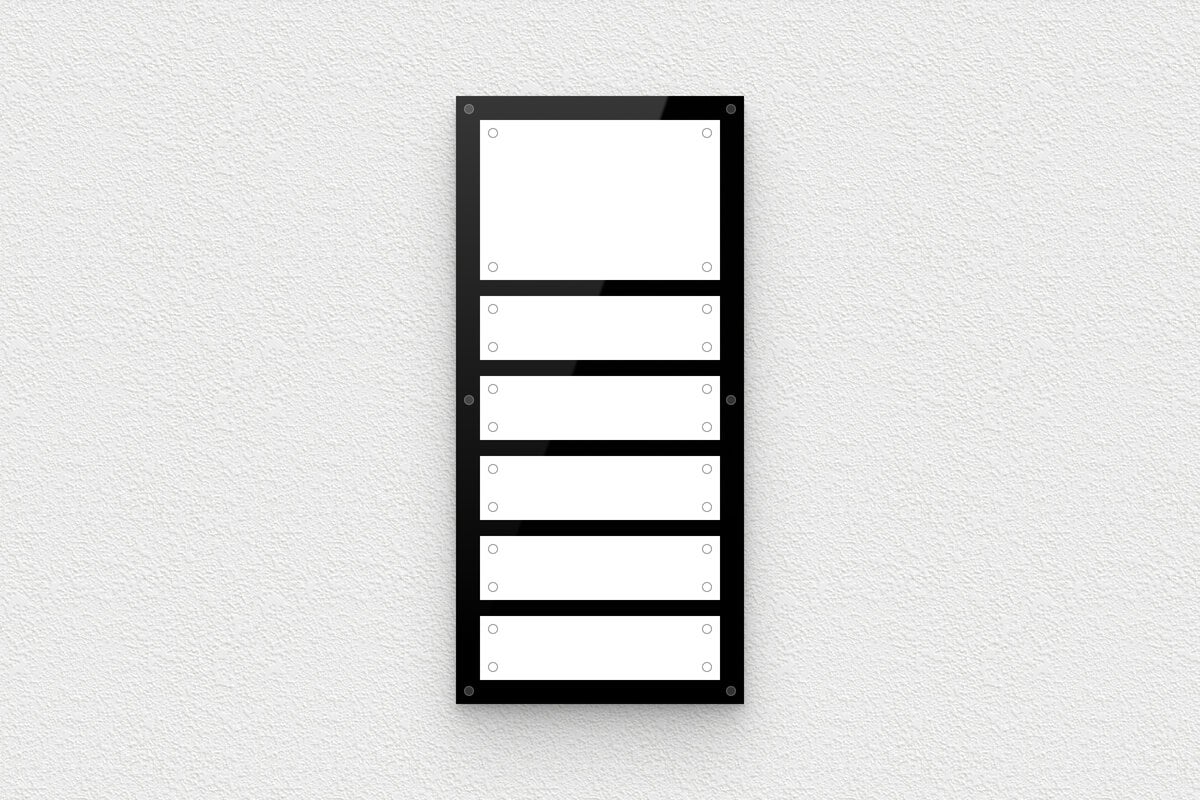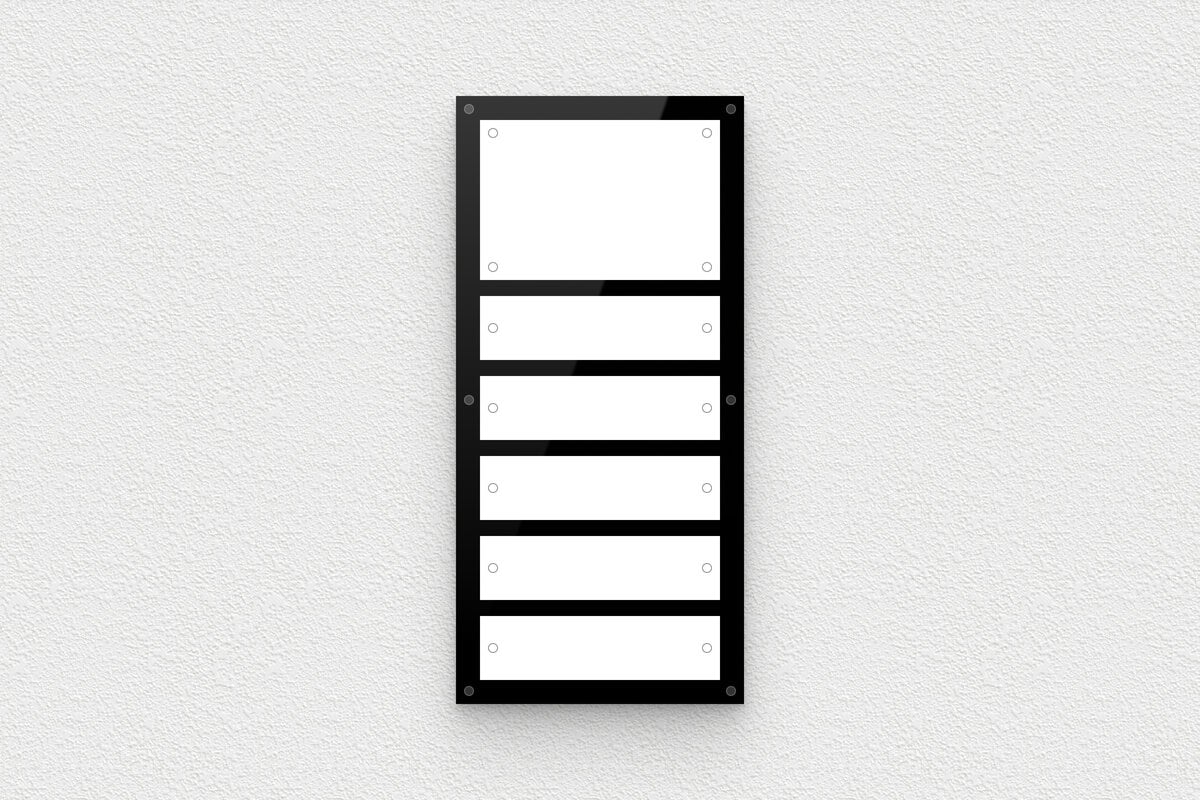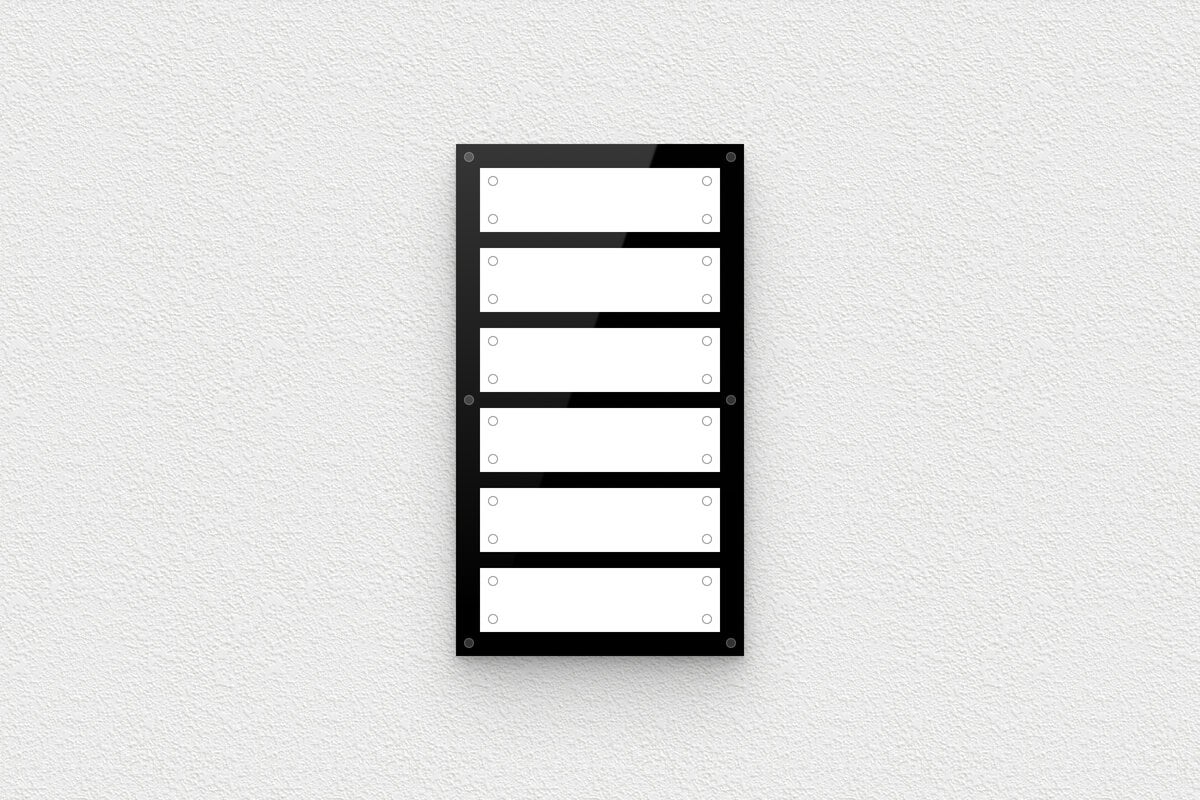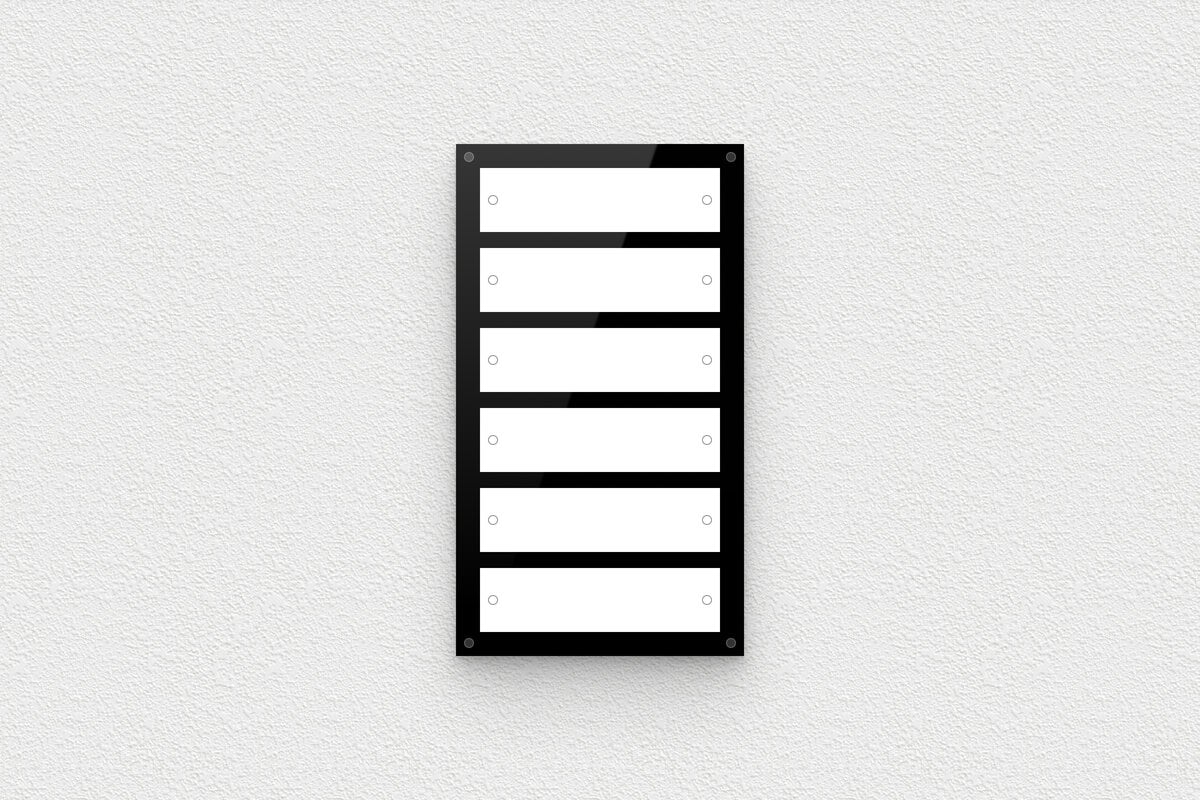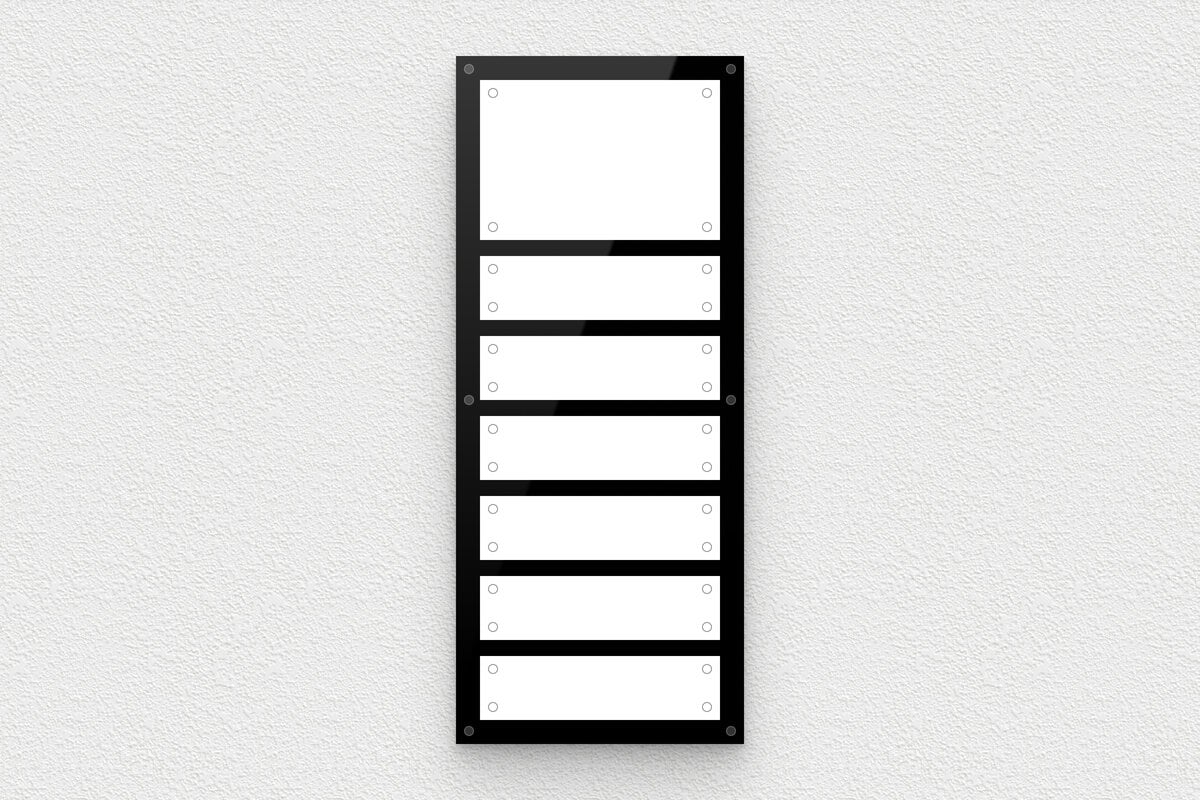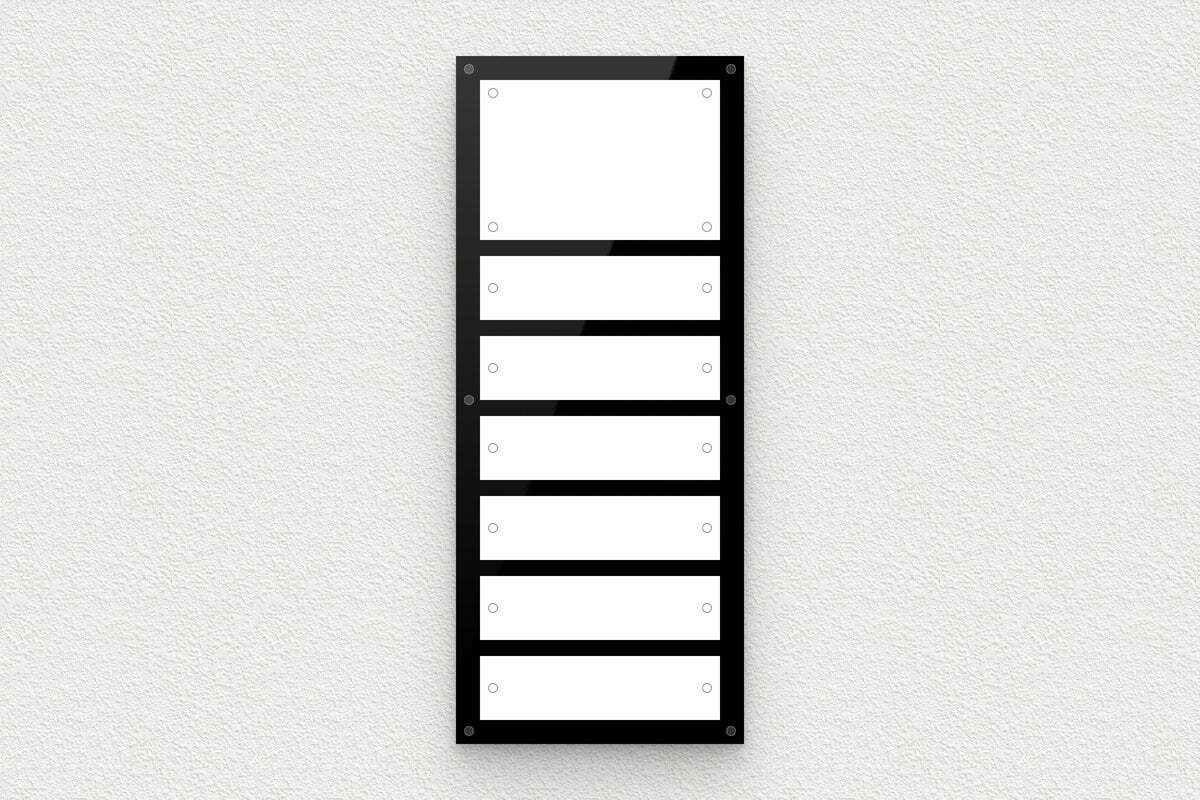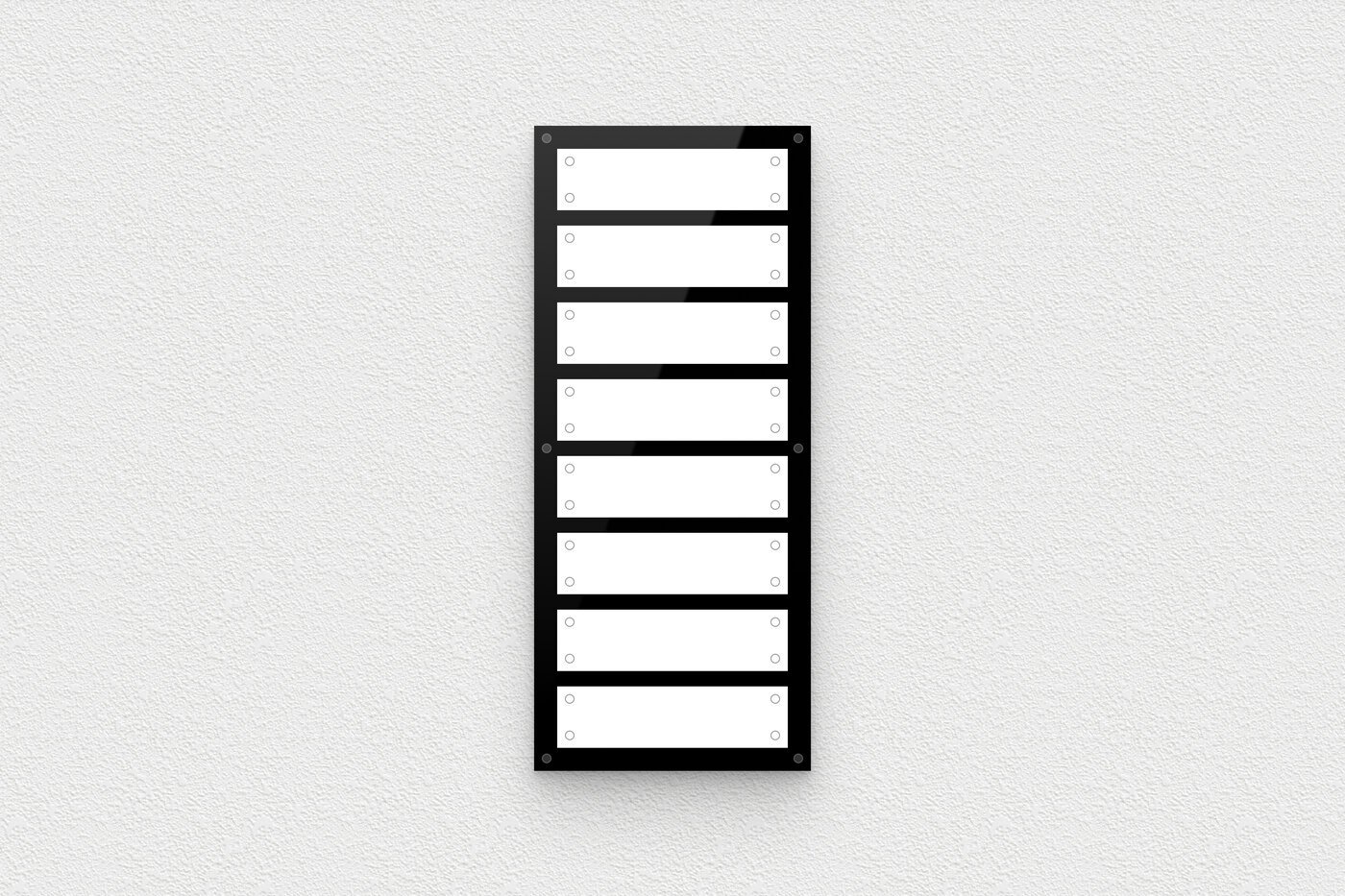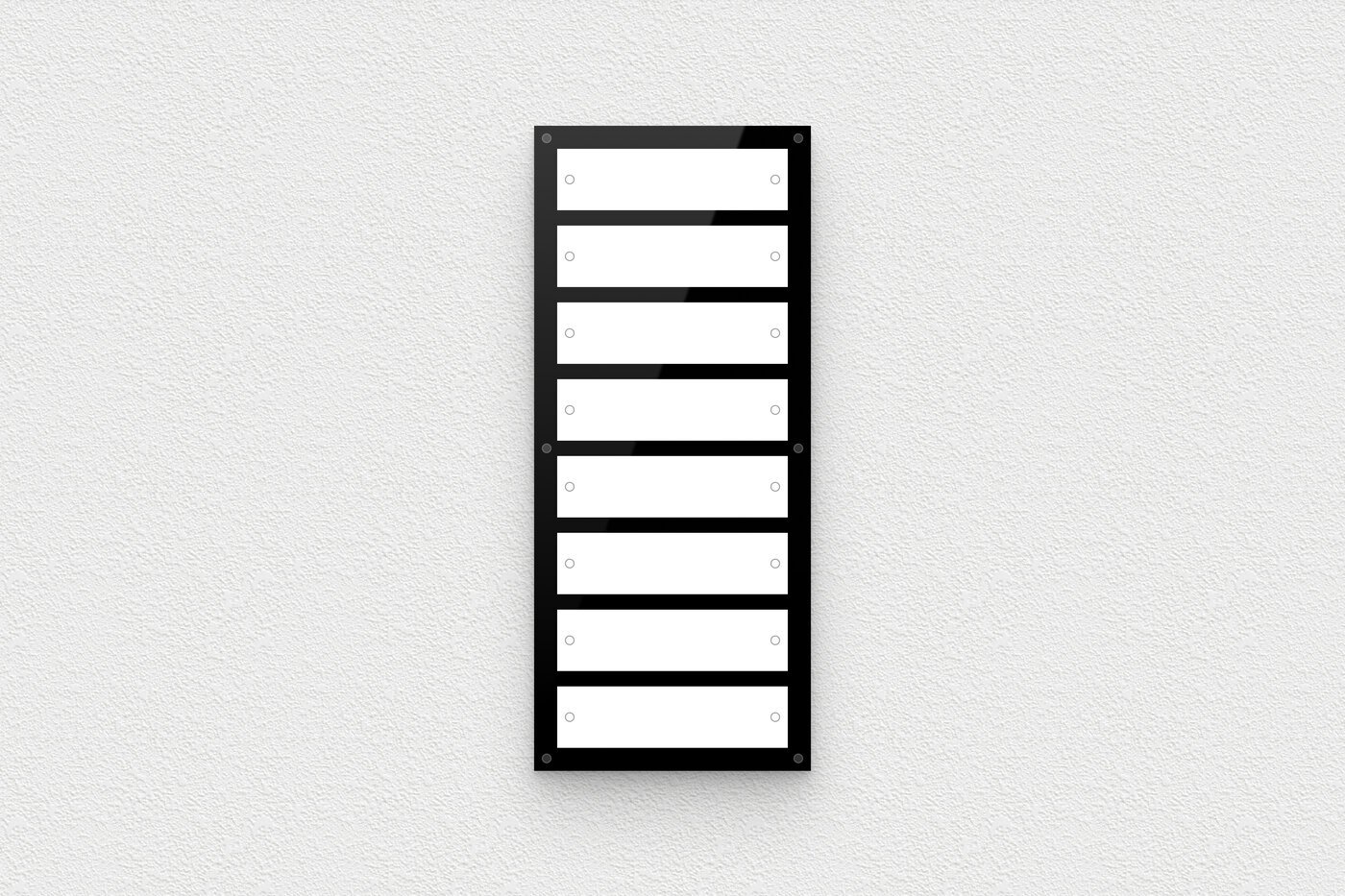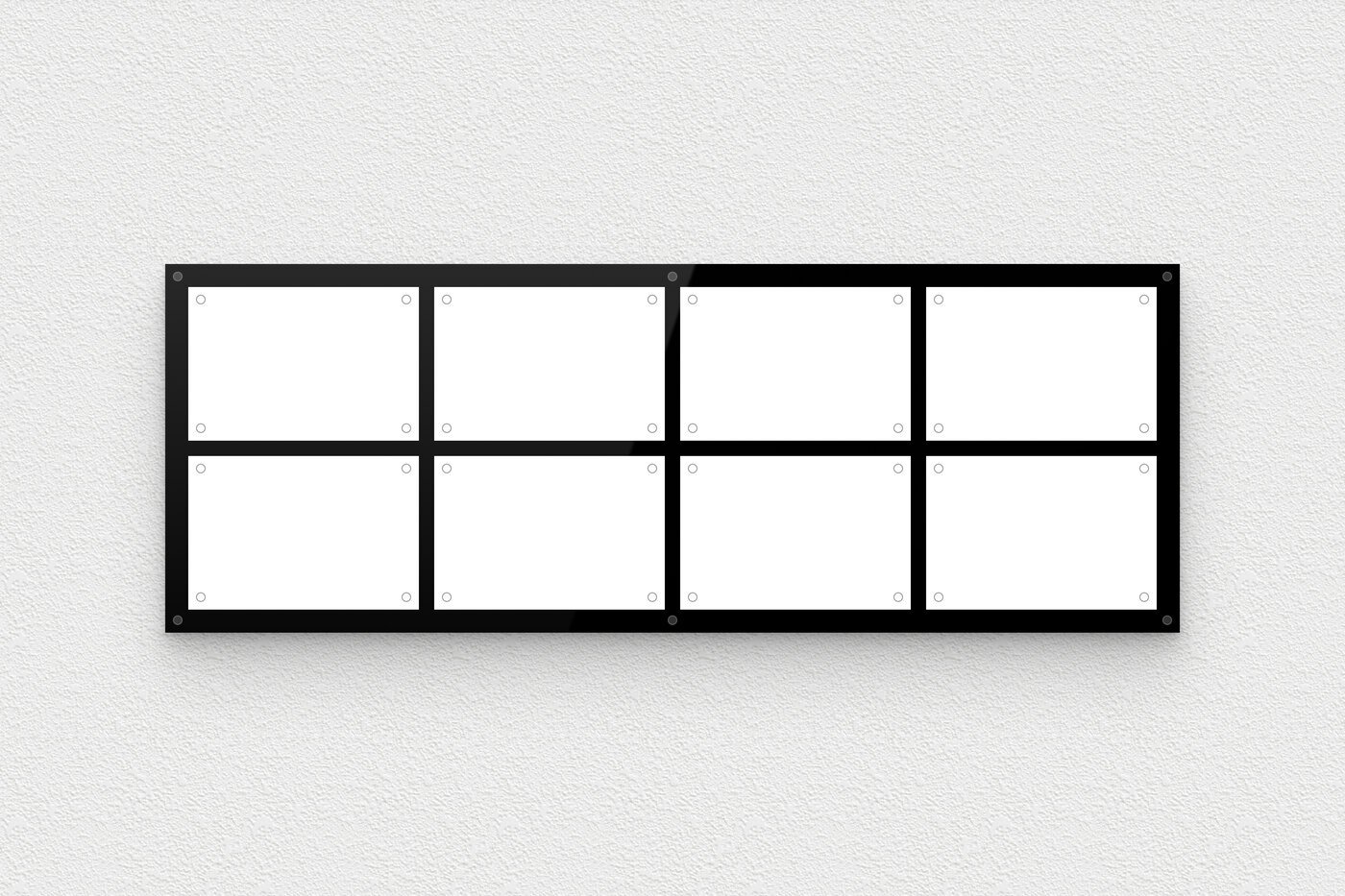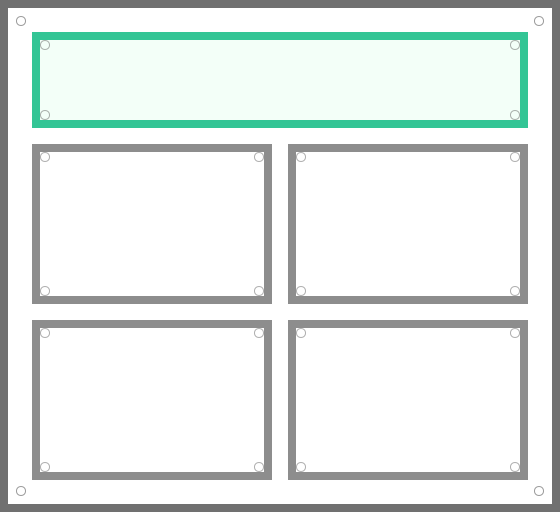

Directory Signs

Transform your building's navigation with our professional directory signs, expertly crafted to combine clear wayfinding with sophisticated design. These versatile signage solutions offer complete customisation through our intuitive online editor, allowing you to create impressive directory displays that reflect your building's unique character whilst ensuring compliance with UK accessibility standards.
Show more...
starting at £97.27
View our products
  • Number of signs
  • Sign dimensions
  • Support color
56  plates
Free quote
Request
custom
support
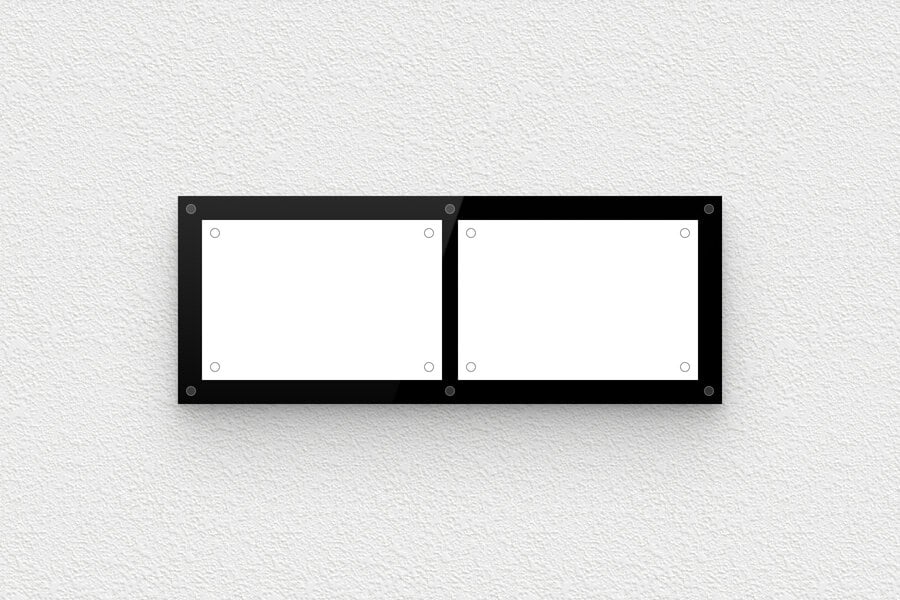
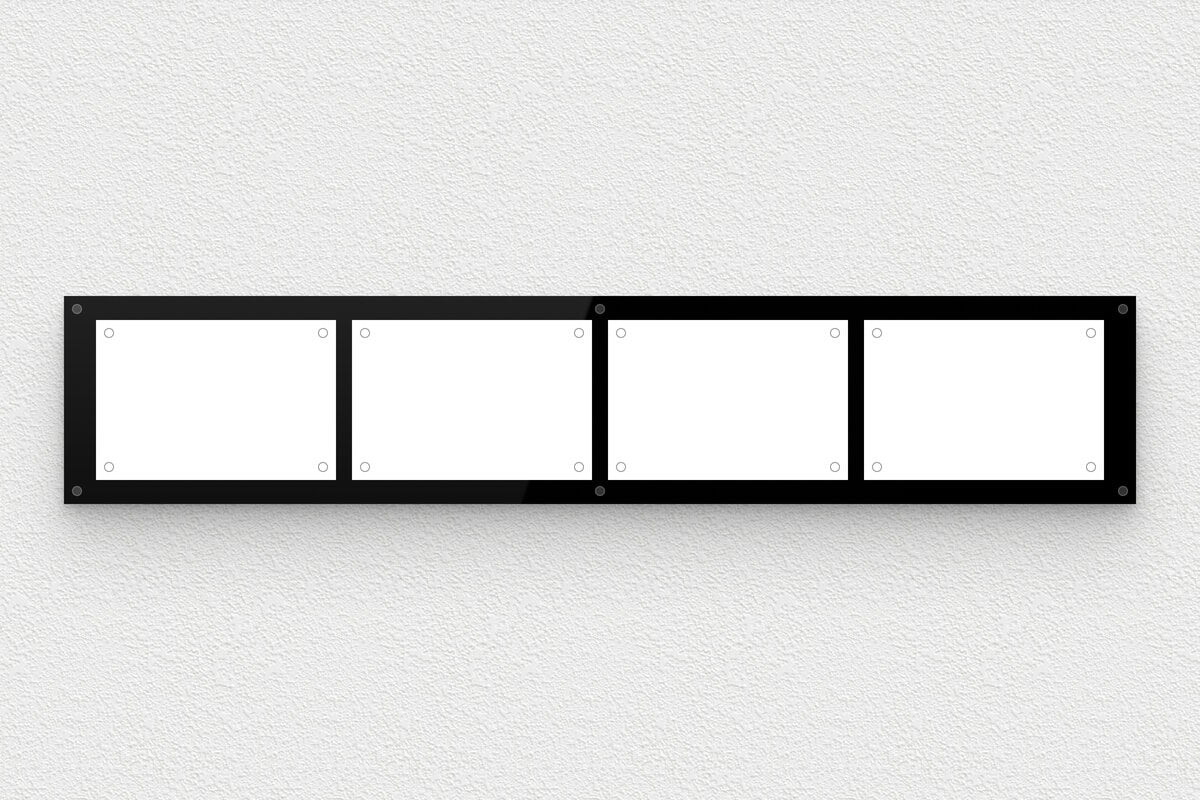
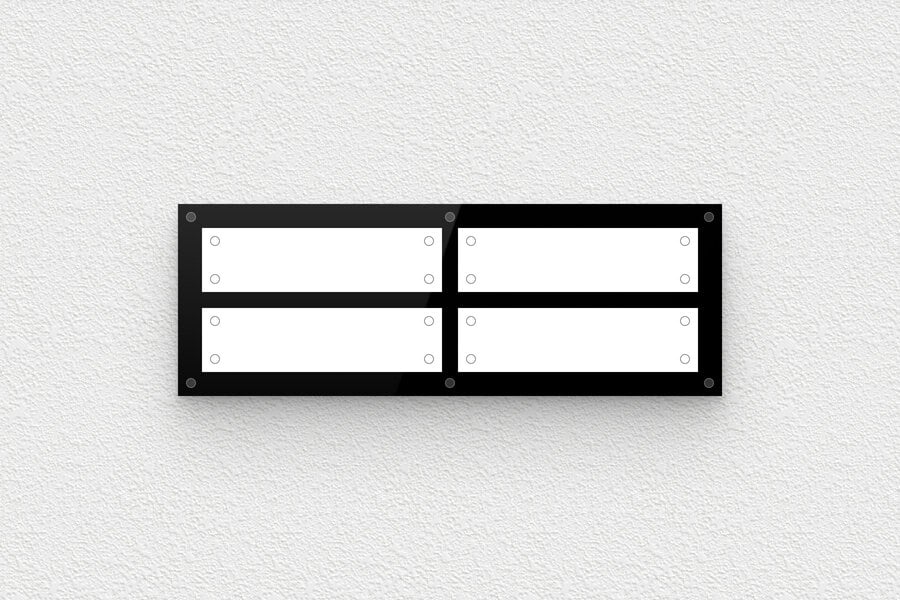
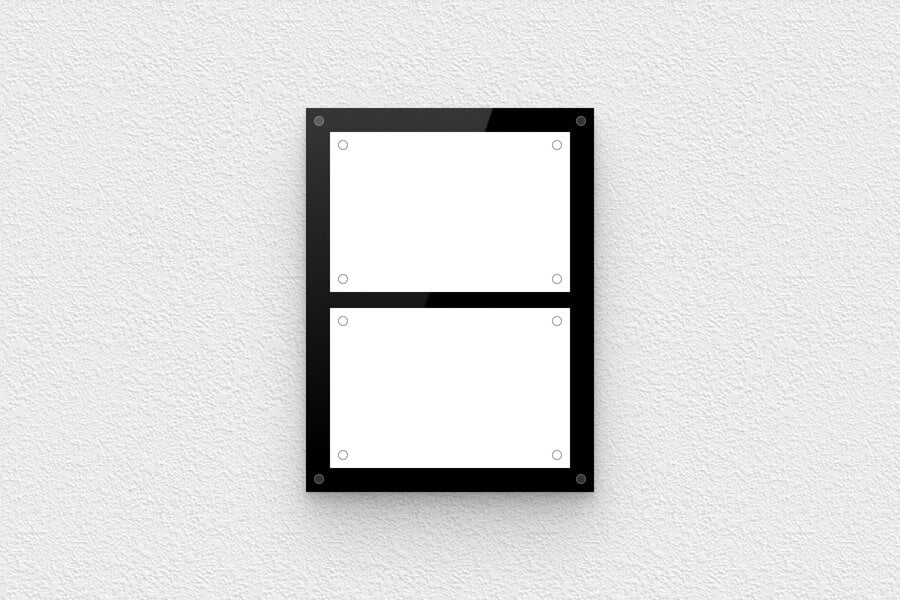
Mount for 2 30 x 20 cm signs

Mount for 2 30 x 20 cm signs

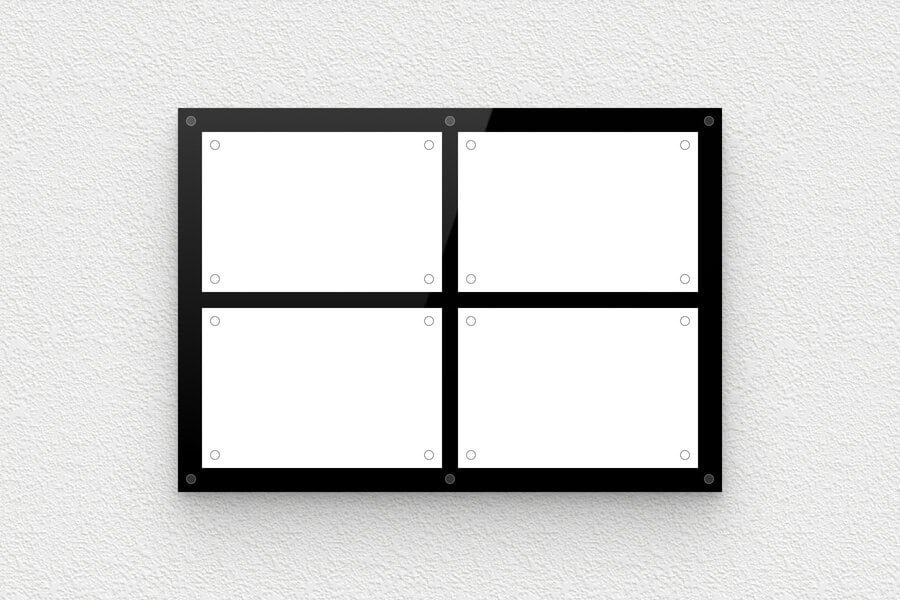
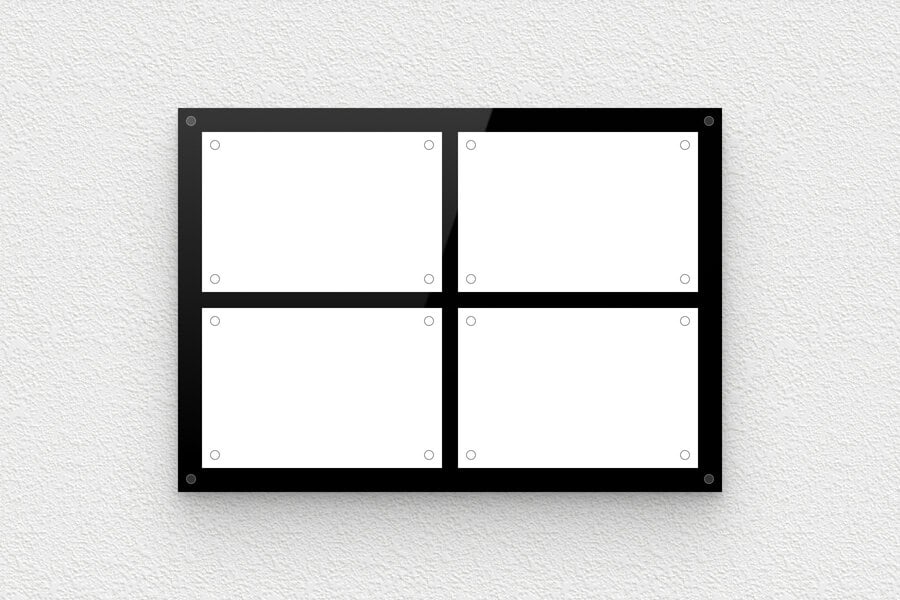
Plexiglass - 68 x 26 x 0.5 cm - Multi-sign support for professional sign 30 x 20 cm
£163.50
view details
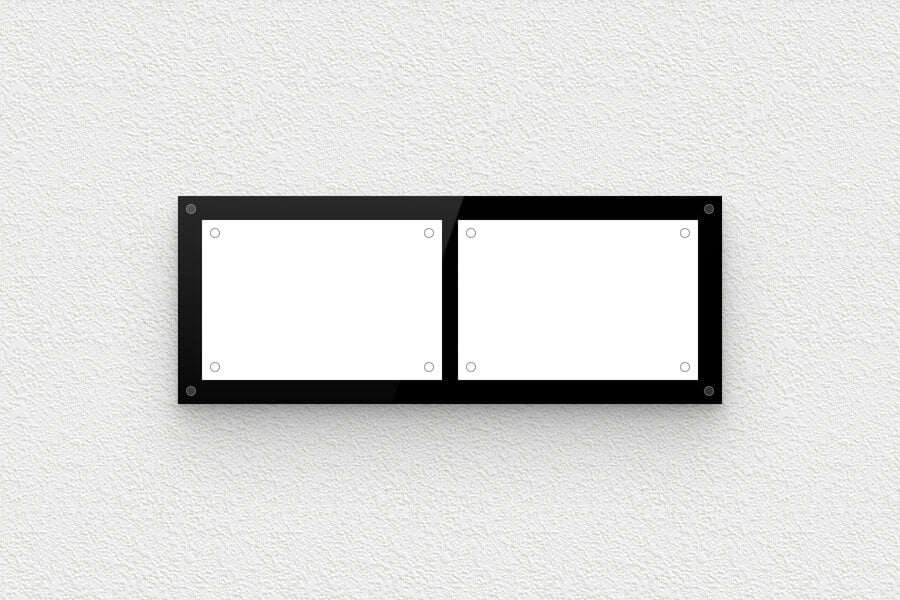
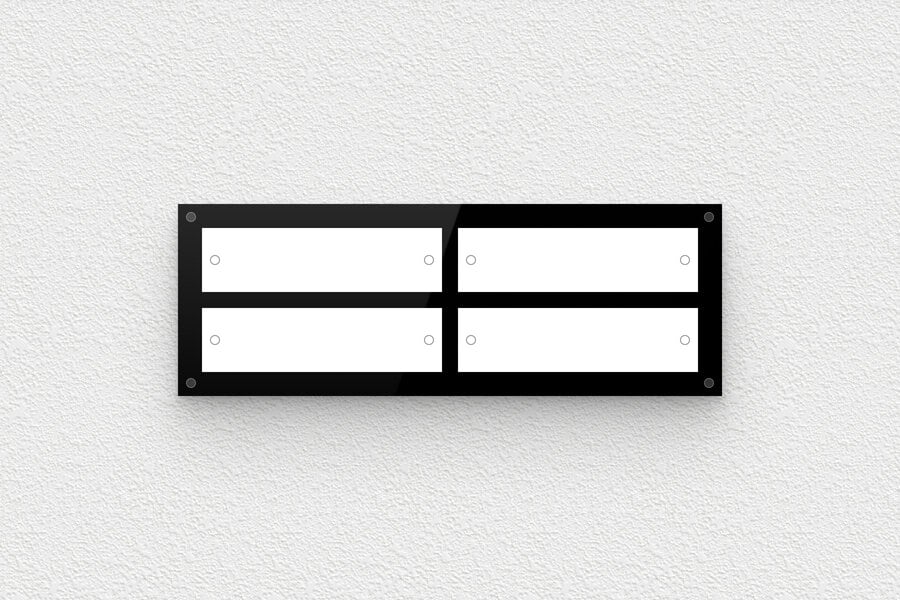
Mount for 2 21 x 14 cm signs

Mount for 2 21 x 14 cm signs

Plexiglass - 50 x 20 x 0.5 cm - Multi-sign support for professional sign 21 x 14 cm
£100.90
view details
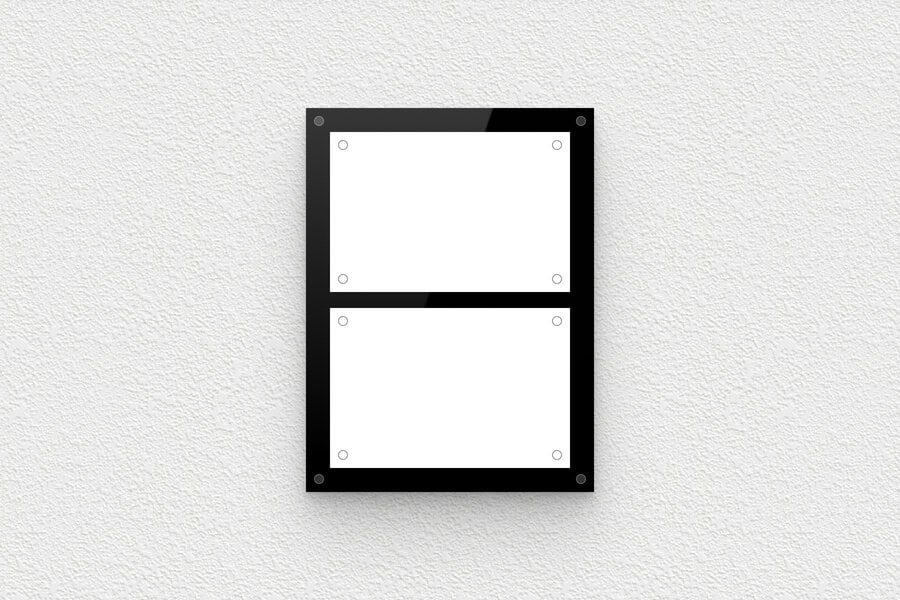
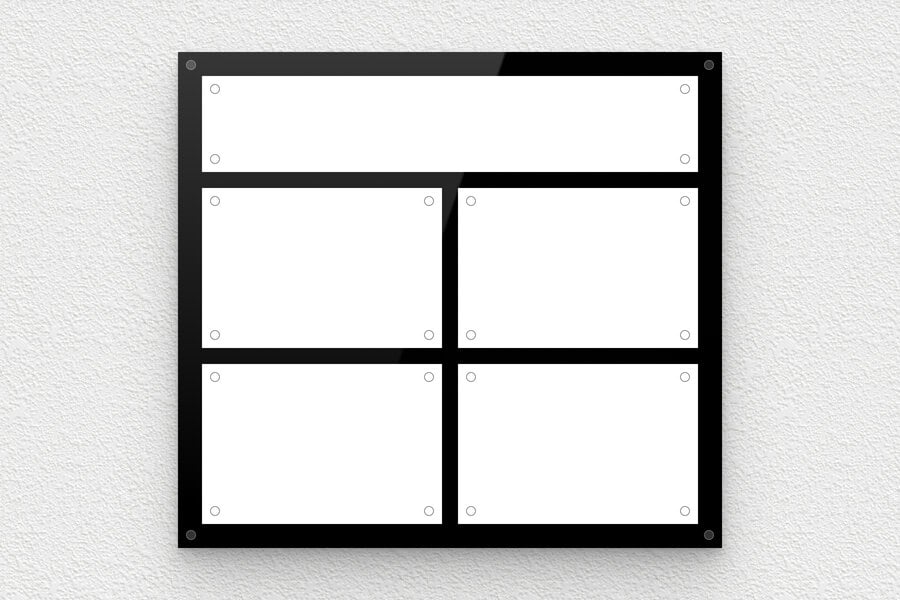
Mount for 2 30 x 20 cm signs

Mount for 2 30 x 20 cm signs

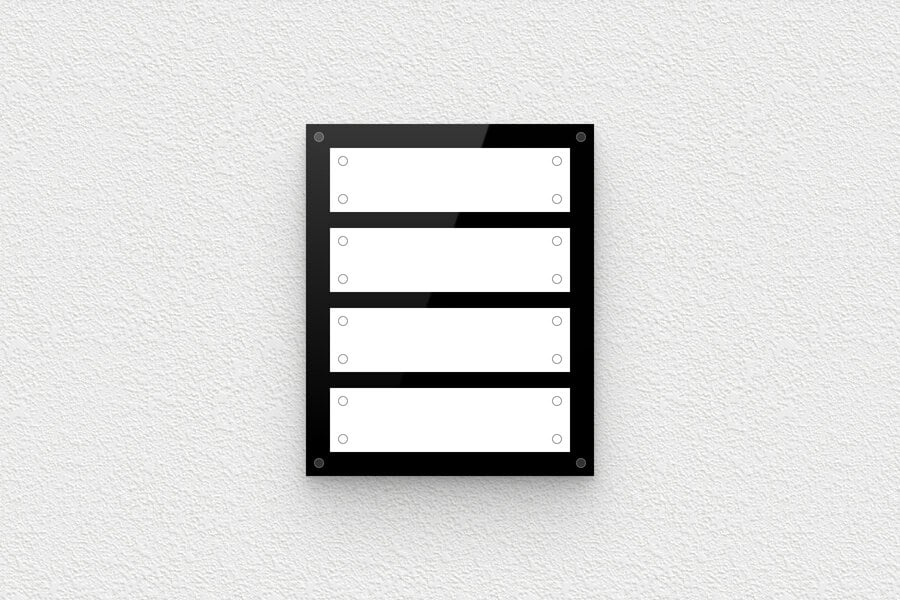
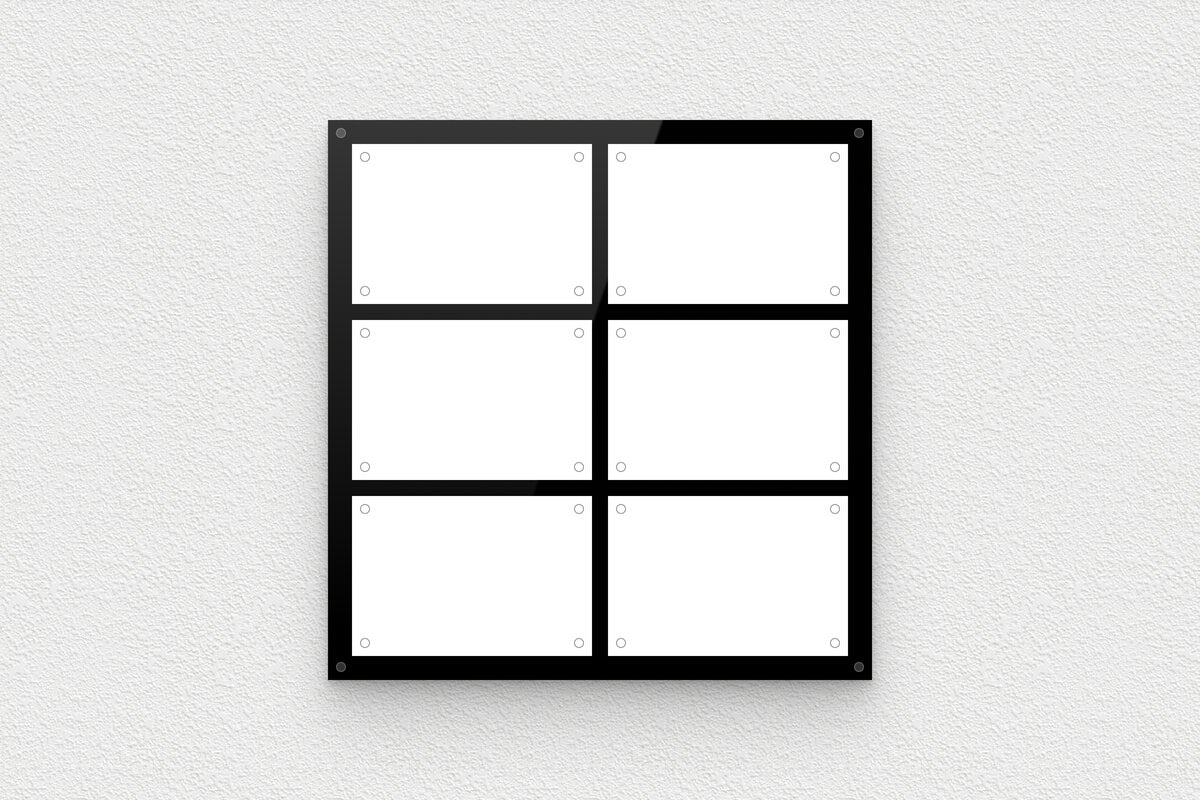
Plexiglass - 36 x 48 x 0.5 cm - Multi-sign support for professional sign 30 x 20 cm
£159.90
view details
Mount for 2 21 x 14 cm signs

Mount for 2 21 x 14 cm signs

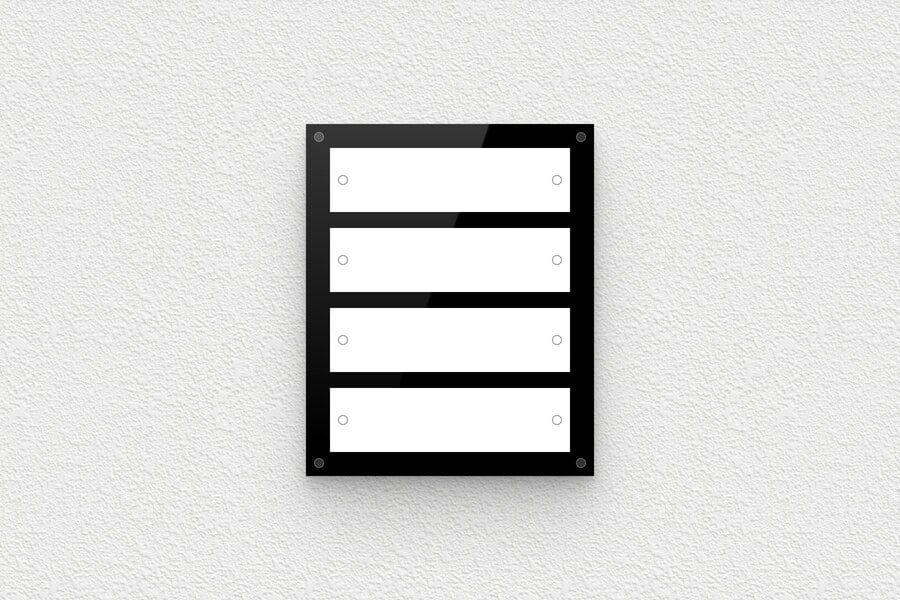
Plexiglass - 27 x 36 x 0.5 cm - Multi-sign support for professional sign 21 x 14 cm
£100.90
view details
fast shipping
fast shipping
Express 24h or free shipping from £60.00
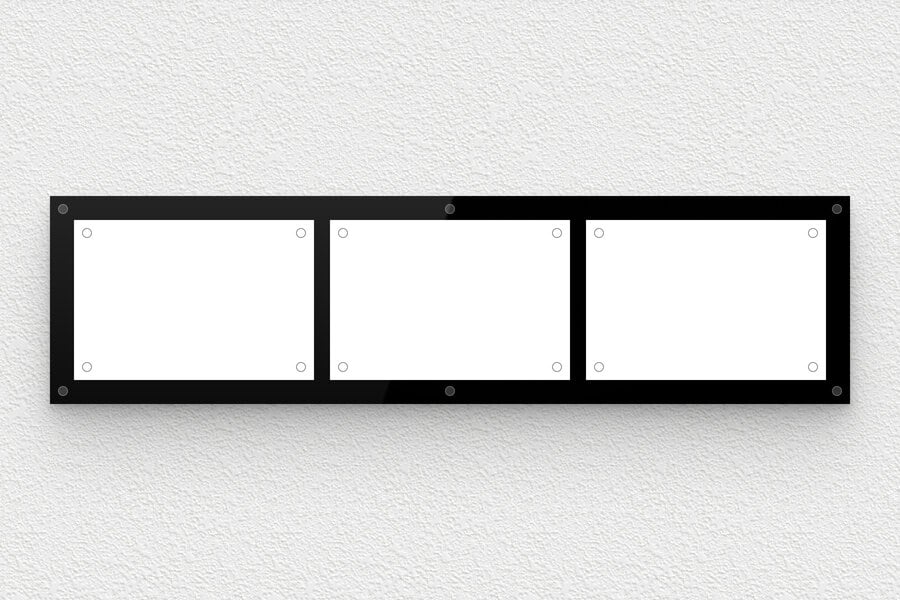
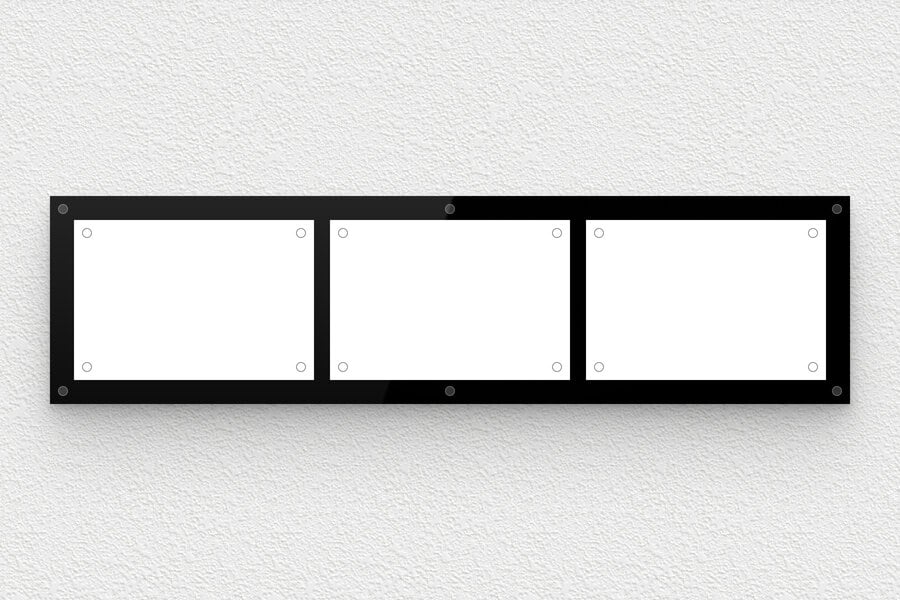
Mount for 3 30 x 20 cm signs

Mount for 3 30 x 20 cm signs

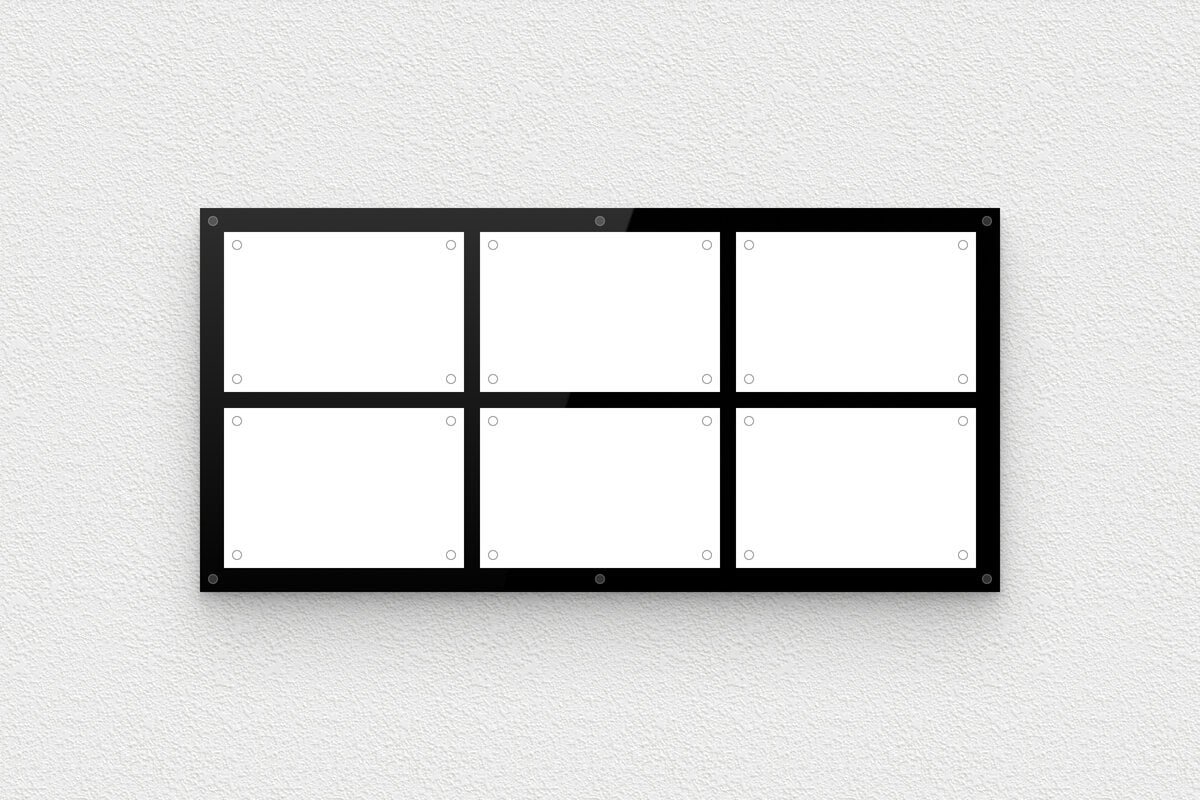
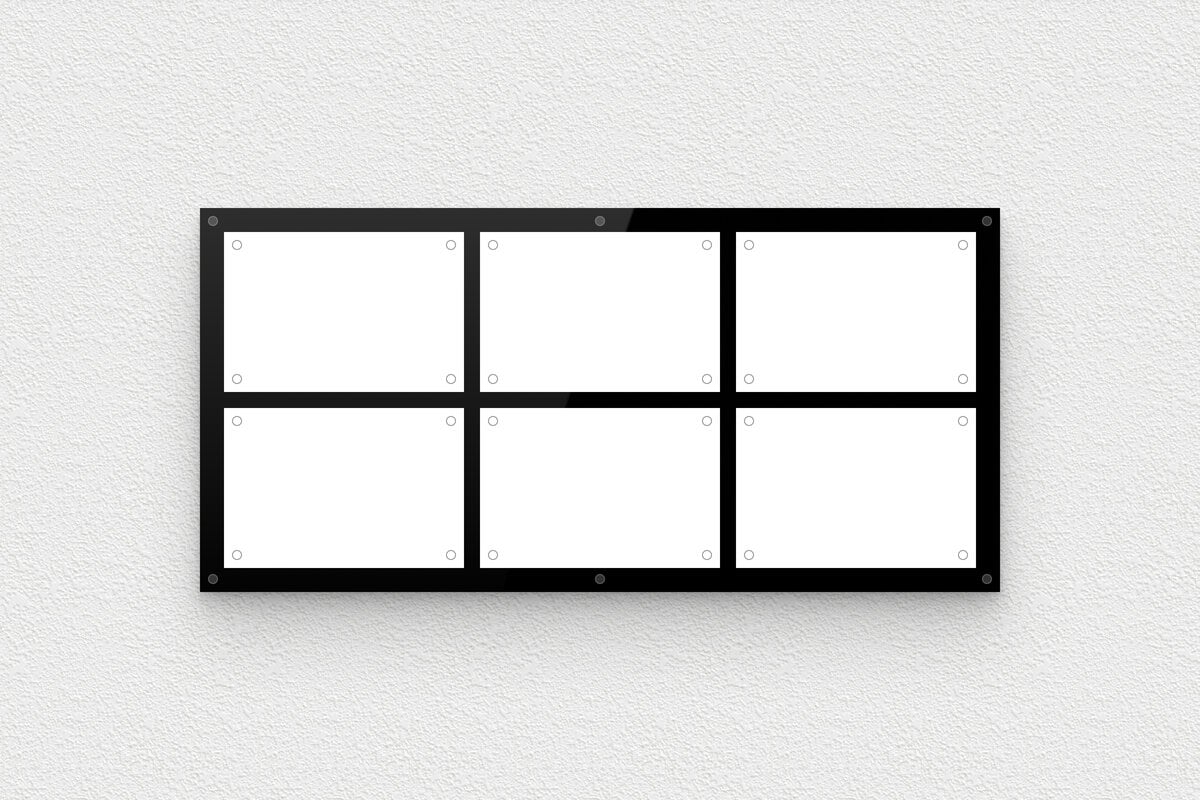
Plexiglass - 100 x 26 x 0.5 cm - Multi-sign support for professional sign 30 x 20 cm
£240.50
view details
Mount for 3 21 x 14 cm signs

Mount for 3 21 x 14 cm signs

Plexiglass - 73 x 20 x 0.5 cm - Multi-sign support for professional sign 21 x 14 cm
£134.90
view details
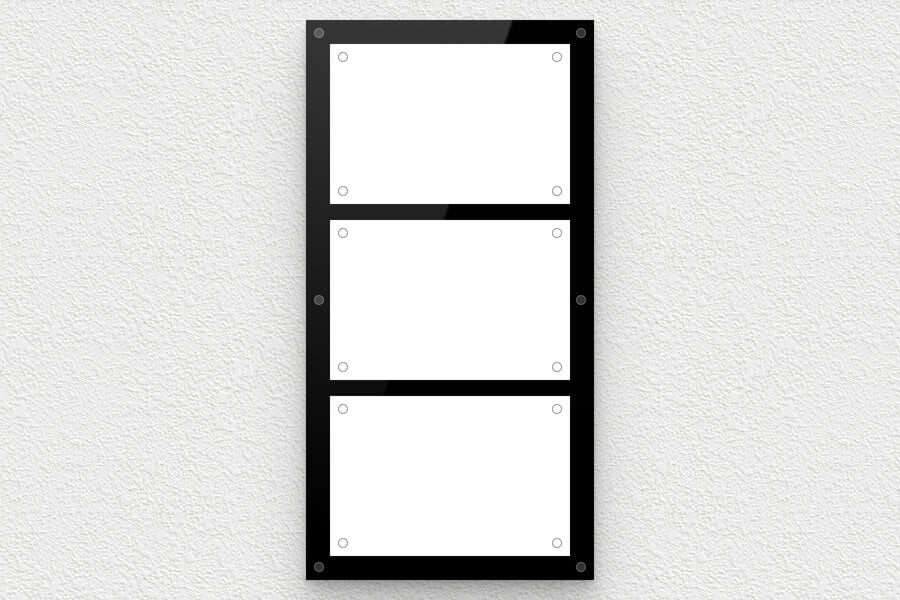
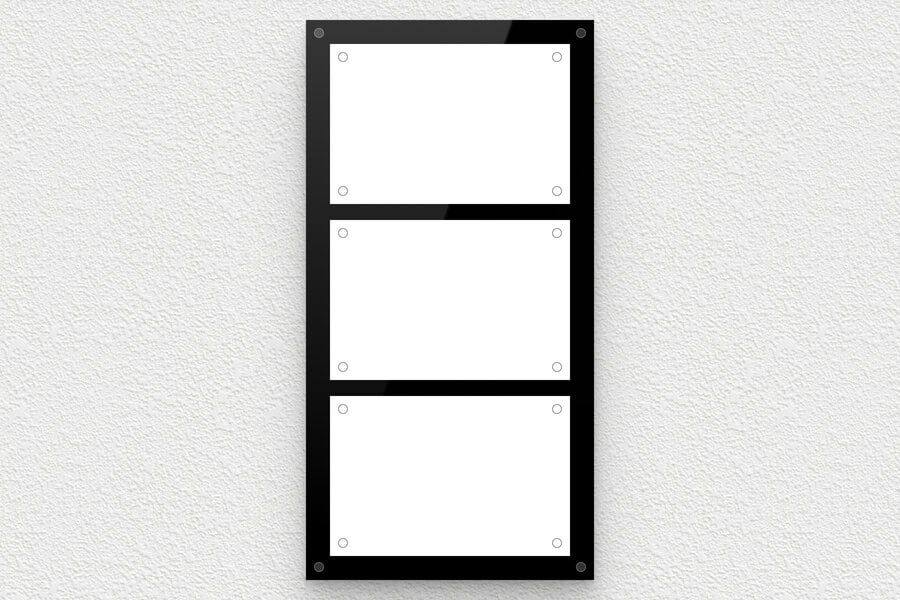
Mount for 3 30 x 20 cm signs

Mount for 3 30 x 20 cm signs

Plexiglass - 36 x 70 x 0.5 cm - Multi-sign support for professional sign 30 x 20 cm
£232.90
view details
Mount for 3 21 x 14 cm signs

Mount for 3 21 x 14 cm signs

Plexiglass - 27 x 52 x 0.5 cm - Multi-sign support for professional sign 21 x 14 cm
£129.90
view details
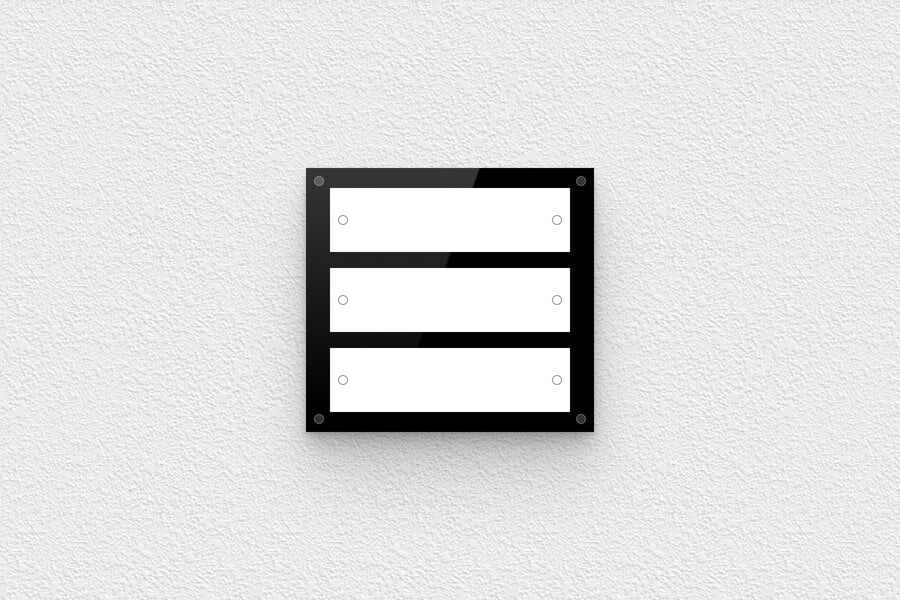
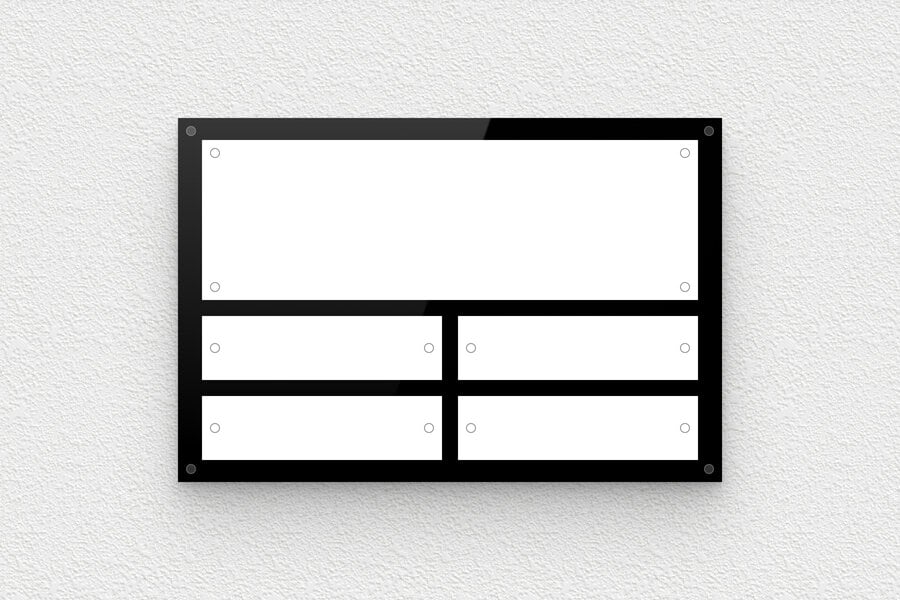
Mount for 3 30 x 8 cm signs

Mount for 3 30 x 8 cm signs

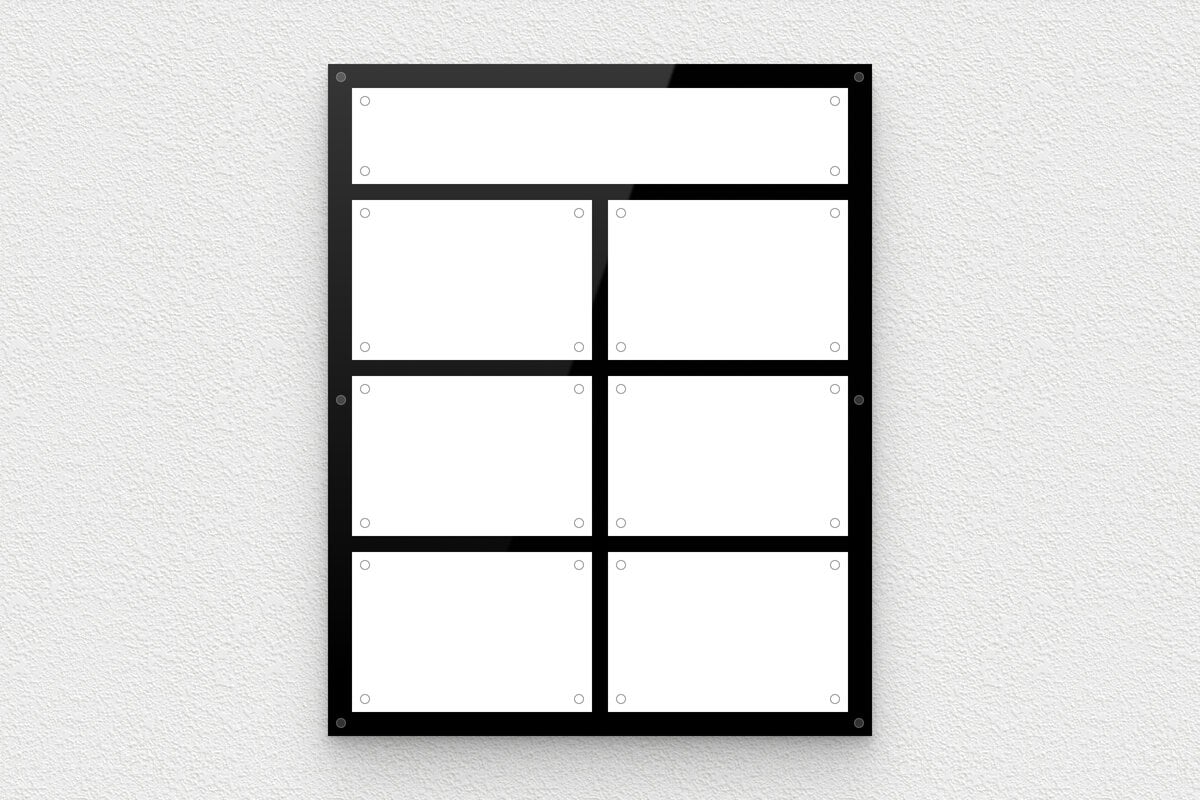
Plexiglass - 36 x 34 x 0.5 cm - Multi-sign support for professional sign 30 x 8 cm
£120.50
view details
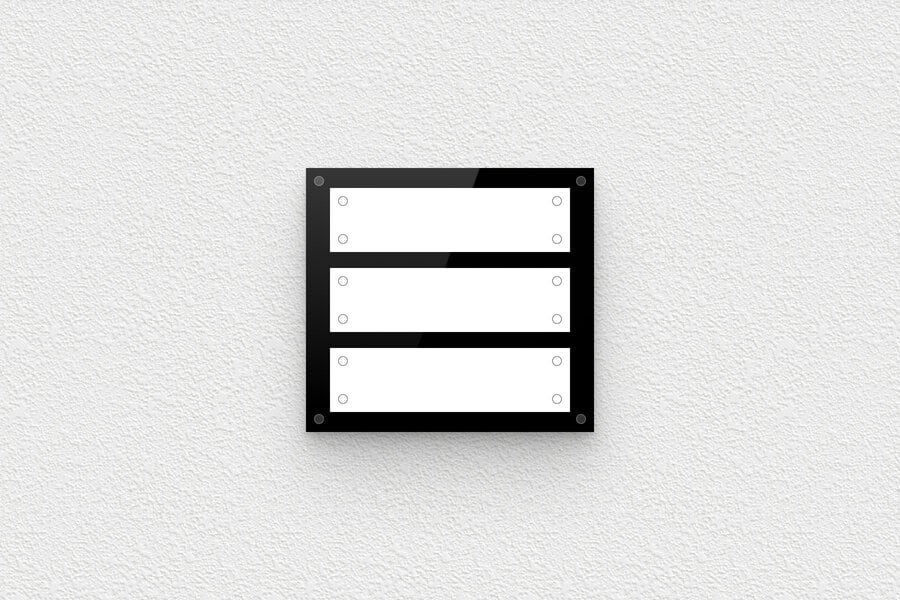
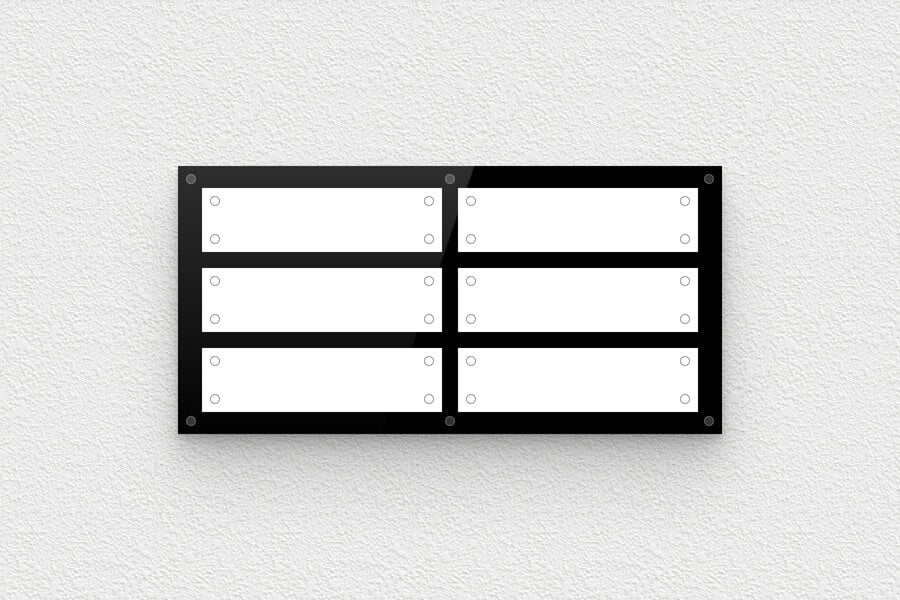
Mount for 3 21 x 5.6 cm signs

Mount for 3 21 x 5.6 cm signs

Plexiglass - 27 x 26.8 x 0.5 cm - Multi-sign support for professional sign 21 x 5.6 cm
£97.27
view details
Secure payment
Secure payment
by card (3x free), PayPal or bank transfer
Show more

What are the UK accessibility requirements for office directory signs?

UK directory signs must comply with the Equality Act 2010 and BS 8300-2:2018 standards to ensure accessibility for all users, including those with disabilities.

Key accessibility requirements include:

  • Minimum text sizes and high contrast ratios for visual clarity
  • Appropriate mounting heights within reach ranges for wheelchair users
  • Tactile elements where required for visually impaired users
  • Consistent lighting and glare reduction for optimal legibility
  • Clear, sans-serif typography for enhanced readability

These standards ensure your directory signs are not only legally compliant but also demonstrate your commitment to inclusive design that benefits all building users.

How easy is it to update tenant names on multi-panel directory systems?

Multi-panel directory systems are specifically designed for easy updates with minimal disruption to building operations. These modular systems allow individual nameplate replacement without affecting surrounding information.

The update process typically involves:

  • Individual panel removal and replacement rather than entire system updates
  • Quick-change mechanisms that require no special tools
  • Minimal downtime during tenant changeovers
  • Consistent visual appearance maintained across all panels

This flexibility makes multi-panel systems ideal for buildings with regular tenant turnover, as they can accommodate changes efficiently whilst maintaining professional standards throughout the building.

What materials work best for directory signs in high-traffic UK office buildings?

For high-traffic UK office environments, material selection is crucial for longevity and maintaining professional appearance despite heavy use.

The most effective materials include:

  • Aluminium composite materials: Exceptional durability, weather resistance, and resistance to warping, fading, and impact damage
  • Stainless steel components: Premium durability with inherent antimicrobial properties, ideal for healthcare facilities
  • High-grade acrylic: Cost-effective with excellent optical clarity and resistance to yellowing over decades

These materials are specifically chosen for their ability to withstand UK climate variations, humidity changes, and constant use whilst maintaining consistent professional appearance. Brushed finishes on stainless steel also help reduce fingerprint visibility in high-touch areas.

Do I need planning permission for external directory signs in the UK?

External directory signs may require planning permission under the Town and Country Planning Act, depending on your specific location and building type.

Planning permission is typically required for:

  • Signs in conservation areas or on listed buildings
  • Installations that significantly alter the building's external appearance
  • Signs that exceed permitted development rights size limits
  • Any signage affecting the historical significance or community character

The approval process considers visual impact, historical significance, and local planning policies. Early consultation with your local planning authority is recommended to prevent delays and ensure compliance. Professional installers often manage these approvals as part of comprehensive service packages, including building control approval for installations affecting structural elements.

How do I choose between wall-mounted and freestanding directory signs for my building?

The choice between wall-mounted and freestanding directory signs depends on your building layout, traffic patterns, and space constraints.

Wall-mounted directory signs are ideal for:

  • Smaller buildings housing up to twenty tenants
  • Reception areas and corridors with limited floor space
  • Locations where wall space is readily available
  • Buildings requiring streamlined, space-efficient solutions

Freestanding directory boards work best for:

  • Large lobbies and high-traffic areas where wall mounting is impractical
  • Spaces where visitors approach from multiple directions
  • Shopping centres or campus environments
  • Areas requiring double-sided information display

Consider your building's traffic flow, available space, and future expansion needs when making this decision. Freestanding options offer more flexibility but require adequate floor space, whilst wall-mounted systems provide clean, integrated solutions for more compact environments.

Directory signs serve as the professional gateway to multi-tenant buildings, transforming visitor confusion into seamless navigation. These sophisticated directory signs combine functional wayfinding with elegant design, creating that crucial first impression whilst ensuring compliance with UK accessibility standards. Whether you're managing a bustling office complex, medical centre, or corporate headquarters, the right directory signage system becomes an investment in both professional image and operational efficiency.

Modern directory signs have evolved far beyond simple name lists mounted on walls. Today's systems offer modular flexibility, premium materials, and customisation options that reflect your building's unique character. From sleek aluminium composite panels to traditional brass nameplates, these solutions adapt to changing tenancies whilst maintaining consistent professional standards. The best directory signs anticipate future needs, offering easy updates without compromising aesthetic integrity.

Understanding the nuances of directory signage selection requires balancing regulatory compliance, material durability, and visual impact. UK buildings demand solutions that meet accessibility requirements whilst delivering the sophisticated appearance that modern businesses expect. This comprehensive guide explores everything from material specifications to installation considerations, helping you make informed decisions that serve your building for years to come.

Understanding directory signs and their essential role in professional buildings

Directory signs function as the navigation backbone of multi-tenant environments, providing visitors with immediate orientation and reducing reception desk inquiries. These systems typically feature modular panels displaying tenant names, suite numbers, and floor locations in clear, accessible formats. The most effective office directory signs integrate seamlessly with existing architecture whilst maintaining flexibility for tenant changes.

Professional directory signage addresses several critical business needs simultaneously. First, they enhance visitor experience by eliminating confusion and reducing time spent searching for specific offices or departments. Second, they project professional competence, suggesting that building management maintains high standards throughout the property. Third, they satisfy legal requirements under the Equality Act 2010, ensuring accessibility for all users including those with visual impairments.

The psychology of wayfinding reveals why quality directory signs matter beyond mere functionality. Visitors form impressions within seconds of entering a building, and clear, professional signage contributes to positive perceptions of all tenants. Conversely, outdated or confusing directory systems can create negative associations that affect business relationships before meetings even begin.

Types of directory sign systems for different building requirements

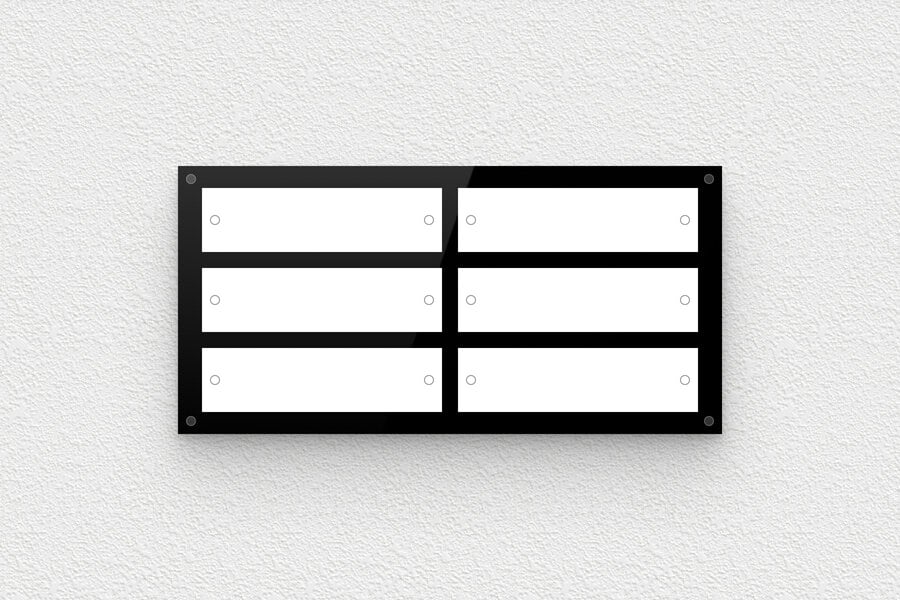
Wall-mounted directory signs represent the most common solution for smaller buildings housing up to twenty tenants. These systems typically feature a single panel with engraved or printed tenant information, often incorporating company logos or departmental designations. The compact format suits reception areas, lobbies, and corridor locations where space constraints require efficient design.

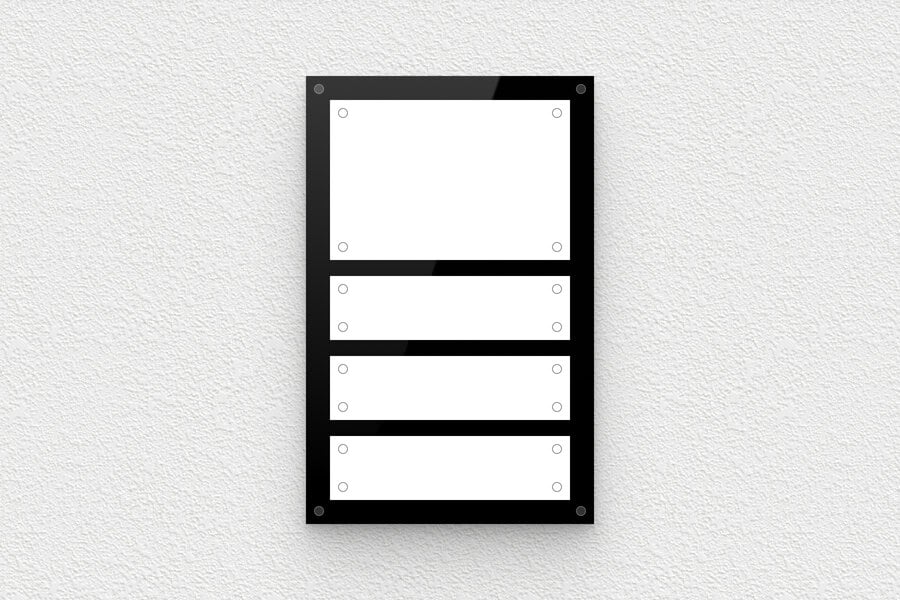
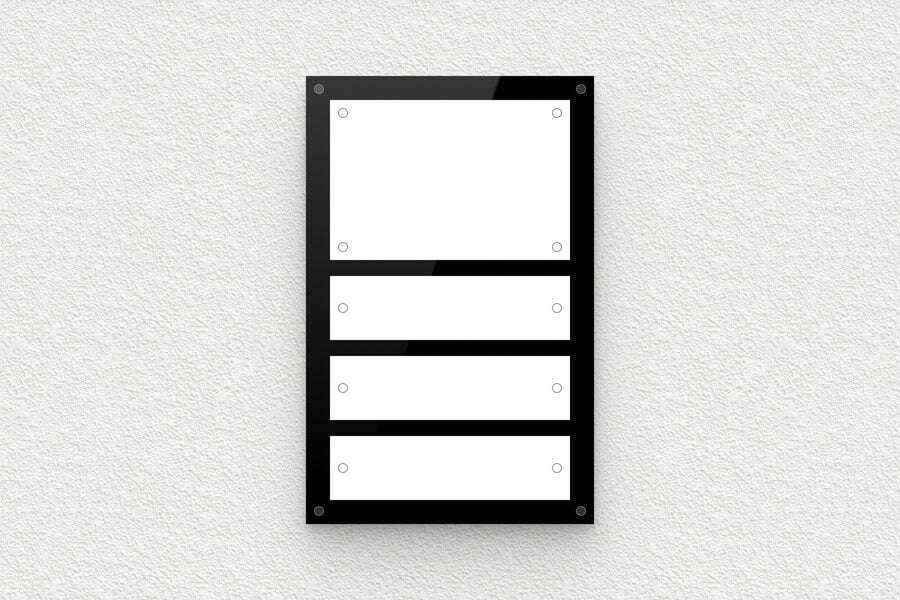
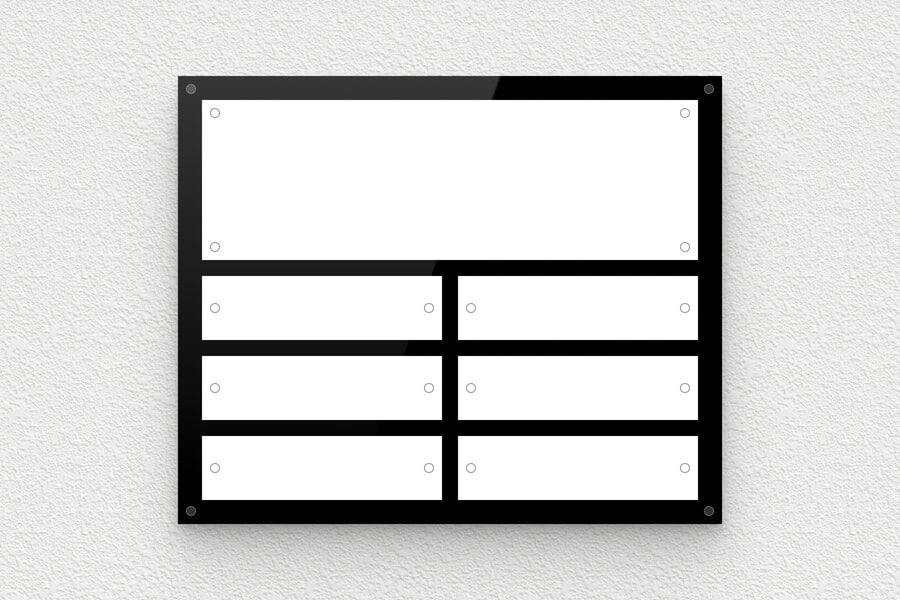
Multi-panel directory systems serve larger complexes requiring extensive tenant listings or frequent updates. These modular approaches allow individual nameplate replacement without affecting surrounding information, making them ideal for buildings with regular tenant turnover. The panels can be arranged vertically or horizontally, adapting to available wall space whilst maintaining visual hierarchy.

Freestanding directory boards offer flexibility in high-traffic areas where wall mounting proves impractical. These systems work particularly well in large lobbies, shopping centres, or campus environments where visitors approach from multiple directions. The double-sided capability maximises information display whilst creating natural gathering points for orientation.

Material selection and construction quality for lasting performance

Aluminium composite materials dominate professional directory sign construction due to their exceptional durability and weather resistance. These lightweight panels resist warping, fading, and impact damage whilst accepting various finishing techniques including digital printing, vinyl application, and direct engraving. The material's stability ensures consistent appearance across temperature variations and humidity changes common in UK climates.

Acrylic panels offer cost-effective alternatives with excellent optical clarity and customisation potential. High-grade acrylic resists yellowing and maintains transparency for decades when properly manufactured. The material accepts laser engraving, creating precise text and graphics that remain legible under various lighting conditions. Edge-polishing techniques eliminate sharp corners whilst enhancing professional appearance.

Stainless steel components provide premium durability for high-traffic environments requiring maximum longevity. The material's inherent antimicrobial properties suit healthcare facilities, whilst its sophisticated appearance complements contemporary architectural styles. Brushed finishes reduce fingerprint visibility whilst maintaining the lustrous quality that suggests quality and permanence.

Mounting systems and installation considerations

Stand-off mounting systems create the floating effect preferred in modern commercial environments. These fixings position directory signs approximately 15-25mm from wall surfaces, generating subtle shadows that enhance visual depth whilst facilitating air circulation behind panels. Chrome or brushed stainless steel standoffs complement most interior design schemes whilst providing secure attachment to various wall types.

Direct wall mounting offers streamlined profiles suitable for narrow corridors or areas where projection restrictions apply. Modern adhesive technologies provide secure attachment without visible fixings, creating clean lines that emphasise the signage rather than mounting hardware. This approach works particularly well with lightweight acrylic systems in controlled indoor environments.

Professional installation ensures compliance with accessibility requirements and building regulations. Qualified installers assess wall conditions, verify fixing suitability, and position signs at appropriate heights for universal access. They also coordinate with building management to minimise disruption whilst ensuring proper integration with existing electrical and security systems.

Customisation options and branding integration for directory signs

Corporate branding transforms standard directory signs into powerful marketing tools that reinforce professional identity throughout buildings. Logo integration requires careful consideration of size, placement, and colour reproduction to maintain brand standards whilst ensuring legibility. The most successful implementations balance brand visibility with functional clarity, creating signs that serve both wayfinding and promotional purposes.

Colour coordination extends branding consistency across entire directory systems. Custom colour matching ensures perfect alignment with corporate palettes, whilst contrasting text colours maintain accessibility compliance. Modern printing technologies reproduce complex colour schemes accurately, enabling sophisticated designs that reflect brand personality without compromising functionality.

Typography selection significantly impacts both aesthetics and accessibility. Sans-serif fonts generally provide superior legibility at various distances and lighting conditions, whilst font weight and spacing affect readability for users with visual impairments. The best directory signs balance brand-appropriate typography with universal design principles, ensuring information accessibility for all users.
Digital integration and future-proofing considerations

Digital directory displays offer dynamic content management for buildings with frequent tenant changes or complex wayfinding requirements. These systems enable real-time updates, multilingual displays, and interactive features that enhance user experience. However, they require ongoing maintenance, power supplies, and technical support that traditional static signs avoid.

Hybrid approaches combine static frameworks with changeable digital elements, providing flexibility without complete dependence on technology. These systems might feature permanent building identification with digital tenant listings, or static directory structures with digital advertising panels. The approach balances update convenience with reliability concerns.

Future-proofing strategies consider potential building modifications, tenant mix changes, and evolving accessibility requirements. Modular systems accommodate expansion or reconfiguration, whilst quality materials ensure longevity despite changing needs. The most successful directory sign investments anticipate growth whilst providing immediate functionality.

Compliance requirements and accessibility standards for UK buildings

The Equality Act 2010 mandates that directory signs meet specific accessibility criteria ensuring usability for people with disabilities. These requirements include minimum text sizes, contrast ratios, and tactile elements where appropriate. Compliance isn't merely legal obligation but demonstrates commitment to inclusive design that benefits all building users.

BS 8300-2:2018 provides detailed guidance for accessible signage design, specifying mounting heights, character sizes, and contrast requirements. Directory signs must position information within reach ranges whilst maintaining visibility for wheelchair users and people of varying heights. The standards also address lighting requirements and glare reduction to ensure consistent legibility.

Fire safety regulations influence directory sign placement and materials, particularly in escape routes and emergency assembly areas. Signs must not obstruct egress paths or create navigation confusion during emergencies. Some installations require fire-resistant materials or specific mounting methods to maintain structural integrity under extreme conditions.

Planning permission and regulatory approval processes

External directory signs may require planning permission under the Town and Country Planning Act, particularly in conservation areas or listed buildings. The approval process considers visual impact, historical significance, and community character. Early consultation with planning authorities prevents delays and ensures compliance with local requirements.

Building control approval applies to installations affecting structural elements or requiring electrical connections. This process verifies safety compliance and ensures proper integration with building systems. Professional installers typically manage these approvals as part of comprehensive service packages.

Landlord permissions and lease compliance require careful attention in multi-tenant buildings. Directory sign installations must align with lease terms whilst meeting individual tenant requirements. Clear agreements prevent conflicts and ensure consistent standards across entire buildings.

Maintenance strategies and long-term performance optimisation

Preventive maintenance extends directory sign lifespan whilst maintaining professional appearance. Regular cleaning schedules remove accumulated dirt and pollutants that can degrade materials over time. Different materials require specific cleaning approaches - acrylic panels need gentle, non-abrasive treatments, whilst aluminium surfaces tolerate more aggressive cleaning when necessary.

Update procedures should anticipate tenant changes with minimal disruption to building operations. Modular systems enable individual panel replacement, whilst integrated designs may require complete section updates. Establishing clear protocols with building management ensures timely updates that maintain accuracy and professional standards.

Performance monitoring identifies potential issues before they affect functionality or appearance. Regular inspections check mounting security, material condition, and information accuracy. Professional maintenance contracts provide systematic oversight whilst ensuring compliance with warranty requirements and safety standards.

Selecting the right directory signs requires balancing immediate needs with long-term performance expectations. Quality materials, professional installation, and thoughtful design create systems that serve buildings effectively for decades. Whether you're upgrading existing signage or planning new installations, partnering with experienced specialists ensures solutions that meet both functional requirements and aesthetic aspirations. Consider how Otypo's expertise in customised signage solutions can help create directory systems that reflect your building's unique character whilst delivering the reliability and professionalism that UK businesses demand.

Read more...
Quote on requestCustom quotes available for bulk or special requests
Secure paymentSecure payment via card or PayPal
Free shippingFree delivery from £60
Volume discountsUp to 20% off with volume discounts!
Custom productsCreate your own product easily with our online editor
Quote on requestCustom quotes available for bulk or special requests
Secure paymentSecure payment via card or PayPal
Free shippingFree delivery from £60
Volume discountsUp to 20% off with volume discounts!
Custom productsCreate your own product easily with our online editor