Get a quote
express 4h


Your sign in just 2 minutes.
Full editor: 27 materials, 219 colors, 12 mounting options
Marking: laser engraving, mechanical or printed
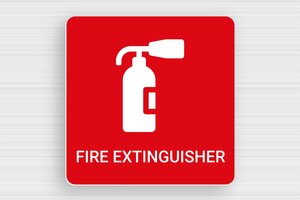
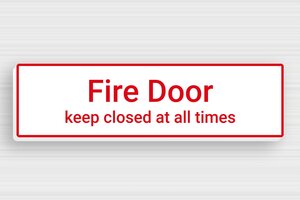

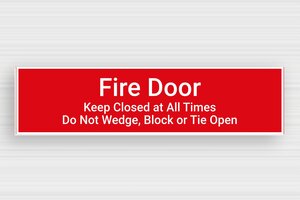
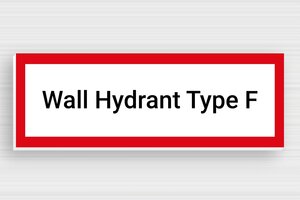



Under the Regulatory Reform (Fire Safety) Order 2005, UK businesses must display specific fire safety signs to ensure compliance and protect occupants. The key legally required signs include:
All signs must comply with BS EN ISO 7010 standards, which replaced older BS 5499 specifications. The responsible person (typically the employer or building owner) is legally obligated to ensure appropriate signage is installed and maintained throughout non-domestic premises.
Fire exit signs must be strategically positioned to ensure clear visibility and guidance during emergencies. Key placement requirements include:
Signs must remain visible from all workstations and areas where occupants might be present. In office environments, particular attention is needed for reception areas and visitor spaces where unfamiliar occupants require clear guidance to emergency exits. Building Regulations specify exact requirements for illumination and visibility during both normal and emergency conditions.
Photoluminescent fire safety signs offer enhanced visibility during power failures, making them superior for emergency situations. Here are the key differences:
Photoluminescent Signs:
Standard Signs:
While photoluminescent signs carry higher upfront costs, their extended service life and reduced maintenance requirements often provide superior long-term value, especially in critical evacuation areas.
Regular inspection and maintenance of fire safety signs is legally required under the Regulatory Reform (Fire Safety) Order 2005. The recommended inspection schedule includes:
Monthly Visual Checks:
Six-Monthly Detailed Assessments:
Immediate Replacement Required When:
Documentation of all inspections and maintenance activities provides essential evidence of regulatory compliance during official inspections. The responsible person must ensure prompt replacement of any signs showing deterioration to maintain legal compliance and safety effectiveness.
Yes, fire safety signs can be customised to meet specific business needs while maintaining full regulatory compliance with UK law. Customisation options include:
Permitted Customisations:
Compliance Requirements:
At Otypo, our online configurator enables precise customisation while ensuring all signs meet mandatory standards. Our design team verifies that customised elements enhance rather than compromise the essential safety information required by law.
The penalties for non-compliance with fire safety signage requirements in the UK are severe and can have serious consequences for responsible persons. Under current legislation:
Financial Penalties:
Criminal Consequences:
Additional Consequences:
The Regulatory Reform (Fire Safety) Order 2005 places personal responsibility on designated individuals, making compliance essential for both legal protection and occupant safety. Investing in proper fire safety signage represents minimal cost compared to potential penalties and consequences of non-compliance.
Yes, fire doors require specific signage under UK regulations to ensure they function correctly during emergencies. The mandatory signage includes:
Self-Closing Fire Doors:
Automatic Fire Doors:
Additional Requirements:
Modern fire door signs help building users understand the critical role these barriers play in overall fire safety strategy. Proper signage ensures fire doors maintain their protective function by preventing propping open or obstruction of closing mechanisms, which could compromise the building's fire compartmentalisation during an emergency.
Choosing the right materials for fire safety signs ensures long-term durability, regulatory compliance, and cost-effectiveness. The best materials depend on your specific environment and requirements:
Photoluminescent Materials:
Rigid PVC Signs:
Aluminium Signs:
Self-Adhesive Options:
Fire safety signs are essential components of any UK workplace, serving as critical lifelines during emergencies while ensuring compliance with stringent British regulations. These vital safety markers guide occupants to exits, identify fire equipment locations, and communicate essential emergency procedures when seconds count most. For businesses across the United Kingdom, implementing comprehensive fire safety signs isn't merely a regulatory requirement—it's a fundamental responsibility that protects lives, property, and livelihoods.
The importance of proper fire safety signage extends far beyond basic compliance. Modern fire safety signs must meet exacting standards set by the Regulatory Reform (Fire Safety) Order 2005 and BS EN ISO 7010, ensuring universal recognition and immediate understanding during high-stress situations. Whether you're managing a bustling office complex, overseeing a manufacturing facility, or responsible for a retail establishment, the right fire safety signage creates clear evacuation pathways and reduces panic during emergencies.
At Otypo, we understand that effective fire safety signage combines regulatory compliance with practical functionality. Our comprehensive range of fire safety signs delivers European quality craftsmanship with the customisation flexibility that UK businesses demand. From photoluminescent exit signs that glow during power failures to bespoke fire action notices tailored to specific premises, we provide solutions that protect your people while meeting every legal requirement.
The regulatory landscape governing fire safety signs in the UK is comprehensive and strictly enforced, with the Regulatory Reform (Fire Safety) Order 2005 serving as the primary legislation. This crucial regulation designates a 'responsible person'—typically the employer, building owner, or managing agent—who must ensure appropriate fire safety measures, including proper signage, are implemented and maintained throughout non-domestic premises.
Under these regulations, fire safety signs must clearly indicate escape routes, final exits, fire-fighting equipment locations, and emergency assembly points. The legislation works in conjunction with the Health and Safety (Safety Signs and Signals) Regulations 1996, which establishes the colour coding and symbol requirements that ensure consistency across all UK workplaces. Non-compliance carries serious consequences, including unlimited fines and potential imprisonment for responsible persons who fail to meet their legal obligations.
BS EN ISO 7010 represents the current standard for fire safety sign design, replacing older BS 5499 specifications to align with European harmonisation efforts. This standard ensures that fire safety symbols are universally recognisable, using consistent pictograms that transcend language barriers. The green and white colour scheme for exit signs, red backgrounds for fire equipment markers, and specific symbol designs all stem from these comprehensive standards.
Building Regulations also play a crucial role, particularly regarding the placement and illumination of exit signage. These regulations specify viewing distances, sign sizes, and lighting requirements that ensure visibility during both normal conditions and emergency situations. Regular fire risk assessments, mandatory under current legislation, must evaluate signage adequacy and identify areas requiring additional or updated signs.
Modern fire safety signage encompasses several distinct categories, each serving specific functions within a comprehensive emergency preparedness strategy. Understanding these different types ensures complete coverage of your legal obligations while providing optimal protection for building occupants.
Fire exit signs represent the most recognisable category of fire safety signage, featuring the distinctive green background with white symbols and text. The running man pictogram, standardised under BS EN ISO 7010, provides immediate visual recognition regardless of lighting conditions or occupant language abilities. Directional arrows guide people along escape routes, while final exit signs—those leading directly to open air—omit arrows to prevent confusion about the ultimate destination.
Photoluminescent fire exit signs offer enhanced visibility during power failures, charging under normal lighting conditions and glowing for hours in darkness. These signs prove particularly valuable in buildings where emergency lighting systems might fail or in areas where electrical backup systems are impractical. The phosphorescent materials used in quality photoluminescent signs maintain their charging capacity for years, providing reliable emergency illumination throughout their service life.
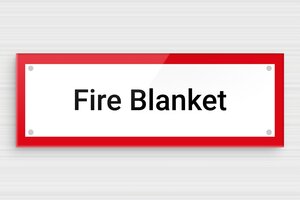
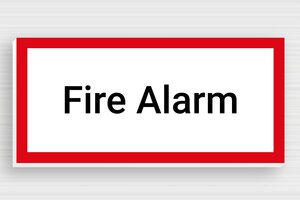
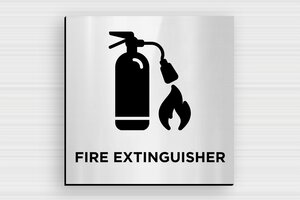
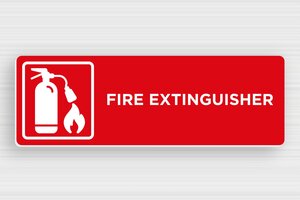
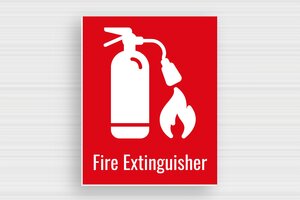
Fire equipment signs use distinctive red backgrounds with white symbols to identify the locations of fire extinguishers, hose reels, fire blankets, and alarm call points. These signs ensure that fire-fighting equipment remains easily locatable during emergencies, when smoke and panic might otherwise obscure important safety resources. Proper placement of equipment signs requires careful consideration of sight lines and accessibility, ensuring that signs remain visible from multiple approach angles.
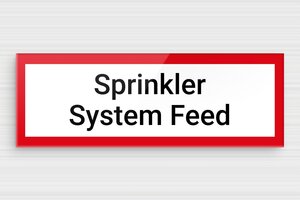
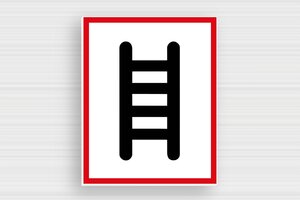
Specialised fire equipment signs also identify dry risers, sprinkler controls, and fire service access points that emergency responders need to locate quickly. These signs often incorporate additional text or symbols to specify equipment types or operational instructions, helping both building occupants and professional firefighters respond effectively to different emergency scenarios.
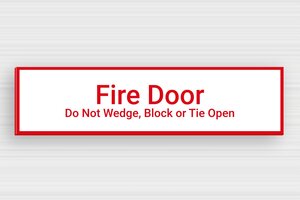
Fire doors require specific signage to ensure they function correctly during emergencies. "Fire Door Keep Shut" signs remind occupants to close self-closing fire doors after passage, maintaining the compartmentalisation that prevents fire and smoke spread. Automatic fire doors require "Fire Door Keep Clear" signage to ensure the closing mechanism operates unimpeded when activated by fire detection systems.
These signs must appear on both sides of fire doors to ensure visibility from either direction. Modern fire door signs often incorporate additional information about the door's fire rating or specific operational requirements, helping building users understand the critical role these barriers play in overall fire safety strategy.
Material selection significantly impacts both the longevity and effectiveness of fire safety signs, with different environments requiring specific material properties to ensure continued visibility and regulatory compliance over time.
Photoluminescent materials represent a significant advancement in fire safety signage technology, providing reliable visibility without electrical power requirements. Quality photoluminescent signs charge rapidly under normal artificial or natural lighting, then glow steadily for hours in darkness. PSPA Class B certification ensures that these materials meet stringent performance standards for brightness and duration, providing dependable emergency illumination when conventional lighting fails.
The phosphorescent compounds used in professional-grade signs maintain their charging properties for decades with minimal degradation, making them cost-effective long-term solutions. These materials prove particularly valuable in buildings with complex electrical systems, temporary structures, or areas where emergency lighting installation is impractical or expensive.
Rigid PVC signs offer excellent durability for indoor applications, resisting fading, cracking, and impact damage while maintaining crisp graphics and text. These signs work well in controlled environments where temperature fluctuations and weather exposure are minimal. For high-traffic areas or locations subject to physical contact, aluminium signs provide superior impact resistance and professional appearance that withstands years of use.
Self-adhesive options simplify installation while providing secure mounting on clean, smooth surfaces. These signs eliminate the need for drilling or mechanical fixings, making them ideal for temporary installations, rented premises, or situations where surface damage must be minimised. Premium adhesives maintain their bond strength across wide temperature ranges while allowing clean removal when necessary.
Effective fire safety signage placement requires careful consideration of human behaviour during emergencies, building layout complexities, and regulatory requirements that ensure optimal visibility and comprehension under stress conditions.
Viewing distance calculations determine appropriate sign sizes, with larger signs required for longer sight lines or areas where occupants might be moving quickly during evacuation. Signs must remain clearly visible from the maximum expected viewing distance while being large enough to read quickly under emergency conditions. Height placement typically ranges from 2 to 2.5 metres above floor level, ensuring visibility over crowds while remaining within normal sight lines.
Illumination requirements vary depending on building type and emergency lighting provisions. Where emergency lighting systems exist, fire safety signs must integrate with these systems to ensure continued visibility during power failures. In buildings without comprehensive emergency lighting, photoluminescent signs provide essential backup illumination without additional electrical infrastructure.
Office environments present unique challenges for fire safety signage placement, with open-plan layouts, moveable partitions, and changing furniture arrangements potentially obscuring signs over time. Exit signs must remain visible from all workstations, requiring careful positioning that accounts for typical office configurations and potential future layout changes.
Reception areas and visitor spaces require particular attention, as unfamiliar occupants need clear guidance to emergency exits. Stairwell signage must indicate direction of travel and identify floor levels, helping occupants navigate multi-storey buildings during evacuation. Corridor signs should provide continuous guidance along escape routes, with directional indicators at every decision point where occupants might become confused about the correct path to safety.
Regular inspection and maintenance of fire safety signage ensures continued compliance with UK regulations while preserving the effectiveness of your emergency preparedness systems. The Regulatory Reform (Fire Safety) Order 2005 requires responsible persons to maintain fire safety measures, including signage, in proper working condition through regular checks and prompt replacement when necessary.
Inspection schedules should include monthly visual checks for damage, obscuration, or fading, with more detailed assessments every six months. Photoluminescent signs require periodic testing of their charging and glowing properties, ensuring the phosphorescent materials continue performing to specification. Documentation of all inspections and maintenance activities provides essential evidence of regulatory compliance during official inspections or investigations.
Signs showing wear, damage, or reduced visibility must be replaced promptly to maintain legal compliance and safety effectiveness. Faded text, cracked surfaces, or compromised adhesive bonds can render signs ineffective during emergencies, potentially contributing to evacuation delays or confusion when clear guidance is most critical.
While standardised fire safety signs meet most regulatory requirements, many businesses benefit from customised signage that addresses specific building layouts, operational procedures, or occupant needs. Bespoke fire action notices can incorporate company-specific emergency procedures, contact numbers, and assembly point locations that reflect actual evacuation plans rather than generic instructions.
Multi-language requirements in diverse workplaces may necessitate bilingual or multilingual signage that ensures all occupants understand critical safety information. Custom sizing allows signs to fit specific architectural features or viewing distance requirements that standard sizes cannot accommodate effectively. Specialised mounting options can address unique installation challenges in heritage buildings, temporary structures, or environments with specific aesthetic requirements.
At Otypo, our online configurator enables precise customisation while maintaining full regulatory compliance. Our design team ensures that all customised signs meet BS EN ISO 7010 requirements while incorporating the specific information and formatting that your premises require for optimal safety and compliance.
Effective budgeting for fire safety signage requires understanding both initial installation costs and long-term maintenance expenses. Quality materials and professional-grade manufacturing represent investments in durability and reliability that reduce replacement frequency and maintenance costs over time. While premium photoluminescent signs carry higher upfront costs than basic alternatives, their extended service life and reduced maintenance requirements often provide superior long-term value.
Bulk ordering for multi-site businesses or comprehensive building coverage typically provides significant cost advantages while ensuring consistency across all locations. Standardising on specific sign types and materials simplifies inventory management and replacement procedures while potentially qualifying for volume pricing benefits. The cost of compliance far outweighs the potential consequences of inadequate signage, including unlimited fines, legal liability, and the immeasurable cost of occupant safety.
Return on investment extends beyond regulatory compliance to include reduced insurance premiums, improved emergency response times, and enhanced occupant confidence in building safety systems. Quality fire safety signage demonstrates professional commitment to safety standards that can positively influence employee satisfaction, customer confidence, and regulatory relationships.
Investing in comprehensive fire safety signs represents one of the most cost-effective safety measures available to UK businesses, providing essential protection while ensuring full regulatory compliance. The combination of proper sign selection, strategic placement, and regular maintenance creates a robust safety system that protects lives and property while demonstrating your commitment to occupant welfare. Whether you're updating existing signage or implementing a complete fire safety signage system, choosing quality products from experienced suppliers like Otypo ensures that your investment delivers reliable performance when it matters most. Our extensive range of fire safety signs, backed by decades of European manufacturing expertise and rapid UK delivery, provides the comprehensive solutions that modern businesses need to meet their safety obligations with confidence.