Health and Safety Signs
Your sign in just 2 minutes.
Full editor: 27 materials, 219 colors, 12 mounting options
Marking: laser engraving, mechanical or printed
starting at £9.74

Your sign in just 2 minutes.
Full editor: 27 materials, 219 colors, 12 mounting options
Marking: laser engraving, mechanical or printed
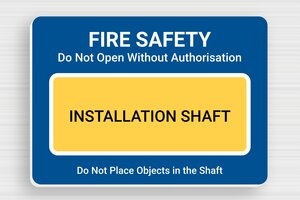
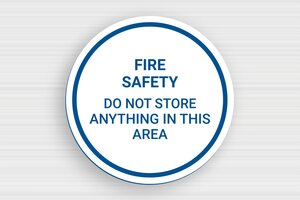

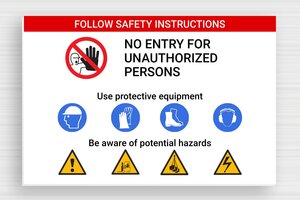
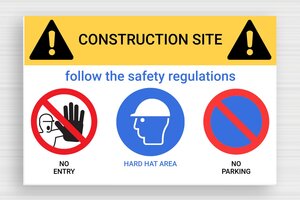
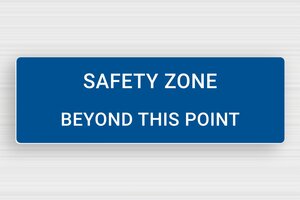
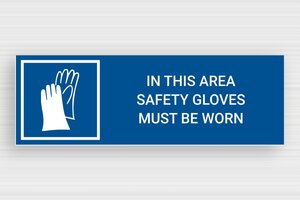
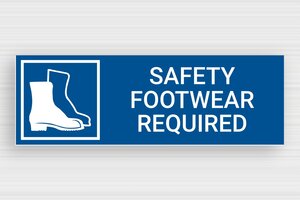


Under the Health and Safety (Safety Signs and Signals) Regulations 1996, UK employers must provide appropriate safety signs wherever significant risks to health and safety exist that cannot be adequately controlled through other means. The legal requirements apply to all workplaces where people are employed, including offices, factories, warehouses, construction sites, healthcare facilities, and educational establishments.
Legally required signs typically include:
The specific signs required depend on your workplace risk assessment findings. Employers must conduct thorough risk assessments to determine where signs are necessary and ensure they comply with BS EN ISO 7010 standards for design and visibility.
Selecting appropriate safety signage requires a systematic approach that begins with a comprehensive risk assessment of your specific workplace environment. The process involves identifying hazards unique to your business type, understanding traffic patterns, and evaluating environmental conditions.
Key considerations for different business types include:
The selection process should balance regulatory compliance with practical functionality, ensuring safety messages are communicated clearly without creating visual clutter. Consider factors such as lighting conditions, viewing distances, potential obstructions, and emergency evacuation routes when determining signage requirements and positioning.
BS EN ISO 7010 is the British Standard that provides the technical framework for safety sign design, ensuring consistency and recognition across different industries and locations throughout the UK. This standard specifies the colours, shapes, symbols, and dimensions that safety signs must follow to achieve optimal effectiveness and legal compliance.
The standard matters for several important reasons:
The standard covers pictographic symbols that provide instant recognition of hazards, mandatory actions, and emergency procedures. This standardisation is crucial for maintaining workplace safety standards and ensuring your signage system effectively communicates safety information to all users.
Yes, health and safety signs can be extensively customised to address specific workplace hazards and requirements while maintaining full legal compliance with UK regulations. The key is ensuring that any customisation preserves the standardised elements required by BS EN ISO 7010 while adapting content to your specific needs.
Customisation options that maintain compliance include:
Professional signage providers offer comprehensive customisation services that combine regulatory compliance with practical functionality. Online design tools enable businesses to create bespoke safety signs that address unique hazards whilst maintaining the standardised colours, shapes, and symbols required for effective safety communication and legal compliance.
Strategic positioning of safety signs is crucial for maximum visibility and effectiveness. Sign placement must consider viewing angles, lighting conditions, potential obstructions, and typical traffic patterns within your workplace to ensure safety messages are clearly communicated when needed most.
Key positioning principles include:
For emergency signage, consider using photoluminescent materials that continue to glow when normal lighting fails. Regular assessment of lighting conditions and potential obstructions helps identify areas where repositioning or additional illumination might be necessary. Signs should remain visible from multiple angles and be positioned to avoid being blocked by equipment, furniture, or other workplace elements.
Health and safety signs require regular inspection and maintenance to ensure continued effectiveness throughout their service life. Establishing systematic maintenance schedules prevents deterioration of safety communication and maintains consistent protection levels across your workplace.
Recommended inspection and maintenance schedule:
Replacement criteria should be based on:
Proactive replacement programmes ensure that safety signage continues to serve its protective function effectively. Regular maintenance activities should include verifying that signs remain properly secured, positioned correctly, and clearly visible under normal workplace conditions.
Selecting appropriate materials for outdoor safety signage in the UK requires consideration of the challenging weather conditions including rain, wind, temperature variations, and UV exposure. The right material choice ensures long-term durability and consistent visibility throughout the sign's service life.
Recommended materials for UK outdoor conditions:
Key material properties for UK outdoor use:
Professional outdoor signage often incorporates protective coatings or laminates that enhance weather resistance while maintaining the clarity and visibility required for effective safety communication.
Yes, offices and industrial environments require different types of safety signage due to their distinct risk profiles, hazard types, and operational requirements. While both must comply with the same UK regulations, the specific signs needed vary significantly based on the workplace environment and associated risks.
Office environment signage typically focuses on:
Industrial environment signage requires more extensive coverage including:
Material requirements also differ significantly. Office signs can typically use standard indoor materials, while industrial environments often require more robust materials that can withstand harsh conditions, chemical exposure, and potential physical impact. Industrial signage must also be more visible from greater distances and remain effective in challenging lighting conditions.
Health and safety signs are fundamental components of workplace protection across the UK, serving as silent guardians that communicate vital information when it matters most. These visual safety tools transcend language barriers and provide instant recognition of hazards, mandatory actions, and emergency procedures. From bustling office environments to industrial manufacturing floors, health and safety signs create a universal language of protection that keeps employees, visitors, and contractors informed about potential risks and required safety measures.
The significance of proper workplace signage extends far beyond simple compliance with regulations. Well-designed and strategically positioned safety signs can prevent accidents, save lives, and protect businesses from costly incidents and legal complications. In today's fast-paced work environments, where attention spans are often divided, clear visual communication becomes even more critical for maintaining safety standards.
Understanding the complexities of UK safety signage requirements, material options, and customisation possibilities empowers businesses to make informed decisions that enhance workplace safety whilst meeting their specific operational needs. Whether you're managing a small office or overseeing a large industrial facility, the right safety signage solution can transform your approach to workplace protection.
The legal framework governing workplace safety signage in the UK is primarily established through the Health and Safety (Safety Signs and Signals) Regulations 1996, which implemented European Directive 92/58/EEC into British law. These comprehensive regulations mandate that employers provide appropriate safety signs wherever significant risks to health and safety exist that cannot be adequately controlled through other means.
Under these regulations, safety signs become legally required when workplace risk assessments identify hazards that pose ongoing threats despite implementing other control measures. This includes situations involving dangerous substances, machinery operations, construction activities, and areas where personal protective equipment is mandatory. The legislation applies to all workplaces where people are employed, encompassing offices, factories, warehouses, construction sites, healthcare facilities, and educational establishments.
The regulations establish clear employer responsibilities for providing, maintaining, and ensuring the effectiveness of safety signage systems. Employers must conduct thorough risk assessments to determine where signs are necessary, select appropriate sign types for identified hazards, and ensure signs remain visible and comprehensible to all workplace users. The legislation also requires that employees receive adequate information and training about the meaning of safety signs relevant to their work areas.
Compliance extends beyond simply installing signs; employers must regularly inspect and maintain signage to ensure continued effectiveness. This includes cleaning signs to maintain visibility, replacing damaged or faded signs promptly, and updating signage when workplace conditions change or new hazards emerge.
The British Standard BS EN ISO 7010 provides the technical framework for safety sign design, ensuring consistency and recognition across different industries and locations. This standard specifies the colours, shapes, symbols, and dimensions that safety signs must follow to achieve optimal effectiveness and legal compliance.
Standardisation under BS EN ISO 7010 means that a prohibition sign will be immediately recognisable whether encountered in a London office building or a Manchester manufacturing facility. The standard covers pictographic symbols that transcend language barriers, making safety information accessible to diverse workforces including international employees and visitors who may not be fluent in English.
UK workplace safety signage is categorised into five distinct types, each serving specific communication purposes and following standardised design principles. Understanding these categories enables businesses to select appropriate signage that effectively addresses their unique risk profiles and operational requirements.
The systematic approach to sign categorisation ensures that safety messages are communicated clearly and consistently, reducing confusion and enhancing the overall effectiveness of workplace safety programmes. Each sign type employs specific colours and shapes that trigger immediate recognition and appropriate responses from viewers.
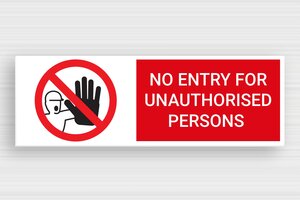
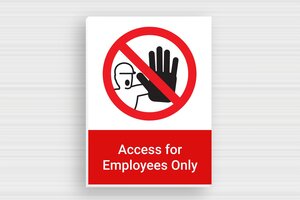
Prohibition signs feature circular designs with red borders and diagonal bars, clearly indicating actions or behaviours that are forbidden in specific areas. Common examples include 'No smoking', 'No unauthorised access', 'No mobile phones', and 'No entry' signs. These signs are particularly crucial in areas where certain activities could create immediate dangers, such as chemical storage areas, clean rooms, or zones with sensitive equipment.
In office environments, prohibition signs often address smoking restrictions, unauthorised access to server rooms or confidential areas, and restrictions on food and drink in specific zones. Manufacturing and industrial settings typically require more extensive prohibition signage covering machinery operation restrictions, access limitations to hazardous areas, and prohibitions on specific clothing or accessories that could create safety risks.
Triangular yellow warning signs with black borders alert people to potential hazards and dangerous conditions. These signs serve as advance notice systems, allowing individuals to take appropriate precautions before entering areas or engaging in activities that present risks. Examples include warnings for slippery surfaces, high voltage equipment, chemical hazards, overhead obstacles, and moving machinery.
Effective warning signs provide sufficient detail to help people understand the nature of the hazard whilst remaining simple enough for quick comprehension. In construction environments, warning signs might indicate falling object risks, excavation hazards, or areas where heavy machinery operates. Office settings typically feature warnings for wet floors, step hazards, low headroom areas, and electrical equipment.
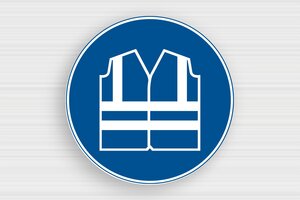
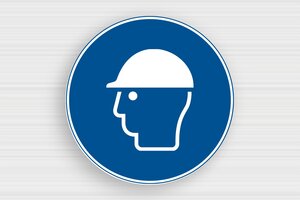
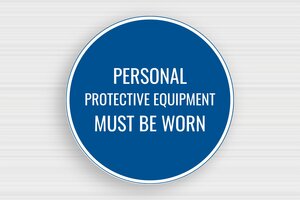
Blue circular mandatory signs specify actions that must be taken or personal protective equipment that must be worn in designated areas. These signs are essential for enforcing safety protocols and ensuring compliance with protective measures. Common mandatory signs include requirements for safety helmets, high-visibility clothing, protective footwear, eye protection, hearing protection, and hand protection.
The effectiveness of mandatory signs depends on clear communication of requirements and consistent enforcement of the specified actions. In industrial settings, mandatory signs often create zones where specific PPE is required, such as hard hat areas, high-visibility zones, or areas requiring respiratory protection. Office environments might feature mandatory signs for visitor registration, security badge requirements, or specific procedures for accessing certain areas.
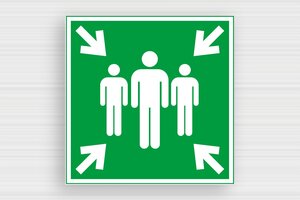
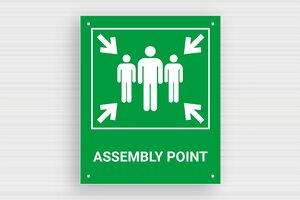
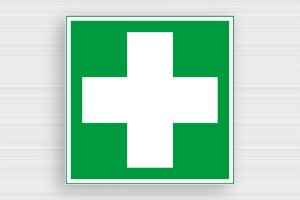
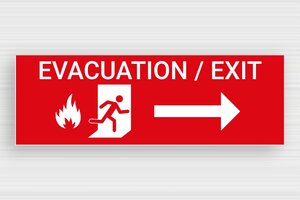
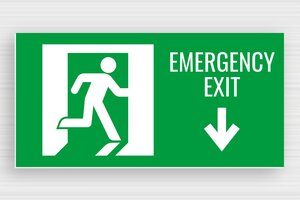
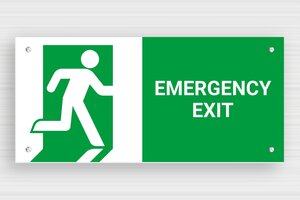
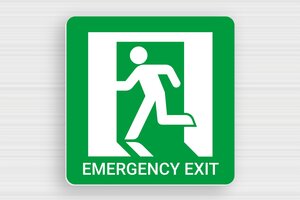
Green rectangular or square signs provide information about safe conditions, emergency equipment locations, and escape routes. These signs are crucial for emergency preparedness and include fire exit signs, assembly point markers, first aid station indicators, and emergency equipment locations. The green colour immediately signals safety and guidance, helping people navigate to safety during emergencies.
Emergency signage must be strategically positioned to remain visible even in challenging conditions such as smoke, reduced lighting, or crowded situations. Modern emergency signs often incorporate photoluminescent materials that continue to glow even when normal lighting fails, ensuring visibility during power outages or emergency situations.
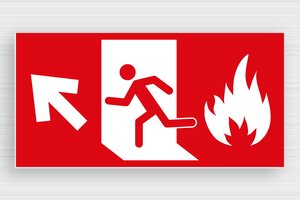
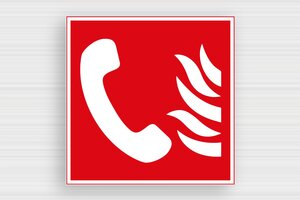
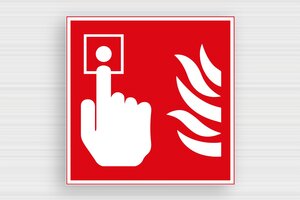
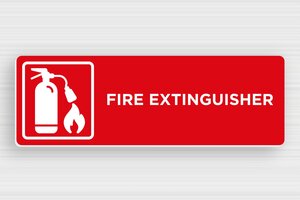
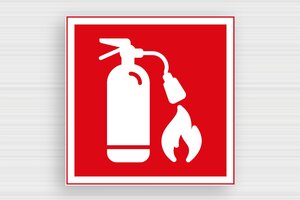
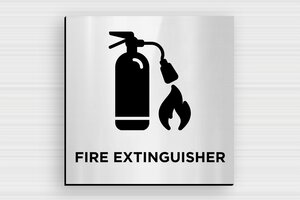
Red square or rectangular signs mark the locations of firefighting equipment and fire safety devices. These signs help emergency responders and trained personnel quickly locate fire extinguishers, hose reels, alarm call points, and fire blankets during emergency situations. The standardised red colour ensures immediate recognition even under stressful conditions.
Fire equipment signs must comply with specific positioning requirements to ensure visibility from multiple angles and distances. Regular maintenance of these signs is particularly important as they must remain clearly visible and accurately positioned relative to the equipment they identify.
Selecting appropriate safety signage requires a systematic approach that begins with comprehensive risk assessment and considers the unique characteristics of your workplace environment. The process involves identifying specific hazards, understanding traffic patterns, evaluating environmental conditions, and determining the most effective communication methods for your workforce.
Effective sign selection balances regulatory compliance with practical functionality, ensuring that safety messages are communicated clearly without creating visual clutter or confusion. The goal is to create a cohesive signage system that enhances safety awareness whilst integrating seamlessly with your workplace operations.
A thorough risk assessment forms the foundation of any effective safety signage strategy. This process involves systematically examining all areas of your workplace to identify potential hazards, assess the likelihood and severity of associated risks, and determine where safety signs can provide valuable protection or guidance.
Risk assessments should consider both obvious hazards and less apparent risks that might affect different groups of people, including employees, visitors, contractors, and delivery personnel. Factors such as lighting conditions, viewing distances, potential obstructions, and emergency evacuation routes all influence signage requirements and positioning decisions.
Different industries present unique safety challenges that require tailored signage solutions. Office environments typically focus on fire safety, first aid access, and general hazard awareness, whilst manufacturing facilities require extensive machinery warnings, PPE requirements, and chemical hazard communications.
Construction sites demand robust signage that can withstand harsh environmental conditions whilst communicating multiple safety requirements simultaneously. Healthcare facilities need signage that addresses infection control, equipment safety, and patient protection alongside standard workplace safety requirements. Educational establishments must consider age-appropriate communication methods and high-traffic area management.
The selection of appropriate materials for safety signage significantly impacts durability, visibility, and long-term cost-effectiveness. Modern safety signs utilise advanced materials and manufacturing techniques that provide superior performance across diverse environmental conditions whilst maintaining compliance with regulatory standards.
Understanding material properties and customisation options enables businesses to create signage solutions that meet their specific operational requirements whilst delivering optimal safety communication. The right material choice can extend sign lifespan, reduce maintenance requirements, and ensure consistent visibility throughout the sign's service life.
Rigid PVC boards offer excellent durability and weather resistance for both indoor and outdoor applications. This material maintains colour stability under UV exposure, resists chemical damage, and provides a smooth surface that facilitates easy cleaning and maintenance. PVC signs are particularly suitable for industrial environments where exposure to chemicals, moisture, or temperature variations might affect other materials.
Aluminium signage provides superior durability for demanding outdoor applications and high-traffic areas. The material's inherent strength and corrosion resistance make it ideal for construction sites, external building signage, and areas where signs might be subject to physical impact or vandalism. Aluminium signs can be printed directly or fitted with adhesive graphics, providing flexibility in design and maintenance approaches.
Modern safety signage can be extensively customised to address specific workplace hazards, incorporate company branding elements, and accommodate multiple languages or special requirements. Customisation options include text modifications, symbol combinations, size variations, and mounting system adaptations that ensure optimal integration with existing workplace infrastructure.
Professional signage providers like Otypo offer comprehensive customisation services that combine regulatory compliance with practical functionality. Their online design tools enable businesses to create bespoke safety signs that address unique hazards whilst maintaining the standardised appearance required for effective safety communication.
Proper installation and ongoing maintenance are crucial factors that determine the long-term effectiveness of workplace safety signage. Even the highest quality signs will fail to provide adequate protection if they are poorly positioned, inadequately maintained, or allowed to deteriorate without replacement.
Establishing systematic approaches to sign installation and maintenance ensures that safety signage continues to serve its protective function throughout its service life. Regular maintenance programmes can identify potential issues before they compromise sign effectiveness, whilst proper installation techniques maximise visibility and durability.
Sign positioning must consider viewing angles, lighting conditions, potential obstructions, and typical traffic patterns within the workplace. Signs should be installed at appropriate heights for their intended audience, with consideration for wheelchair accessibility and varying eye levels of different users.
Lighting plays a crucial role in sign visibility, particularly for emergency signage that must remain effective during power failures. Photoluminescent materials and emergency lighting systems can ensure continued visibility when normal illumination is compromised. Regular assessment of lighting conditions helps identify areas where additional illumination or alternative sign materials might be necessary.
Establishing regular maintenance schedules ensures that safety signs remain clean, visible, and properly positioned throughout their service life. Maintenance activities should include cleaning to remove dust, dirt, or other substances that might obscure safety messages, checking for damage or wear that might affect readability, and verifying that signs remain properly secured and positioned.
Replacement criteria should be established based on factors such as colour fading, physical damage, changes in workplace conditions, or updates to safety regulations. Proactive replacement programmes prevent the deterioration of safety communication and maintain consistent protection levels across the workplace.
The investment in comprehensive health and safety signs represents a fundamental commitment to workplace protection that extends far beyond regulatory compliance. Effective safety signage creates an environment where hazards are clearly communicated, protective actions are consistently reinforced, and emergency procedures are readily accessible to all workplace users.
As workplace environments continue to evolve and safety awareness increases, the role of professional safety signage becomes increasingly important. Businesses that prioritise high-quality, well-designed safety signs demonstrate their commitment to employee welfare whilst protecting themselves from potential liability and operational disruptions. The combination of regulatory compliance, material durability, and clear communication creates a foundation for sustained workplace safety that benefits everyone who enters your facility.
 Custom quotes available for bulk or special requests
'%3e%3cpath%20d='M20.5563%202.67834H1.42533C0.639422%202.67834%200%203.31772%200%204.10363V15.5822C0%2016.3682%200.639422%2017.0076%201.42533%2017.0076H15.3578C15.6167%2017.0076%2015.8265%2016.7977%2015.8265%2016.5388C15.8265%2016.2799%2015.6167%2016.0701%2015.3578%2016.0701H1.42533C1.15636%2016.0701%200.9375%2015.8512%200.9375%2015.5822V8.87691H21.0442V11.2778C21.0442%2011.5367%2021.254%2011.7465%2021.5129%2011.7465C21.7718%2011.7465%2021.9817%2011.5367%2021.9817%2011.2778V4.10363C21.9817%203.31772%2021.3423%202.67834%2020.5563%202.67834ZM1.42533%203.61584H20.5563C20.8253%203.61584%2021.0442%203.83466%2021.0442%204.10363V5.54799H0.9375V4.10363C0.9375%203.83466%201.15631%203.61584%201.42533%203.61584ZM0.9375%207.93941V6.48549H21.0442V7.93941H0.9375Z'%20fill='%230C4D5A'/%3e%3cpath%20d='M20.5563%202.67834H1.42533C0.639422%202.67834%200%203.31772%200%204.10363V15.5822C0%2016.3682%200.639422%2017.0076%201.42533%2017.0076H15.3578C15.6167%2017.0076%2015.8265%2016.7977%2015.8265%2016.5388C15.8265%2016.2799%2015.6167%2016.0701%2015.3578%2016.0701H1.42533C1.15636%2016.0701%200.9375%2015.8512%200.9375%2015.5822V8.87691H21.0442V11.2778C21.0442%2011.5367%2021.254%2011.7465%2021.5129%2011.7465C21.7718%2011.7465%2021.9817%2011.5367%2021.9817%2011.2778V4.10363C21.9817%203.31772%2021.3423%202.67834%2020.5563%202.67834ZM1.42533%203.61584H20.5563C20.8253%203.61584%2021.0442%203.83466%2021.0442%204.10363V5.54799H0.9375V4.10363C0.9375%203.83466%201.15631%203.61584%201.42533%203.61584ZM0.9375%207.93941V6.48549H21.0442V7.93941H0.9375Z'%20fill='black'%20fill-opacity='0.5'/%3e%3cpath%20d='M6.92061%2013.6835H2.61612C1.9962%2013.7059%201.99409%2014.5977%202.61612%2014.621H6.92061C7.54054%2014.5986%207.54265%2013.7067%206.92061%2013.6835Z'%20fill='%230C4D5A'/%3e%3cpath%20d='M6.92061%2013.6835H2.61612C1.9962%2013.7059%201.99409%2014.5977%202.61612%2014.621H6.92061C7.54054%2014.5986%207.54265%2013.7067%206.92061%2013.6835Z'%20fill='black'%20fill-opacity='0.5'/%3e%3cpath%20d='M6.92061%2011.7704H2.61612C1.9962%2011.7928%201.99409%2012.6846%202.61612%2012.7079H6.92061C7.54054%2012.6855%207.54265%2011.7936%206.92061%2011.7704Z'%20fill='%230C4D5A'/%3e%3cpath%20d='M6.92061%2011.7704H2.61612C1.9962%2011.7928%201.99409%2012.6846%202.61612%2012.7079H6.92061C7.54054%2012.6855%207.54265%2011.7936%206.92061%2011.7704Z'%20fill='black'%20fill-opacity='0.5'/%3e%3cpath%20fill-rule='evenodd'%20clip-rule='evenodd'%20d='M16.9424%2010.7995L14.5898%2013.152C14.5898%2016.752%2015.1919%2020.2222%2019.2948%2021.3216C23.3978%2020.2222%2023.9998%2016.752%2023.9998%2013.152L21.6473%2010.7995H16.9424Z'%20fill='%23FDF300'/%3e%3cpath%20d='M19.2949%2019.7875C16.7214%2019.0081%2016.1647%2016.8451%2016.0451%2013.9479C16.0413%2013.8187%2016.0909%2013.6937%2016.1822%2013.6023L17.4034%2012.3812C17.4913%2012.2933%2017.6105%2012.2439%2017.7348%2012.2439H20.8549C20.9792%2012.2439%2021.0985%2012.2933%2021.1864%2012.3812L22.4075%2013.6023C22.4989%2013.6937%2022.5485%2013.8187%2022.5446%2013.9478C22.4255%2016.8443%2021.8681%2019.0084%2019.2949%2019.7875ZM16.9894%2014.121C17.1385%2016.4295%2017.4228%2018.0275%2019.2949%2018.8167C21.1665%2018.0277%2021.4513%2016.4301%2021.6004%2014.121L20.6608%2013.1814H17.929L16.9894%2014.121Z'%20fill='%230C4D5A'/%3e%3cpath%20d='M19.2949%2019.7875C16.7214%2019.0081%2016.1647%2016.8451%2016.0451%2013.9479C16.0413%2013.8187%2016.0909%2013.6937%2016.1822%2013.6023L17.4034%2012.3812C17.4913%2012.2933%2017.6105%2012.2439%2017.7348%2012.2439H20.8549C20.9792%2012.2439%2021.0985%2012.2933%2021.1864%2012.3812L22.4075%2013.6023C22.4989%2013.6937%2022.5485%2013.8187%2022.5446%2013.9478C22.4255%2016.8443%2021.8681%2019.0084%2019.2949%2019.7875ZM16.9894%2014.121C17.1385%2016.4295%2017.4228%2018.0275%2019.2949%2018.8167C21.1665%2018.0277%2021.4513%2016.4301%2021.6004%2014.121L20.6608%2013.1814H17.929L16.9894%2014.121Z'%20fill='black'%20fill-opacity='0.5'/%3e%3c/g%3e%3cdefs%3e%3cclipPath%20id='clip0'%3e%3crect%20width='24'%20height='24'%20fill='white'/%3e%3c/clipPath%3e%3c/defs%3e%3c/svg%3e) Secure payment via card or PayPal
Secure payment via card or PayPal Free delivery from £60
 Up to 20% off with volume discounts!
 Create your own product easily with our online editorCustom quotes available for bulk or special requestsSecure payment via card or PayPalFree delivery from £60Up to 20% off with volume discounts!Create your own product easily with our online editor