Get a quote
express 4h


Your sign in just 2 minutes.
Full editor: 27 materials, 219 colors, 12 mounting options
Marking: laser engraving, mechanical or printed
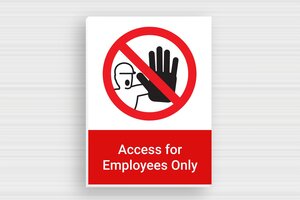
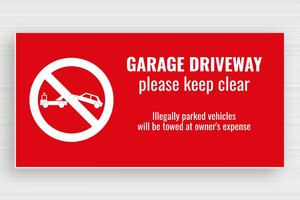
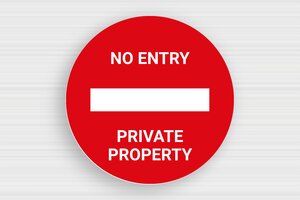
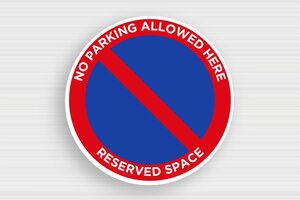

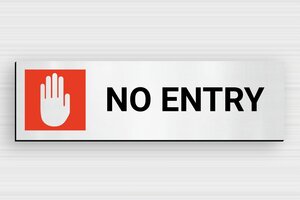
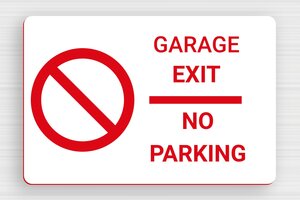
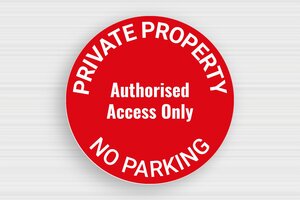
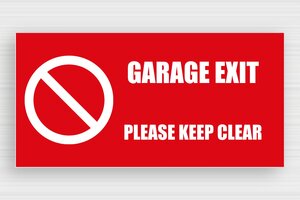
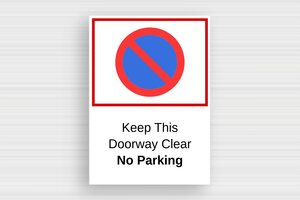
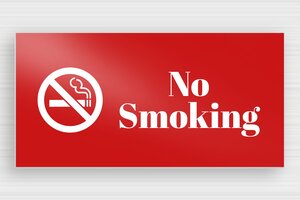

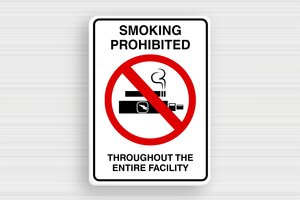
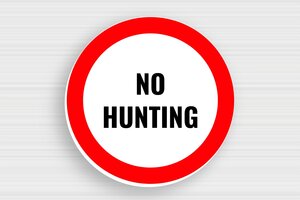
Under the Health and Safety (Safety Signs and Signals) Regulations 1996, UK employers are legally required to provide appropriate prohibition signs where workplace risks cannot be avoided or adequately controlled through other means. These regulations mandate that prohibition signs must be used to indicate behaviour that could increase or cause danger, making them legally required rather than merely advisory in many workplace situations.
Key legal requirements include:
The Health and Safety Executive (HSE) emphasises that businesses must demonstrate genuine understanding of workplace hazards through comprehensive risk assessment when determining signage requirements. Failure to provide adequate safety signage can result in enforcement action and financial penalties.
Outdoor prohibition signs require robust materials capable of withstanding weather exposure, UV radiation, and physical impact. The choice of material significantly affects the sign's durability and long-term effectiveness in external environments.
Recommended materials for outdoor applications:
Consider environmental factors such as coastal salt exposure, industrial chemical atmospheres, and extreme temperature variations when selecting materials. Professional assessment can help identify the most suitable material for your specific outdoor installation requirements.
Yes, prohibition signs can incorporate custom elements that enhance brand consistency while maintaining full regulatory compliance and safety effectiveness. The key is balancing brand identity with the fundamental requirement for clear, unambiguous safety communication that meets UK and ISO 7010 standards.
Acceptable customisation options include:
Essential compliance requirements that cannot be compromised:
Professional design services can ensure your custom prohibition signs achieve perfect balance between brand representation and regulatory compliance.
Prohibition signs represent one of four fundamental categories of safety signage recognised under UK health and safety legislation, each serving distinct communication purposes in workplace safety management.
The four main categories are:
Key distinguishing features of prohibition signs:
This systematic approach ensures comprehensive safety communication that addresses all aspects of workplace risk management.
Effective prohibition sign placement requires careful consideration of viewing angles, lighting conditions, and environmental factors to ensure maximum visibility and safety communication effectiveness throughout all operational conditions.
Optimal positioning guidelines:
Specific placement considerations:
Regular assessment of lighting conditions throughout working hours, including seasonal daylight variations, ensures prohibition signs maintain their protective function under all operational circumstances. Professional installation assessment can identify potential visibility issues before they compromise safety communication effectiveness.
Prohibition signs serve as essential safety tools in UK workplaces, clearly communicating what actions are forbidden to protect employees, visitors, and the general public. These distinctive red and white circular signs with diagonal lines have become synonymous with workplace safety compliance across Britain, from bustling office environments to industrial manufacturing sites. Understanding the proper selection, placement, and regulatory requirements for prohibition signs ensures your business maintains the highest safety standards while meeting legal obligations under UK health and safety legislation.
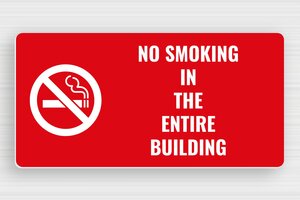
Modern prohibition signage has evolved significantly from basic "No Smoking" notices to comprehensive safety communication systems that address diverse workplace hazards. Whether you're managing a corporate office, retail establishment, or industrial facility, the right prohibition signs create clear boundaries that prevent accidents and demonstrate your commitment to employee welfare. With Otypo's extensive range of customisable safety signage, businesses across the UK can access European-quality prohibition signs that combine regulatory compliance with professional presentation.
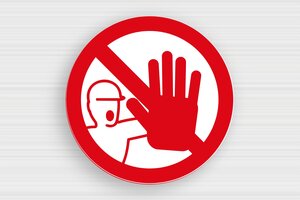
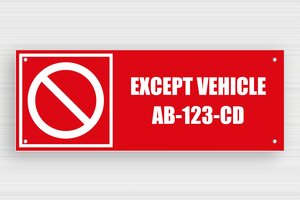
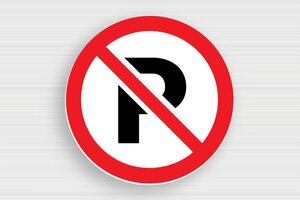
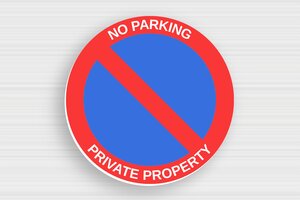
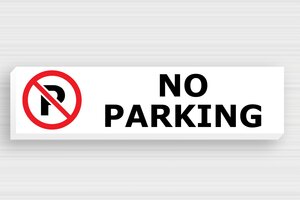
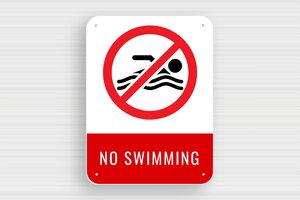
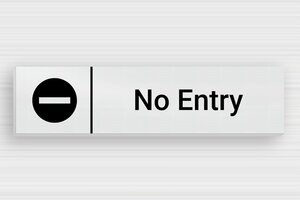
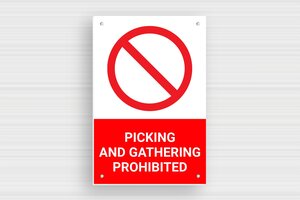
Prohibition signs represent one of the four fundamental categories of safety signage recognised under UK health and safety legislation, alongside warning signs, mandatory signs, and emergency information signs. The distinctive design features a red circular band with a diagonal line crossing through a black pictogram on a white background, creating an instantly recognisable symbol that transcends language barriers. This universal design approach ensures that prohibition messages remain clear and effective in Britain's increasingly diverse workplace environments.
The Health and Safety (Safety Signs and Signals) Regulations 1996 establish the legal framework governing prohibition signage in UK workplaces. These regulations require employers to provide appropriate safety signs where risks cannot be avoided or adequately controlled through other means, such as engineering controls or safe working procedures. The legislation specifically mandates that prohibition signs must be used to indicate behaviour that could increase or cause danger, making them legally required rather than merely advisory in many workplace situations.
The ISO 7010 international standard provides the foundation for modern prohibition sign design, establishing consistent pictograms and colour schemes that ensure global recognition and understanding. Despite Brexit, UK businesses continue to benefit from this internationally recognised system, which facilitates clear communication in multinational organisations and supports consistent safety messaging across European operations. The standard's emphasis on pictographic communication rather than text-based warnings makes prohibition signs particularly effective in diverse workplace environments where multiple languages may be spoken.
Compliance with ISO 7010 standards offers practical advantages beyond regulatory requirements, including improved incident prevention rates and reduced liability exposure. Insurance providers increasingly recognise the value of standardised safety signage systems, with many offering preferential terms for businesses that demonstrate comprehensive safety communication strategies. The visual consistency provided by ISO 7010 compliant prohibition signs also supports more effective safety training programmes, as employees can quickly recognise and understand safety messages regardless of their previous workplace experience.
The diversity of modern UK workplaces demands a comprehensive range of prohibition signs that address specific industry hazards while maintaining universal recognition principles. Office environments typically require prohibition signs addressing smoking, unauthorised access, mobile phone usage in sensitive areas, and food or drink consumption in designated zones. These seemingly simple prohibitions play crucial roles in maintaining professional standards, protecting sensitive equipment, and ensuring compliance with health and safety regulations that apply to all UK businesses regardless of size or sector.
Manufacturing and industrial facilities require more specialised prohibition signage that addresses complex safety hazards associated with machinery, chemicals, and high-risk processes. Common industrial prohibition signs include restrictions on naked flames near flammable materials, prohibitions against wearing loose clothing around rotating machinery, and access restrictions for unauthorised personnel in hazardous areas. The selection of appropriate prohibition signs for industrial environments requires careful risk assessment and understanding of specific operational hazards.
Healthcare facilities present unique challenges for prohibition signage, requiring signs that address medical equipment interference, infection control measures, and patient safety considerations. Prohibition signs in healthcare settings must balance clear safety communication with sensitivity to patient experience, often requiring custom designs that maintain professional appearance while delivering essential safety messages. Common healthcare prohibition signs include restrictions on mobile phone usage near medical equipment, prohibitions against unauthorised access to clinical areas, and food and drink restrictions in sterile environments.
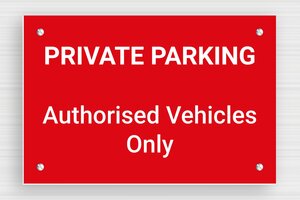
Educational institutions require prohibition signs that address both safety and security concerns while remaining appropriate for diverse age groups. School and university environments typically need prohibition signs covering smoking restrictions, unauthorised vehicle access, and restrictions on dangerous items or substances. The design and placement of prohibition signs in educational settings must consider visibility for different age groups while maintaining the authority necessary for effective safety communication.
Material selection represents a critical factor in prohibition sign effectiveness, with different workplace environments demanding specific durability and visibility characteristics. Indoor office environments typically benefit from high-quality vinyl or rigid plastic prohibition signs that offer excellent print quality and long-term colour retention under standard lighting conditions. These materials provide cost-effective solutions for most indoor applications while maintaining the professional appearance essential for corporate environments.
Outdoor and industrial applications require more robust materials capable of withstanding weather exposure, chemical contact, and physical abuse. Aluminium prohibition signs offer exceptional durability for outdoor installations, providing resistance to corrosion, UV degradation, and impact damage. The lightweight nature of aluminium makes it particularly suitable for temporary installations or situations where sign weight considerations are important, such as suspended or bracket-mounted applications.
Proper sizing of prohibition signs ensures effective communication across various viewing distances and lighting conditions. UK guidance suggests that prohibition signs should be sized according to the maximum viewing distance, with larger signs required for areas where employees or visitors may need to read safety messages from significant distances. The relationship between sign size and viewing distance becomes particularly important in large industrial facilities, warehouses, and outdoor installations where inadequate sizing can compromise safety communication effectiveness.
Photoluminescent materials offer enhanced visibility for prohibition signs in low-light conditions or emergency situations where normal lighting may be compromised. These glow-in-the-dark materials absorb ambient light during normal conditions and emit visible light when darkness falls, ensuring that critical prohibition messages remain visible even during power failures or emergency evacuations. The integration of photoluminescent elements into prohibition sign design provides an additional safety margin that can prove invaluable during emergency situations.
Effective prohibition sign installation requires careful consideration of placement height, viewing angles, and environmental factors that could affect visibility or durability. UK health and safety guidance recommends installing prohibition signs at eye level for the intended audience, typically between 1.4 and 1.7 metres above floor level for adult viewers. However, specific workplace conditions may require adjustments to this standard height, particularly in areas with machinery, storage equipment, or other obstacles that could obstruct visibility.
The positioning of prohibition signs must also consider lighting conditions throughout the working day, ensuring that shadows, glare, or backlighting do not compromise message visibility. Natural lighting variations, artificial lighting placement, and seasonal changes in daylight hours all influence optimal sign positioning. Professional installation assessment can identify potential visibility issues before they compromise safety communication effectiveness, ensuring that prohibition signs maintain their protective function under all operational conditions.
Self-adhesive mounting offers convenient installation for many prohibition sign applications, particularly on smooth, clean surfaces where permanent attachment is desired. High-quality adhesive systems provide reliable long-term attachment while allowing for clean removal when sign replacement or relocation becomes necessary. The selection of appropriate adhesive systems must consider surface materials, environmental conditions, and expected service life to ensure optimal performance throughout the sign's operational period.
Mechanical mounting systems, including screws, bolts, and brackets, provide superior holding power for large signs, outdoor installations, or high-traffic areas where vandalism or accidental damage might occur. These mounting methods also facilitate easier sign replacement and maintenance, important considerations for businesses with comprehensive safety signage programmes. The choice between adhesive and mechanical mounting often depends on installation surface characteristics, environmental exposure, and long-term maintenance requirements.
UK employers bear legal responsibility for providing appropriate safety signage, including prohibition signs, where workplace risks cannot be eliminated through other control measures. The Health and Safety Executive (HSE) enforcement approach emphasises the importance of comprehensive risk assessment in determining signage requirements, with businesses expected to demonstrate that their prohibition sign selection and placement reflects genuine understanding of workplace hazards. Failure to provide adequate safety signage can result in enforcement action, financial penalties, and increased liability exposure in the event of workplace incidents.
The business case for comprehensive prohibition signage extends beyond regulatory compliance to encompass risk management, insurance considerations, and corporate reputation protection. Insurance providers increasingly scrutinise safety management systems when assessing risk and determining premium levels, with inadequate safety signage potentially affecting coverage terms or claims settlement. The relatively modest investment in quality prohibition signs provides significant protection against potentially substantial financial and reputational consequences of workplace incidents.
Effective prohibition sign programmes require systematic documentation of sign locations, installation dates, and maintenance schedules to demonstrate ongoing compliance with health and safety obligations. Regular inspection and maintenance ensure that prohibition signs remain visible, legible, and appropriately positioned throughout their service life. Environmental factors, normal wear, and changing workplace conditions can all affect sign effectiveness, making scheduled maintenance an essential component of comprehensive safety management systems.
The integration of prohibition signage into broader health and safety management systems supports more effective risk control and demonstrates systematic approach to workplace safety. Digital documentation systems can streamline sign management processes while providing the detailed records necessary for regulatory compliance and insurance purposes. This systematic approach to safety signage management reflects the professional standards expected in modern UK workplaces and supports continuous improvement in safety performance.
Modern prohibition signs can incorporate custom elements that enhance brand consistency while maintaining regulatory compliance and safety effectiveness. Professional customisation options include company logos, specific colour schemes that complement corporate branding, and custom text messages that address unique workplace hazards or operational requirements. The key to successful customisation lies in balancing brand identity with the fundamental requirement for clear, unambiguous safety communication that meets regulatory standards.
Multi-language prohibition signs address the communication needs of diverse workforces while ensuring that safety messages reach all employees regardless of their primary language. Custom prohibition signs can incorporate multiple languages, pictographic elements, and cultural considerations that enhance understanding and compliance across diverse employee populations. This approach to inclusive safety communication reflects modern workplace realities and demonstrates commitment to comprehensive employee protection.
Otypo's advanced customisation capabilities enable businesses to create prohibition signs that perfectly match their specific requirements while maintaining the highest standards of quality and regulatory compliance. Our European manufacturing expertise ensures that custom prohibition signs meet or exceed UK safety standards while delivering the professional appearance that reflects your commitment to excellence. The combination of traditional craftsmanship with modern production techniques results in prohibition signs that provide reliable service while enhancing your workplace's professional image.
Investing in high-quality prohibition signs represents a fundamental component of responsible business management, protecting employees, visitors, and your organisation from preventable incidents while demonstrating compliance with UK health and safety legislation. The selection of appropriate prohibition signage requires careful consideration of workplace hazards, environmental conditions, and regulatory requirements, but the investment in comprehensive safety communication pays dividends in reduced risk, improved compliance, and enhanced professional reputation. Contact our expert team to discover how Otypo's extensive range of prohibition signs can enhance your workplace safety while reflecting your commitment to employee welfare and professional excellence.