Get a quote
express 4h


Your sign in just 2 minutes.
Full editor: 27 materials, 219 colors, 12 mounting options
Marking: laser engraving, mechanical or printed

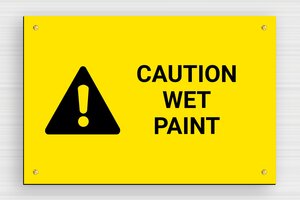

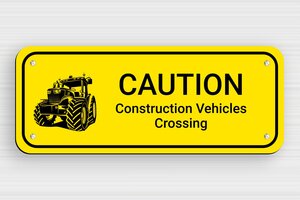
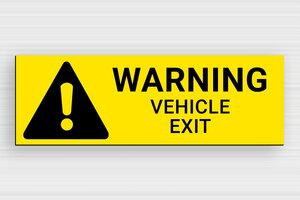
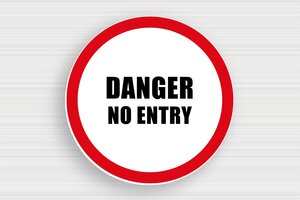
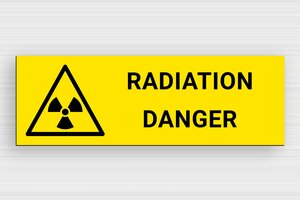

Under the Health and Safety (Safety Signs and Signals) Regulations 1996, UK employers must provide warning signs wherever risks to health and safety cannot be adequately controlled through other means. Warning signs become legally mandatory in situations where significant risks persist despite other control measures, where hazards may not be immediately apparent, or where specific regulations mandate their use.
For office environments, legally required warning signs typically include:
The Health and Safety Executive (HSE) provides detailed guidance on when warning signs become mandatory versus merely recommended, ensuring employers understand their legal obligations for workplace safety.
Selecting appropriate materials for office warning signs requires balancing durability requirements with the specific environmental conditions found in modern office spaces. The choice depends on factors such as location, traffic levels, and environmental exposure.
Material options include:
Consider the viewing distances, lighting conditions, and potential exposure to cleaning chemicals when making your selection to ensure optimal performance and longevity.
Yes, you can incorporate corporate branding elements into warning signs while maintaining compliance with UK safety regulations. However, customisation must be carefully managed to ensure safety requirements take precedence over aesthetic considerations.
Effective branding integration includes:
The key is using branding to reinforce the authority and credibility of the safety message rather than treating signs as marketing opportunities. All customisation must preserve the internationally recognised warning sign format with yellow triangular backgrounds and black borders to ensure instant recognition and regulatory compliance.
Proper positioning of warning signs requires strategic placement that maximises visibility while ensuring the safety message reaches its intended audience before they encounter associated risks. Optimal positioning considers viewing angles, approach routes, and environmental factors.
Key positioning guidelines include:
Signs positioned too high may be overlooked, while those placed too low might be blocked by office furniture. Consider normal traffic patterns, lighting conditions, and the diverse range of individuals who may encounter the signs, including employees, visitors, contractors, and emergency responders.
Regular inspection and replacement schedules are essential for maintaining the effectiveness of warning signage systems over time. Office environments subject signs to various forms of wear and degradation that can compromise their safety function.
Inspection and maintenance requirements include:
Signs should be inspected monthly as part of routine safety checks, with immediate attention given to any signs showing wear, damage, or reduced visibility. Factors such as high-traffic locations, exposure to cleaning chemicals, and lighting conditions may require more frequent inspection intervals to ensure continued effectiveness and regulatory compliance.
Warning signs serve as your first line of defence in creating a safe office environment, alerting employees and visitors to potential hazards before accidents occur. In today's UK workplace landscape, these essential safety tools have evolved beyond simple cautionary notices to become sophisticated communication devices that blend regulatory compliance with clear visual messaging. Whether you're managing a bustling London office complex or a compact Manchester startup space, understanding the role and requirements of warning signs office UK environments is crucial for maintaining both legal compliance and employee wellbeing.
The modern British office presents unique safety challenges that require targeted signage solutions. From electrical hazards in server rooms to chemical storage areas for cleaning supplies, contemporary workplaces contain numerous risks that demand clear identification and communication. Effective warning signage not only fulfills your legal obligations under UK health and safety regulations but also demonstrates your commitment to creating a responsible, caring work environment where every team member can perform their duties with confidence and peace of mind.
Warning signs in UK offices function as critical safety communication tools, designed to alert individuals to potential dangers or hazardous conditions within the workplace. Unlike mandatory signs that instruct specific actions or prohibition signs that forbid certain behaviours, warning signs specifically highlight risks that may not be immediately apparent to employees or visitors. These signs typically feature the internationally recognised yellow triangular format with black borders and pictograms, ensuring instant recognition regardless of language barriers or cultural backgrounds.
The distinction between warning signs and other safety signage categories is fundamental to proper workplace safety management. While emergency exit signs guide people to safety and mandatory signs require specific protective equipment, warning signs serve a preventive function by raising awareness of potential hazards. This proactive approach to safety communication helps reduce workplace incidents by ensuring individuals can make informed decisions about their actions and take appropriate precautions when entering potentially dangerous areas.
In the context of UK office environments, warning signs address a diverse range of hazards that may not be immediately obvious to the casual observer. These can include electrical risks from high-voltage equipment, chemical hazards from cleaning products or laboratory materials, physical dangers from moving machinery or construction work, and environmental risks such as wet floors or low-hanging obstacles. The effectiveness of these signs depends largely on their strategic placement, clear visibility, and compliance with established safety standards.
The legal framework governing office warning signs in the UK is primarily established through the Health and Safety (Safety Signs and Signals) Regulations 1996, which implement European Directive 92/58/EEC into British law. These regulations place specific duties on employers to provide and maintain appropriate safety signage wherever risks to health and safety cannot be adequately controlled through other means. This legal requirement extends beyond mere compliance to encompass a duty of care that protects both employees and visitors within office premises.
Under these regulations, employers must ensure that warning signs are installed wherever residual risks remain after implementing other control measures. This means that even after conducting thorough risk assessments and implementing engineering controls, administrative procedures, and personal protective equipment, any remaining hazards must be clearly identified through appropriate signage. The regulations specify that signs must be clearly visible, legible, and positioned in locations where they can effectively communicate the intended warning message to all relevant personnel.
The Health and Safety Executive (HSE) provides detailed guidance on when warning signs become mandatory versus merely recommended. Generally, warning signs are legally required in situations where significant risks persist despite other control measures, where the nature of the hazard may not be immediately apparent, or where specific regulations mandate their use. For office environments, this typically includes areas containing electrical equipment, chemical storage locations, and zones where maintenance or construction activities create temporary hazards.
Modern office environments require a comprehensive approach to hazard identification, with different types of warning signs addressing the varied risks present in contemporary workplaces. The selection and placement of appropriate signage depends on conducting thorough risk assessments that identify potential dangers and evaluate their likelihood and severity. Understanding the specific categories of warning signs available helps ensure complete coverage of all relevant hazards while avoiding unnecessary over-signage that might diminish the impact of critical safety messages.
The most effective workplace warning signage systems employ a layered approach, combining general hazard awareness signs with specific risk indicators tailored to particular areas or activities. This strategy ensures that both routine office workers and occasional visitors receive appropriate warning information relevant to their location and activities. The key lies in balancing comprehensive coverage with clear, unambiguous messaging that doesn't overwhelm or confuse the intended audience.
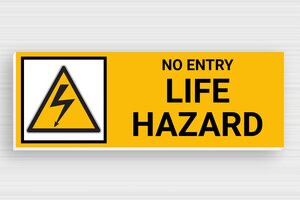
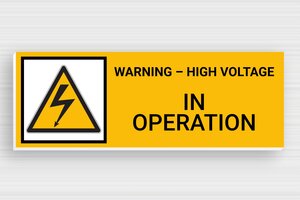
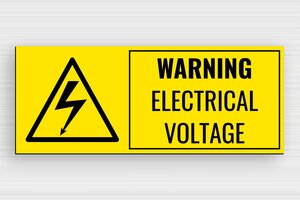
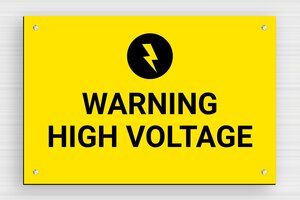
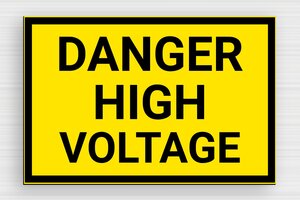
Electrical hazards represent one of the most significant risks in modern office environments, where sophisticated IT infrastructure, server rooms, and electrical distribution systems create multiple points of potential danger. High voltage warning signs are essential for identifying electrical panels, server cabinets, and other equipment that poses electrocution risks. These signs typically feature the distinctive lightning bolt symbol within a yellow triangle, accompanied by clear text indicating the specific voltage levels and access restrictions.
Server rooms and technical areas require particular attention, as these spaces often contain equipment operating at dangerous voltage levels while remaining accessible to IT personnel and maintenance staff. Warning signs in these areas should clearly indicate not only the presence of electrical hazards but also specify any special precautions required, such as the need for qualified personnel only or specific isolation procedures before maintenance work. The positioning of these signs should ensure visibility from all potential approach routes while remaining clearly legible under the lighting conditions typically found in technical spaces.
Electrical cabinet and panel identification goes beyond simple hazard warning to include specific information about circuit identification, isolation procedures, and emergency contact details. Modern office electrical systems often involve complex distribution networks that require clear labelling to ensure safe maintenance and emergency response. Effective electrical warning signage should integrate seamlessly with broader electrical safety management systems while providing immediate hazard recognition for anyone who might encounter these installations.
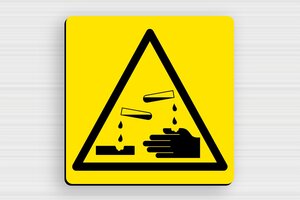
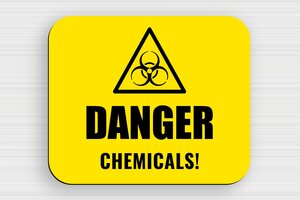
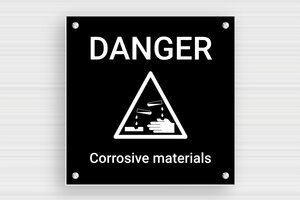
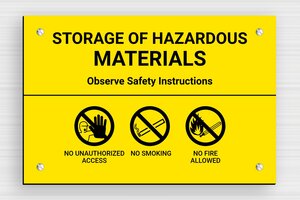
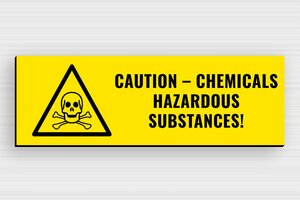
The Control of Substances Hazardous to Health (COSHH) regulations require specific warning signage for areas where hazardous chemicals are stored or used, including common office cleaning products and maintenance materials. Many office cleaning products contain chemicals that can cause harm through skin contact, inhalation, or accidental ingestion, making clear warning signage essential for protecting both cleaning staff and other employees who might encounter these substances.
Cleaning cupboards and storage areas require comprehensive warning signage that identifies not only the presence of hazardous substances but also provides guidance on safe handling procedures and emergency response measures. These signs should be positioned prominently on storage area entrances and maintained in good condition to ensure ongoing visibility and legibility. The specific hazard symbols used should correspond to the types of chemicals stored, whether they present risks of corrosion, toxicity, irritation, or environmental harm.
Specialist facilities within office environments, such as laboratories, medical facilities, or technical workshops, may require additional chemical hazard signage tailored to their specific activities and substances. These areas often involve more complex chemical risks that require detailed warning information, including specific personal protective equipment requirements, ventilation needs, and emergency procedures. The signage in these areas should integrate with broader chemical safety management systems while providing immediate hazard recognition for all personnel.
Physical hazards in office environments encompass a wide range of risks from temporary conditions like wet floors during cleaning to permanent features such as low ceilings, moving machinery, or restricted access areas. Wet floor warning signs are among the most commonly required physical hazard indicators, alerting people to slip risks during cleaning activities or following spills. These signs should be highly visible, portable, and positioned to provide adequate warning without creating additional obstacles or hazards.
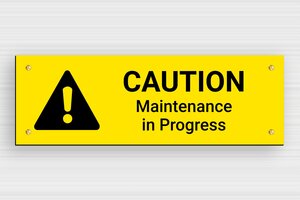
Construction and maintenance activities within occupied office spaces create temporary but significant hazards that require clear warning signage. These situations often involve multiple risk factors, including noise, dust, moving equipment, and restricted access, making comprehensive warning signage essential for protecting both workers and office occupants. The signage used should be appropriate for temporary installation while maintaining high visibility and clear messaging throughout the duration of the work activities.
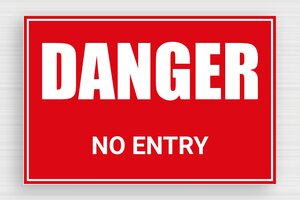
Restricted access areas and authorised personnel zones require warning signs that clearly communicate access limitations while explaining the reasons for these restrictions. These signs serve dual purposes: preventing unauthorised access that could create safety risks and ensuring that authorised personnel understand the specific hazards they may encounter. The messaging should be clear and authoritative while avoiding unnecessarily alarming language that might cause confusion or panic.
Selecting appropriate warning signage for office environments requires careful consideration of multiple factors, including the specific hazards present, the physical characteristics of the space, and the diverse range of people who may encounter the signs. The size and visibility of warning signs must be proportionate to the viewing distances and lighting conditions in each location, ensuring that critical safety information remains clearly legible under all normal operating conditions. This consideration becomes particularly important in modern office environments where ambient lighting levels and architectural features can significantly impact sign visibility.
The professional appearance of warning signs in office settings requires balancing safety requirements with aesthetic considerations that maintain the workplace's professional image. Unlike industrial environments where purely functional signage may be acceptable, office warning signs must integrate appropriately with the overall design scheme while maintaining their primary safety function. This balance requires careful selection of materials, colours, and mounting methods that complement the office environment without compromising the effectiveness of the safety message.
Customisation options for office warning signs allow organisations to incorporate corporate branding elements while maintaining compliance with safety regulations. This approach helps create a cohesive visual identity throughout the workplace while ensuring that safety messages receive appropriate attention and respect from employees and visitors. However, any customisation must be carefully managed to ensure that safety requirements take precedence over aesthetic considerations and that regulatory compliance is maintained at all times.
The selection of appropriate materials for office safety signs UK applications requires balancing durability requirements with the specific environmental conditions found in modern office spaces. PVC materials offer excellent durability for standard indoor applications, providing resistance to normal wear and tear while maintaining colour stability and legibility over extended periods. These materials are particularly suitable for permanently mounted signs in areas with stable environmental conditions and moderate traffic levels.
Laminated options provide enhanced durability for high-traffic areas where signs may be subject to frequent contact or potential damage from cleaning activities. The lamination process creates a protective barrier that helps maintain sign appearance and legibility even under challenging conditions, making these materials ideal for locations such as entrance areas, corridors, and common spaces where signs receive regular exposure to handling and environmental factors.
The choice between self-adhesive and screw-mounted installation options depends on the specific requirements of each location, including the surface materials, permanence requirements, and potential need for future repositioning. Self-adhesive mounting offers clean installation with minimal surface damage, making it ideal for rented premises or locations where permanent fixtures are not desirable. Screw-mounted options provide superior security and durability for permanent installations, particularly in areas where signs might be subject to tampering or accidental displacement.
Corporate branding integration in warning signage requires careful attention to regulatory requirements while maintaining the professional appearance expected in modern office environments. Adding company logos and corporate colours can help create visual consistency throughout the workplace, but these elements must be implemented in ways that enhance rather than detract from the primary safety message. The key lies in using branding elements to reinforce the authority and credibility of the safety message rather than treating the signs as marketing opportunities.
Colour coordination with office décor should complement rather than compromise the standardised colour schemes required for safety signage. While the yellow triangular format for warning signs is mandated by regulations, the surrounding elements and mounting materials can be selected to harmonise with the overall office design scheme. This approach helps ensure that safety signs integrate appropriately with the workplace environment while maintaining their essential visibility and recognition characteristics.
Multi-language requirements in diverse workplaces may necessitate warning signs that communicate effectively across different language groups. This consideration is particularly important in major UK cities where office workforces often include individuals from various cultural and linguistic backgrounds. The solution typically involves combining universally recognised pictograms with carefully selected text that provides essential information in the most relevant languages for the specific workplace.
Proper installation of warning signs requires strategic positioning that maximises visibility while ensuring the safety message reaches its intended audience at the appropriate time and location. The optimal positioning for office warning signs typically involves placing them at eye level for the average adult, approximately 1.5 to 1.7 metres from the floor, while considering the specific viewing angles and approach routes relevant to each hazard. This positioning ensures that signs are noticed by individuals before they encounter the associated risks, providing adequate time for appropriate response and precautionary measures.
Height and location guidelines for warning signs must account for the diverse range of individuals who may encounter them, including employees, visitors, contractors, and emergency responders. Signs positioned too high may be overlooked or difficult to read, while those placed too low might be obscured by furniture, equipment, or other obstacles. The specific requirements for each location should be evaluated based on the normal traffic patterns, lighting conditions, and potential obstructions that might affect sign visibility and effectiveness.
Regular inspection and replacement schedules are essential for maintaining the effectiveness of warning signage systems over time. Office environments subject signs to various forms of wear and degradation, including fading from artificial lighting, accumulation of dust and debris, and potential damage from cleaning activities or accidental contact. Establishing systematic inspection procedures helps ensure that signs remain clearly visible and legible throughout their service life, with prompt replacement when deterioration affects their safety function.
Documentation and record-keeping requirements for office warning signs extend beyond simple installation to encompass ongoing management and maintenance activities that demonstrate continued compliance with safety regulations. Effective documentation systems should include records of hazard assessments that justify the need for specific warning signs, installation details including dates and locations, and maintenance activities that ensure continued effectiveness. This documentation serves not only as evidence of regulatory compliance but also as a valuable management tool for ensuring systematic attention to workplace safety requirements.
Staff training and awareness programmes play a crucial role in maximising the effectiveness of warning signage systems by ensuring that employees understand the meaning and significance of different types of signs. Training should cover the recognition of different hazard symbols, appropriate responses to warning signs, and procedures for reporting damaged or missing signage. This educational component helps create a safety-conscious workplace culture where warning signs are respected and their messages are taken seriously by all personnel.
Working with professional signage suppliers like Otypo ensures access to expert knowledge and high-quality products that meet all relevant UK safety standards and regulations. Professional suppliers bring valuable experience in assessing signage requirements, recommending appropriate materials and designs, and ensuring compliance with current regulations. This expertise becomes particularly valuable when dealing with complex installations or specialised requirements that demand detailed knowledge of both safety regulations and practical implementation considerations.
The importance of proper warning signs office UK implementation cannot be overstated in today's regulatory environment, where workplace safety represents both a legal obligation and a moral responsibility. Effective warning signage systems provide essential protection for employees and visitors while demonstrating organisational commitment to maintaining safe, responsible work environments. By choosing appropriate signs, ensuring proper installation and maintenance, and integrating signage with broader safety management systems, UK offices can create comprehensive hazard communication programmes that protect people while supporting business objectives. The investment in quality warning signage represents not just regulatory compliance but a fundamental commitment to the wellbeing of everyone who enters your workplace, creating an environment where safety awareness becomes an integral part of daily operations.