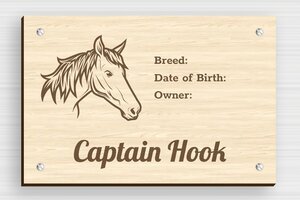
Horse Signs
Your sign in just 2 minutes.
Full editor: 27 materials, 219 colors, 12 mounting options
Marking: laser engraving, mechanical or printed
starting at £14.45

Your sign in just 2 minutes.
Full editor: 27 materials, 219 colors, 12 mounting options
Marking: laser engraving, mechanical or printed
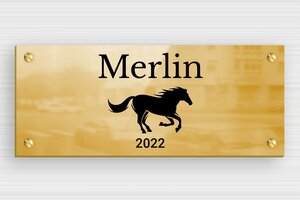
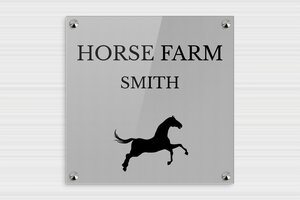
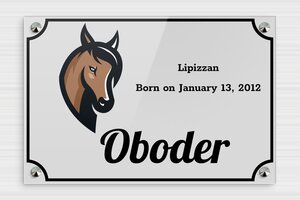
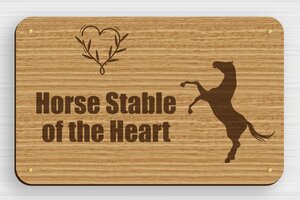

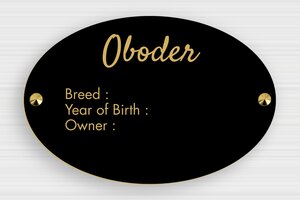
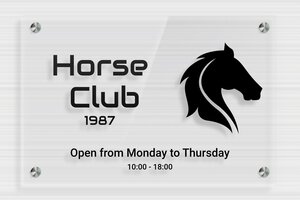
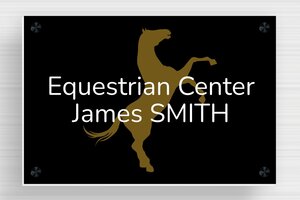
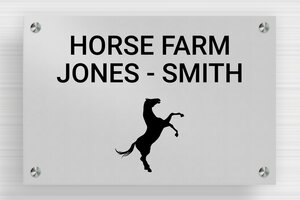
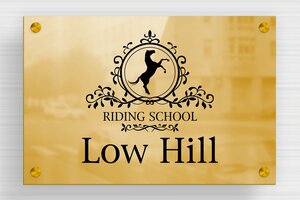
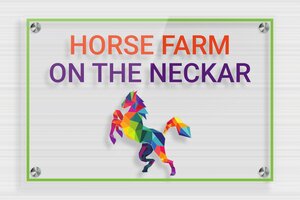

For the demanding British climate, several materials offer excellent durability for outdoor horse signs. Brass represents the premium choice, developing a natural patina over time whilst maintaining structural integrity for decades. The deeply engraved lettering remains clearly visible even after years of exposure to moisture and temperature fluctuations.
Aluminium provides an excellent balance of durability and cost-effectiveness, with anodised finishes that resist corrosion particularly well in coastal environments. Stainless steel offers superior corrosion resistance and accepts various finishing techniques including brushed or powder-coated surfaces.
For more budget-conscious options:
All these materials are specifically chosen to withstand daily exposure to moisture, temperature fluctuations, and the physical demands of busy stable environments whilst maintaining their clarity and professional appearance year after year.
Yes, QR code integration represents a cutting-edge customisation option that transforms static horse signs into gateways to comprehensive digital information. This technology has revolutionised horse identification systems, making them invaluable during emergencies.
When scanned with a smartphone, QR codes on horse name plates can provide instant access to:
This capability proves particularly valuable during veterinary emergencies when time constraints affect treatment decisions. The QR code system allows temporary staff or emergency responders to quickly access critical information about specific horses, even when regular staff members aren't available.
The exceptional advantage of QR code systems is that you can update the linked digital information without replacing the physical signs, providing ongoing flexibility for facilities managing horses with changing requirements whilst maintaining cost-effectiveness.
Proper installation ensures your horse signs remain securely positioned whilst maintaining their intended appearance and functionality. The installation method depends on your mounting surface and sign material.
Screw mounting represents the most common and reliable method for wooden stable doors and gate posts:
Through-bolt mounting offers enhanced security for valuable signs or high-traffic areas, requiring access to both sides of the mounting surface but providing exceptional holding strength.
Alternative mounting options include:
Ground anchoring systems ensure stability for post-mounted signs whilst allowing repositioning if facility layouts change over time.
Individual horse name plates and safety warning signs serve distinctly different purposes within comprehensive equestrian facility management, each addressing specific identification and communication needs.
Individual horse name plates focus on identification and information:
Safety warning signs prioritise hazard communication and visitor protection:
Both types of signage contribute to professional facility management, with name plates serving identification purposes whilst safety signs protect staff and visitors from potential hazards. Many facilities use both systems together for comprehensive communication and safety management.
Custom horse signs make exceptional gifts for equestrian enthusiasts, combining practical functionality with deeply personal meaning. The ability to personalise these signs according to specific horses, owners, or facilities creates memorable gifts that serve lasting purposes.
Popular gift applications include:
The comprehensive customisation options available allow for precise matching of the recipient's preferences and facility aesthetic. Text personalisation can include horse names, breeding details, competition achievements, or meaningful quotes, whilst graphic elements might incorporate facility logos, decorative borders, or high-quality photographs.
Material choices enhance the gift's significance:
The durability of quality horse signs ensures these gifts provide lasting enjoyment and practical value, making them particularly meaningful for horse owners who appreciate both functionality and sentiment in their equestrian equipment.
Horse signs represent an essential element of professional equestrian facility management, combining practical identification with crucial safety communication. Whether you're managing a busy livery yard, operating a riding school, or maintaining a private stable, horse signs serve multiple vital functions that extend far beyond simple decoration. These specialised signs provide immediate identification for individual horses, communicate important safety information to staff and visitors, and contribute to the overall professional appearance of equestrian facilities across the UK.
The importance of quality horse signage becomes particularly evident in emergency situations, where quick identification can prove critical for veterinary care or emergency response. Modern horse signs have evolved to incorporate advanced features such as QR codes for instant access to medical records, weatherproof materials designed for the demanding British climate, and customisation options that reflect the unique character of each facility. At Otypo, we understand that horse signs must withstand daily exposure to moisture, temperature fluctuations, and the physical demands of busy stable environments whilst maintaining their clarity and professional appearance year after year.
From traditional brass name plates that evoke classic equestrian heritage to modern acrylic displays featuring full-colour photography, today's horse signs offer unprecedented versatility in both function and aesthetic appeal. The choice of materials, mounting systems, and customisation options has never been more comprehensive, allowing facility managers and horse owners to create signage solutions that perfectly match their specific requirements and budget considerations.
The diverse nature of equestrian facilities demands an equally varied range of signage solutions, each designed to address specific identification and communication needs. Understanding the different categories of horse signs available helps facility managers make informed decisions about which products best serve their operational requirements and safety obligations.
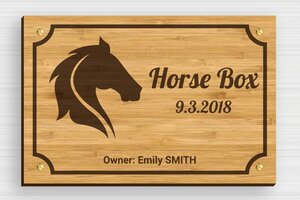
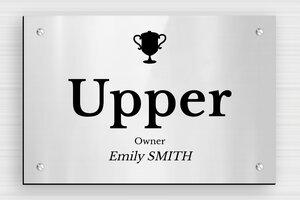
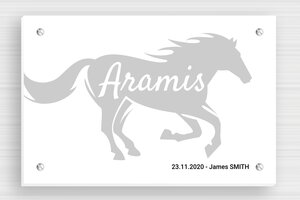
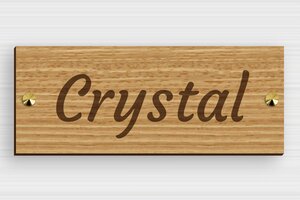
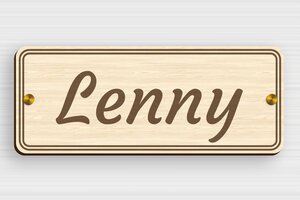
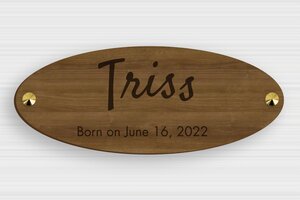
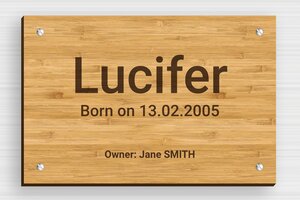
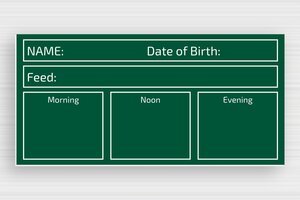
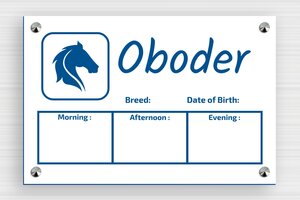
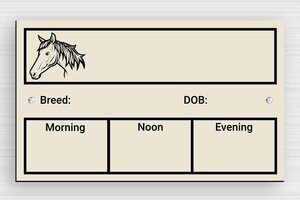
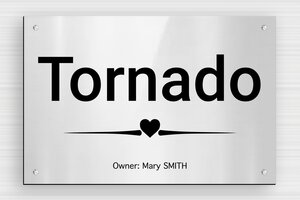
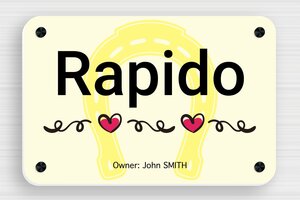
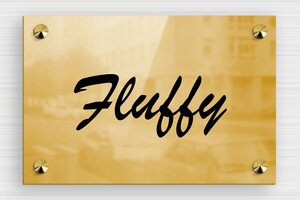
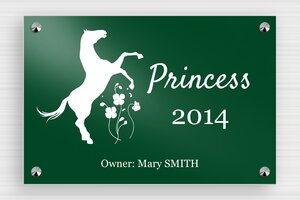
Individual horse name plates represent the most fundamental category of equestrian signage, serving as the primary means of identifying specific animals within a facility. These plates typically feature the horse's name prominently displayed, often accompanied by additional information such as owner details, feeding instructions, or medical alerts. Modern name plates can incorporate photographs of the horse, creating an immediate visual connection that proves particularly valuable for staff members who may be unfamiliar with individual animals.
The integration of QR code technology has revolutionised horse identification systems, allowing name plates to serve as gateways to comprehensive digital records. When scanned with a smartphone, these codes can provide instant access to detailed information including medical history, dietary requirements, behavioural notes, and emergency contact details. This technology proves invaluable during veterinary emergencies or when temporary staff need quick access to critical information about specific horses.
Size considerations for individual name plates typically range from compact 210x140mm options suitable for smaller stable doors to larger 300x200mm displays that provide enhanced visibility in busy environments. The choice of dimensions often depends on the available mounting space, viewing distance requirements, and the amount of information to be displayed. Premium facilities may opt for larger formats that accommodate detailed layouts including photographs, logos, and comprehensive text information.
Safety signage forms a critical component of responsible equestrian facility management, helping to protect both staff and visitors from potential hazards associated with horses and stable environments. Warning signs communicate essential safety information clearly and immediately, reducing the risk of accidents and ensuring compliance with health and safety regulations.
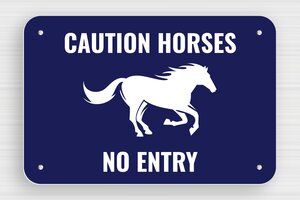
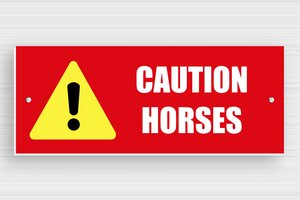
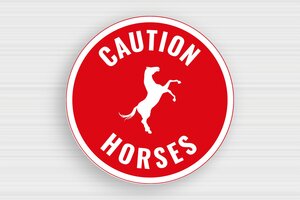
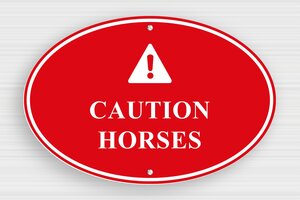
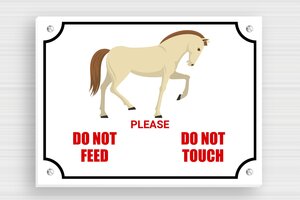
Common safety messages include warnings about horse behaviour such as "Horses May Bite or Kick," instructions for visitor conduct like "Please Do Not Feed the Horses," and guidance for safe movement around the facility. Gate signs play a particularly important role in preventing horses from escaping by reminding visitors to secure entrances with messages such as "Please Close Gate - Horses Loose." These signs often employ bold, high-contrast designs to ensure maximum visibility and immediate comprehension.
Field and paddock signage extends safety communication to outdoor areas where horses may be turned out. These signs must withstand constant exposure to weather conditions whilst maintaining their legibility and impact. Messages typically focus on preventing unauthorised access, warning about electric fencing, or providing emergency contact information for the property owner or facility manager.
The selection of appropriate materials for horse signs requires careful consideration of the challenging environmental conditions typical of equestrian facilities. British weather patterns, characterised by frequent rainfall, temperature fluctuations, and seasonal extremes, demand signage materials that can maintain their integrity and appearance over extended periods of outdoor exposure.
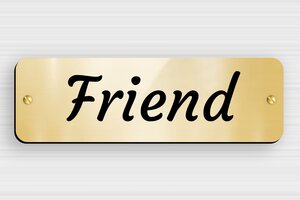
Brass represents the traditional choice for high-end equestrian facilities, offering exceptional durability combined with classic aesthetic appeal. This material develops a natural patina over time that many facility owners find attractive, whilst the underlying metal remains structurally sound for decades. Brass signs typically feature deeply engraved lettering that can be left natural or filled with contrasting colours for enhanced visibility. The substantial weight and premium appearance of brass make it particularly suitable for prestigious racing stables, competition venues, and established riding schools seeking to project an image of quality and permanence.
Aluminium provides an excellent balance of durability, weight, and cost-effectiveness for professional applications. Modern aluminium signs often feature anodised finishes that resist corrosion and maintain their appearance in coastal environments where salt air might affect other materials. The lightweight nature of aluminium simplifies installation whilst still providing the structural integrity necessary for long-term outdoor use. Advanced printing techniques allow for full-colour graphics and photographs to be applied to aluminium surfaces, creating visually striking displays that maintain their vibrancy despite UV exposure.
Stainless steel offers superior corrosion resistance and modern aesthetic appeal, making it particularly suitable for contemporary facility designs. This material accepts various finishing techniques including brushed, polished, or powder-coated surfaces, allowing for precise matching with existing architectural elements. Laser engraving creates permanent markings that remain clearly visible throughout the sign's operational life, whilst the material's inherent strength allows for thinner profiles without compromising durability.
High-density PVC provides an economical alternative that doesn't compromise on weather resistance or professional appearance. Modern PVC formulations incorporate UV stabilisers that prevent colour fading and material degradation, ensuring signs maintain their impact for years of outdoor service. The lightweight nature of PVC simplifies installation, particularly for temporary or seasonal applications where signs may need regular repositioning.
Acrylic materials offer excellent clarity for photographic displays whilst providing good weather resistance at moderate cost. The ability to print full-colour images directly onto acrylic surfaces makes this material particularly popular for horse name plates featuring photographs. Various thickness options allow for different mounting approaches, from lightweight self-adhesive applications to substantial standoff installations that create impressive three-dimensional effects.
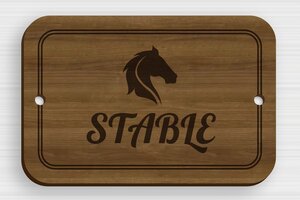
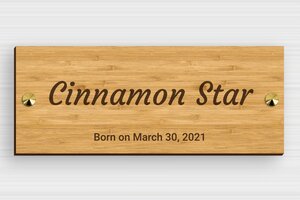
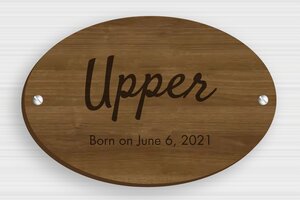
Treated timber provides a natural aesthetic that complements traditional stable architecture whilst offering good durability when properly maintained. Cedar and oak represent popular choices due to their natural weather resistance, whilst laser engraving creates permanent markings that won't fade or wear away. Timber signs can be treated with protective finishes that enhance their weather resistance whilst maintaining their natural appearance.
The ability to customise horse signs according to specific requirements represents one of the most valuable aspects of modern signage solutions. Comprehensive customisation options allow facility managers and horse owners to create signs that perfectly reflect their individual needs, aesthetic preferences, and operational requirements.
Text customisation extends far beyond simple name display, encompassing a wide range of information that can be incorporated into effective sign designs. Horse names naturally form the primary focus, but additional text elements might include owner information, breeding details, competition achievements, or special care instructions. The flexibility to include multiple lines of text in varying sizes allows for hierarchical information display that guides the viewer's attention appropriately.
Typography selection plays a crucial role in both legibility and aesthetic appeal. Traditional serif fonts complement classical equestrian environments, whilst modern sans-serif options suit contemporary facilities. Script fonts can add elegance to premium installations, though careful consideration must be given to long-distance readability. Font size selection must account for typical viewing distances, with larger text reserved for information that must be readable from across stable yards or paddocks.
Colour combinations significantly impact both visibility and aesthetic integration with existing facility design. High-contrast combinations such as white text on dark backgrounds ensure maximum legibility, whilst more subtle combinations might better complement specific architectural styles. The ability to incorporate facility colours or owner preferences creates cohesive visual themes that enhance overall professional appearance.
Modern printing and engraving technologies enable the incorporation of complex graphic elements including logos, emblems, and decorative borders. Facility logos help establish brand recognition and professional identity, whilst decorative elements can reflect the character and heritage of individual establishments. The precision of laser engraving allows for intricate detail reproduction that maintains clarity even in challenging outdoor conditions.
Photographic integration has become increasingly popular for horse name plates, allowing owners to display high-quality images of their animals alongside identification text. Digital printing techniques can reproduce photographs with exceptional detail and colour accuracy, creating personalised displays that serve both identification and decorative purposes. Weather-resistant printing processes ensure that photographic elements maintain their quality despite exposure to UV radiation and moisture.
QR code integration represents a cutting-edge customisation option that transforms static signs into gateways to dynamic digital information. These codes can link to comprehensive databases containing medical records, training schedules, dietary requirements, and emergency contact information. The ability to update linked information without replacing physical signs provides exceptional flexibility for facilities managing large numbers of horses with changing requirements.
Proper installation forms a critical component of effective horse signage, ensuring that signs remain securely positioned whilst maintaining their intended appearance and functionality. The choice of mounting system must account for the specific installation environment, expected weather conditions, and long-term maintenance requirements.
Screw mounting represents the most common and reliable method for attaching signs to wooden stable doors and gate posts. Pre-drilled holes ensure accurate positioning whilst preventing material damage during installation. Stainless steel screws provide corrosion resistance essential for outdoor applications, whilst screw cap covers create a finished appearance that conceals fastening hardware. The number and positioning of mounting points must provide adequate support whilst avoiding stress concentrations that might lead to material failure.
Through-bolt mounting offers enhanced security for valuable signs or installations in high-traffic areas where tampering might be a concern. This method requires access to both sides of the mounting surface but provides exceptional holding strength and resistance to removal attempts. Decorative washers and caps can maintain aesthetic appeal whilst providing the security benefits of through-bolt installation.
Magnetic mounting systems provide temporary installation options suitable for situations where permanent fixing isn't practical or desirable. High-strength rare earth magnets can securely hold lightweight signs against steel surfaces, allowing for easy repositioning or removal when necessary. This mounting method proves particularly useful for temporary events, seasonal displays, or situations where sign content requires frequent updates.
Standoff mounting creates impressive three-dimensional effects that enhance sign visibility and professional appearance. These systems use spacers to position signs away from their mounting surfaces, creating shadow effects that improve legibility whilst adding visual interest. Standoff systems work particularly well with materials like acrylic or aluminium that benefit from backlighting effects or dimensional display.
Floating mount systems create the illusion that signs are suspended without visible support hardware, achieving clean, modern aesthetics that complement contemporary facility designs. These systems typically use concealed brackets or adhesive mounting that eliminates visible fasteners whilst maintaining secure attachment. The clean lines achieved through floating mounts particularly suit minimalist design approaches or situations where mounting hardware might detract from the sign's visual impact.
Post-mounted systems provide freestanding installation options suitable for field gates, paddock entrances, or locations where wall mounting isn't practical. These systems typically incorporate weather-resistant posts with integrated sign mounting brackets, creating complete installation solutions that can be positioned anywhere within a facility. Ground anchoring systems ensure stability whilst allowing for repositioning if facility layouts change over time.
The diverse nature of equestrian facilities creates varied requirements for horse signs, with each type of operation presenting unique challenges and opportunities for effective signage implementation. Understanding these different contexts helps inform appropriate product selection and installation strategies.
Racing stables operate under intense public scrutiny and regulatory oversight, creating demands for signage that projects professionalism whilst meeting strict identification requirements. Individual horse name plates must provide clear identification for regulatory compliance whilst withstanding the high-traffic environment typical of training facilities. The ability to quickly update information becomes crucial when horses move between different trainers or change ownership during their careers.
Training facilities often require comprehensive wayfinding systems that help visitors navigate complex layouts including multiple stable blocks, training areas, and administrative buildings. Directional signage must be clearly visible from various distances whilst maintaining consistent design themes that reinforce facility branding. Safety signage becomes particularly important in areas where the public might encounter horses or training activities.
Competition venues face unique challenges related to temporary signage requirements for events whilst maintaining permanent identification systems for resident horses. Modular signage systems that allow for quick reconfiguration prove valuable for facilities that host multiple events throughout the year. The ability to incorporate sponsor information or event branding into temporary displays creates additional revenue opportunities whilst maintaining professional appearance standards.
Educational facilities require signage that serves both identification and instructional purposes, helping students learn horse names whilst providing safety information relevant to lesson activities. Clear, easily readable signs help instructors manage groups of students who may be unfamiliar with individual horses. The incorporation of behavioural information or special handling requirements helps ensure student safety during lessons.
Public liability considerations make comprehensive safety signage essential for riding schools, with clear warnings about horse behaviour and facility rules helping to reduce accident risks. Insurance requirements often mandate specific safety signage, making compliance a critical factor in product selection and installation planning. The ability to update safety information quickly becomes important when lesson programmes change or new horses join the school string.
Multi-use facilities that combine riding instruction with livery services require flexible signage systems that can accommodate both school horses and privately owned animals. Clear visual distinction between different categories of horses helps prevent confusion whilst maintaining consistent aesthetic standards throughout the facility. The ability to easily modify or replace individual signs allows for efficient management of changing horse populations.
Investment in quality horse signs delivers multiple benefits that extend far beyond basic identification, contributing to improved safety, operational efficiency, and professional reputation. Understanding these broader benefits helps justify the investment in premium signage solutions whilst highlighting the long-term value they provide.
Professional signage significantly improves emergency response capabilities by providing immediate access to critical information about individual horses. During veterinary emergencies, clear identification allows for quick location of medical records, whilst QR code systems can provide instant access to detailed health information including allergies, current medications, and previous treatment history. This rapid information access can prove crucial in emergency situations where time constraints affect treatment decisions.
Safety signage helps prevent accidents by clearly communicating potential hazards and appropriate safety procedures to staff and visitors. Well-positioned warning signs reduce the likelihood of incidents involving horse behaviour, whilst clear instructions about facility rules help ensure that visitors understand their responsibilities. The consistent application of safety signage throughout a facility creates a culture of safety awareness that benefits everyone using the premises.
Emergency contact information displayed on horse signs ensures that facility managers can be reached quickly when incidents occur outside normal operating hours. This capability proves particularly valuable for livery yards where horse owners may not be present during emergencies. Clear identification of emergency procedures and contact details helps ensure appropriate response protocols are followed even when regular staff members aren't available.
Comprehensive signage systems significantly improve operational efficiency by reducing the time required for staff to locate specific horses or access relevant information. New staff members can quickly familiarise themselves with facility layouts and horse identities, reducing training time and improving productivity. The ability to include feeding instructions, medication schedules, or special care requirements on individual signs helps ensure consistent care standards even when regular staff members aren't available.
Professional signage contributes to improved facility organisation by creating clear visual systems that help staff and visitors navigate complex layouts efficiently. Consistent design themes and colour coding can distinguish between different areas or categories of horses, whilst directional signage helps prevent confusion in large facilities. The professional appearance created by quality signage also contributes to improved staff morale and pride in workplace presentation.
Record-keeping efficiency improves significantly when QR code systems link physical signs to digital databases containing comprehensive horse information. This integration eliminates the need for separate paper-based systems whilst ensuring that information remains current and accessible. The ability to update digital records without replacing physical signs reduces ongoing maintenance costs whilst improving information accuracy.
Selecting appropriate horse signs requires careful consideration of multiple factors including facility type, environmental conditions, budget constraints, and long-term maintenance requirements. A systematic approach to product selection ensures that chosen solutions provide optimal value whilst meeting all operational requirements.
Environmental assessment forms the foundation of appropriate product selection, with factors such as coastal exposure, urban pollution, and extreme weather conditions all influencing material choice and mounting system requirements. Facilities located in coastal areas require enhanced corrosion resistance, whilst urban environments might demand materials that resist pollution-related staining or degradation. The frequency of cleaning and maintenance must also be considered, with some materials requiring more intensive care than others.
Traffic patterns and usage intensity affect both material selection and mounting system requirements. High-traffic areas require more robust mounting systems and materials that can withstand frequent contact or potential impact damage. The visibility requirements from various distances influence size selection and typography choices, whilst lighting conditions affect colour selection and contrast requirements.
Regulatory requirements vary between different types of facilities and geographical locations, with some areas mandating specific safety signage or identification systems. Understanding these requirements early in the selection process helps ensure compliance whilst avoiding costly modifications after installation. Professional facilities may face additional requirements related to insurance coverage or industry-specific regulations that influence signage specifications.
Initial cost considerations must be balanced against long-term value and total cost of ownership when selecting horse signage solutions. Premium materials typically command higher initial prices but may provide superior durability and lower maintenance costs over their operational lifetime. The frequency of replacement or updating requirements affects the total cost calculation, with some applications benefiting from modular systems that allow partial updates without complete replacement.
Quantity requirements often influence unit pricing, with bulk orders typically receiving preferential pricing that can make premium options more accessible. The timing of purchases can also affect costs, with some manufacturers offering seasonal promotions or volume discounts that provide significant savings. Planning signage requirements in advance allows for more strategic purchasing decisions that maximise value whilst meeting operational deadlines.
Maintenance and replacement costs form important components of total ownership costs, with some materials requiring periodic refinishing or protective treatments to maintain their appearance and functionality. The availability of replacement parts or upgrade options affects long-term costs, particularly for facilities that may need to modify their signage as operations evolve. Understanding these ongoing costs helps inform initial product selection decisions.
Professional horse signs represent essential investments in facility safety, operational efficiency, and professional presentation that deliver lasting value for equestrian operations of all sizes. The comprehensive range of materials, customisation options, and mounting systems available today ensures that every facility can find solutions that perfectly match their specific requirements and budget considerations. At Otypo, our expertise in creating durable, attractive signage solutions helps equestrian facilities across the UK achieve their goals for safety, efficiency, and professional presentation. Whether you're managing a single horse or a large commercial facility, investing in quality signage creates benefits that extend far beyond simple identification, contributing to improved safety, operational efficiency, and professional reputation that serves your facility well into the future.
 Custom quotes available for bulk or special requests
'%3e%3cpath%20d='M20.5563%202.67834H1.42533C0.639422%202.67834%200%203.31772%200%204.10363V15.5822C0%2016.3682%200.639422%2017.0076%201.42533%2017.0076H15.3578C15.6167%2017.0076%2015.8265%2016.7977%2015.8265%2016.5388C15.8265%2016.2799%2015.6167%2016.0701%2015.3578%2016.0701H1.42533C1.15636%2016.0701%200.9375%2015.8512%200.9375%2015.5822V8.87691H21.0442V11.2778C21.0442%2011.5367%2021.254%2011.7465%2021.5129%2011.7465C21.7718%2011.7465%2021.9817%2011.5367%2021.9817%2011.2778V4.10363C21.9817%203.31772%2021.3423%202.67834%2020.5563%202.67834ZM1.42533%203.61584H20.5563C20.8253%203.61584%2021.0442%203.83466%2021.0442%204.10363V5.54799H0.9375V4.10363C0.9375%203.83466%201.15631%203.61584%201.42533%203.61584ZM0.9375%207.93941V6.48549H21.0442V7.93941H0.9375Z'%20fill='%230C4D5A'/%3e%3cpath%20d='M20.5563%202.67834H1.42533C0.639422%202.67834%200%203.31772%200%204.10363V15.5822C0%2016.3682%200.639422%2017.0076%201.42533%2017.0076H15.3578C15.6167%2017.0076%2015.8265%2016.7977%2015.8265%2016.5388C15.8265%2016.2799%2015.6167%2016.0701%2015.3578%2016.0701H1.42533C1.15636%2016.0701%200.9375%2015.8512%200.9375%2015.5822V8.87691H21.0442V11.2778C21.0442%2011.5367%2021.254%2011.7465%2021.5129%2011.7465C21.7718%2011.7465%2021.9817%2011.5367%2021.9817%2011.2778V4.10363C21.9817%203.31772%2021.3423%202.67834%2020.5563%202.67834ZM1.42533%203.61584H20.5563C20.8253%203.61584%2021.0442%203.83466%2021.0442%204.10363V5.54799H0.9375V4.10363C0.9375%203.83466%201.15631%203.61584%201.42533%203.61584ZM0.9375%207.93941V6.48549H21.0442V7.93941H0.9375Z'%20fill='black'%20fill-opacity='0.5'/%3e%3cpath%20d='M6.92061%2013.6835H2.61612C1.9962%2013.7059%201.99409%2014.5977%202.61612%2014.621H6.92061C7.54054%2014.5986%207.54265%2013.7067%206.92061%2013.6835Z'%20fill='%230C4D5A'/%3e%3cpath%20d='M6.92061%2013.6835H2.61612C1.9962%2013.7059%201.99409%2014.5977%202.61612%2014.621H6.92061C7.54054%2014.5986%207.54265%2013.7067%206.92061%2013.6835Z'%20fill='black'%20fill-opacity='0.5'/%3e%3cpath%20d='M6.92061%2011.7704H2.61612C1.9962%2011.7928%201.99409%2012.6846%202.61612%2012.7079H6.92061C7.54054%2012.6855%207.54265%2011.7936%206.92061%2011.7704Z'%20fill='%230C4D5A'/%3e%3cpath%20d='M6.92061%2011.7704H2.61612C1.9962%2011.7928%201.99409%2012.6846%202.61612%2012.7079H6.92061C7.54054%2012.6855%207.54265%2011.7936%206.92061%2011.7704Z'%20fill='black'%20fill-opacity='0.5'/%3e%3cpath%20fill-rule='evenodd'%20clip-rule='evenodd'%20d='M16.9424%2010.7995L14.5898%2013.152C14.5898%2016.752%2015.1919%2020.2222%2019.2948%2021.3216C23.3978%2020.2222%2023.9998%2016.752%2023.9998%2013.152L21.6473%2010.7995H16.9424Z'%20fill='%23FDF300'/%3e%3cpath%20d='M19.2949%2019.7875C16.7214%2019.0081%2016.1647%2016.8451%2016.0451%2013.9479C16.0413%2013.8187%2016.0909%2013.6937%2016.1822%2013.6023L17.4034%2012.3812C17.4913%2012.2933%2017.6105%2012.2439%2017.7348%2012.2439H20.8549C20.9792%2012.2439%2021.0985%2012.2933%2021.1864%2012.3812L22.4075%2013.6023C22.4989%2013.6937%2022.5485%2013.8187%2022.5446%2013.9478C22.4255%2016.8443%2021.8681%2019.0084%2019.2949%2019.7875ZM16.9894%2014.121C17.1385%2016.4295%2017.4228%2018.0275%2019.2949%2018.8167C21.1665%2018.0277%2021.4513%2016.4301%2021.6004%2014.121L20.6608%2013.1814H17.929L16.9894%2014.121Z'%20fill='%230C4D5A'/%3e%3cpath%20d='M19.2949%2019.7875C16.7214%2019.0081%2016.1647%2016.8451%2016.0451%2013.9479C16.0413%2013.8187%2016.0909%2013.6937%2016.1822%2013.6023L17.4034%2012.3812C17.4913%2012.2933%2017.6105%2012.2439%2017.7348%2012.2439H20.8549C20.9792%2012.2439%2021.0985%2012.2933%2021.1864%2012.3812L22.4075%2013.6023C22.4989%2013.6937%2022.5485%2013.8187%2022.5446%2013.9478C22.4255%2016.8443%2021.8681%2019.0084%2019.2949%2019.7875ZM16.9894%2014.121C17.1385%2016.4295%2017.4228%2018.0275%2019.2949%2018.8167C21.1665%2018.0277%2021.4513%2016.4301%2021.6004%2014.121L20.6608%2013.1814H17.929L16.9894%2014.121Z'%20fill='black'%20fill-opacity='0.5'/%3e%3c/g%3e%3cdefs%3e%3cclipPath%20id='clip0'%3e%3crect%20width='24'%20height='24'%20fill='white'/%3e%3c/clipPath%3e%3c/defs%3e%3c/svg%3e) Secure payment via card or PayPal
Secure payment via card or PayPal Free delivery from £60
 Up to 20% off with volume discounts!
 Create your own product easily with our online editorCustom quotes available for bulk or special requestsSecure payment via card or PayPalFree delivery from £60Up to 20% off with volume discounts!Create your own product easily with our online editor