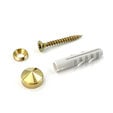
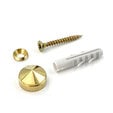
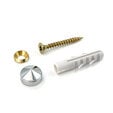
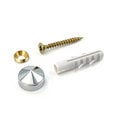
Sign Fixings

Secure your signage with confidence using our comprehensive range of professional sign fixings, engineered for durability and designed for seamless installation. From concealed mounting systems to heavy-duty outdoor brackets, our European-quality hardware ensures your displays remain perfectly positioned and compliant with British standards, whatever the application or environment.
Show more...
starting at £0.50
View our products

36  products
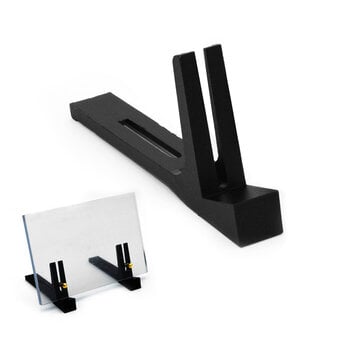
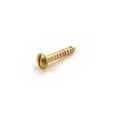
Brass Screw S

Brass Screw S

Ø 3 x 16 mm
£0.50
view details
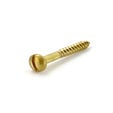
Brass Screw L

Brass Screw L

Ø 3,5 x 30 mm
£1.00
view details
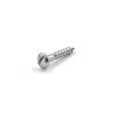
Silver-Coloured Screw S

Silver-Coloured Screw S

Ø 3 x 16 mm
£0.50
view details
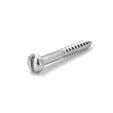
Silver-coloured screw L

Silver-coloured screw L

Ø 3,5 x 30 mm
£1.00
view details
fast shipping
fast shipping
Express 24h or free shipping from £60.00
Conical Cover Cap Gold S

Conical Cover Cap Gold S

Ø 12 x 6 mm
£1.50
view details
Conical Cover Cap Gold L

Conical Cover Cap Gold L

Ø 15 x 6 mm
£2.00
view details
Conical Cover Cap Silver S

Conical Cover Cap Silver S

Ø 12 x 6 mm
£1.50
view details
Conical Cover Cap Silver L

Conical Cover Cap Silver L

Ø 15 x 6 mm
£2.00
view details
Modern cover cap gold S

Modern cover cap gold S

Ø 12 x 6 mm
£2.50
view details
Modern gold cover cap L

Modern gold cover cap L

Ø 16 x 6 mm
£3.50
view details
volume pricing
volume pricing
auto-applied from 10 stamps up to -30%
Show more

What are the different types of sign fixings available for UK installations?

There are several main categories of sign fixings available for UK installations, each designed for specific applications and aesthetic requirements:

  • Mechanical fixings: Traditional systems using screws, bolts, and brackets that create secure physical connections. These excel in high-load applications such as large outdoor signs or high-traffic areas.
  • Adhesive solutions: Modern structural bonding tapes and adhesives that create chemical bonds without drilling. These are ideal for glass installations, temporary displays, or where drilling is prohibited.
  • Concealed mounting systems: Premium solutions like Button-Fix® style systems that create a floating effect by hiding clips through precisely positioned holes, perfect for corporate environments.
  • Stand-off fixings: Systems that create controlled separation between signage and mounting surfaces, available in stainless steel, aluminium, and brass finishes.

Each type offers specific advantages depending on your installation requirements, surface type, and aesthetic preferences.

How do I choose the right sign fixings for outdoor weather conditions?

Selecting appropriate sign fixings for outdoor installations requires careful consideration of UK weather conditions and environmental factors:

Material selection is crucial:

  • Stainless steel: Grade 316 for coastal environments with salt spray, Grade 304 for most inland applications
  • Galvanised steel: Hot-dip galvanising provides superior durability compared to electroplated alternatives
  • Protective coatings: Powder coating offers excellent corrosion protection while enabling colour matching

Key considerations include:

  • Wind loading calculations for large signs, accounting for both steady winds and gusting conditions
  • UV stability to prevent plastic component degradation
  • Thermal expansion considerations to prevent stress-related failures
  • Drainage considerations around foundations for freestanding installations

Professional assessment of your specific location and sign requirements ensures optimal fixing selection for long-term durability in British weather conditions.

What is the difference between concealed and mechanical sign fixings?

Concealed and mechanical sign fixings represent two distinct approaches to sign mounting, each with specific advantages:

Mechanical fixings:

  • Use visible screws, bolts, and brackets for physical attachment
  • Provide maximum security and load-bearing capacity
  • Ideal for high-load applications and challenging environments
  • More straightforward installation process
  • Hardware remains visible as part of the overall design

Concealed fixings:

  • Create a 'floating' effect with hidden mounting hardware
  • Utilise systems like Button-Fix® with clips that engage through precisely positioned holes
  • Offer superior aesthetic appeal with clean, uninterrupted surfaces
  • Allow easy installation and removal while maintaining perfect alignment
  • Create subtle shadows that enhance dimensionality and visual impact

The choice between concealed and mechanical fixings depends on your priorities: mechanical fixings prioritise strength and simplicity, while concealed systems focus on premium aesthetics and visual cleanliness, particularly suited to corporate environments.

Do sign fixings need to comply with UK building regulations?

Yes, sign fixings must comply with several UK regulatory frameworks to ensure safety and accessibility:

Key regulations include:

  • Health and Safety at Work Act 1974: Mandates appropriate safety signage in workplace environments with secure mounting requirements
  • Building Regulations Part B: Covers fire safety requirements, specifying that emergency signage must remain visible and accessible during emergencies
  • Equality Act 2010: Introduces accessibility requirements affecting sign positioning and fixing selection to accommodate users with varying abilities
  • TSRGD (Traffic Signs Regulations and General Directions): Applies to highway signage, specifying structural requirements for mounting systems

Specific compliance requirements:

  • Fire safety signage must remain secure during emergency situations without creating additional hazards
  • Fixings must not interfere with photoluminescent signage charging or emission
  • Regular inspection and maintenance access must be maintained
  • Documentation of installation dates, inspection schedules, and maintenance activities is required

Professional installation with appropriate certification helps ensure ongoing compliance with evolving regulations.

Can I install sign fixings myself or do I need a professional installer?

Whether you can install sign fixings yourself depends on several factors including sign size, location, and complexity:

DIY installation may be suitable for:

  • Small indoor signs with lightweight materials
  • Simple wall-mounted applications on solid surfaces
  • Temporary installations using removable adhesive systems
  • Straightforward mechanical fixings with basic tools

Professional installation is recommended for:

  • Large outdoor signs requiring wind loading calculations
  • Installations at height requiring working-at-height compliance
  • Complex concealed mounting systems requiring precision
  • Signs requiring building regulation compliance certification
  • Installations on challenging surfaces like cavity walls or heritage buildings

Key considerations for DIY installation:

  • Proper surface assessment and substrate identification
  • Appropriate tool selection including masonry drill bits and dust extraction
  • Understanding of load distribution requirements
  • Safety equipment and procedures for elevated work

Professional installers provide expertise in material selection, regulatory compliance, and warranty coverage, ensuring optimal results and long-term performance. For complex or critical installations, professional installation represents a worthwhile investment in safety and reliability.

Professional sign fixings form the backbone of successful signage installations across the UK, ensuring your displays remain secure, compliant, and visually appealing for years to come. Whether you're mounting office plaques, outdoor directional signs, or safety signage, choosing the right sign fixings determines both the longevity of your installation and its adherence to British standards. From concealed mounting systems that create sleek, floating effects to heavy-duty brackets designed for challenging outdoor conditions, the world of sign mounting hardware offers solutions for every application and aesthetic requirement.
The importance of proper sign fixings extends far beyond simple attachment – they represent the critical interface between your carefully crafted signage and the surfaces that support them. In the UK market, where weather conditions can be particularly demanding and regulatory compliance is paramount, selecting appropriate mounting hardware becomes even more crucial. Modern sign fixings must balance strength with subtlety, durability with design flexibility, all while meeting the exacting standards that British businesses and institutions demand.

At Otypo, we understand that exceptional signage deserves equally exceptional mounting solutions. Our comprehensive range of sign fixings combines European engineering excellence with practical British sensibilities, offering everything from elegant stand-off systems to robust outdoor mounting brackets. With over six decades of experience in the signage industry, we've witnessed the evolution of mounting technology and consistently delivered solutions that exceed expectations in both performance and aesthetics.

Understanding sign fixings: types and mounting solutions

Sign fixings encompass a diverse family of mounting hardware, each designed to address specific installation challenges and aesthetic requirements. The fundamental categories include mechanical fixings that rely on physical fasteners, adhesive solutions that create chemical bonds, and concealed systems that prioritise visual cleanliness. Understanding these distinctions helps ensure optimal selection for your particular application.

Mechanical fixings represent the traditional approach to sign mounting, utilising screws, bolts, and brackets to create secure physical connections. These systems excel in high-load applications where maximum security is paramount, such as large outdoor signs or installations in high-traffic areas. The visible nature of mechanical fixings can be mitigated through careful design integration or by selecting hardware that complements the overall aesthetic.

Adhesive mounting solutions have evolved significantly, with modern structural bonding tapes capable of supporting substantial loads while maintaining clean, uninterrupted surfaces. These systems prove particularly valuable for glass installations, temporary displays, or situations where drilling is prohibited or impractical. The key lies in proper surface preparation and selecting adhesives matched to environmental conditions.

Concealed mounting systems for premium installations

Concealed sign fixings represent the pinnacle of mounting elegance, creating the illusion that signs float effortlessly against their mounting surfaces. Button-Fix® style systems utilise hidden clips that engage through precisely positioned holes, allowing signs to be easily installed and removed while maintaining perfect alignment. These systems particularly suit corporate environments where visual cleanliness is paramount.

The installation process for concealed systems requires precision but rewards users with unparalleled aesthetic results. The sign appears to hover slightly away from the wall, creating subtle shadows that enhance dimensionality and visual impact. This floating effect works exceptionally well with illuminated signs, where the gap allows light to create attractive halo effects.

Stand-off fixings for dimensional signage

Stand-off fixings create controlled separation between signage and mounting surfaces, offering both practical and aesthetic advantages. Available in various materials including stainless steel, aluminium, and brass, these systems allow air circulation behind signs while creating sophisticated shadow lines that enhance visual depth. The spacing also facilitates cleaning and maintenance access.

Modern stand-off systems incorporate adjustable features that accommodate slight irregularities in mounting surfaces, ensuring perfect sign alignment even on less-than-perfect walls. Chrome and satin finishes complement contemporary design schemes, while brass options suit traditional or heritage applications where warmth and character are desired.

Choosing the right sign mounting hardware for your application

Selecting appropriate sign fixings requires careful consideration of multiple factors, beginning with the fundamental question of load requirements. Sign weight, wind loading for outdoor installations, and potential impact forces all influence the strength specifications needed. A lightweight internal directional sign requires vastly different support than a large external fascia sign exposed to British weather conditions.

Surface compatibility represents another crucial consideration, as different mounting surfaces demand specific fixing approaches. Brick walls offer excellent holding power for mechanical fixings but require appropriate masonry anchors. Glass surfaces necessitate either adhesive solutions or specialised clamp systems that avoid drilling. Metal substrates may require magnetic mounting options or carefully selected drill-and-fix approaches that maintain structural integrity.

Environmental factors play a particularly important role in the UK, where signs must withstand everything from driving rain to occasional snow loading. Outdoor sign fixings must incorporate corrosion resistance through galvanising, stainless steel construction, or protective coatings. UV stability ensures that plastic components don't degrade under sunlight exposure, while thermal expansion considerations prevent stress-related failures.

Indoor sign fixing considerations

Internal signage installations often prioritise aesthetics and flexibility over ultimate strength, though safety compliance remains paramount. Office environments typically favour concealed mounting systems that maintain clean, professional appearances. Fire safety signage requires fixings that ensure visibility and accessibility while complying with evacuation route requirements.

Temporary installations benefit from removable fixing systems that allow signage updates without surface damage. Magnetic mounting options work well on steel surfaces, while removable adhesive systems suit painted walls or glass partitions. The ability to reposition or update signage without permanent alteration becomes particularly valuable in rental properties or frequently changing environments.

Outdoor and weatherproof mounting solutions

External sign installations face the full fury of British weather, demanding fixings engineered for long-term durability. Galvanised steel components resist corrosion while maintaining strength, though stainless steel offers superior longevity in coastal environments where salt spray accelerates deterioration. Powder coating provides additional protection while enabling colour matching to architectural elements.

Wind loading calculations become critical for large outdoor signs, particularly in exposed locations. Proper fixing specification must account not only for steady wind forces but also for the dynamic loading created by gusting conditions. Professional installation ensures that fixings are appropriately sized and positioned to distribute loads effectively across the mounting structure.

Professional installation techniques and best practices

Successful sign installation begins with thorough surface assessment, identifying both the substrate type and any underlying structural considerations. Cavity walls require fixings that either locate solid backing or distribute loads across sufficient area to prevent failure. Older buildings may have irregular surfaces that demand adjustable mounting systems to achieve proper alignment.

Tool selection significantly impacts installation quality and efficiency. Masonry installations require appropriate drill bits and dust extraction equipment, while precision work benefits from laser levels and measuring systems. Professional installers invest in quality tools that ensure consistent results while minimising installation time and potential errors.

Safety considerations extend beyond the installation process to encompass long-term security and maintenance access. Fixings must be positioned to avoid creating hazards while ensuring that signs remain accessible for cleaning and potential updates. Height restrictions and working-at-height regulations influence both fixing selection and installation methodology.

Wall-mounted sign installation best practices

Wall mounting represents the most common sign installation scenario, yet it encompasses numerous technical challenges. Proper wall assessment identifies structural elements capable of supporting sign loads, while surface preparation ensures optimal fixing performance. Drilling techniques must match substrate materials, with different approaches required for brick, concrete, or composite materials.

Load distribution becomes particularly important for large or heavy signs, where concentrated forces might exceed local material strength. Spreading loads across multiple fixing points or using backing plates helps prevent localised failures while ensuring long-term stability. Proper spacing between fixings prevents stress concentration while maintaining visual balance.

Post-mounted and freestanding solutions

Freestanding sign installations require robust foundation systems capable of resisting both vertical loads and overturning moments. Ground conditions significantly influence foundation requirements, with soft soils demanding larger concrete footings or alternative anchoring systems. Proper drainage around foundations prevents water accumulation that might compromise stability.

Adjustable mounting systems prove invaluable for achieving perfect sign positioning, particularly on uneven ground or where precise alignment with architectural features is required. Post-mounted signs benefit from systems that allow both height and angle adjustment, ensuring optimal visibility while maintaining aesthetic harmony with surrounding elements.

UK compliance and standards for sign fixings

British sign installation must comply with multiple regulatory frameworks, beginning with the Health and Safety at Work Act 1974, which mandates appropriate safety signage in workplace environments. The Building Regulations, particularly Part B covering fire safety, specify requirements for emergency signage that directly impact fixing selection and positioning. These regulations ensure that safety signs remain visible and accessible during emergency situations.

The Equality Act 2010 introduces accessibility requirements that influence both sign positioning and fixing selection. Signage must be positioned at appropriate heights and angles to accommodate users with varying abilities, while fixing systems must not create obstacles or hazards for visually impaired individuals. Tactile signage installations require particularly robust fixings to withstand repeated handling.

Highway signage falls under TSRGD (Traffic Signs Regulations and General Directions) compliance, which specifies not only sign content and positioning but also the structural requirements for mounting systems. These regulations ensure that road signage remains secure under all weather conditions while maintaining visibility and legibility for road users.

Fire safety compliance for signage fixings

Fire safety regulations impose specific requirements on both signage content and mounting systems, particularly for escape route marking and emergency equipment identification. Fixings must ensure that signs remain in position during emergency situations while not creating additional hazards or obstacles. Photoluminescent signage requires fixings that don't interfere with light charging or emission.

Regular inspection and maintenance requirements mean that fixings must remain accessible for testing and replacement. Documentation requirements mandate records of installation dates, inspection schedules, and any maintenance activities. Professional installation with appropriate certification helps ensure ongoing compliance with evolving regulations.

Material selection and durability factors

Stainless steel represents the premium choice for sign fixings, offering exceptional corrosion resistance and strength retention across wide temperature ranges. Grade 316 stainless steel provides superior performance in coastal environments where salt spray accelerates corrosion, while Grade 304 suits most inland applications. The initial cost premium typically proves justified through extended service life and reduced maintenance requirements.

Galvanised steel offers cost-effective corrosion protection for many applications, with hot-dip galvanising providing superior durability compared to electroplated alternatives. The zinc coating sacrificially protects the underlying steel, though mechanical damage can compromise protection. Regular inspection and touch-up maintenance help maximise service life in demanding environments.

Aluminium fixings combine light weight with good corrosion resistance, particularly when anodised or powder-coated. The material's natural oxide layer provides inherent protection, while various surface treatments enhance both durability and appearance. Aluminium's thermal expansion characteristics require consideration in large installations where dimensional changes might affect fixing integrity.

Coating and finish options

Powder coating provides durable, attractive finishes while offering excellent corrosion protection for steel components. The electrostatic application process ensures uniform coverage, while the curing process creates a hard, chip-resistant surface. Colour matching capabilities allow fixings to blend seamlessly with architectural elements or corporate colour schemes.

Anodising treatments for aluminium components create hard, wear-resistant surfaces while maintaining the material's natural appearance. Clear anodising preserves the metallic finish while providing enhanced corrosion protection, while coloured anodising enables aesthetic customisation. The process also improves paint adhesion for applications requiring specific colour matching.

Maintenance and long-term performance

Proactive maintenance significantly extends sign fixing service life while ensuring continued compliance with safety regulations. Regular inspection schedules should encompass visual assessment of fixing condition, checking for corrosion, loosening, or mechanical damage. Outdoor installations require more frequent inspection due to weather exposure and potential impact damage.

Cleaning procedures must balance effectiveness with material compatibility, avoiding aggressive chemicals that might compromise protective coatings or cause galvanic corrosion. Stainless steel benefits from periodic cleaning with appropriate cleaners that remove surface contamination without damaging the passive oxide layer. Galvanised components require gentle cleaning to preserve the zinc coating.

Replacement indicators help identify fixings approaching end-of-service before failure occurs. Visible corrosion, loose connections, or signs of stress concentration suggest immediate attention is required. Maintaining spare fixing inventory enables rapid replacement without extended downtime or emergency procurement costs.

Warranty considerations and service life expectations

Quality sign fixings typically carry warranties reflecting expected service life under normal conditions. Stainless steel systems often warrant 10-15 years in most environments, while galvanised components might offer 5-10 year coverage depending on exposure conditions. Understanding warranty terms helps establish realistic maintenance budgets and replacement schedules.

Service life expectations vary significantly with environmental conditions and maintenance quality. Coastal installations face accelerated corrosion challenges, while urban environments may encounter pollution-related degradation. Industrial settings might expose fixings to chemical contamination requiring specialised materials or protective measures.

Selecting the right sign fixings represents a critical investment in your signage system's long-term success and compliance. The combination of appropriate material selection, professional installation, and proactive maintenance ensures that your signs continue performing their vital communication role while meeting all regulatory requirements. At Otypo, our commitment to European quality and customer satisfaction means providing not just superior products, but also the expertise and support needed to achieve optimal results. Whether you're planning a single sign installation or a comprehensive signage programme, our experienced team stands ready to help you navigate the technical requirements and aesthetic possibilities that modern sign mounting hardware offers.

Read more...
Quote on requestCustom quotes available for bulk or special requests
Secure paymentSecure payment via card or PayPal
Free shippingFree delivery from £60
Volume discountsUp to 20% off with volume discounts!
Custom productsCreate your own product easily with our online editor
Quote on requestCustom quotes available for bulk or special requests
Secure paymentSecure payment via card or PayPal
Free shippingFree delivery from £60
Volume discountsUp to 20% off with volume discounts!
Custom productsCreate your own product easily with our online editor