Get a quote
express 4h


Your sign in just 2 minutes.
Full editor: 27 materials, 219 colors, 12 mounting options
Marking: laser engraving, mechanical or printed

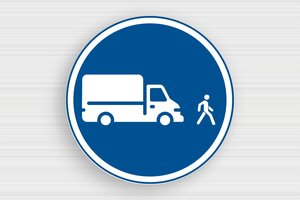

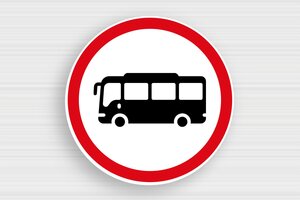


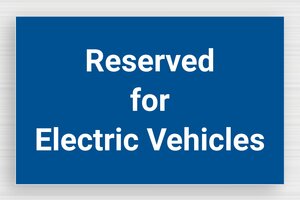
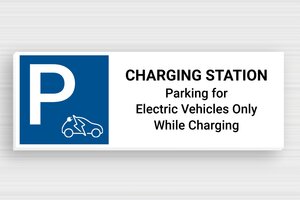
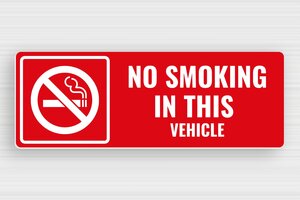


Yes, all our traffic and transport signs are fully compliant with UK Traffic Signs Regulations and General Directions (TSRGD) 2016 and align with Highway Code requirements. Our signs meet the mandatory specifications for design, placement, materials, and maintenance that apply across all UK road networks.
Our compliance includes:
We provide comprehensive documentation and certification to ensure your signage meets all legal requirements and avoids potential liability issues or enforcement difficulties.
We use premium materials specifically selected for durability in the UK's challenging climate conditions. Our primary substrate options include high-grade aluminium and weather-resistant PVC alternatives, both engineered to withstand everything from coastal salt spray to highland freeze-thaw cycles.
Key material features:
With proper installation and maintenance, our traffic signs typically maintain their effectiveness for many years, with retroreflective materials meeting performance standards throughout their intended service life.
Yes, we offer extensive customisation options that allow you to incorporate specific text, messaging, and branding elements while maintaining full regulatory compliance. Our customisation capabilities are designed to address specific local conditions and operational needs without compromising safety standards.
Available customisation options include:
Our design team ensures that all customisation elements enhance rather than compromise the primary safety communication function, maintaining TSRGD compliance throughout the customisation process.
Retroreflective grades determine how effectively signs return light to drivers during night-time or low-visibility conditions, with each grade designed for specific applications and environments.
Here's the breakdown of reflective grades:
The choice of reflective grade depends on several factors:
Our team can advise on the appropriate reflective grade for your specific application to ensure optimal visibility and compliance with UK standards.
Yes, we provide comprehensive installation guidance and a range of mounting solutions designed for diverse UK road environments. Our support encompasses both technical specifications and practical implementation advice to ensure optimal signage performance.
Our installation support includes:
We also provide:
Our technical team offers ongoing support from initial consultation through installation guidance to help you maximise your signage investment and ensure long-term effectiveness.
Professional traffic and transport signage forms the backbone of road safety across the UK, serving as the silent guardians that guide millions of drivers, pedestrians, and cyclists through their daily journeys. From bustling motorways to quiet village lanes, traffic transport signs UK represent far more than simple metal panels – they embody decades of engineering expertise, regulatory compliance, and unwavering commitment to public safety. Whether you're a local council planning infrastructure improvements, a construction company managing temporary roadworks, or a facilities manager ensuring workplace compliance, understanding the intricacies of transport signage can mean the difference between seamless traffic flow and costly delays, accidents, or regulatory penalties.
The landscape of UK transport signage has evolved dramatically over recent decades, driven by increasingly sophisticated traffic management needs, stricter safety regulations, and advances in materials technology. Today's professional signage solutions must navigate complex requirements spanning TSRGD compliance, Highway Code alignment, weather resistance standards, and visibility specifications that ensure effectiveness across Britain's diverse climatic conditions. At Otypo, we've witnessed firsthand how proper signage implementation transforms not just traffic patterns, but entire communities' relationship with road safety and accessibility.
The regulatory framework governing traffic signage in the United Kingdom operates through a sophisticated hierarchy of legislation, standards, and guidance documents that ensure consistency, safety, and legal enforceability across all road networks. The Traffic Signs Regulations and General Directions (TSRGD) 2016 serves as the primary legislative instrument, establishing mandatory requirements for sign design, placement, materials, and maintenance that apply to everything from major motorway installations to local residential street signage.
TSRGD compliance extends far beyond simple aesthetic considerations, encompassing precise specifications for retroreflective materials, mounting heights, visibility angles, and durability standards that must withstand the UK's challenging weather conditions. Signs failing to meet these exacting standards face potential legal challenges, enforcement difficulties, and liability issues that can prove costly for responsible authorities. The regulations distinguish clearly between mandatory signage – those signs required by law for specific traffic situations – and advisory signage that provides additional guidance without legal compulsion.
The Highway Code provides complementary guidance, translating technical TSRGD requirements into practical applications that road users can understand and follow. This symbiotic relationship between regulation and guidance ensures that transport safety signs serve their intended purpose of communicating clear, unambiguous messages to all road users, regardless of their familiarity with specific locations or traffic conditions.
British Standards, particularly BS EN 12899 for fixed signs and BS 8442 for road traffic signs, establish the technical foundation upon which compliant signage must be built. These standards specify material properties, structural integrity requirements, and performance criteria that ensure signs maintain their effectiveness throughout their intended service life. Retroreflectivity standards, categorised as RA1, RA2, and R3B grades, determine how effectively signs return light to drivers during night-time or low-visibility conditions, with higher grades required for high-speed roads and challenging environments.
The enforcement implications of non-compliant signage extend beyond immediate safety concerns to encompass legal liability, insurance complications, and potential prosecution under health and safety legislation. Local authorities, private landowners, and construction companies installing non-compliant signs may find themselves facing significant financial and legal consequences if accidents occur in areas where substandard signage contributed to confusion or misunderstanding.
The diverse landscape of UK transport infrastructure demands an equally diverse range of signage solutions, each engineered to address specific traffic management challenges while maintaining consistency with national standards. School zone signage represents perhaps the most critical application, where the stakes of effective communication reach beyond traffic flow to encompass child safety and community wellbeing. These installations require particular attention to visibility, durability, and psychological impact, as they must capture attention from drivers who may be distracted or unfamiliar with local conditions.
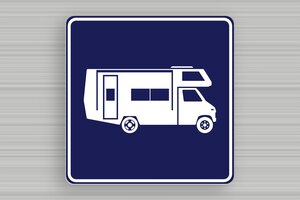
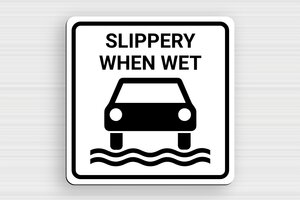
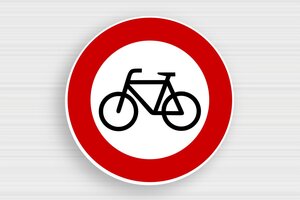
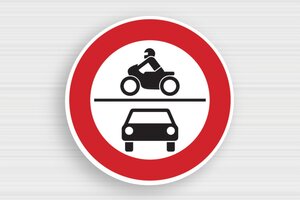
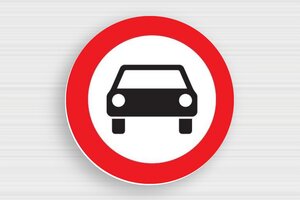
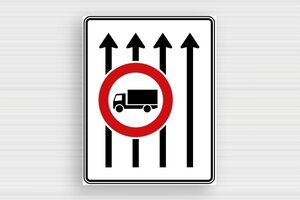
Vehicle movement control signs form another essential category, encompassing everything from simple directional indicators to complex multi-lane guidance systems that manage traffic flow through construction zones, temporary diversions, and permanent infrastructure changes. These signs must communicate quickly and clearly to drivers making split-second decisions, often under challenging conditions of weather, lighting, or traffic density.
Parking and access restriction signage serves dual purposes of traffic management and enforcement, requiring precise legal language combined with clear visual communication. The effectiveness of these signs depends not only on their physical properties but also on their strategic placement, visibility, and integration with broader traffic management systems.
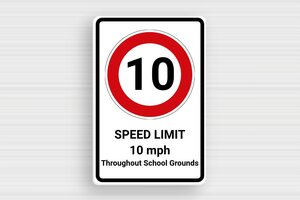
School crossing areas represent unique challenges in transport signage, where the consequences of ineffective communication can be particularly severe. Legal requirements for school zone signage extend beyond basic warning signs to encompass comprehensive systems that alert drivers to reduced speed limits, increased pedestrian activity, and specific crossing points where children may be present. The distinctive yellow colouring mandated for school-related signage serves both regulatory and psychological purposes, creating immediate recognition that demands heightened attention from all road users.
Research consistently demonstrates the effectiveness of properly implemented school zone signage in reducing traffic incidents and creating safer environments for children. However, this effectiveness depends critically on signs meeting exacting standards for visibility, placement, and maintenance, with faded, damaged, or poorly positioned signs potentially creating false confidence or confusion that increases rather than reduces risk.
Bus lane enforcement represents a sophisticated application of vehicle signage UK technology, where signs must communicate complex rules about permitted users, operating hours, and penalty consequences to drivers making rapid decisions in busy urban environments. These installations require particular attention to clarity, positioning, and integration with enforcement systems that may include automated cameras and detection equipment.
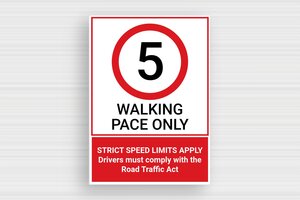
Speed restriction signage has evolved beyond simple numerical displays to encompass variable message systems, context-sensitive warnings, and integrated approaches that combine regulatory information with explanatory context. Agricultural vehicle warnings address the unique challenges of rural roads where slow-moving farm equipment creates potential hazards for faster-moving traffic, requiring signs that communicate both the presence of such vehicles and appropriate driver responses.
Weight and access limitations present particular challenges in signage design, as they must communicate complex regulatory information quickly and clearly to drivers who may be unfamiliar with local restrictions or vehicle specifications. These signs often require integration with broader traffic management systems and may need updating as regulations or infrastructure changes occur.
The choice of materials for transport signage represents a critical decision that impacts not only initial costs but long-term performance, maintenance requirements, and ultimate effectiveness in communicating essential safety information. Aluminium substrates have emerged as the preferred choice for many applications, offering exceptional durability, lightweight construction, and excellent compatibility with retroreflective materials that ensure night-time visibility.
PVC alternatives provide cost-effective solutions for temporary installations or applications where weight considerations make aluminium impractical. However, the selection between materials must consider factors including expected service life, environmental conditions, vandalism resistance, and maintenance accessibility that may significantly impact total cost of ownership over the sign's operational lifetime.
Weather resistance assumes particular importance in the UK's challenging climate, where signs must withstand everything from coastal salt spray to highland freeze-thaw cycles while maintaining their structural integrity and visual effectiveness. UV stability prevents the colour fading that can render signs ineffective or create confusion about their intended meaning, while moisture resistance ensures that retroreflective properties remain consistent across seasons and weather conditions.
Retroreflective materials represent perhaps the most critical component of effective transport signage, with different grades offering varying levels of performance under different conditions. RA1 grade materials provide basic retroreflectivity suitable for low-speed urban environments, while RA2 and R3B grades offer enhanced performance essential for high-speed roads, challenging weather conditions, or locations where sign visibility is critical for safety.
Modern transport signage increasingly demands customisation capabilities that go beyond standard templates to address specific local conditions, regulatory requirements, and operational needs. Bespoke text and messaging options allow authorities to communicate location-specific information while maintaining compliance with national standards, creating signs that serve both regulatory and informational purposes effectively.
Corporate branding integration has become increasingly important as private companies take greater responsibility for transport infrastructure, requiring signage solutions that maintain regulatory compliance while incorporating brand elements that support corporate identity and public recognition. This integration must be carefully managed to ensure that branding elements enhance rather than compromise the primary safety communication function.
Multi-language signage solutions address the increasingly diverse nature of UK road users, particularly in areas with significant tourist traffic or diverse local populations. Welsh language requirements in Wales, Gaelic considerations in Scotland, and tourist-oriented multilingual signs in popular destinations all require careful attention to layout, hierarchy, and regulatory compliance.
Size and format flexibility enables signage solutions that address specific site constraints while maintaining effectiveness and compliance. From compact urban installations where space is limited to large-scale motorway signs visible from significant distances, customisation capabilities must accommodate diverse requirements while ensuring consistent quality and performance.
Professional installation represents a critical factor in signage effectiveness, encompassing not only the physical mounting of signs but also strategic positioning that maximises visibility, minimises maintenance requirements, and ensures long-term structural integrity. Installation requirements vary significantly between temporary and permanent installations, with temporary signage often requiring rapid deployment capabilities that maintain safety standards under challenging conditions.
Mounting systems must address diverse environmental challenges, from coastal locations where salt corrosion accelerates material degradation to urban environments where vandalism and accidental damage create ongoing maintenance challenges. Anti-tamper fixings, reinforced mounting brackets, and strategic positioning can significantly reduce maintenance requirements while ensuring signs remain effective throughout their intended service life.
Maintenance schedules require careful planning that balances cost considerations with safety requirements, ensuring that signs remain visible, structurally sound, and compliant with regulatory standards. Regular cleaning, retroreflectivity testing, and structural inspections prevent gradual degradation that can compromise effectiveness before obvious failures become apparent.
Replacement indicators help authorities plan maintenance activities and budget for ongoing signage requirements, with clear criteria for determining when signs require updating, repair, or complete replacement. Lifecycle management approaches consider not only immediate maintenance needs but also longer-term planning that ensures consistent signage quality across entire road networks.
Selecting an appropriate supplier for road traffic signs requires careful evaluation of technical expertise, regulatory knowledge, quality assurance procedures, and ongoing support capabilities that extend far beyond simple product delivery. Compliance expertise represents perhaps the most critical factor, as suppliers must demonstrate thorough understanding of TSRGD requirements, British Standards, and evolving regulatory landscape that affects signage design and implementation.
Quality assurance procedures should encompass material testing, manufacturing standards, and performance verification that ensures delivered products meet specified requirements under real-world conditions. Suppliers should provide clear documentation of testing procedures, certification processes, and quality control measures that support regulatory compliance and long-term performance expectations.
Customer support capabilities become particularly important for complex installations or customised solutions that require ongoing technical guidance, specification assistance, and problem-solving support. The best suppliers offer comprehensive services that extend from initial consultation through installation support to ongoing maintenance guidance that helps customers maximise their signage investment.
Material testing and certification processes provide essential verification that signage products will perform as expected under UK operating conditions. Retroreflectivity measurement ensures that signs meet specified visibility standards, while durability testing under simulated UK weather conditions provides confidence in long-term performance expectations.
Independent certification from recognised testing bodies offers additional assurance that products meet regulatory requirements and industry standards. This certification becomes particularly important for critical installations where sign failure could have serious safety consequences or legal implications.
Technical specification assistance helps customers navigate complex regulatory requirements and select appropriate solutions for specific applications. This support should encompass not only product selection but also installation guidance, maintenance recommendations, and ongoing compliance verification that ensures continued effectiveness.
Compliance verification services provide ongoing assurance that installed signage continues to meet regulatory requirements as standards evolve and conditions change. This service becomes particularly valuable for large installations or critical applications where regulatory compliance must be maintained over extended periods.
The evolution of transport signage continues to accelerate, driven by advancing materials technology, changing regulatory requirements, and growing recognition of signage's critical role in road safety and traffic management. Professional-grade transport warning signs represent investments in community safety that demand careful consideration of technical requirements, regulatory compliance, and long-term performance expectations. At Otypo, our commitment to European quality standards, comprehensive customisation capabilities, and responsive customer support ensures that every signage solution we deliver contributes meaningfully to safer, more efficient transport networks across the UK. Whether addressing immediate installation needs or planning comprehensive signage upgrades, the expertise and quality assurance that professional suppliers provide can make the difference between adequate signage and truly effective traffic management solutions that serve communities for years to come.