Parking Signs
Your sign in just 2 minutes.
Full editor: 27 materials, 219 colors, 12 mounting options
Marking: laser engraving, mechanical or printed
starting at £8.44

Your sign in just 2 minutes.
Full editor: 27 materials, 219 colors, 12 mounting options
Marking: laser engraving, mechanical or printed

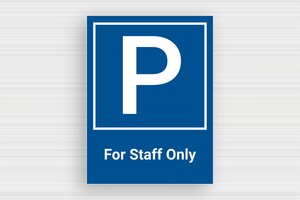


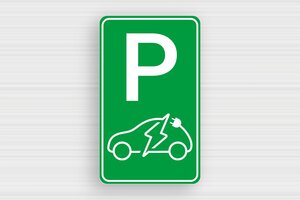



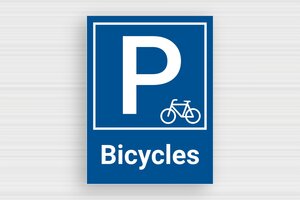

Private land parking signs in the UK must comply with the 2024 Private Parking Code of Practice, developed jointly by the British Parking Association (BPA) and International Parking Community (IPC). This comprehensive framework establishes unified standards for private parking signage.
Key legal requirements include:
All parking signs must provide unambiguous information and meet specific formatting requirements to ensure legal enforceability under UK regulations.
Compliance with the 2024 Private Parking Code of Practice requires adherence to specific standards for signage design, placement, and content. The code mandates that all parking signs provide clear, comprehensive information to users.
Essential compliance elements include:
At Otypo, our design system automatically ensures regulatory standards are met whilst allowing creative customisation, combining compliance expertise with user-friendly design tools.
RA1 and RA2 grade reflective films represent different performance standards for parking sign visibility during low-light conditions. The choice between these grades depends on your specific application requirements and environmental conditions.
RA1 reflective coating characteristics:
RA2 reflective coating characteristics:
Both grades significantly improve parking sign visibility and safety whilst extending sign life through UV protection.
Yes, you can incorporate your company logo and branding into parking signs whilst maintaining full legal compliance. Custom branding transforms standard parking signage into powerful communication tools that reinforce brand identity and create cohesive customer experiences.
Branding integration considerations:
Otypo's intuitive online design platform enables rapid customisation without compromising quality or compliance. Our system guides users through design choices whilst automatically ensuring regulatory standards are met, combining creative freedom with technical expertise for perfectly compliant branded parking signage.
UK weather conditions demand robust construction materials that withstand temperature variations, heavy rainfall, strong winds, and UV exposure whilst maintaining clear legibility throughout their service life.
Recommended materials for outdoor parking signs:
Quality parking signs must withstand freeze-thaw cycles, driving rain, and strong winds whilst maintaining structural integrity. Advanced coating systems protect against moisture ingress, preventing delamination and ensuring graphics remain sharp and legible over time.
Parking sign installation requirements depend on the complexity of your project, local regulations, and safety considerations. While some installations can be completed independently, professional installation ensures optimal placement and compliance.
Self-installation considerations:
Professional installation benefits:
Proper placement considers driver sight lines and positioning signs where users can observe and process information before committing to specific actions, particularly important for entrance signage and complex parking areas.
Effective parking signs are the cornerstone of organised vehicle management across the UK, from bustling retail parks to private business estates. These essential traffic control tools ensure safety, compliance, and smooth operations while protecting property owners from unauthorised use. With evolving regulations under the 2024 Private Parking Code of Practice, choosing the right parking signs has never been more critical for British businesses and property managers.
Modern parking signage goes far beyond simple "No Parking" notices. Today's solutions encompass everything from disabled access compliance to electric vehicle charging designations, all whilst meeting stringent UK regulatory standards. Whether you're managing a small office car park or a large commercial facility, professional parking signs deliver clear communication, legal protection, and enhanced safety for all users.
At Otypo, we understand that every parking situation is unique. Our comprehensive range of customisable parking signs combines European quality craftsmanship with intuitive online design tools, enabling you to create perfectly tailored signage solutions. From weather-resistant materials to rapid 24-hour production, we're committed to delivering parking signs that meet your exact requirements whilst ensuring full UK compliance.
The foundation of effective car park management lies in selecting appropriate signage that clearly communicates rules, restrictions, and guidance to all users. UK parking signs must serve multiple functions: informing drivers of regulations, ensuring legal enforceability, and maintaining safety standards across diverse environments.
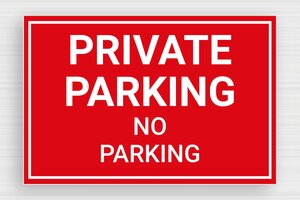
Standard parking prohibition signs remain the most recognisable traffic control elements. These include "No Parking" signs for areas where vehicles must not stop, "No Waiting" signs for time-restricted zones, and "Loading Only" designations for commercial delivery areas. Each serves a specific regulatory purpose and must comply with Traffic Signs Regulations and General Directions (TSRGD) 2016 to ensure legal validity.
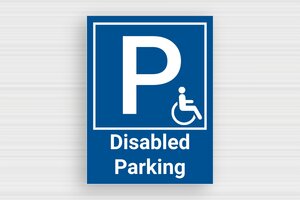
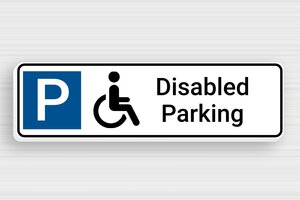
Disabled parking signage represents one of the most regulated aspects of UK parking management. Blue Badge holder spaces require specific dimensional standards, clear surface markings, and prominent vertical signage displaying the international wheelchair symbol. These signs must be positioned at optimal heights for visibility whilst ensuring the designated bays meet accessibility requirements under the Equality Act 2010.
Modern disabled parking signs often incorporate additional information such as maximum stay periods, enforcement details, and contact information for appeals. The signage must be sufficiently clear to prevent misuse whilst providing necessary information for legitimate users. High-contrast colours and reflective materials enhance visibility during all lighting conditions.
Private parking areas frequently require permit holder signage to restrict access to authorised users only. These signs must clearly state the permit requirements, enforcement procedures, and consequences of non-compliance. Effective permit parking signs often include space for displaying permit numbers, validity periods, and contact information for permit applications.
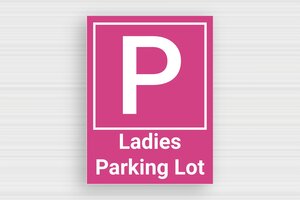
Reserved parking signs for specific user groups—such as staff, visitors, or customers—help optimise space allocation whilst preventing conflicts. These designations work particularly well in mixed-use developments where different areas serve distinct purposes throughout the day.
Understanding UK parking legislation is crucial for ensuring your signage provides legal protection whilst meeting enforcement standards. The regulatory landscape encompasses multiple acts and codes, each addressing different aspects of parking management and sign requirements.
The 2024 Private Parking Code of Practice, developed jointly by the British Parking Association (BPA) and International Parking Community (IPC), establishes unified standards for private land parking signage. This comprehensive framework mandates clear entrance signage, unambiguous terms and conditions display, and specific formatting requirements for enforceable notices.
Under the new regulations, all parking signs must be clearly visible, legible, and positioned where drivers can reasonably observe them before committing to park. Entrance signs must detail payment methods, tariffs, maximum stay periods, and enforcement procedures. Surface markings should complement vertical signage to create clear bay delineation and traffic flow guidance.
The Traffic Signs Regulations and General Directions (TSRGD) 2016 governs the design, placement, and maintenance of parking signs on both public highways and private land where public access occurs. These regulations specify colour schemes, font sizes, symbol usage, and reflectivity requirements to ensure consistency and recognition across the UK.
Compliance with TSRGD standards provides legal certainty for enforcement actions whilst ensuring signs meet visibility requirements for all users, including those with visual impairments. The regulations also address illumination requirements for signs in areas with limited natural lighting.
The Health and Safety at Work Act 1974 places obligations on businesses to manage risks associated with vehicle movements on their premises. Adequate parking signage forms part of this duty, helping prevent accidents through clear traffic flow guidance, speed limit displays, and hazard warnings.
Parking signs must consider pedestrian safety, particularly in areas where vehicles and foot traffic intersect. Height restrictions, one-way systems, and designated pedestrian routes all require appropriate signage to minimise accident risks whilst maintaining efficient traffic flow.
Selecting appropriate materials for parking signs directly impacts their longevity, visibility, and cost-effectiveness. UK weather conditions demand robust construction that withstands temperature variations, heavy rainfall, strong winds, and UV exposure whilst maintaining clear legibility throughout their service life.
Aluminium parking signs offer exceptional durability and professional appearance, making them ideal for permanent installations in high-visibility locations. The material's natural corrosion resistance ensures long-term performance, whilst its lightweight properties simplify installation and reduce structural loading on mounting posts.
PVC parking signs provide cost-effective solutions for temporary installations or budget-conscious projects. Modern PVC formulations offer improved UV resistance and impact strength, delivering reliable performance in most UK environments. These signs work particularly well for internal car parks or covered areas where weather exposure is limited.
Reflective materials significantly improve parking sign visibility during low-light conditions, enhancing safety and compliance. RA1 and RA2 grade reflective films meet different performance standards, with RA2 offering superior retroreflection for high-traffic areas or locations with challenging lighting conditions.
The choice between reflective grades depends on specific application requirements. Car parks with good artificial lighting may function adequately with RA1 materials, whilst outdoor facilities or areas with limited illumination benefit from RA2 performance. Reflective coatings also extend sign life by providing additional UV protection to underlying materials.
British weather presents unique challenges for outdoor signage, from persistent drizzle to occasional extreme conditions. Quality parking signs must withstand freeze-thaw cycles, driving rain, and strong winds whilst maintaining structural integrity and visual clarity.
Advanced coating systems protect against moisture ingress, preventing delamination and ensuring graphics remain sharp and legible. UV-stable inks and substrates resist fading, maintaining colour accuracy and contrast ratios essential for regulatory compliance and user recognition.
Customisation transforms standard parking signage into powerful communication tools that reinforce brand identity whilst addressing specific operational requirements. Modern businesses increasingly recognise parking signs as customer touchpoints that contribute to overall brand experience and professional image.
Corporate branding integration allows businesses to maintain visual consistency across all customer-facing elements, including parking areas. Custom colour schemes, logo placement, and typography create cohesive brand experiences whilst ensuring regulatory compliance and functional effectiveness.
Otypo's intuitive online design platform enables rapid customisation without compromising quality or compliance. Our system guides users through design choices whilst automatically ensuring regulatory standards are met, combining creative freedom with technical expertise.
UK communities increasingly require multilingual parking signage to serve diverse populations effectively. Custom signs can incorporate multiple languages whilst maintaining clear hierarchy and regulatory compliance. This approach improves understanding and reduces conflicts arising from language barriers.
Effective multilingual design balances information density with readability, using internationally recognised symbols alongside text to enhance comprehension. Professional translation ensures accuracy whilst cultural sensitivity considerations prevent unintended misunderstandings.
Different industries present unique parking sign requirements that standard solutions cannot address effectively. Healthcare facilities need signs directing patients to specific departments, whilst retail environments require customer journey guidance and promotional messaging integration.
Educational institutions often require signs addressing specific user groups—students, staff, visitors—with different access rights and time restrictions. Industrial facilities may need hazard warnings, security notices, and emergency procedure information integrated into parking signage systems.
Proper installation and strategic placement maximise parking sign effectiveness whilst ensuring compliance with regulatory requirements. Poor positioning can render even the highest-quality signs ineffective, creating enforcement challenges and safety risks.
Optimal sign placement considers driver sight lines, approach angles, and decision-making points. Signs must be positioned where drivers can observe and process information before committing to specific actions. This principle applies particularly to entrance signage, where users need sufficient time to understand terms and conditions.
Height considerations balance visibility requirements with vandalism resistance and maintenance access. Standard mounting heights ensure signs remain clearly visible to drivers whilst positioning them beyond casual interference. Ground-level installations may require protective barriers or alternative mounting solutions.
Complex parking areas often require multiple signs working together to provide comprehensive guidance. Effective coordination ensures information flows logically without overwhelming users or creating conflicting messages. Primary signs establish main rules, whilst secondary signs provide specific details or exceptions.
Information hierarchy helps users process essential details quickly whilst providing additional information for those requiring it. Clear visual distinction between mandatory requirements and advisory information prevents confusion and supports compliance.
Regular maintenance schedules preserve sign effectiveness and extend service life. Cleaning protocols remove dirt and grime that can obscure text or graphics, whilst periodic inspections identify damage requiring repair or replacement.
Planned replacement schedules based on material specifications and environmental conditions ensure signs remain compliant and effective. Proactive maintenance proves more cost-effective than reactive replacement whilst maintaining consistent visual standards.
Different sectors present unique parking management challenges requiring tailored signage solutions. Understanding industry-specific requirements enables more effective sign selection and placement strategies that address operational needs whilst maintaining regulatory compliance.
Retail environments prioritise customer experience alongside operational efficiency. Parking signs must guide customers to appropriate spaces whilst managing staff parking, delivery access, and time restrictions. Clear wayfinding reduces customer frustration whilst protecting designated areas for specific uses.
Healthcare facilities face complex parking demands with patients, visitors, staff, and emergency services requiring different access levels. Parking signs must provide clear guidance whilst accommodating urgent situations and accessibility requirements. Emergency vehicle access routes require particular attention to ensure rapid response capabilities.
Schools, colleges, and universities manage diverse user groups with varying access rights and time requirements. Student parking often requires permit systems, whilst staff areas need security and guaranteed availability. Visitor parking must accommodate events, parent meetings, and service providers.
Term-time variations create additional complexity, with different requirements during holidays, examination periods, and special events. Flexible signage systems allow institutions to communicate changing requirements effectively whilst maintaining baseline security and organisation.
Industrial facilities require parking signs that address both operational efficiency and safety requirements. Heavy goods vehicle access, dangerous goods restrictions, and emergency evacuation routes all influence parking sign design and placement.
Multi-tenant commercial estates need signage systems that serve individual businesses whilst maintaining overall site coherence. Tenant-specific parking areas, visitor guidance, and service access all require clear designation and enforcement capabilities.
Professional parking signs represent essential infrastructure investments that deliver long-term value through improved safety, compliance, and operational efficiency. Quality signage reduces conflicts, supports enforcement activities, and creates positive impressions for all users whilst protecting property owners from legal challenges.
Otypo's commitment to excellence ensures your parking signage meets the highest standards of quality, compliance, and durability. Our combination of premium materials, expert craftsmanship, and rapid production capabilities provides the perfect foundation for effective parking management across any UK application. Contact our specialist team today to discover how professional parking signage can transform your facility's efficiency and user experience.
 Custom quotes available for bulk or special requests
'%3e%3cpath%20d='M20.5563%202.67834H1.42533C0.639422%202.67834%200%203.31772%200%204.10363V15.5822C0%2016.3682%200.639422%2017.0076%201.42533%2017.0076H15.3578C15.6167%2017.0076%2015.8265%2016.7977%2015.8265%2016.5388C15.8265%2016.2799%2015.6167%2016.0701%2015.3578%2016.0701H1.42533C1.15636%2016.0701%200.9375%2015.8512%200.9375%2015.5822V8.87691H21.0442V11.2778C21.0442%2011.5367%2021.254%2011.7465%2021.5129%2011.7465C21.7718%2011.7465%2021.9817%2011.5367%2021.9817%2011.2778V4.10363C21.9817%203.31772%2021.3423%202.67834%2020.5563%202.67834ZM1.42533%203.61584H20.5563C20.8253%203.61584%2021.0442%203.83466%2021.0442%204.10363V5.54799H0.9375V4.10363C0.9375%203.83466%201.15631%203.61584%201.42533%203.61584ZM0.9375%207.93941V6.48549H21.0442V7.93941H0.9375Z'%20fill='%230C4D5A'/%3e%3cpath%20d='M20.5563%202.67834H1.42533C0.639422%202.67834%200%203.31772%200%204.10363V15.5822C0%2016.3682%200.639422%2017.0076%201.42533%2017.0076H15.3578C15.6167%2017.0076%2015.8265%2016.7977%2015.8265%2016.5388C15.8265%2016.2799%2015.6167%2016.0701%2015.3578%2016.0701H1.42533C1.15636%2016.0701%200.9375%2015.8512%200.9375%2015.5822V8.87691H21.0442V11.2778C21.0442%2011.5367%2021.254%2011.7465%2021.5129%2011.7465C21.7718%2011.7465%2021.9817%2011.5367%2021.9817%2011.2778V4.10363C21.9817%203.31772%2021.3423%202.67834%2020.5563%202.67834ZM1.42533%203.61584H20.5563C20.8253%203.61584%2021.0442%203.83466%2021.0442%204.10363V5.54799H0.9375V4.10363C0.9375%203.83466%201.15631%203.61584%201.42533%203.61584ZM0.9375%207.93941V6.48549H21.0442V7.93941H0.9375Z'%20fill='black'%20fill-opacity='0.5'/%3e%3cpath%20d='M6.92061%2013.6835H2.61612C1.9962%2013.7059%201.99409%2014.5977%202.61612%2014.621H6.92061C7.54054%2014.5986%207.54265%2013.7067%206.92061%2013.6835Z'%20fill='%230C4D5A'/%3e%3cpath%20d='M6.92061%2013.6835H2.61612C1.9962%2013.7059%201.99409%2014.5977%202.61612%2014.621H6.92061C7.54054%2014.5986%207.54265%2013.7067%206.92061%2013.6835Z'%20fill='black'%20fill-opacity='0.5'/%3e%3cpath%20d='M6.92061%2011.7704H2.61612C1.9962%2011.7928%201.99409%2012.6846%202.61612%2012.7079H6.92061C7.54054%2012.6855%207.54265%2011.7936%206.92061%2011.7704Z'%20fill='%230C4D5A'/%3e%3cpath%20d='M6.92061%2011.7704H2.61612C1.9962%2011.7928%201.99409%2012.6846%202.61612%2012.7079H6.92061C7.54054%2012.6855%207.54265%2011.7936%206.92061%2011.7704Z'%20fill='black'%20fill-opacity='0.5'/%3e%3cpath%20fill-rule='evenodd'%20clip-rule='evenodd'%20d='M16.9424%2010.7995L14.5898%2013.152C14.5898%2016.752%2015.1919%2020.2222%2019.2948%2021.3216C23.3978%2020.2222%2023.9998%2016.752%2023.9998%2013.152L21.6473%2010.7995H16.9424Z'%20fill='%23FDF300'/%3e%3cpath%20d='M19.2949%2019.7875C16.7214%2019.0081%2016.1647%2016.8451%2016.0451%2013.9479C16.0413%2013.8187%2016.0909%2013.6937%2016.1822%2013.6023L17.4034%2012.3812C17.4913%2012.2933%2017.6105%2012.2439%2017.7348%2012.2439H20.8549C20.9792%2012.2439%2021.0985%2012.2933%2021.1864%2012.3812L22.4075%2013.6023C22.4989%2013.6937%2022.5485%2013.8187%2022.5446%2013.9478C22.4255%2016.8443%2021.8681%2019.0084%2019.2949%2019.7875ZM16.9894%2014.121C17.1385%2016.4295%2017.4228%2018.0275%2019.2949%2018.8167C21.1665%2018.0277%2021.4513%2016.4301%2021.6004%2014.121L20.6608%2013.1814H17.929L16.9894%2014.121Z'%20fill='%230C4D5A'/%3e%3cpath%20d='M19.2949%2019.7875C16.7214%2019.0081%2016.1647%2016.8451%2016.0451%2013.9479C16.0413%2013.8187%2016.0909%2013.6937%2016.1822%2013.6023L17.4034%2012.3812C17.4913%2012.2933%2017.6105%2012.2439%2017.7348%2012.2439H20.8549C20.9792%2012.2439%2021.0985%2012.2933%2021.1864%2012.3812L22.4075%2013.6023C22.4989%2013.6937%2022.5485%2013.8187%2022.5446%2013.9478C22.4255%2016.8443%2021.8681%2019.0084%2019.2949%2019.7875ZM16.9894%2014.121C17.1385%2016.4295%2017.4228%2018.0275%2019.2949%2018.8167C21.1665%2018.0277%2021.4513%2016.4301%2021.6004%2014.121L20.6608%2013.1814H17.929L16.9894%2014.121Z'%20fill='black'%20fill-opacity='0.5'/%3e%3c/g%3e%3cdefs%3e%3cclipPath%20id='clip0'%3e%3crect%20width='24'%20height='24'%20fill='white'/%3e%3c/clipPath%3e%3c/defs%3e%3c/svg%3e) Secure payment via card or PayPal
Secure payment via card or PayPal Free delivery from £60
 Up to 20% off with volume discounts!
 Create your own product easily with our online editorCustom quotes available for bulk or special requestsSecure payment via card or PayPalFree delivery from £60Up to 20% off with volume discounts!Create your own product easily with our online editor